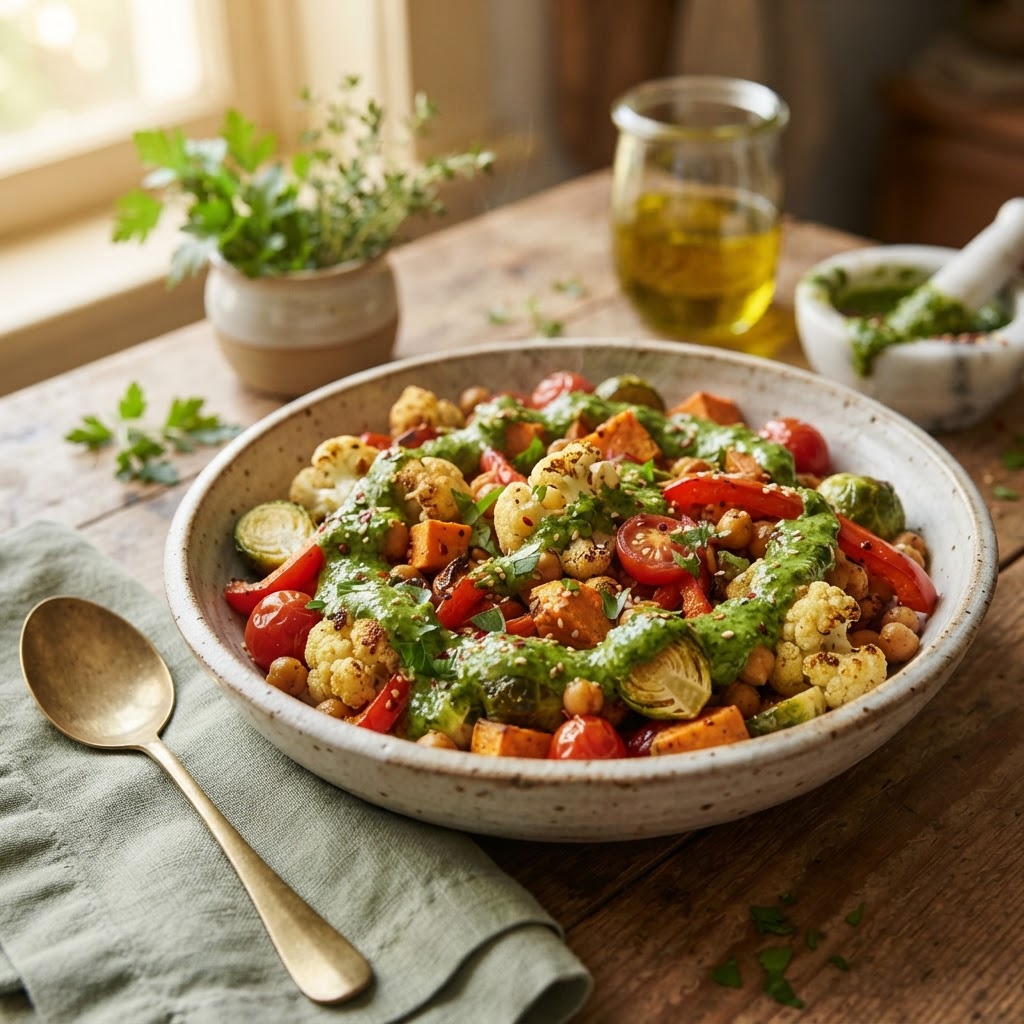
The Healthy Home Cook’s Guide to Nutrient-Dense Flavor Bomb Sauces: Elevating Vegetables with Low-Calorie Aromatics
The modern home kitchen often falls into a monotonous trap where vegetables are treated as an afterthought, relegated to being steamed, boiled, or simply tossed in a bit of olive oil and salt. While there is nothing inherently wrong with simplicity, many home cooks find themselves reaching for processed, store-bought sauces laden with sodium and high-fructose corn syrup just to make their greens palatable. This is a culinary tragedy because the true potential of a vegetable lies not in its raw state, but in its ability to act as a porous canvas for high-impact, low-calorie aromatics. By mastering the art of the nutrient-dense flavor bomb sauce, you can transform a humble head of broccoli or a pile of roasted kale into a Michelin-level dining experience. It is time to reclaim the joy of cooking by focusing on the building blocks of flavor rather than relying on heavy fats or bottled shortcuts.
We often hear the phrase "eat your vegetables," but rarely do we discuss how to make those vegetables the star of the show. Achieving this requires a fundamental understanding of culinary chemistry, specifically how acidity, bitterness, sweetness, and heat interact with fibrous plant matter. When we talk about nutrient-dense sauces, we are moving away from butter-heavy bechamels or sugar-heavy glazes. Instead, we are looking toward fresh aromatics, fermented ingredients, and concentrated vegetable reductions that provide immense flavor profiles while keeping the caloric load minimal. This guide is designed to bridge the gap between nutritional consciousness and gastronomic satisfaction, ensuring that you never look at a zucchini or a carrot the same way again.
My philosophy as a chef has always been that the sauce is the soul of the dish, and if the sauce is nutritious, the entire meal becomes a vehicle for wellness. You do not need a degree in food science to master these techniques; you simply need a sharp knife, a heavy-bottomed pan, and an open mind. We will explore how to harness the power of umami-rich ingredients like miso, ginger, garlic, and fresh herbs to elevate your home cooking to professional standards. By the end of this guide, you will be equipped with a repertoire of sauces that are as healthy as they are delicious, proving once and for all that "healthy" and "flavorful" are not mutually exclusive concepts. Prepare to rethink your pantry and elevate your everyday plate.
The Foundation of Low-Calorie Aromatics
At the heart of every great sauce is an aromatic base, the trinity upon which flavor is built. While traditional French cooking relies on mirepoix (carrots, onions, and celery), modern healthy cooking often looks to more punchy ingredients like ginger, garlic, scallions, and lemongrass. These ingredients contain virtually no calories but offer massive health benefits, including anti-inflammatory properties and immune support. When you finely mince or microplane these ingredients, you increase their surface area, allowing their volatile oils to infuse your sauces rapidly without the need for long, fat-heavy cooking times.
Mastering the Infusion Process
To extract the most flavor from your aromatics, you must learn the art of the gentle sauté. If you burn garlic or ginger, you introduce a bitter, burnt note that ruins the balance of the sauce. Always start with a cold pan and a minimal amount of healthy oil or water, and bring the aromatics to a gentle sweat. By sweating them, you allow them to release their essence into the pan before adding liquid.
The 3:1:1 Ratio:* When building a base, use three parts onion/allium, one part ginger, and one part fresh chili if you enjoy heat.
Temperature Control:* Keep your heat at medium-low to prevent scorching.
Deglazing: Always have a splash of rice vinegar, citrus juice, or vegetable stock ready to deglaze the pan and pick up the browned bits, known as the fond*.
The Role of Fresh Herbs
Fresh herbs are the secret weapon of the nutrient-dense chef. Unlike dried herbs, which offer a mellow, deep flavor, fresh herbs like cilantro, parsley, basil, and mint provide a bright, vibrant top note that wakes up the palate. The key technique here is to add your soft herbs at the very end of the cooking process. Adding fresh herbs too early results in a muddy color and lost flavor profile.
"A sauce is not merely a condiment; it is the bridge between the raw produce and the diner’s palate. By mastering the delicate balance of aromatics, you transform an ordinary side dish into a symphony of health and flavor."
Acid as a Catalyst for Flavor
Acid is the most underrated tool in the healthy home cook’s arsenal. When a vegetable dish tastes "flat," it is almost always a lack of acidity, not a lack of salt. Acid cuts through the natural earthiness of root vegetables and brightens the bitter notes of cruciferous greens. By using acidic components, you can actually use less salt, which is a major victory for heart health. Think beyond basic white vinegar; explore the vast world of citrus, fermented vinegars, and fruit-based acids.
Incorporating Citrus and Vinegar
Citrus juice should be added after the heat is turned off to preserve the bright, volatile aromas. When using vinegars, consider the specific profile you are adding to the dish. Apple cider vinegar brings a rounded sweetness, while black rice vinegar (Chinkiang) offers a deep, malt-like acidity that is perfect for stir-fries and roasted vegetables.
Balancing with Sweetness and Spice
If your sauce is too acidic, you don't need to add fat or dairy to balance it. Instead, lean on natural, low-calorie sweeteners. A small amount of grated pear, apple, or even a teaspoon of coconut aminos can bridge the gap between extreme acidity and the natural sweetness of your vegetables. When combined with a touch of heat from cayenne or fresh chili, the result is a complex, multi-dimensional sauce that feels indulgent despite its clean ingredient list.
Umami: The Secret to Satisfaction
Umami is the fifth taste, and it is the key to creating "meaty," satisfying sauces that are entirely plant-based. Many people associate savory, deep flavors with meat stocks or butter, but you can achieve the same depth with fermented ingredients. Miso paste, tomato paste, mushroom powder, and nutritional yeast are essential tools for any home cook looking to boost the flavor of their vegetables. These ingredients provide a sense of satiety that keeps you full and satisfied.
Working with Fermented Pastes
Miso, a fermented soybean paste, is perhaps the ultimate secret weapon. It is rich in probiotics and provides a salty, complex funk that pairs perfectly with roasted root vegetables or glazed kale. The professional technique here is to create a "slurry" with your miso paste and a little liquid—such as vegetable broth or warm water—before incorporating it into your sauce. This prevents clumping and ensures an even distribution of flavor.
White Miso:* Mild and sweet, great for delicate vegetables.
Red Miso:* Intense and salty, perfect for hardy, fibrous vegetables like cabbage or cauliflower.
Double Fermented:* Provides a deeper, more robust profile for winter dishes.
The Power of Mushrooms
Dried mushrooms, specifically shiitake, can be rehydrated to create a potent, umami-laden liquid known as mushroom dashi. This liquid is essentially a nutrient-dense vegetable stock that costs pennies to make. If you are sautéing vegetables, adding a splash of this concentrated mushroom liquid replaces the need for heavy butter or cream, as it provides a silky mouthfeel and an incredible depth of savory flavor.
"True health is not about deprivation; it is about density. When you pack your sauces with ingredients that offer umami and vibrancy, your body gets the nutrition it craves while your palate enjoys the satisfaction of a five-star meal."
Techniques for Silky Textures without Dairy
Many home cooks fear that without cream or butter, a sauce will be thin or unappealing. This could not be further from the truth. Professional chefs often use emulsification and pureeing to create luxurious, velvety sauces that rely on the natural properties of vegetables, legumes, and seeds rather than animal fats. These techniques allow you to achieve a "creamy" result that is actually packed with fiber and protein.
Emulsifying with Vegetables
One of the best ways to thicken a sauce is to use a portion of the vegetable you are cooking. For example, if you are roasting cauliflower, you can puree a small portion of it with a little vegetable broth and herbs to create a creamy base for the rest of the dish. This vegetable reduction technique ensures that the sauce matches the dish perfectly, creating a cohesive, professional-looking plate.
Nut and Seed Butters
If you need a bit of richness, look to plant-based fats like tahini, almond butter, or cashew butter. A single tablespoon of tahini whisked with lemon juice and a touch of garlic transforms into a creamy, vibrant sauce that elevates simple roasted carrots or steamed green beans. These ingredients add healthy fats and protein, turning a vegetable side into a balanced, nutrient-dense component of your meal.
The Art of the Glaze and Reduction
A reduction is essentially a sauce created by simmering a liquid until it thickens through evaporation. This technique intensifies flavor and is one of the oldest tricks in the culinary handbook. When making a healthy reduction, start with a high-quality, low-sodium vegetable stock. Simmer it until the volume is reduced by at least half. You will be left with a concentrated, flavorful liquid that clings to vegetables like a high-end glaze.
Creating the Perfect Glaze
To make a healthy glaze, combine your reduced stock with an acid (like balsamic vinegar) and a tiny amount of a natural sweetener (like maple syrup or agave). Heat this mixture until it coats the back of a spoon. This is called nappé. This simple technique transforms a bowl of steamed vegetables into something worthy of a dinner party, providing a glossy finish and an explosion of flavor without added fats.
Stock Selection:* Use a dark, roasted vegetable stock for the best color and flavor.
Timing:* Reduction takes patience; don't rush it with high heat, or you will lose the subtle notes of the stock.
The Test:* If it coats your spoon, it is ready to be tossed with your vegetables.
Professional Finishing Touches
Always finish your vegetable dishes with a "spark" of fresh flavor. This could be a sprinkle of toasted sesame seeds, a handful of freshly chopped herbs, or a squeeze of fresh lemon juice. These small details are what distinguish a home-cooked meal from a professional dish. They provide texture and freshness that balance out the rich, concentrated flavors of your glaze or reduction.
Managing Salt and Mineral Balance
Salt is essential, but it is often used as a crutch rather than a flavor enhancer. In this guide, we emphasize mineral balance. By using ingredients that are naturally high in minerals—like seaweed (nori or dulse), celery juice, or tomatoes—you can achieve a savory profile that feels salty without requiring excessive sodium. This is critical for long-term health, particularly for managing blood pressure and fluid retention.
Strategic Salting Techniques
Do not salt your food just once at the beginning of the cooking process. Instead, salt in layers. Add a pinch of sea salt when sweating your aromatics, and then taste again before you serve. You will find that by salting in layers, you actually use less salt overall while achieving a more consistent flavor profile throughout the dish.
Using Natural Saline Ingredients
Seaweed:* A small piece of dried kombu in your vegetable stock provides a profound depth of savory, salty flavor.
Celery:* Finely diced celery contains natural sodium that enhances the other vegetables in your pan.
Tomatoes:* Sun-dried tomatoes or concentrated tomato paste provide a savory base that makes other ingredients "pop."
Advanced Flavor Pairings and Signature Combinations
To truly excel as a healthy home cook, you must move beyond recipes and start thinking in terms of flavor pairings. Certain ingredients are chemically destined to be together. By understanding these pairings, you can invent your own sauces on the fly, ensuring that you always have a way to make your vegetables taste incredible, no matter what is in your refrigerator.
The Global Flavor Palette
Building Your Pantry for Success
To support this style of cooking, your pantry should be a library of flavors. Keep a variety of vinegars, fermented pastes, quality stocks, and fresh aromatics on hand at all times. When you have these components, you never have to rely on a jar of pre-made sauce. You can create a healthy, nutrient-dense meal in the same amount of time it would take to heat up a store-bought alternative.
Final Thoughts
The journey to becoming a healthy, confident home cook is one that rewards curiosity and experimentation. By shifting your focus from "hiding" your vegetables to elevating them with nutrient-dense, flavor-bomb sauces, you move from a place of restriction to one of abundance. You are no longer just cooking a meal; you are composing a dish that sustains your body and delights your senses. The techniques we have discussed—from the gentle sweating of aromatics to the precise use of acidity and umami—are the foundations upon which all great cuisine is built, whether it is high-end French bistro cooking or a quick weeknight dinner at home.
Remember that perfection is not the goal; consistency is. Start by mastering one sauce from this guide, such as a simple tahini-lemon dressing or a ginger-miso glaze, and notice how it transforms even the most basic roasted vegetables. As you gain confidence, branch out. Experiment with different ratios, introduce new herbs, and learn the specific chemical reactions that take place in your pan. When you treat your ingredients with respect and your sauce with intention, you turn your kitchen into a laboratory of wellness.
Finally, do not be afraid to taste as you go. Your palate is your best instructor. If a sauce feels too heavy, add a splash of acid. If it lacks depth, reach for a fermented ingredient or a concentrated stock. You have the power to control exactly what goes into your body, and by using these low-calorie, high-flavor strategies, you are ensuring that your health and your happiness remain in perfect balance. Cooking is an act of care—for yourself, for your family, and for the craft of culinary art. So go ahead, get in the kitchen, and start building those flavor bombs. Your body and your taste buds will thank you for it every single day. The potential for a vibrant, healthy lifestyle is sitting right there in your produce drawer, waiting to be unleashed by the right sauce. Keep learning, keep tasting, and above all, enjoy the process of becoming a true culinary architect in your own home. The transition to a healthier, more flavorful way of eating begins with the very next meal you prepare.


Get the Next Recipe
Weekly recipes, techniques, and gear picks — straight to your inbox.
