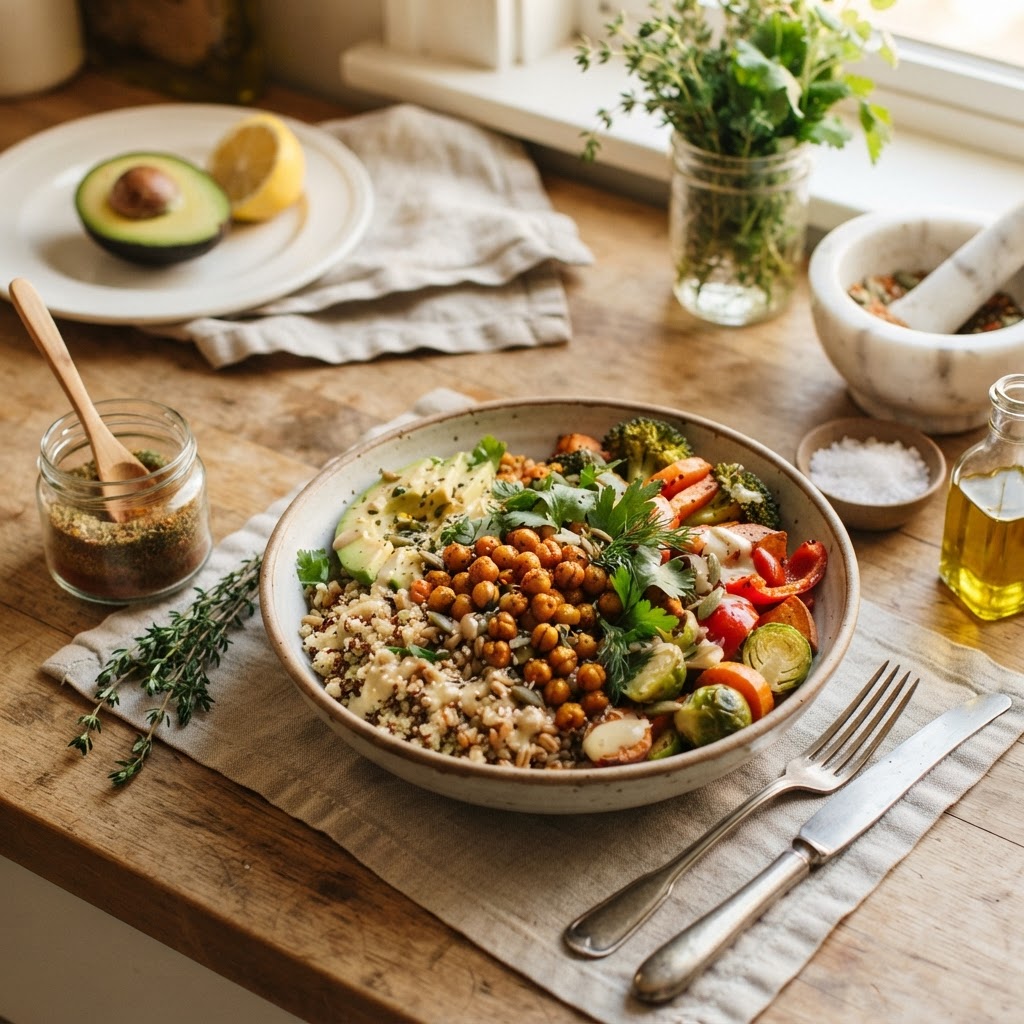
The Healthy Home Cook’s Guide to Nutrient-Dense Flavor Profiles: Mastering Seasoning Strategies for Wholesome Meals
The pursuit of a healthy diet is often marred by the misconception that nutritious food must be bland, repetitive, or joyless. Many home cooks approach clean eating as a series of sacrifices, stripping away fats, salts, and sugars without replacing them with meaningful, vibrant alternatives. At Blame The Chef, we believe that the kitchen should be a laboratory of flavor where wellness and culinary excellence intersect seamlessly. By shifting our focus from subtraction—what we aren't eating—to the additive power of aromatic compounds, we can transform simple, wholesome ingredients into restaurant-quality meals that satisfy the soul as much as the body.
Mastering nutrient-dense flavor profiles is not about mastering complex techniques, but rather understanding the fundamental chemistry of your ingredients. It begins with acknowledging that flavor is a multisensory experience, influenced by aroma, texture, and the way individual components interact on the palate. When we work with whole foods, we are dealing with high-quality raw materials that have their own inherent complexities; our role as cooks is to coax those complexities to the surface. Through the strategic use of heat, acidity, and aromatic layering, we can create depth without relying on heavy creams or excess sodium.
This guide is designed to move you beyond the recipe card and into the realm of intuitive cooking. We will break down the science of seasoning, explore the synergy of spices, and provide you with actionable strategies to elevate your weekday dinner rotation. You don’t need to be a classically trained professional to understand how to balance a dish or how to utilize Maillard reaction principles to unlock hidden savory notes. As we embark on this culinary journey together, remember that the most important ingredient in any dish is your curiosity and your willingness to taste, adjust, and learn.
The Foundation of Flavor: Beyond the Salt Shaker
The most common mistake home cooks make when trying to eat healthily is over-reliance on salt to provide the "pop" that a dish lacks. While salt is an essential flavor enhancer, it is not the only tool in your arsenal. To build true, deep flavor, you must learn to balance the five primary tastes: salty, sweet, sour, bitter, and umami. When a dish feels "flat," it is rarely a lack of salt; it is usually a lack of balance among these five pillars. By incorporating a wider variety of ingredients, you can reduce your sodium intake while simultaneously creating a more sophisticated and enjoyable meal.
Understanding the Umami Component
Umami, often described as the "fifth taste," is the savory foundation of any great meal. Found naturally in foods like mushrooms, tomatoes, parmesan cheese, seaweed, and miso, umami provides that lingering sense of satisfaction that prevents us from reaching for high-fat or high-sugar snacks. To incorporate this into a healthy home kitchen, try keeping a stash of dried porcini mushrooms or a jar of high-quality tomato paste. Adding a tablespoon of fermented miso paste to a vegetable soup or a splash of tamari to a stir-fry can provide a massive depth of flavor that lingers on the tongue, effectively "filling in" the space where heavy fats usually reside.
The Balancing Act of Acidity
Acid is perhaps the most underutilized tool in the healthy home cook’s kitchen. A splash of lemon juice, a drizzle of high-quality vinegar, or a pinch of sumac can completely change the profile of a dish by cutting through richness and highlighting other flavors. Think of acid as the "spotlight" of the culinary world; it brightens up dull notes and balances out sweetness or bitterness. If you have a bowl of roasted root vegetables that tastes "boring," try finishing it with a squeeze of fresh lemon juice or a balsamic glaze. You will immediately notice the flavors pop.
"Flavor is not an accident. It is a carefully engineered result of balancing chemical components, timing, and sensory engagement. When you stop fearing seasoning and start understanding it, every meal becomes a masterpiece."
Lemon Juice:* Best for finishing fish, salads, and steamed greens.
Apple Cider Vinegar:* Adds a subtle fruitiness to dressings and braises.
Rice Wine Vinegar:* Perfect for Asian-inspired marinades and pickling vegetables.
Sumac:* A Middle Eastern spice that offers a tart, citrusy brightness without adding liquid.
Harnessing the Maillard Reaction for Nutritious Browning
The Maillard reaction is the chemical reaction between amino acids and reducing sugars that gives browned food its distinctive flavor. It is responsible for the crust on a seared steak, the depth of flavor in roasted vegetables, and the aroma of toasted nuts. Many health-conscious cooks shy away from high heat, fearing it ruins the nutrients in the food, but moderate, controlled high-heat cooking is essential for developing complex flavor profiles. The key is in the choice of fat and the technique of moisture control.
The Role of Temperature and Moisture
To achieve a perfect sear or roast, you must manage the surface moisture of your ingredients. If your vegetables are wet, they will steam in the pan, resulting in a mushy texture and a lack of flavor development. Always pat your vegetables dry with a clean kitchen towel or paper-towel alternative before they hit the heat. When sautéing, aim for a pan temperature between 350°F and 400°F. If the pan is too cold, the food will stick and boil in its own juices; if it is too hot, you will burn the outside before the inside is cooked.
Selecting the Right Fats
For high-heat applications, you need a cooking fat with a high smoke point. Avoid extra-virgin olive oil for high-heat searing, as its complex compounds break down and lose their health benefits at high temperatures. Instead, use high-quality options like:
When you master the art of the sear, you reduce the need for heavy sauces. A simple cauliflower steak, properly caramelized in a heavy-bottomed cast iron skillet with a touch of avocado oil, carries enough inherent flavor that it requires nothing more than a pinch of sea salt and a touch of fresh herbs to shine.
Aromatic Layering: The Art of the Base
In professional kitchens, we talk about the "mirepoix" or the "sofrito"—the foundation of aromatic vegetables that forms the base of soups, stews, and sauces. Learning to properly sweat these aromatics is the secret to building layers of flavor that last throughout the cooking process. You are not just cooking onions; you are developing a savory foundation that will support every other ingredient added to the pot.
The Three Stages of Aromatics
There are three distinct stages when working with aromatics like onions, garlic, celery, and carrots:
Sweating (Translucency):* Cooking at low heat until soft, allowing the natural sugars to begin to release without browning. This creates a sweet, delicate base.
Caramelization (Goldening):* Increasing the heat slightly to encourage the Maillard reaction. This adds a deeper, nuttier, and more complex sweetness.
The Finish (Infusion):* Adding delicate herbs, citrus zest, or fresh aromatics like ginger or garlic at the very end to provide a top note of brightness.
The Power of Fresh Herbs
Dried herbs are essential for long-cooking dishes, but fresh herbs are the secret to finishing a meal with vibrant flavor. Never cook fresh, delicate herbs like parsley, cilantro, basil, or chives for too long; add them just before serving to preserve their volatile oils and bright color. Conversely, woody herbs like rosemary, thyme, and oregano can be added earlier in the cooking process, as their flavors are robust enough to withstand heat and time.
"A dish is only as good as its base. If you rush the sauté of your onions or neglect to bloom your spices, no amount of salt or garnish will save the meal. Patience at the beginning of the cook is the home chef's greatest weapon."
Basil:* Pairs best with tomatoes, stone fruits, and mild cheeses.
Cilantro:* Ideal for spicy dishes, citrus-forward marinades, and legumes.
Dill:* Complements fish, yogurt-based sauces, and root vegetables.
Parsley:* Use flat-leaf variety for a clean, grassy finish on almost any savory dish.
Spices: Blooming and Toasting for Maximum Impact
Spices are the soul of the healthy kitchen. They offer incredible antioxidant benefits and possess the power to transport a simple plate of roasted squash or lentils to entirely new culinary landscapes. However, simply dumping cold spices into a soup is a wasted opportunity. To unlock the full potential of spices, you must bloom or toast them. This process releases the essential oils trapped within the spice, deepening the flavor profile significantly.
The Technique of Blooming
Blooming spices involves frying them briefly in a small amount of oil before adding your other ingredients. When you add cumin, coriander, or turmeric to a hot pan of oil, you will immediately notice the aroma intensifies. This is the moment the flavor profile is being "activated." Keep the heat low to avoid burning the spices, which can turn them bitter. Thirty seconds to a minute of gentle frying is usually sufficient to transform a flat spice blend into a fragrant, complex flavor base.
Crafting Custom Blends
Stop relying on pre-mixed "supermarket" spice blends that are often filled with fillers, anti-caking agents, and excessive salt. By keeping a pantry of individual whole spices and grinding them as needed, you maintain control over the freshness and the sodium content. A high-quality mortar and pestle is a worthy investment. Try creating your own curry blend, taco seasoning, or "everything" bagel seasoning. Once you start grinding your own spices, you will never be able to go back to pre-ground versions again.
Cumin & Coriander:* The backbone of middle-eastern and indian cooking.
Smoked Paprika:* Adds a "meaty" depth to plant-based dishes without the need for bacon.
Cardamom:* Provides a floral, citrusy note that works in both savory and sweet applications.
Star Anise:* An incredible addition to stews and broths for a deep, licorice-like complexity.
Incorporating Texture for Sensory Satisfaction
Often, healthy meals are criticized for being one-note in texture—usually soft or liquid-heavy. In the culinary world, texture is just as important as flavor. A dish that provides contrast—something crunchy, something creamy, something tender—is inherently more satisfying. This is a crucial strategy for the home cook to master because when the mouth is engaged by varying textures, the brain sends stronger signals of satiation.
The Power of Toppings and Garnishes
Adding a finishing element isn't just about presentation; it’s about providing that final, necessary textural contrast. Think of the crunch of toasted sunflower seeds on top of a creamy cauliflower soup, or the bite of fresh radish slices on a bowl of warm, earthy grain salad. These elements provide a necessary distraction and enjoyment factor that makes the eating experience feel like a "treat" rather than a nutritional chore.
Balancing Creaminess without Dairy
You don't need heavy cream or processed alternatives to achieve a luxurious, creamy mouthfeel. Several whole-food ingredients can mimic the experience of fat while providing fiber and micronutrients. Soaked cashews, when blended with a little water or broth, create a velvety base for sauces. Cannellini beans can be blended into soups for a silky texture that doesn't compromise the flavor profile. Avocado is perhaps the most versatile, offering a richness that elevates dressings, soups, and even desserts.
The Science of Seasoning Timing
Timing is the final frontier in mastering flavor. Understanding when to add your seasonings can change the entire personality of a dish. Some flavors are "front-loaded," meant to be tasted immediately, while others are "base-loaded," meant to permeate the dish through long cooking. Mastering this rhythm is what separates a cook who "follows a recipe" from a chef who "builds a flavor profile."
Front-Loading vs. Back-Loading
Front-loading is the process of seasoning at the beginning of the cook. This includes your aromatics, hardy herbs, and base spices. These ingredients are designed to meld with the fats and proteins, creating a cohesive foundation. Back-loading happens near the end of the cooking process. This is when you adjust the acidity, add the fresh herbs, and do a final check for salt. Adding too much salt at the beginning of a long-simmering stew can be dangerous because as the liquid reduces, the salt concentration increases, potentially resulting in an inedible dish. Always salt at the end of a long braise or reduction.
The Rule of the Final Taste
Never serve a dish without tasting it yourself. As a professional chef, I have seen even the most skilled line cooks fall into the trap of serving a dish without a final check. Taste your food at every stage, but most importantly, taste it one minute before it goes to the table. Ask yourself: does it need more brightness? (Add acid). Does it need more depth? (Add a pinch of umami or a dash of aged vinegar). Does it feel "heavy"? (Add fresh herbs or citrus). This habit is the single most effective way to improve your cooking overnight.
"The final tasting is the moment of truth. It is where you move from the role of a recipe follower to that of a creator. Trust your palate—it is the best tool you have in the kitchen."
Taste during prep:* Know how your ingredients taste before they are cooked.
Taste during the cook:* Understand how ingredients change and meld.
Taste before plating:* Make the final, essential adjustments for balance.
Final Thoughts
Mastering the art of healthy, nutrient-dense cooking is a lifelong endeavor, one that rewards curiosity, patience, and a willingness to step away from the rigidity of measurements. By focusing on the chemistry of flavor—the interplay of aromatics, the transformative power of the Maillard reaction, and the delicate balance of acid and umami—you have the tools to create meals that are both profoundly nourishing and deeply delicious. Remember, the goal is to make healthy food so inherently enjoyable that you stop thinking about it in terms of "health" and start thinking about it in terms of pleasure.
At Blame The Chef, we believe that the kitchen is your sanctuary. Whether you are preparing a quick mid-week dinner for one or a celebratory feast for a dozen, apply these principles of layering, browning, and balancing. Do not be afraid to make mistakes; a burnt onion is simply a lesson in heat control, and an over-salted sauce is an opportunity to learn about dilution and balance. Embrace the process, keep your spice cabinet organized, and never underestimate the impact of a simple squeeze of fresh lemon juice or a handful of fresh, fragrant herbs.
Continue to challenge yourself to experiment with new ingredients and techniques. Perhaps try fermenting your own vegetables, or mastering the perfect technique for steaming grains so that they are nutty and toothsome rather than mushy. As you become more confident in your ability to manipulate flavors, your kitchen will naturally evolve into a space of culinary freedom. You aren't just cooking for nutrition; you are cooking to provide comfort, joy, and a connection to the ingredients that sustain us. Keep your knives sharp, your pans hot, and your palate curious—the best meal of your life is likely just one secret ingredient away. Thank you for inviting us into your culinary journey; now, get back in there and make something incredible.
As you move forward, keep a journal of your successes and your experiments. Note which aromatic bases you enjoy the most, or which spice combinations consistently yield the best results for your family. Understanding your own preferences is a major step toward becoming a truly intuitive cook. Cooking is a language, and the more you practice, the more fluent you will become. Do not let the pursuit of perfection keep you from the joy of discovery. Even the most seasoned professional chefs are constantly learning, adapting, and finding new ways to make simple, whole foods sing with flavor.
Remember, healthy home cooking is not a punishment for your body—it is a celebration of what your body is capable of when it is properly fueled. By focusing on these nutrient-dense flavor profiles, you are investing in your long-term health while simultaneously elevating your daily life. Every meal is a chance to practice, a chance to refine your technique, and a chance to share the beauty of well-cooked food with those you love. May your kitchen always be filled with the intoxicating aromas of blooming spices, the satisfying hiss of a perfect sear, and the laughter that always follows a meal prepared with intention and care. Happy cooking, and remember: if it’s delicious, you can always blame the chef.

Get the Next Recipe
Weekly recipes, techniques, and gear picks — straight to your inbox.
