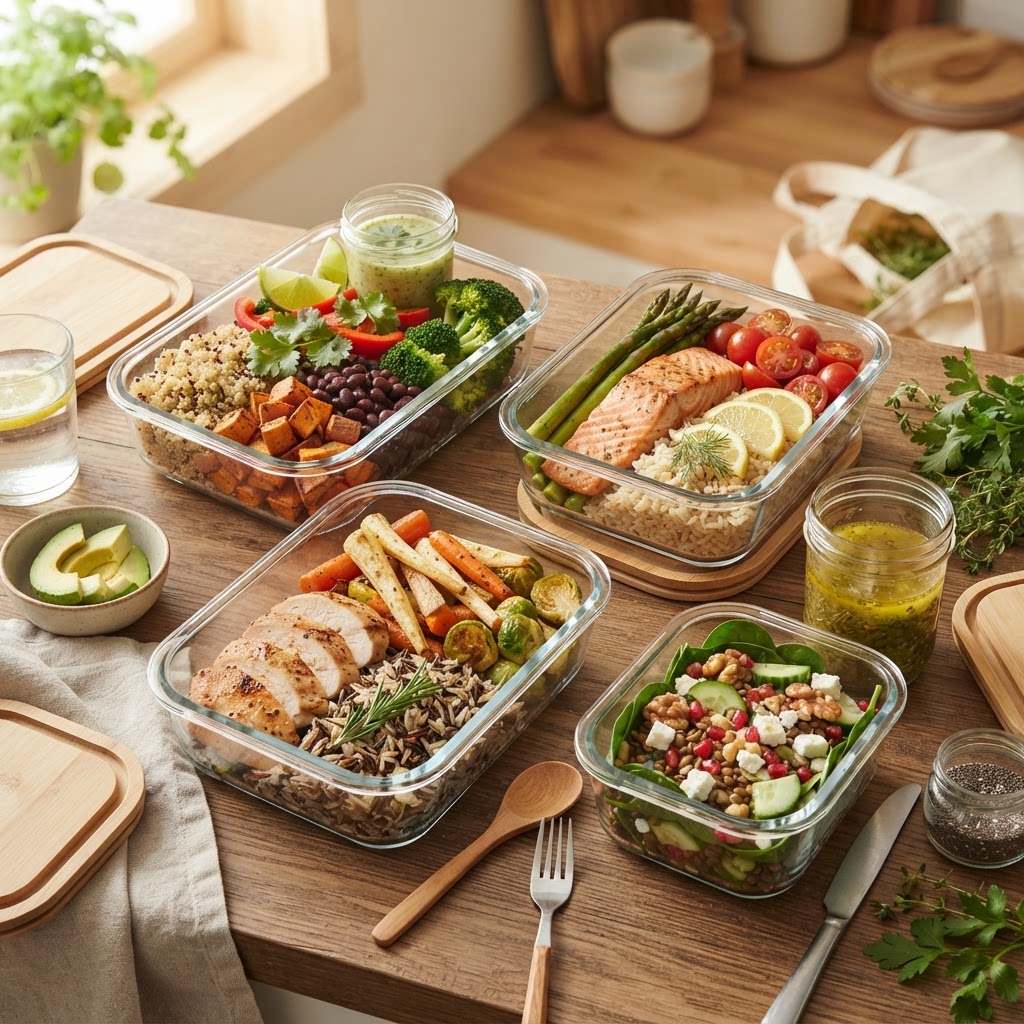
The Healthy Home Cook’s Guide to Nutrient-Dense Meal Prepping: Maximizing Flavor and Efficiency in Your Weekly Routine
In the frantic rhythm of modern life, the kitchen often shifts from a sanctuary of creation into a source of stress and convenience-driven compromise. We find ourselves reaching for processed takeout or lackluster snacks simply because the cognitive load of deciding "what’s for dinner" becomes too heavy after a long workday. However, the art of nutrient-dense meal prepping is not about spending your entire Sunday shackled to the stove in a haze of chopping and searing. It is, instead, a strategic culinary philosophy that empowers you to reclaim your time, your health, and your palate by transforming basic ingredients into a repertoire of vibrant, ready-to-eat components. When we shift our focus from "making meals" to "preparing elements," the entire workflow of the home kitchen becomes significantly more manageable and far more rewarding.
To truly master this practice, one must adopt the mindset of a professional chef, viewing ingredients as building blocks rather than singular, static recipes. By focusing on versatility and texture preservation, you can ensure that your food tastes as fresh on Thursday as it did the moment it was pulled from the oven. This guide is designed to dismantle the intimidation factor often associated with meal planning, offering you a clear, tactical framework for organizing your pantry, optimizing your cooking methods, and elevating your nutrition without sacrificing the soulful pleasure of a well-cooked meal. We will explore everything from the science of flavor layering to the logistics of efficient storage, all while keeping the ultimate goal in mind: a more sustainable, delicious, and healthful home culinary routine.
"Blame The Chef" is built on the belief that anyone can produce restaurant-quality results at home if they have the right foundation and a willingness to embrace technique. Whether you are a busy parent juggling schedules, an athlete needing consistent macronutrients, or a home cook looking to refine your efficiency, this approach is scalable and customizable to your unique dietary requirements. We will move past the myth of the "bland boiled chicken and steamed broccoli" stereotype, proving that health and high-octane flavor are not mutually exclusive. Prepare to clear your counters, sharpen your knives, and shift your perspective, because we are about to turn your kitchen into the most efficient, nutrient-dense engine in your home.
The Strategy of Component-Based Prep
The most common mistake home cooks make is attempting to cook five distinct, fully finished meals at once. This leads to burnout, cluttered counters, and food that loses its structural integrity long before it hits the plate. Instead, we advocate for component-based prepping, where you prepare large batches of base ingredients—proteins, grains, roasted vegetables, and flavorful emulsions—that can be mixed and matched throughout the week. This modular approach allows you to rotate your flavor profiles, ensuring you never suffer from the monotony that causes most people to quit their healthy eating plans.
Mastering the Base Proteins
Your protein source should be the anchor of your meal, but it should remain neutral enough to fit various applications. A whole roasted chicken or a brined pork loin can serve as a protein source for a Mediterranean bowl on Monday, a hearty salad on Wednesday, and a stir-fry on Friday. When prepping proteins, aim for a balanced seasoning: salt, black pepper, and aromatics like garlic or thyme. Avoid drenching them in heavy sauces before storage, as these can soften the meat and limit your ability to pivot to a different flavor profile later in the week.
The Role of Stable Grains and Legumes
Grains are the unsung heroes of a nutrient-dense kitchen, but they must be treated with care to avoid the dreaded "soggy mass." When cooking grains like quinoa, farro, or brown rice, always rinse them thoroughly under cold water to remove excess surface starch. If you are using a rice cooker or pressure cooker, maintain a strict 1:1.5 ratio for most hearty grains to ensure they retain a distinct, toothsome bite. Cook your grains slightly al dente, especially if you plan to reheat them, as the moisture from refrigeration will soften them further.
"The true secret to an efficient kitchen is not working harder, but working smarter by preparing ingredients that are structural, versatile, and seasonally inspired."
Optimizing Cooking Techniques for Maximum Yield
To achieve professional efficiency, you must master high-heat cooking methods that allow you to process large volumes of food in a short window. Sheet pan roasting is your best friend here, but success relies entirely on avoiding the "crowded pan" phenomenon. If your vegetables are piled on top of each other, they will steam instead of caramelizing, leading to mushy textures. Always leave at least an inch of space between pieces to allow for the Maillard reaction, that essential chemical process that creates flavor depth through browning.
The Science of Roasting Vegetables
For root vegetables like carrots, beets, and sweet potatoes, preheat your oven to 425°F (220°C). Toss the vegetables in a high-smoke-point oil like avocado or grapeseed oil, which can withstand these temperatures without breaking down. Seasoning should be aggressive at the start—kosher salt is mandatory, but don't shy away from dried herbs like rosemary or smoked paprika. Keep a close eye on the clock; 25 to 35 minutes is usually the sweet spot for a caramelized exterior and a tender, buttery interior.
Blanching: The Chef’s Secret to Color and Crunch
While roasting is wonderful, some greens require a more delicate touch. Blanching—the act of dropping vegetables into boiling salted water for 1-3 minutes before plunging them into an ice water bath—is the standard for preserving vibrant color and crisp texture. This is vital for broccoli, asparagus, or green beans. By "shocking" the vegetables in ice water, you stop the cooking process instantly, ensuring the chlorophyll remains bright green rather than turning a drab, olive-brown.
The Flavor Architecture: Building Sauces and Dressings
If your proteins and grains are the bricks of your meal-prep house, your sauces are the mortar. Without a bright, punchy emulsion, even the most nutrient-dense bowl will feel like a chore to eat. The secret to a good dressing is the 3:1 ratio: three parts fat (usually a high-quality extra virgin olive oil) to one part acid (lemon juice, apple cider vinegar, or sherry vinegar). From there, you can layer in complexity with Dijon mustard, minced shallots, honey, or fresh soft herbs like parsley and cilantro.
Emulsions that Last
When making dressings, emulsification is key. A whisked dressing will separate, but a well-emulsified one will coat your ingredients perfectly. To achieve this, slowly drizzle your oil into your acidic base while whisking vigorously. If you find your emulsion is breaking, add a teaspoon of warm water or an extra dollop of mustard to provide the necessary stabilizers. Store your dressings in glass mason jars rather than plastic; glass does not hold onto odors and is far easier to clean, ensuring your dressings always taste fresh.
The Power of "Umami Bombs"
To elevate a healthy meal into something truly satisfying, you need umami, the savory fifth taste. Keep a small supply of umami-rich pantry staples on hand, such as miso paste, soy sauce, nutritional yeast, or capers. A small tablespoon of white miso whisked into a tahini dressing can transform it from simple to extraordinary. These ingredients provide the depth and mouthfeel that people often crave from heavier, less-healthy foods, helping you feel satiated without adding excess calories.
"A meal is only as healthy as the excitement it generates; if it's boring, you won't eat it. Focus on building intense flavor profiles through acids, herbs, and high-quality fats."
Storage Logistics and Shelf Life Management
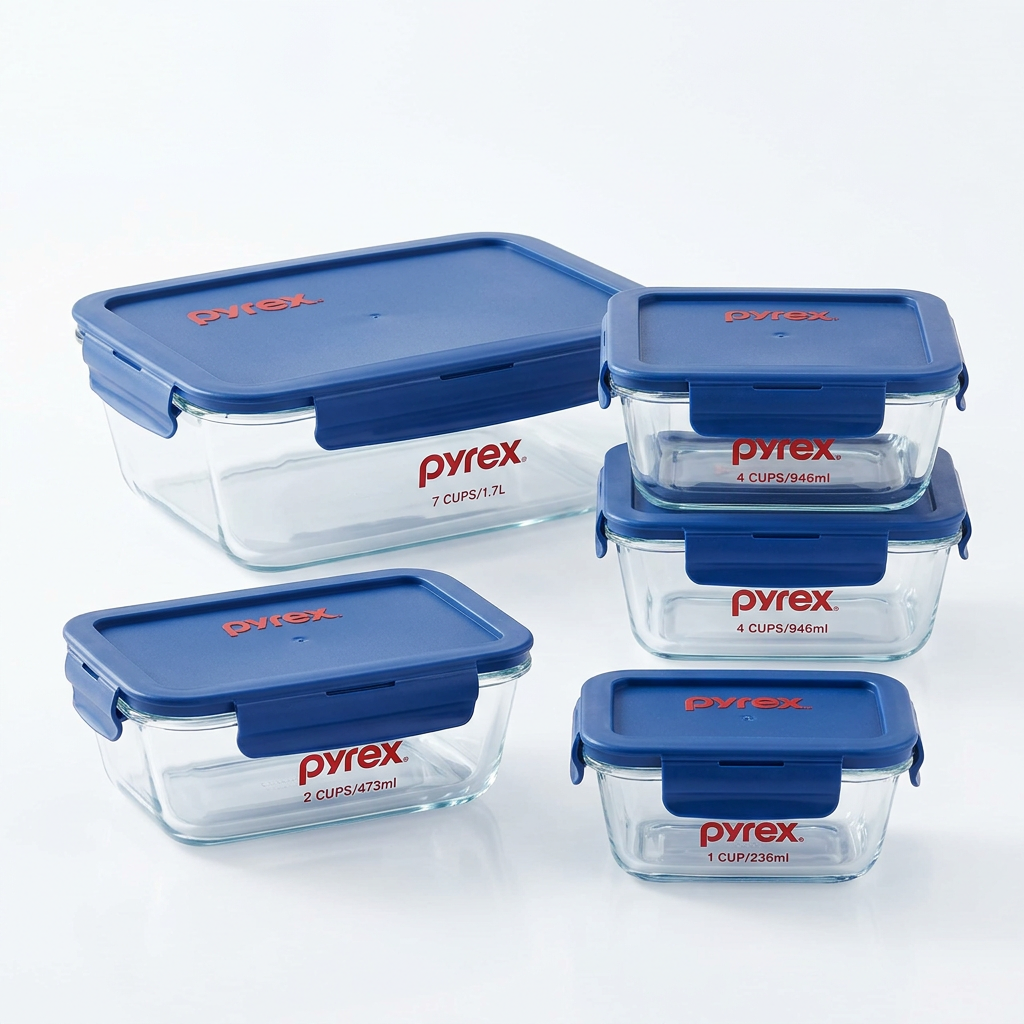
Even the most perfectly prepared food can be ruined by improper storage. Your goal is to minimize oxygen exposure and manage moisture content. Invest in high-quality airtight containers, ideally glass or BPA-free plastic with snap-locking lids. The temperature of your refrigerator is also paramount; ensure it is set between 35°F and 38°F (1.5°C to 3.5°C). This is the optimal range for slowing bacterial growth while keeping your produce crisp.
The "Layering" Method
When storing ingredients in a container, think about the moisture levels of each component. Do not store your leafy greens at the bottom of a container topped with watery vegetables or proteins. Use paper towels to line the bottom of your greens containers; they will act as a moisture-wicking barrier that keeps your spinach or kale from wilting prematurely. For mixed bowls, keep your dressing in a separate small container to add just before serving.
Weekly Inventory and The "First-In, First-Out" Rule
Adopt the FIFO (First-In, First-Out) method common in professional kitchens. When you add new items to the fridge, move the older ones to the front. At the start of each prep session, quickly audit your inventory. What needs to be used immediately? What can wait until the end of the week? This mental check prevents food waste and ensures that your weekly grocery bill stays low by utilizing what you already have rather than buying more.
The Weekly Execution Plan: A Step-by-Step Workflow
A chaotic kitchen is the enemy of a successful prep session. To maximize your efficiency, follow a structured workflow that prioritizes tasks that require long cooking times. By handling the "passive" elements first, you can utilize the downtime to handle the "active" tasks like chopping and cleaning. This is how you reclaim your time and finish your prep in under two hours.
Essential Tools for the Home Cook
You do not need a commercial kitchen to excel at meal prepping, but a few key tools will make a world of difference:
A sharp Chef’s Knife:* The foundation of all efficiency. Keep it honed and sharp to reduce prep time and improve safety.
A heavy-duty sheet pan:* Look for professional-grade aluminum pans that conduct heat evenly and won't warp at high temperatures.
A Digital Scale:* For precise seasoning and portion control.
A Salad Spinner:* Removing excess water from greens is the #1 way to extend their shelf life in the fridge.
Maximizing Flavor and Efficiency: The Chef's Touch
Even with a perfect plan, you may encounter days when you just don't feel like eating what you prepped. This is where "finishing touches" come into play. A meal that feels uninspired can be saved by a handful of toasted sesame seeds, a squeeze of fresh lime juice, or a dash of hot sauce. These final additions are quick, low-effort ways to brighten up a dish and keep your routine feeling dynamic and fresh.
Elevating "Leftovers"
Never view your prepared components as leftovers; view them as pre-portioned ingredients. If you have roasted cauliflower from Tuesday that you don't want to eat as a side dish on Thursday, toss it into a high-speed blender with some vegetable stock and nutritional yeast to create a velvety cream soup. If you have extra grilled chicken, shred it and toss it with a bit of taco seasoning and lime juice for a quick taco night. The ability to pivot is the hallmark of a skilled cook.
The Power of Aromatics
Don't underestimate the role of fresh herbs and alliums. Having a batch of minced garlic, chopped parsley, and sliced scallions ready to go in small containers will make your mid-week meal assembly 50% faster. When you are hungry, the difference between taking five minutes to chop vegetables and taking thirty seconds to garnish your plate is the difference between eating a home-cooked meal and calling for delivery.
"The most dangerous time in any healthy eating journey is 6:00 PM on a Wednesday. That is why your prep must be so good that eating your own food is more attractive than the alternative."
Final Thoughts
The path to a healthier life is paved with the meals we choose to prepare in our own kitchens. By shifting your approach to focus on nutrient-dense components, smart cooking techniques, and strategic planning, you transform the daunting task of "meal prepping" into a sustainable, empowering, and deeply satisfying culinary ritual. Remember, you don't need to be perfect every single week. Some weeks you will be a machine of efficiency, and other weeks you will rely on simpler, faster staples. Both scenarios are victories as long as you are keeping your hands in the kitchen and your nutrition a priority.
As you begin to master these techniques, you will find that the "Blame The Chef" approach is less about restrictive rules and more about the freedom to create. You will save money, you will eliminate the last-minute stress of decision fatigue, and most importantly, you will nourish your body with food that you have crafted with intention. The kitchen is yours to command. Take these principles, adapt them to your specific tastes, and start building your own repertoire of nutrient-dense meals today.
If you find yourself stuck, always return to the basics: a solid protein, a complex grain, a vibrant vegetable, and a punchy sauce. Keep your knife sharp, your fridge organized, and your pantry stocked with the essentials. With time, this will not feel like work—it will feel like a natural, rhythmic part of your life. Thank you for inviting me into your kitchen today, and I look forward to hearing about the delicious, nutrient-dense creations you bring to your table this week. Happy cooking!
***
Addressing Common Challenges in Meal Prep
It is worth noting that you might face obstacles, particularly in the first few weeks of your new routine. Storage space can be an issue in smaller kitchens, and learning to balance the flavors in large batches takes practice. Do not be discouraged if your first attempts at seasoning large batches result in food that is a bit under-seasoned or if your greens wilt faster than expected. These are the growing pains of becoming a more efficient home cook.
Keep a small logbook—or even a note on your phone—to track what worked and what didn't. Did that batch of roasted sweet potatoes turn to mush by Friday? Maybe reduce your roasting time by five minutes next week. Did you find yourself with too much dressing left over? Adjust your ratios. By treating your meal prep like a scientific experiment, you remove the emotional weight of "failure" and replace it with the objective joy of continuous improvement.
Finally, remember that health is not a destination but a continuous, fluctuating process. Some days call for a hearty, grain-heavy bowl that fuels an intense workout; other days call for a light, salad-centric meal to aid digestion. Your prep should be a reflection of your body's needs. As you grow more comfortable with these building blocks, you will find that you can listen to your body and customize your meals with increasing intuition and ease.
The Joy of Sharing
While this guide focuses on the individual, never lose sight of the fact that food is fundamentally communal. If you have the capacity, try preparing a little extra and sharing a portion with a friend or neighbor. The act of sharing a nutrient-dense meal is one of the most powerful ways to build community and spread the message that healthy food can be truly delicious. When you show others that they don't have to sacrifice flavor for health, you are contributing to a broader culture of wellness that extends far beyond your own kitchen walls.
Continue to explore, continue to season aggressively, and continue to find joy in the process. Your health is the greatest investment you can make, and every meal you prepare at home is a dividend that will pay off for years to come. With the right tools and a positive attitude, you are not just cooking dinner—you are building a sustainable, vibrant, and delicious lifestyle that will serve you well, no matter how busy the world outside becomes.
Future Perspectives
In our next installment, we will delve deeper into the seasonal nature of nutrient-dense prepping, exploring how to adjust your pantry staples to match the produce cycle of the year. We will also introduce more advanced fermentation techniques—like quick-pickling vegetables—that can add an extra layer of gut-healthy, tangy goodness to your weekly bowls. Until then, stay curious, keep your pans hot, and keep your kitchen clean. The journey has just begun, and the possibilities for delicious, efficient, and healthy meals are endless.
As you look forward to your next prep session, I encourage you to pick one ingredient you have never cooked before and incorporate it into your routine. Perhaps it is a new variety of grain like sorghum or amaranth, or a cruciferous vegetable like romanesco. Trying one new thing per week prevents the "plateau of boredom" and keeps your palate engaged and excited. This is the secret to a lifetime of healthy eating: it never has to be a chore if you are always discovering something new.
In closing, remember that you have total control over your nutrition. The food you prepare is a direct reflection of the care you take for your own well-being. By choosing high-quality ingredients, employing efficient techniques, and keeping your flavor profiles bold, you are doing more than just meal prepping—you are cultivating a healthier, more vibrant version of yourself. Thank you for reading, and I wish you a week of truly incredible meals.
If you ever feel overwhelmed, just step back and remember the foundational rules of component-based prep. Don't overcomplicate it. A great piece of chicken, some perfectly roasted broccoli, and a bright, lemony dressing will always be better than any processed, pre-packaged alternative. Keep it simple, keep it fresh, and keep it delicious. We'll see you in the next post, where we continue to refine the craft of the home cook.
Stay tuned for more culinary tips and tricks. I am confident that with these new strategies, your Sunday afternoons will become a time of creativity rather than a burden. You are now equipped with the knowledge to manage your time, maximize your flavor, and maintain your health. Let’s make this week your most delicious and organized one yet. There is nothing quite like the feeling of opening your fridge to find it filled with beautiful, healthy options ready to go at a moment's notice.
Continue your journey with confidence. The art of the home cook is a marathon, not a sprint. Take your time, enjoy the process, and don't forget to season your food. Cooking should be a source of relaxation, a way to disconnect from the screens and reconnect with your hands, your senses, and your health. May your knives stay sharp, your pans stay seasoned, and your meals continue to nourish you in every possible way. Happy cooking, and remember: if it’s good, it’s all you; if it’s bad, you can always blame the chef.
Get the Next Recipe
Weekly recipes, techniques, and gear picks — straight to your inbox.
