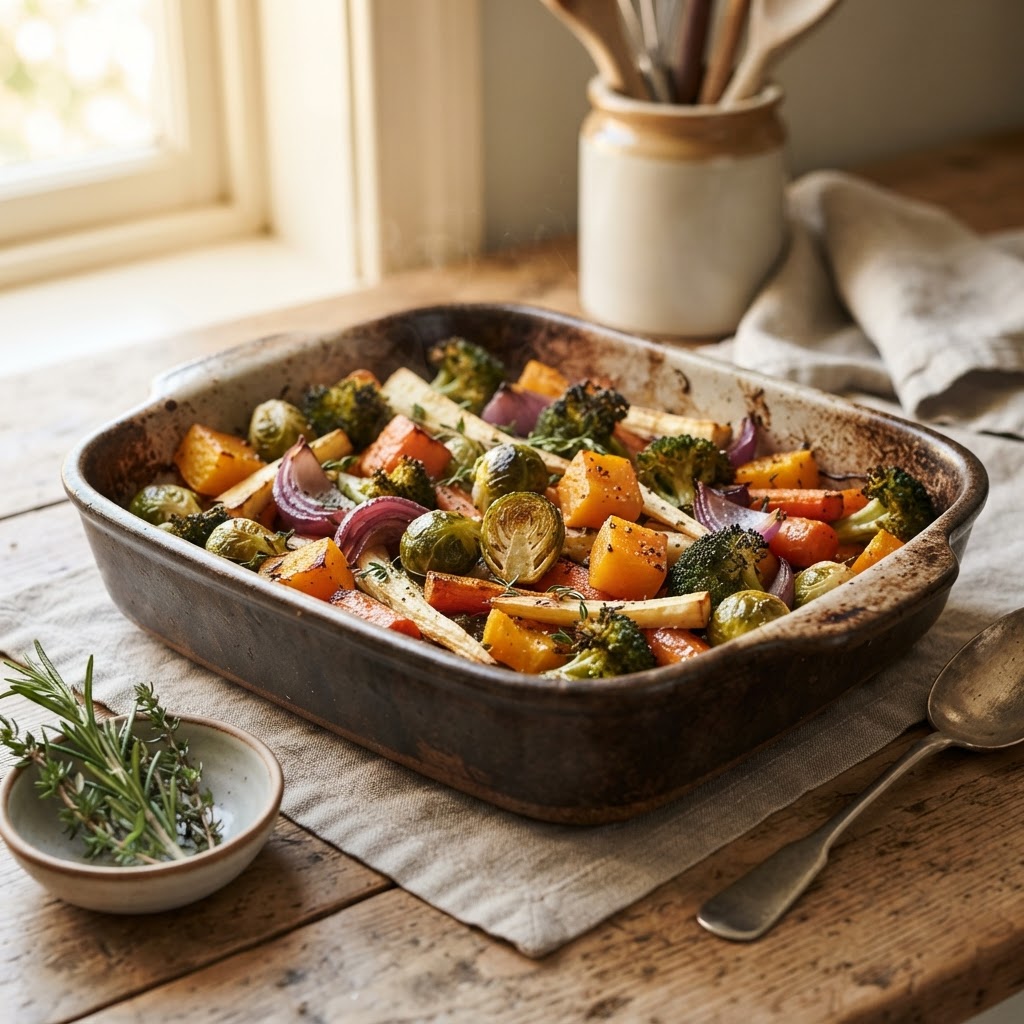
The Healthy Home Cook’s Guide to "Oil-Free Roasting": Mastering Vegetable-to-Stock Ratios for Perfectly Caramelized, Low-Fat Crisps
For years, the culinary world has whispered a singular, unquestioned dogma: that fat is the only bridge between a raw vegetable and a golden, caramelized crust. We are taught that without a generous pool of olive oil or a knob of butter, vegetables are destined to steam into a mushy, lackluster state. However, the modern home kitchen is evolving, and those of us seeking a lighter, more nutrient-dense lifestyle have discovered that the secret to oil-free roasting isn’t the presence of lipids, but the precise manipulation of thermodynamics and moisture. By mastering the delicate balance of heat and hydration, you can achieve that elusive crunch while keeping your dishes remarkably low-fat and heart-healthy.
At "Blame The Chef," we believe that "healthy" should never be synonymous with "boring" or "bland." The art of roasting without oil is a masterclass in understanding the Maillard reaction, that complex chemical dance between amino acids and reducing sugars that occurs under high heat. When you remove the crutch of oil, you are forced to become a more attentive cook, learning to manage the natural sugars present in root vegetables, cruciferous greens, and even heartier squash varieties. This guide will walk you through the structural changes required to achieve professional-grade results, ensuring that every bite is as vibrant as it is satisfying.
Embracing this technique requires a shift in mindset, moving away from "pouring and tossing" toward a more tactical, measured approach. It is about honoring the inherent moisture of your ingredients and utilizing vegetable-based stocks to create a flavorful, steaming environment that eventually evaporates to leave behind a concentrated, caramelized surface. As we dive into these methods, keep an open mind—the flavors you are about to unlock are cleaner, more intense, and far more reflective of the vegetables themselves than anything you could achieve by masking them in heavy, refined oils.
The Chemistry of Heat: Why Oil Isn’t Necessary
Many home cooks assume that oil is required to conduct heat, but your oven is already an incredibly efficient convection machine. The primary purpose of oil in traditional roasting is actually to insulate the surface of the vegetable and facilitate a localized high-temperature fry. Without it, the water on the surface of the vegetable evaporates much faster, which can lead to rapid drying if not managed properly. This is where the concept of moisture management becomes the most important tool in your arsenal.
Understanding the Maillard Reaction
To achieve browning without fat, we must focus on the sugars. When you roast a carrot or a parsnip, the heat breaks down long-chain carbohydrates into simple sugars. These sugars react with proteins to create those delicious, browned edges. Without the insulating properties of oil, you need to ensure that the vegetables are cut with enough surface area to maximize these chemical reactions. Evenly cut vegetables are the foundation of any successful roast, as they ensure that the caramelization happens simultaneously across the entire pan.
The Role of Airflow
Your oven is a dry environment. To prevent your vegetables from turning into flavorless, dried-out husks, you must rely on high heat for short bursts or regulated heat for longer durations. Using a rimmed baking sheet with a silicone mat or high-quality parchment paper is essential. It prevents sticking and allows you to create a small, contained ecosystem where the vegetable-to-stock ratio can do its magic. Never overcrowd the pan; spacing your vegetables out allows the air to circulate, which is the only way to ensure the edges crisp rather than steam.
The secret to success in an oil-free kitchen isn't found in a bottle of expensive extra-virgin olive oil, but in your ability to control the evaporation point of the natural juices within your produce.
The Liquid Secret: Mastering Vegetable-to-Stock Ratios
When we cook without oil, we are effectively using a two-stage process: a gentle steam followed by a dry-heat finish. This is where high-quality vegetable stock comes into play. Instead of using fat to conduct heat, you are using a savory, nutrient-rich liquid to keep the vegetables tender during the initial phase of the cooking process. The goal is to provide just enough liquid to cook the interior of the vegetable without saturating it to the point where it cannot crisp at the end.
The Ratio Formula
For every pound of dense vegetables, such as potatoes, beets, or sweet potatoes, you should use approximately three to four tablespoons of vegetable stock. For lighter vegetables like broccoli or cauliflower, reduce this to two tablespoons. The stock should be warm when you add it to the pan, as this prevents the oven temperature from dropping significantly when you place the sheet inside. The stock acts as a flavor vehicle, infusing the vegetables with aromatics like garlic, onion, and herbs before the final evaporation occurs.
Choosing Your Stock
Not all stocks are created equal. For the best results, use a homemade vegetable stock that has been reduced until it is highly concentrated. If you are using a store-bought version, look for low-sodium, high-quality organic brands. The sodium in some stocks can draw out too much moisture too quickly, so keep an eye on your salt levels. If you find your vegetables aren't browning as expected, you may have used too much liquid; the "drier" the pan becomes toward the end, the better the crisp will be.
Preparation Techniques for Maximum Surface Area
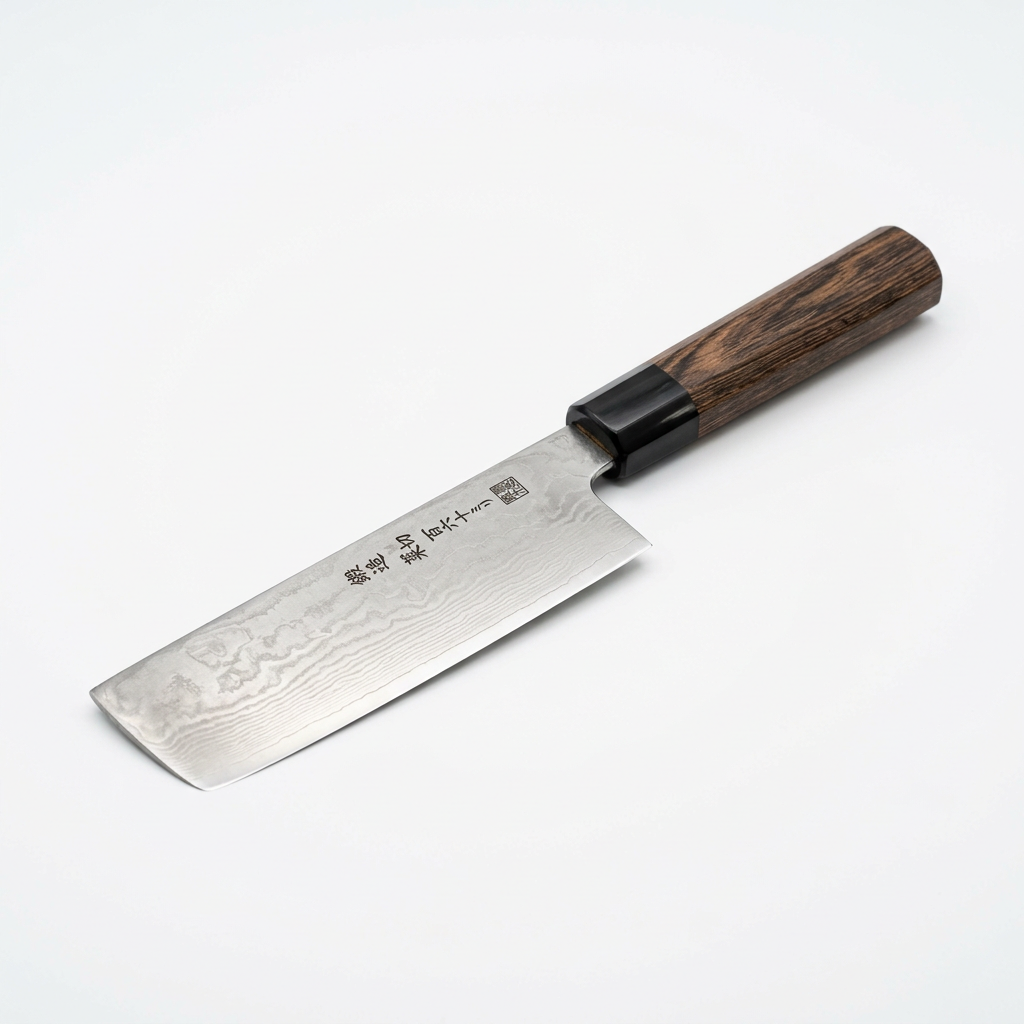
How you cut your vegetables dictates how they will cook. If you want crispy edges, you need a high ratio of surface area to internal volume. Small, uniform cubes are excellent for quick cooking, but thin, longitudinal spears are often better for achieving that satisfying snap. Never underestimate the importance of a sharp knife; jagged, uneven edges cook inconsistently, meaning some pieces will burn while others remain raw.
The "Dry-Brine" Method
Even without oil, you can use the power of salt to improve texture. About 30 minutes before roasting, toss your vegetables with a small amount of salt. This draws a tiny amount of moisture to the surface. Just before you put them in the oven, pat them dry with a clean kitchen towel. This surface dehydration is the key to creating a perfect crust. By removing that surface moisture, you ensure that the heat from the oven starts working on the vegetable sugars immediately.
Seasoning Strategies
Without the mouthfeel of oil, your spices need to be bold. Fresh herbs like rosemary, thyme, and oregano work beautifully, but they must be added at the correct time. Add dried spices at the beginning to allow them to bloom, but save delicate fresh herbs for the final three minutes of roasting. Use acidic finishing agents like a splash of balsamic glaze or fresh lemon juice right as they come out of the oven to provide the brightness that fat usually provides.
* Cut into consistent 1-inch cubes for dense roots.
* Slice cruciferous vegetables into "steaks" to maximize surface area.
* Always pat vegetables dry before roasting to ensure optimal crisping.
* Use heat-resistant parchment paper to prevent sticking without oil.
Managing Temperature and Timing
The temperature at which you roast is the single most significant factor in your success. Most home ovens are calibrated for traditional roasting at 375°F to 400°F. When you remove oil, you often need to increase that temperature slightly to achieve the desired browning. For most vegetables, 425°F is the "sweet spot" for oil-free roasting. It is hot enough to trigger the Maillard reaction almost instantly, yet cool enough that you won't incinerate the vegetable before it is cooked through.
The Two-Stage Approach
If you are roasting a very dense vegetable, like a whole butternut squash or large potato wedges, consider a two-stage process. Start the vegetables at 375°F covered with a piece of foil to trap the heat and steam them in their own juices (and a little stock). After 20 minutes, remove the foil, increase the heat to 450°F, and roast for an additional 15 minutes. This creates a pillowy, soft interior and a deep, dark exterior that rivals any fat-based roast.
Monitoring for Doneness
Avoid the urge to open your oven door constantly, as this releases the trapped heat and lowers the internal ambient temperature. Use your oven light to check the progress. You are looking for the "caramelization threshold," which is a deep golden brown color. If you are worried about the bottoms of the vegetables drying out, use a metal spatula to gently nudge them halfway through the cooking process. If they stick, add another teaspoon of stock—this rehydrates the bottom of the pan and helps release the fond, which is essentially the concentrated flavor of the vegetable.
A common mistake in the healthy kitchen is the fear of high heat; but in the absence of oil, high, dry heat is the only way to achieve the texture we crave.
The Art of the Glaze: Replacing Fat with Flavor
If you find that your oil-free vegetables are lacking a certain "richness," you can bridge that gap with a light glaze. You don't need saturated fats to achieve a luxurious mouthfeel. A simple reduction of vegetable stock, a touch of maple syrup or date paste, and a hint of smoked paprika can create a glaze that adheres to the vegetable and provides the glossy finish usually associated with roasted dishes.
Using Natural Emulsions
You can create a "creamy" effect by using pureed legumes or tahini as a finishing sauce. By roasting your vegetables oil-free and then tossing them with a tablespoon of lemon-tahini dressing, you get the health benefits of heart-healthy fats without the high-heat oxidation that occurs when oil is roasted at high temperatures. This method keeps the vegetables crisp and the flavors clean.
Building Complexity
Don't be afraid to experiment with umami-rich ingredients. A small amount of nutritional yeast, tomato paste, or even a drop of tamari added to your vegetable stock can transform a simple pan of carrots into a savory masterpiece. These ingredients work in harmony with the natural sugars in the vegetables to create a deep, savory profile that makes the absence of oil completely unnoticeable to even the most traditional palate.
Beyond the Sheet Pan: Texture Hacks
Sometimes, the transition to oil-free eating requires us to rethink our definition of "crispy." If you aren't getting the crunch you want, it might be due to the natural fiber content of the vegetable. Hearty vegetables like Brussels sprouts, cauliflower, and cabbage behave differently than potatoes or carrots. For these, use the high-heat blast method. Preheat your baking sheet in the oven while it warms up, then drop the vegetables onto the screaming hot pan. This mimics the sear of a cast-iron skillet and produces an immediate crunch.
The Breadcrumb Technique
If you truly miss the texture of fried vegetables, try this: toss your broccoli or cauliflower in a small amount of liquid (like mustard or soy sauce) and then coat them in panko breadcrumbs or crushed nuts. The breadcrumbs will brown and crisp beautifully in the oven, providing that satisfying "crunch" without the need for a drop of oil. It is a brilliant way to add texture while keeping the fat content extremely low.
Managing Delicate Vegetables
Not all vegetables should be roasted at the same temperature. Asparagus, for instance, requires a much faster, hotter roast than a parsnip. If you are roasting a mix of vegetables, stagger your baking. Start the dense vegetables first, and add the more delicate ones, like asparagus or bell peppers, for the last 10 minutes of the roast. This ensures that every vegetable on the tray is perfectly cooked, not just the hardier ones.
Troubleshooting Common Roasting Pitfalls
Every home cook encounters the occasional "soggy bottom" or "charred mess." Don't be discouraged. Oil-free roasting is a skill that requires calibrating your specific oven's behavior. If your vegetables are turning out soggy, you are likely using too much liquid or failing to allow enough airflow. Try leaving an inch of space between every single vegetable piece on your tray; it feels like you are wasting space, but it is the secret to professional, restaurant-quality results.
The "Soggy" Issue
If you notice liquid pooling at the bottom of the tray halfway through cooking, drain it off! Use a turkey baster or simply tip the tray carefully to remove the excess moisture. That excess water is the enemy of the crisp. By removing it, you allow the dry heat of the oven to take over and finish the job.
The "Burned" Issue
If your vegetables are burning before they are cooked inside, your oven is running too hot or the vegetables are cut too small. Adjust your oven dial down by 25 degrees or cut your vegetables into slightly larger, more uniform pieces. It is always better to have a slightly longer, lower-temperature roast than a fast, burnt one. Remember, patience is a key ingredient in the kitchen.
True culinary skill is found in the ability to adapt to constraints; when you strip away the fat, you are left with the pure, honest essence of the harvest, and that is a prize worth pursuing.
Final Thoughts
Mastering the art of oil-free roasting is a journey that rewards the patient, the curious, and the dedicated home cook. It is about understanding that the heat of your oven, the precision of your knife work, and the clever application of stocks can replace the traditional reliance on fat. You are no longer just cooking a meal; you are orchestrating a series of chemical reactions that bring out the best in the produce you bring into your home.
As you practice these techniques, you will find that your palate begins to change. You will appreciate the subtle sweetness of a roasted carrot and the earthy depth of a beet, flavors that were previously masked by heavy oils or excessive salt. This way of cooking is not just about health—it is about culinary liberation. It allows the natural characteristics of your ingredients to take center stage, providing a cleaner, more vibrant dining experience for you and your family.
Remember that every oven is different, and every vegetable is unique in its moisture content. Use this guide as a foundation, but allow yourself the freedom to experiment. If a batch isn't quite right, analyze the variables: was there enough airflow? Was the stock too heavy? Did the temperature hold steady? Adjust, refine, and keep cooking. The goal isn't perfection from the start, but consistent improvement.
When you serve a plate of golden, crispy, oil-free roasted vegetables, you are doing more than serving a side dish. You are serving a testament to the fact that healthy living doesn't require a compromise on flavor or texture. You have mastered the science, honed the technique, and, most importantly, you have learned to trust your instincts as a chef. Keep your knives sharp, your stock ready, and your oven at the perfect temperature—the best meals are yet to come.
As we conclude this guide, I invite you to take these lessons into your own kitchen this week. Pick a vegetable that you love, perhaps a humble head of cauliflower or a bunch of heirloom carrots, and challenge yourself to roast them without a single drop of oil. Pay attention to the sound of the sizzle, the aroma as the sugars caramelize, and the final, satisfying crunch of that first bite. You might just find that you never go back to the old way of doing things. "Blame the Chef" is here to support you, but you are the one putting in the work. Enjoy the process, enjoy the health benefits, and most importantly, enjoy the incredible, clean flavors of your oil-free kitchen. Happy roasting!
Get the Next Recipe
Weekly recipes, techniques, and gear picks — straight to your inbox.
