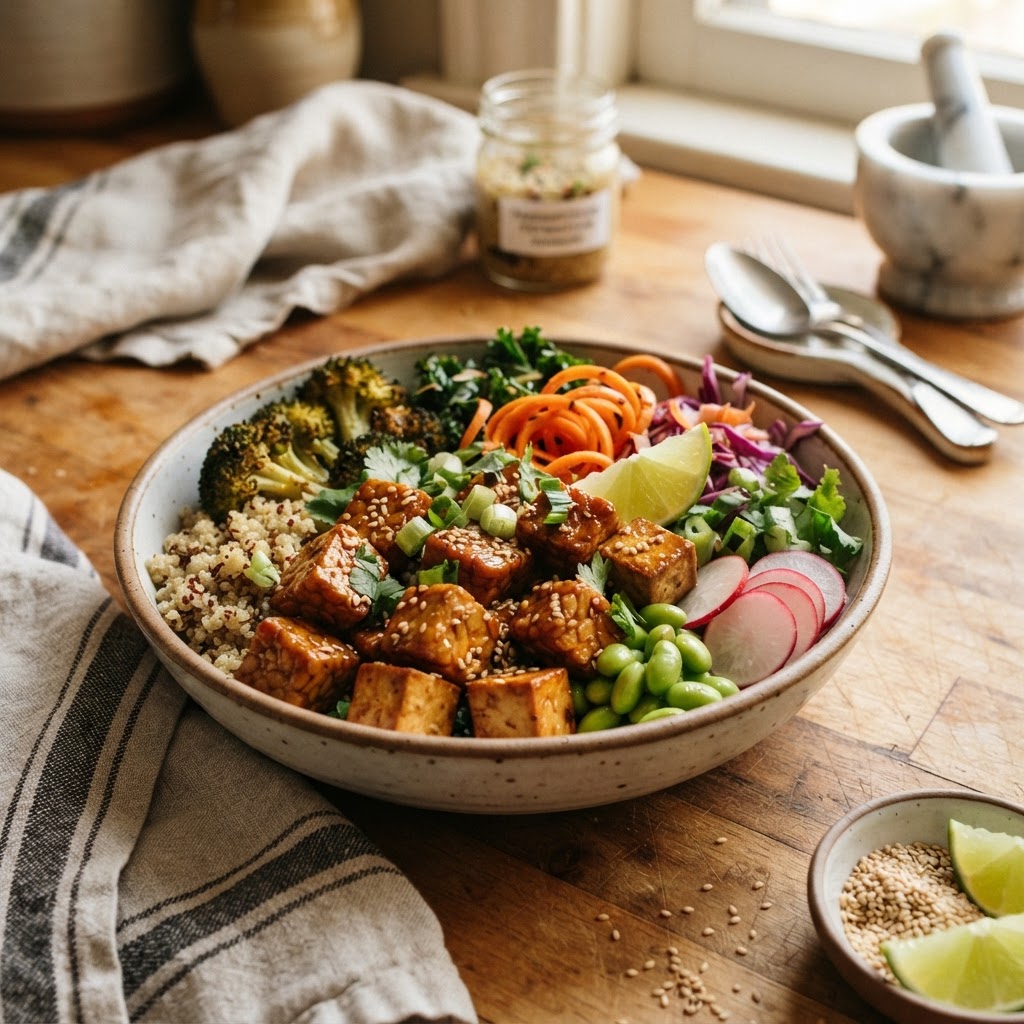
The Healthy Home Cook’s Guide to "Protein-Packed Fermentation": Mastering Tempeh and Tofu Marination for Savory, Gut-Friendly Meals
In the world of modern home cooking, the intersection of gut health and high-protein plant-based nutrition has become the holy grail for those looking to optimize their vitality. Many home cooks approach soy-based staples like tempeh and tofu with a sense of trepidation, often lamenting their blandness or texture, but these ingredients are actually the most versatile vessels in your culinary arsenal. By understanding the science of fermentation and the art of marination, you can unlock deep, umami-rich flavors that rival any meat-centric dish. This guide is designed to move you beyond the "soggy block" phase of plant-based cooking and into a realm where every bite is as nourishing as it is delicious. As we explore the alchemy of these proteins, remember that patience is your most important kitchen tool.
Cultivating a healthy kitchen is not merely about counting macros; it is about building a microbiome that thrives on diverse, fiber-rich, and fermented inputs. Tempeh, a traditional Indonesian staple made from fermented soybeans, offers a distinct earthy profile and a firm, nutty bite that makes it a nutritional powerhouse. When properly prepared, its probiotic properties support digestion, making it a functional food that elevates your entire wellness profile. Mastering its preparation requires an understanding of how to treat the delicate mycelium, while also knowing how to coax flavor deep into its porous structure. We are going to strip away the guesswork, providing you with a roadmap to transform these humble ingredients into the centerpiece of your weeknight rotation.
The transition from a standard diet to one focused on "protein-packed fermentation" is a journey of discovery, where culinary technique meets clinical wellness. You don't need a professional kitchen or a degree in biochemistry to master these methods; you simply need a willingness to experiment with temperatures, aromatics, and time. Whether you are searing cubes for a robust salad or slow-roasting a marinated slab for a hearty dinner, the principles remain consistent. Throughout this post, we will delve into the nuances of osmotic pressure, the role of acidity in breaking down cellular walls, and the specific ratios required for a perfect savory glaze. Let’s prepare to redefine what it means to be a "healthy home cook" by blaming the chef—because when the food tastes this good, the credit belongs to your mastery of the process.
The Chemistry of Flavor: Why Marination Matters
At its core, marination is a process of exchange. When you submerge a block of firm tofu or tempeh in a seasoned liquid, you are utilizing the science of osmosis to drive flavor molecules into the protein. For tofu, which is essentially a sponge of coagulated soy protein, the moisture content is your biggest enemy. If the tofu is already saturated with water from its packaging, there is simply no room for your savory marinade to enter. This is why the most professional chefs in the industry emphasize the importance of pressing tofu to remove excess moisture before it ever touches a seasoning agent.
The Role of Osmosis
To achieve maximum flavor absorption, your marinade must contain a balance of salt, acid, fat, and aromatics. The salt in your marinade works to denature the surface proteins slightly, while the acid—usually citrus juice, vinegar, or wine—helps to tenderize the exterior. When you combine these with fat, such as cold-pressed sesame oil or olive oil, you create a carrier that coats the protein and ensures that the flavors remain locked in during the cooking process. For tempeh, the dense, fibrous nature of the bean cake requires a different approach: steaming.
Why Steaming Changes Everything
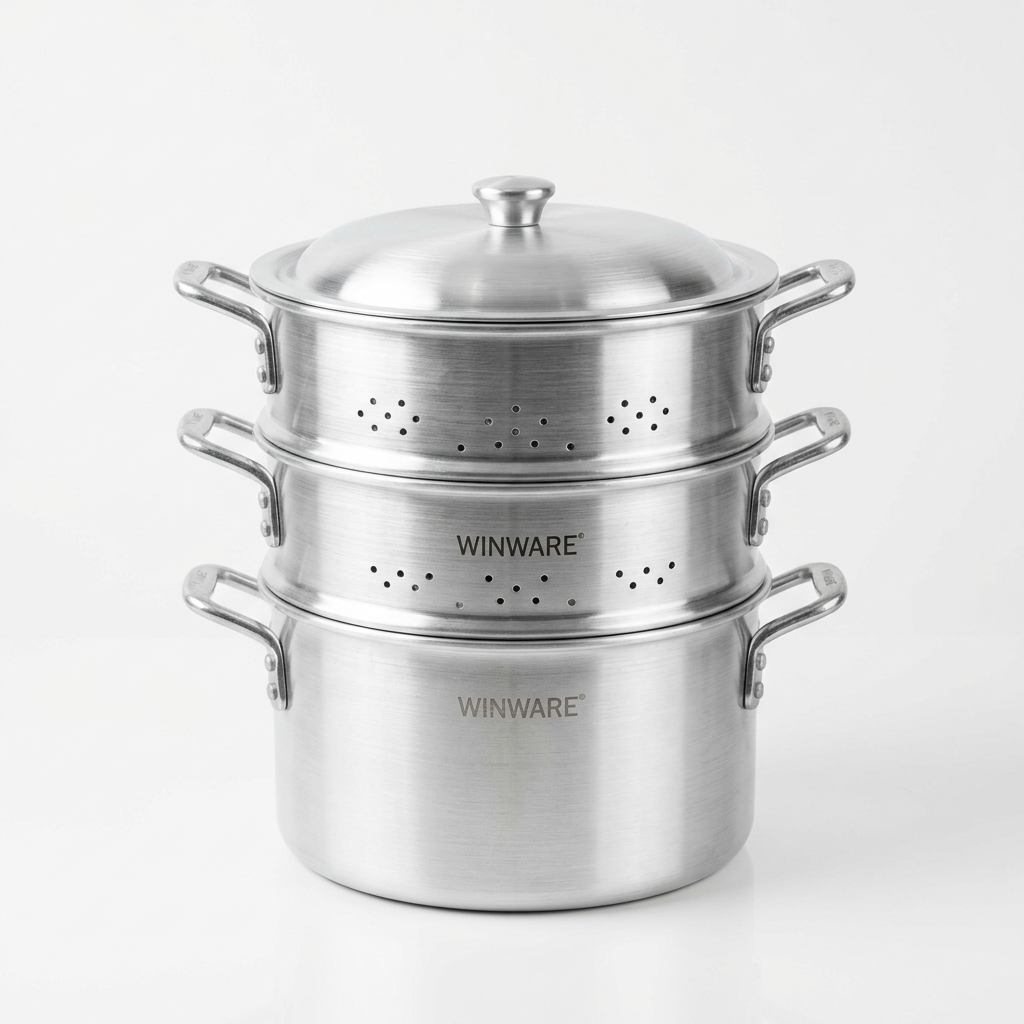
Before you ever marinate a block of tempeh, you should steam it. Steaming serves two critical functions: it eliminates the slightly bitter, raw edge that can be present in some store-bought varieties, and it opens up the pores of the fermented soy. By steaming your tempeh for approximately 10 to 12 minutes before it meets your marinade, you ensure that the soy fibers are soft and receptive. It is a subtle professional technique that differentiates a amateur dish from a high-end culinary experience.
"The true secret to successful plant-based protein preparation isn't the seasoning itself; it is the structural preparation of the protein before the heat is ever applied."
Mastering Tofu: From Soggy to Sensory Perfection
Tofu is often dismissed as a bland filler, but this reputation is entirely unearned. It is actually a blank canvas that craves bold, punchy profiles. To treat tofu with the respect it deserves, you must first master the art of the press. Do not rely on paper towels alone; invest in a dedicated tofu press or construct a makeshift one using heavy cookbooks and a plate. Removing at least 30 to 40 percent of the water content is non-negotiable if you want to achieve a golden, crisp exterior that actually holds a sauce.
The Art of the Sear
Once pressed and cubed, the tofu should be tossed in a very light coating of cornstarch or arrowroot powder. This micro-layer of starch acts as a barrier, protecting the protein while ensuring that the heat creates a Maillard reaction—that beautiful, browned crust we all love. Cook your cubes in a heavy-bottomed cast iron skillet over medium-high heat. You are looking for a deep, golden-brown hue on at least three sides. Only after the crust has formed should you introduce your marinade, allowing it to caramelize in the hot pan and glaze the cubes instantly.
Balancing Ratios for the Perfect Glaze
When creating your marinade, aim for the "Rule of Three": one part acidic base, two parts savory umami agent, and one part sweetener. For a classic savory stir-fry profile, this might look like:
The Fermented Advantage: Working with Tempeh
Tempeh is fundamentally different from tofu; it is a fermented whole-food product. Because it contains live cultures (when bought fresh) and a unique fibrous texture, it offers a distinct "meaty" mouthfeel that is incredibly satisfying. However, because it is essentially a cake of fermented soybeans bound by a white, fuzzy mycelium, it can be dense. If you don't treat it correctly, it can feel too dry or too bitter. The key here is to leverage the fermentation—this isn't just about taste; it’s about bioavailability.
Preparing Tempeh for Marinade
As mentioned previously, steaming is the gold standard. Once steamed, the tempeh becomes remarkably sponge-like. This is the moment to slice it into triangles or thin strips, depending on your desired application. Because tempeh is already fermented, it has a naturally robust, savory profile that pairs exceptionally well with strong, bold flavors like smoked paprika, liquid smoke, fermented chili paste, or miso. Unlike tofu, which prefers bright and citrusy notes, tempeh loves depth.
Temperature Control and Timing
Because tempeh is a denser ingredient, it benefits from a longer marination time than tofu. While tofu can be ready in 30 minutes, tempeh truly shines after 2 to 4 hours in the refrigerator. If you are in a rush, a quick simmer in the marinade is a clever chef’s shortcut. Instead of just marinating, place your sliced, steamed tempeh in a shallow pan with the marinade and simmer it over low heat for 8 minutes. This forces the liquid into the heart of the tempeh, ensuring every bite is flavored through.
"When you utilize fermented proteins like tempeh, you are not just seasoning food; you are building a deeper, more complex palate that respects the natural intensity of the soybean."
Advanced Culinary Techniques for Plant-Based Proteins
Once you have mastered the basics of pressing, steaming, and marinating, you can begin to incorporate advanced techniques that utilize heat and time to your advantage. One of the most effective methods for enhancing tofu is freeze-thawing. When you place a block of extra-firm tofu in the freezer for 24 hours and then let it thaw in the refrigerator, the water inside the tofu turns to ice crystals, creating a honeycomb-like structure. When you press this thawed tofu, you remove significantly more water than you would from a standard block, and the resulting texture is incredibly chewy and meat-like.
The Power of the Cold-Smoke and Char
Another technique to elevate your meals is the use of liquid smoke or smoked sea salt in your marinade. Because we are not grilling over an open flame as often as one might with meat, we have to artificially introduce that campfire essence. A tiny drop of high-quality liquid smoke in your tofu marinade can make it indistinguishable from smoked bacon in a salad or a hearty sandwich. Pair this with a high-heat sear in a cast-iron skillet, and you have achieved a depth of flavor that usually takes hours of traditional smoking.
Using Miso as a Binder
If you really want to lean into the "protein-packed fermentation" theme, incorporate miso paste into your marinades. Miso is an incredible source of beneficial bacteria and provides a dense, salty umami hit that penetrates deeper than soy sauce. To incorporate it, whisk your miso into a small amount of warm water or broth before adding your other marinade ingredients. This creates a thick, paste-like consistency that clings to the protein, acting as a flavor-dense shield during the cooking process.
Essential Gear for the Home Chef
You don't need a kitchen full of gadgets to succeed, but a few key items will make your life much easier. First, a quality silicone-tipped pair of tongs is essential. You want something that will allow you to flip fragile tofu cubes without breaking them. Second, a heavy-duty cast iron skillet is your best friend. It provides the consistent, even heat distribution necessary for browning, which is the secret to a professional-grade crust.
Recommended Toolset
Maintaining Your Equipment
If you are using a cast-iron skillet, remember that the acids in your marinades (like lime or vinegar) can strip away your seasoning. Always be sure to wipe your pan clean immediately after cooking and apply a very light coat of oil to maintain that non-stick surface. Taking care of your equipment is part of the culinary journey; the better you treat your tools, the better your food will perform in the pan.
Nutritional Integration and Gut Health
While the culinary aspect is primary, we cannot overlook the health benefits of this approach. Fermented foods are the cornerstone of a healthy digestive system. By choosing tempeh, you are providing your body with not only protein but also prebiotics that feed your gut flora. This is crucial for inflammation management and immune health. When you pair these fermented ingredients with a variety of colorful vegetables, you are maximizing the diversity of your diet, which is the single most important factor in long-term gut vitality.
Designing a Balanced Meal
To build a perfect meal around these proteins, use the "Plate Method." Start with your marinated protein, add a dense, fiber-rich grain like quinoa or farro, and round it out with two to three cups of leafy greens or cruciferous vegetables. The marinade from your tofu or tempeh can often double as a dressing for your grains. If you have leftover marinade, simmer it for a few minutes in a small saucepan to ensure safety, then drizzle it over the entire bowl for a cohesive flavor experience.
The "Leftover" Strategy
Do not fear leftovers. In fact, many people prefer tempeh the day after it has been marinated and cooked. As the protein sits in the refrigerator, the flavors continue to meld and harmonize. If you are preparing for a busy week, create a large batch of marinated and pre-cooked tempeh or tofu on a Sunday. It can be tossed into salads, folded into tacos, or eaten straight from the fridge as a high-protein snack. This is the ultimate "healthy home cook" strategy—preparing ingredients in advance so that you are never tempted by processed, low-quality alternatives when hunger strikes.
"The habit of meal prep isn't about restriction; it is about empowerment. When your fridge is stocked with flavorful, gut-friendly proteins, the healthy choice becomes the easiest choice."
Troubleshooting Common Culinary Pitfalls
Even the best chefs encounter hurdles when working with plant-based proteins. The most common complaint is that the tofu "sticks and tears." This is almost always a result of either the pan not being hot enough or the protein being added to the pan before it is properly dried. If your tofu sticks, don't panic. Turn the heat down slightly and give it another thirty seconds; it will naturally release once the crust is fully formed. If it is already tearing, you have rushed the process—let the heat do the work.
Adjusting for Salinity
Another common issue is over-salting. Because you are using ingredients like tamari, soy sauce, and miso, it is easy for a marinade to become overwhelmingly salty. Always taste your marinade before adding the protein. If it feels too aggressive, add a touch more sweetness (like agave or maple) or a splash of water to mellow it out. Remember that as the marinade reduces in the pan during cooking, the salt concentration will intensify, so it is better to start on the lighter side.
The Texture Conundrum
If your tempeh feels too hard or "rubbery," you likely skipped the steaming step or cut the pieces too thick. Tempeh needs to be handled with a bit more care than tofu. If you find your tempeh is still too dense, try slicing it into thinner, bacon-sized strips and pan-frying them until they are crispy. This creates more surface area for your marinade to coat, resulting in a more satisfying crunch and a better flavor-to-protein ratio.
Final Thoughts
Mastering the art of protein-packed fermentation is a transformative experience for any home cook. By embracing the specific requirements of tempeh and tofu—the pressing, the steaming, the marinating, and the precise searing—you elevate these ingredients from simple meat substitutes to culinary stars. You aren't just making dinner; you are engaging in a process that honors both your health and your palate. As you incorporate these techniques into your routine, remember that there is no single "correct" recipe. The ratios provided here are a starting point; your kitchen is a laboratory where your taste buds lead the way.
As you continue this journey, I encourage you to share these meals with friends and family. There is a profound joy in serving a dish that is undeniably delicious while also being rooted in the principles of longevity and gut health. Do not be afraid to experiment with new aromatics—perhaps a splash of toasted sesame oil, a pinch of smoked chili, or a touch of fresh lemongrass. When you start to view your kitchen through the lens of a chef, you realize that the boundaries are limitless. So, grab your skillet, start your marination, and let the results speak for themselves. You have the tools, you have the knowledge, and you have the ingredients. It is time to step into your kitchen and begin the alchemy of a truly healthy home-cooked life.
There is an inherent satisfaction in knowing that the food you put on your table is fueling your body in the best possible way. Whether you are a seasoned vegetarian or someone looking to incorporate more plant-based meals into your week, the principles of professional-level fermentation and marination apply to everyone. Consistency is the secret ingredient. By dedicating just a small amount of time to the preparation phases, you are guaranteeing that every meal you serve is packed with flavor, texture, and nutritional value. The "Blame The Chef" philosophy is simple: when the food is excellent, the process matters just as much as the product. Enjoy the process of becoming a more proficient, confident, and health-conscious cook. Your future self—and your gut microbiome—will thank you for it every single time you sit down to eat.
As we conclude this guide, I hope you feel energized to tackle these ingredients with a new sense of purpose. Keep a journal of your favorite marinade combinations, experiment with different types of miso and vinegars, and don't be afraid to push the limits of what you thought possible with soy-based proteins. You are the architect of your own culinary world, and with these foundations in place, there is truly no limit to the savory, gut-friendly meals you can create. Happy cooking, and may your pans always be hot, your marinades always perfectly balanced, and your table always filled with the vibrant, nourishing food you deserve. The path to a healthier life is delicious—you just have to start with the first bite.


Get the Next Recipe
Weekly recipes, techniques, and gear picks — straight to your inbox.
