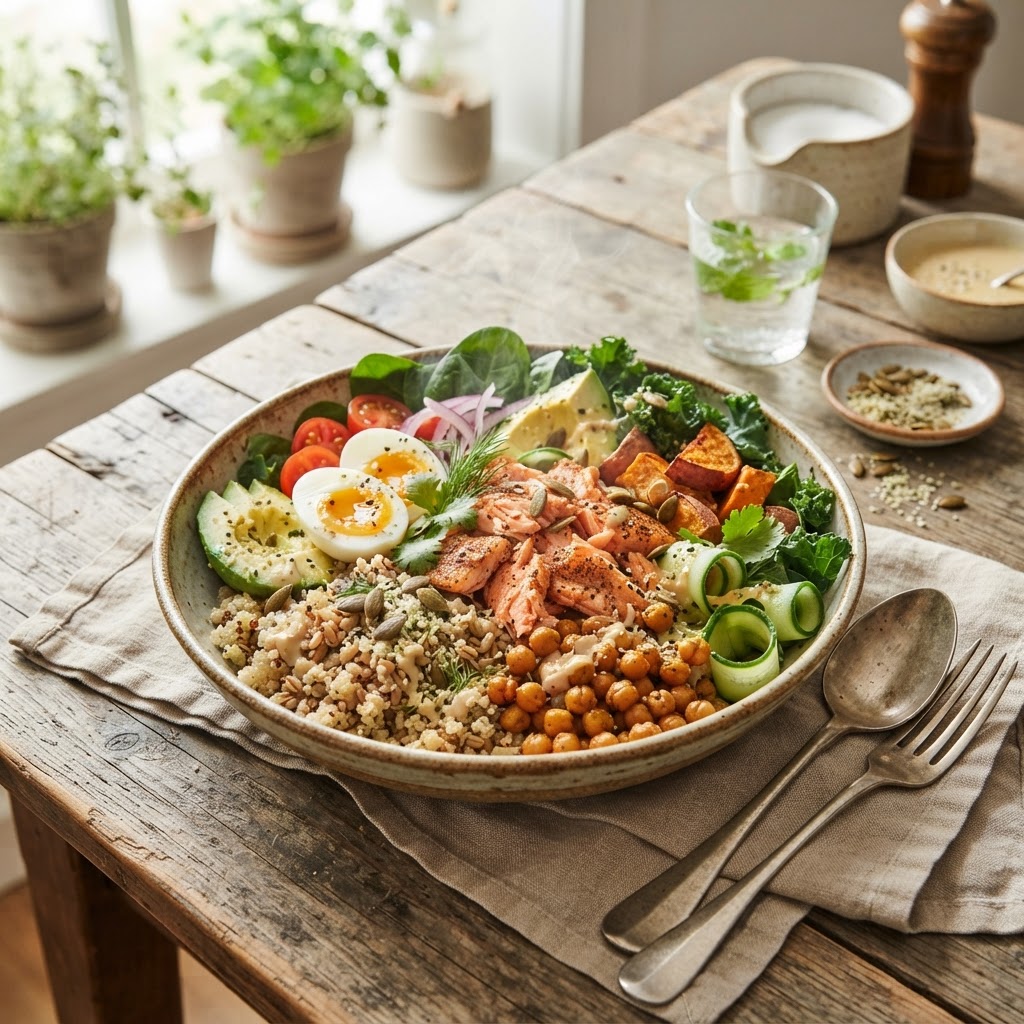
The Healthy Home Cook’s Guide to "Protein-Power Bowls": Mastering Grain-to-Green Ratios for Sustained Energy and Balanced Micronutrition
In the modern landscape of home cooking, the concept of the "Protein-Power Bowl" has transcended its status as a fleeting fitness trend to become a fundamental pillar of sustainable, day-to-day nourishment. As a chef, I have watched the evolution of these bowls from simple salads into complex, symphony-like compositions that bridge the gap between satiety and performance. The beauty of the power bowl lies not in rigid adherence to a recipe, but in the intuitive mastery of ratios that balance macro and micronutrients. When you approach your kitchen with an understanding of how grains, greens, proteins, and fats interact, you transform your evening meal from a chore into a high-octane replenishment strategy.
The secret to a truly transformative power bowl is found in the architectural integrity of the build, specifically the harmony between the grain base and the leafy foundations. Many home cooks struggle with soggy greens or bland, textureless grains, often because they lack a systematic approach to seasoning and temperature control. By treating every element—from the al dente bite of a well-cooked quinoa to the massaged tenderness of curly kale—as a distinct culinary project, you ensure that every mouthful is as delicious as it is functional. This guide is designed to strip away the guesswork and provide you with a chef-tested framework for building bowls that provide sustained energy throughout the day.
We are moving away from the "everything but the kitchen sink" mentality, which often results in disjointed flavor profiles and digestive sluggishness. Instead, we are embracing the philosophy of intentionality, where every component serves a specific purpose, whether it is providing complex carbohydrates for endurance, high-quality amino acids for recovery, or a spectrum of phytonutrients for cellular repair. As we dive into the logistics of grain-to-green ratios and protein optimization, I want you to remember that your kitchen is a laboratory of health. When you control the heat, the timing, and the seasoning, you regain agency over your physical well-being. Let us refine your culinary workflow and start building bowls that fuel your best self.
The Anatomy of a Power Bowl: Mastering the Foundation
The architecture of a perfect power bowl begins with a clear understanding of the Golden Ratio. For most active individuals, a balanced bowl consists of 25% complex carbohydrates (the grains), 50% fibrous vegetables (the greens and roughage), and 25% lean protein. This ratio is not merely for aesthetic balance; it is a metabolic necessity designed to regulate insulin response and keep your blood sugar stable for hours. When we stray too far from this ratio—usually by over-indexing on refined grains—we experience the dreaded "post-lunch slump," a result of rapid glucose spikes and subsequent crashes.
The Science of the Grain Base
To master the base, you must treat your grains with the respect of a pastry chef. Whether you are using quinoa, farro, wild rice, or buckwheat, the goal is a distinct, chewy texture that provides a satisfying mouthfeel. I always recommend rinsing your grains thoroughly before cooking to remove the natural saponins or excess starch that can lead to a gummy finish. For quinoa, the ratio is typically 1:2 (grain to water), simmered at a low heat for exactly 15 minutes, followed by a five-minute rest off the heat with the lid on. This steaming period is the chef’s secret for perfectly fluffy grains that do not clump together.
The Green Foundation: Beyond the Iceberg
Once your grains are prepped, your greens provide the essential volume and micronutrient density. I am a firm advocate for massaging your hearty greens, such as kale or collards, with a touch of sea salt and lemon juice before adding them to the bowl. This technique physically breaks down the tough cellulose structures, making the leaves easier to digest and significantly more palatable. By incorporating a mix of raw, crunchy greens and lightly wilted greens, you create a dynamic contrast that keeps your palate engaged until the very last bite.
"A power bowl is not a salad that lost its way; it is a calculated, nutrient-dense masterpiece that honors the relationship between the fuel we eat and the lives we lead."
Protein Selection: The Engine of Recovery
Protein is the cornerstone of satiety, and selecting the right source for your power bowl requires a balance of bioavailability and texture. In a professional kitchen, we look for proteins that can hold their own against bold dressings and acidic accompaniments. Whether you choose pan-seared wild salmon, slow-braised lentils, organic chicken breast, or firm pressed tofu, the key is to avoid overcooking. Dry, rubbery protein is the single fastest way to ruin a bowl, rendering the entire meal unappealing regardless of how vibrant your vegetables look.
Mastering Temperature and Texture
If you are cooking animal protein, always ensure it is patted completely dry before hitting the pan to achieve a proper Maillard reaction. A good sear not only adds flavor depth but also ensures that the protein remains succulent on the inside while providing a crispy exterior that contrasts beautifully with soft grains. For plant-based proteins like chickpeas or tempeh, I suggest roasting them at 400°F (205°C) with a light coating of avocado oil and smoked paprika. This creates a nutty, crunchy component that acts as a bridge between the soft grains and the fresh greens.
Timing Your Preparation
One of the most efficient ways to ensure your protein-power bowls are ready on a weeknight is to implement batch-protein prep. Roast two or three pounds of chicken or chickpeas at the start of the week, cool them rapidly in an ice bath if necessary, and store them in airtight glass containers. When it comes time to build your bowl, you can serve the protein cold, at room temperature, or quickly reheat it in a pan with a splash of broth. Never rely on the microwave for your proteins, as it consistently leads to uneven heating and a loss of moisture.
The Art of the Sauce: Emulsification and Balance
The sauce is where the "Power Bowl" truly comes alive. It is the connective tissue that binds disparate ingredients into a cohesive meal. Most home cooks make the mistake of using store-bought dressings that are loaded with refined sugars and inflammatory seed oils. Instead, I teach the 3:1 Emulsion Method: three parts high-quality fat (like cold-pressed extra virgin olive oil, tahini, or avocado oil) to one part acid (apple cider vinegar, fresh lemon juice, or rice vinegar), rounded out by aromatics like minced garlic, ginger, or fresh herbs.
The Creamy Factor
A great bowl needs a element of creaminess to act as a lubricant for the fibrous greens and hearty grains. Instead of relying on dairy-based dressings, I encourage you to master a tahini-based sauce. Tahini is a nutrient powerhouse, providing healthy fats and calcium. By whisking tahini with warm water, a dash of maple syrup for balance, and freshly squeezed lemon, you create a velvety, nutty dressing that complements almost every grain-and-green combination imaginable. The heat of the water helps to thin the tahini properly, ensuring a perfectly emulsified consistency that coats ingredients rather than pooling at the bottom of the bowl.
Balancing the Profiles
When building your sauce, consider the flavor bridge. If you are using earthy grains like farro, pair them with a dressing that has a bright, acidic edge to cut through the density. If you are building a bowl centered around spicy ingredients, a cooling, herb-heavy yogurt or coconut-based sauce will act as a palate cleanser. Always taste your sauce before it hits the bowl—if it feels too sharp, add a tiny bit of raw honey; if it feels flat, add a pinch of sea salt or a dash of acid. The sauce should be the final touch of harmony that elevates the base components.
"Texture is just as important as taste. When you pair a crunchy grain, a tender green, and a creamy dressing, you activate the sensory experience that signals to your brain that you are truly satisfied."
Micronutrient Density: The "Topping" Strategy
We often think of toppings as mere garnishes, but in the world of functional nutrition, they are the micronutrient injectors. This is where you can add significant value to your bowl without adding significant volume. Think of your toppings as your opportunity to introduce different textures—the "crunch factor"—while also boosting the antioxidant, vitamin, and mineral content of your meal. High-quality toppings turn a standard lunch into a culinary experience.
The Hierarchy of Toppings
I suggest organizing your toppings into three distinct categories:
Building Complexity through Variety
The goal is to include at least one element from each of these three categories in every bowl. It creates a layered experience where each bite offers something slightly different—a salty crunch here, a sour tang there. When you get into the habit of rotating these toppings, you prevent "palate fatigue," which is the primary reason people get bored with healthy eating. Remember, the eyes eat first, so use these toppings to create a vibrant visual contrast that makes the bowl look as good as it tastes.
Practical Logistics: The Weekly "Power-Prep" System
Consistency is the enemy of the home cook, but with a refined Power-Prep System, you can minimize time in the kitchen while maximizing your culinary output. The trick is to avoid prepping entire meals, which leads to soggy leftovers. Instead, focus on prepping the foundational building blocks. By preparing your grains, your proteins, your sauces, and your greens separately, you maintain the structural integrity of the meal and allow yourself the flexibility to change your flavor profiles day-to-day.
The Prep Schedule
Sunday Session (90 minutes):*
* Cook a large batch of grains (e.g., three cups of quinoa or farro).
* Roast two varieties of vegetables (e.g., sweet potatoes and broccoli).
* Whisk a large jar of your signature dressing.
* Clean and chop your hearty greens, keeping them in a container with a paper towel to absorb excess moisture.
Daily Assembly (5 minutes):*
* Grab a handful of greens.
* Scoop in your pre-cooked grains and roasted veggies.
* Add your chosen protein.
* Top with your crunch factors and drizzle with your sauce.
Storing for Success
Invest in quality, air-tight glass containers. Plastic tends to hold onto odors, which can compromise the clean, fresh flavors of your bowl components. Keep your greens in the crisper drawer and your grains and proteins in the main fridge compartments. When you are ready to assemble, do not put your dressing on until the very last second. This is the cardinal rule of bowl construction. If you dress your greens ahead of time, they will wilt into a mushy heap by the time you reach your lunch break.
Troubleshooting Common Bowl Failures
Even the most experienced home cooks run into trouble when building bowls. If you find your meals consistently disappointing, it usually stems from one of three common errors: lack of seasoning, lack of texture, or improper storage. Let’s break down how to fix these so you can keep your momentum high and your appetite satisfied.
Addressing the "Bland Bowl"
If your bowl feels uninspired, you are likely failing to season at each step of the process. I see many cooks add salt only at the end. You must salt your grains while they cook (use a pinch in the water), season your vegetables as they roast (don't forget black pepper and perhaps a touch of cumin), and balance your dressings to be slightly more acidic than you think you need. A lack of seasoning is almost always a lack of acid or salt. If it feels boring, try adding a squeeze of fresh lemon juice or a dash of high-quality sea salt.
Dealing with Texture Issues
If your bowl is too mushy, you are overcooking your grains or over-dressing your greens. To fix the mushiness, try switching from brown rice (which can get clumpy) to something with more structure like farro or buckwheat. If your bowl is too dry, you likely haven't added enough healthy fat. Incorporate a quarter of an avocado or a dollop of tahini. The fat doesn't just add calories; it adds a luxurious mouthfeel that makes the food feel substantial and fulfilling.
The "Soggy Green" Syndrome
If your greens are constantly turning into a puddle of moisture, ensure that your grains and proteins have cooled down significantly before adding them to the bed of greens. Adding piping hot food to raw spinach or arugula will cause immediate wilting. Cool your components to room temperature before assembly. This simple step preserves the integrity of your greens and keeps your bowl fresh for hours, whether you are packing it for work or enjoying it at your kitchen island.
"The most important tool in your kitchen is not a fancy knife or a high-end blender; it is your awareness. Be present while you prep, taste your ingredients, and trust your palate to tell you what the bowl needs."
Final Thoughts
The "Protein-Power Bowl" is more than just a convenient meal; it is a declaration of self-care. By mastering the ratios of grains, greens, and proteins, you are doing more than just feeding yourself—you are building a internal environment that supports sustained energy, mental clarity, and long-term vitality. Remember that perfection is not the goal; consistency is. You don't need a perfectly curated bowl every single day to reap the benefits of healthy eating. Start by mastering one grain, one protein, and one signature sauce, and watch how quickly your confidence grows.
As you continue your culinary journey, remember to stay curious. Swap out your grains, experiment with seasonal vegetables, and don't be afraid to take risks with your flavor profiles. The beauty of this format is its inherent flexibility. When you take the time to prepare your food with intention, the results will always be superior to anything you could find in a takeout container. Embrace the process, respect the ingredients, and take pride in the fact that you are the master of your own nutrition.
Finally, keep in mind that "Blame The Chef" is a reminder that even when things go wrong in the kitchen, the experience is part of the learning. If a grain is a little too firm or a dressing is a little too sharp, adjust, learn, and try again. Cooking is a lifelong practice, and your power bowl is simply the canvas upon which you paint your health. Keep your kitchen stocked, your techniques sharp, and your appetite adventurous. You have all the tools you need to succeed, and with this foundational knowledge, there is no limit to the delicious, energy-packed meals you can create. Happy cooking, and here is to your next great, balanced bowl.
---
Appendix: The Chef’s Quick Reference Cheat Sheet
For those moments when you need a quick reminder, refer to this guide to ensure your ratios remain consistent:
Grains (1 cup cooked):* Quinoa, Farro, Wild Rice, Millet, or Buckwheat.
Greens (2-3 cups raw):* Kale, Arugula, Spinach, or Swiss Chard.
Protein (4-6 oz cooked):* Salmon, Chicken, Tempeh, Chickpeas, or Lentils.
Healthy Fats (1-2 tbsp):* Avocado, Hemp seeds, Tahini, or Walnut oil.
Acid (1-2 tsp):* Apple cider vinegar, Lemon juice, or Balsamic vinegar.
The Golden Rule:* Always season your components separately before assembly to ensure a depth of flavor that carries through the entire bowl.
By following these fundamental guidelines, you are setting yourself up for success in every meal you prepare. Your body will thank you for the steady energy, and your taste buds will thank you for the layers of flavor. Keep pushing the boundaries of your home cooking, and remember that the best meals are the ones that fuel your journey with joy and precision. This approach to "Protein-Power Bowls" is just the beginning of your journey into the world of nutrient-dense, chef-inspired home cooking. Continue to prioritize these foundational techniques, and you will find that your energy levels and overall culinary satisfaction will reach new heights.
Get the Next Recipe
Weekly recipes, techniques, and gear picks — straight to your inbox.
