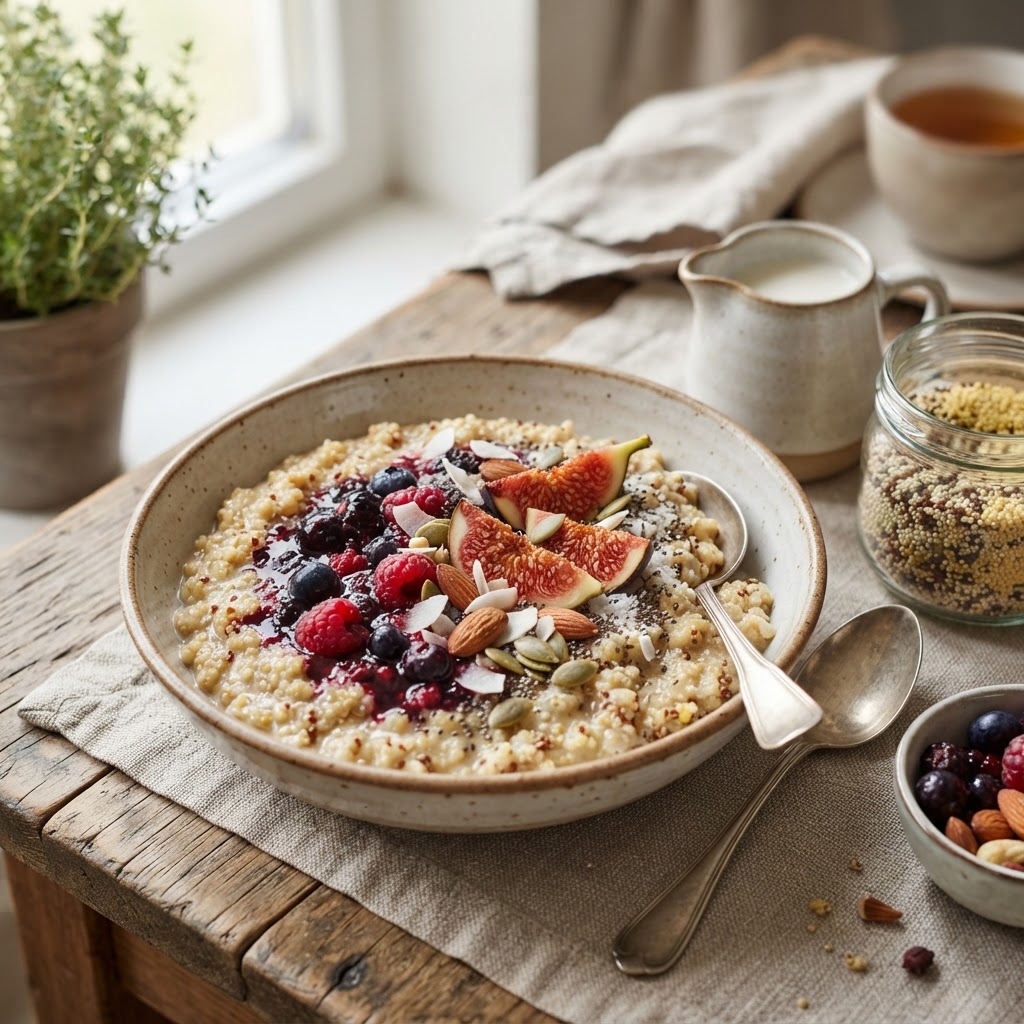
The Healthy Home Cook’s Guide to "Pseudocereal Porridge": Mastering Grain-to-Liquid Ratios for Fiber-Rich, Sustained-Energy Breakfasts
There is a pervasive myth in the modern culinary landscape that a truly satisfying breakfast requires hours of active labor or a pantry stocked with overly processed, sugar-laden cereals. As a home cook, you have likely stood in your kitchen, staring at a bag of ancient grains, wondering why your attempts at a morning porridge often veer into the territory of either crunchy, undercooked grit or a gummy, flavorless paste. The secret to transforming these humble ingredients into a breakfast that provides sustained energy and profound satisfaction lies in understanding the science of the pseudocereal. By mastering the delicate balance of hydration and heat, you move beyond mere sustenance and into the realm of true morning nourishment that fuels your day without the dreaded mid-morning blood sugar crash.
The world of pseudocereals—which includes nutritional powerhouses like quinoa, buckwheat, and amaranth—offers a sophisticated alternative to traditional wheat or oats. Unlike true grasses, these seeds provide a complete amino acid profile, high mineral content, and a fiber-rich structure that slows digestion, effectively keeping you satisfied until your midday meal. When we approach these grains with the precision of a professional chef, we unlock textures that range from the delightful, subtle pop of a quinoa grain to the creamy, comforting silkiness of a well-cooked buckwheat porridge. It is not about simply dumping ingredients into a pot and hoping for the best; it is about respecting the structural integrity of the seed through proper temperature control and calculated liquid absorption.
Welcome to "Blame The Chef," where we take the guesswork out of your culinary endeavors and replace it with technique-driven confidence. In this comprehensive guide, we are going to dissect the art of the morning porridge, focusing on the fundamental grain-to-liquid ratios that dictate the success or failure of your breakfast. We will explore how to toast your grains for depth of flavor, how to incorporate healthy fats and proteins to stabilize your energy levels, and how to troubleshoot the common pitfalls that keep your porridge from reaching its full potential. Put down the box of instant oats, clear your counters, and prepare to elevate your morning routine with a bowl of pseudocereal goodness that tastes like a luxury while serving the fundamental needs of your body.
The Architecture of the Pseudocereal
To understand why your porridge might be failing, you must first understand the structural composition of your chosen grain. Pseudocereals are not actually cereals; they are the seeds of broadleaf plants, which means they possess a dense outer bran layer and a nutrient-dense germ. This structural complexity is exactly why they are so healthy, but it is also why they require a more nuanced approach than the simple, thin-walled grains we are accustomed to in traditional baking or cereal production. The key to a perfect porridge is allowing the liquid to penetrate this outer shell without causing the inner starch to break down into a sticky, unpalatable slurry.
Understanding Fiber Density
The fiber density found in grains like amaranth or buckwheat is superior to refined grains, but it acts as a barrier to hydration. When you cook these seeds, you are essentially asking water to permeate a tough, protective husk. If your water temperature is too low at the start, or if your ratio of liquid to grain is off, the grain will stay hard in the center while becoming mushy on the outside. Achieving that "al dente" softness is the hallmark of a skilled cook, and it starts with the initial boil. Always bring your liquid—be it water, almond milk, or coconut milk—to a vigorous simmer before adding your grains, as this shock of heat helps to open the porous structure of the seed immediately upon contact.
The Role of Starch Release
Every pseudocereal has a specific starch profile. Quinoa is relatively neutral, buckwheat has a high concentration of mucilaginous starches that can make it creamy, and amaranth is tiny and prone to becoming quite gelatinous. Knowing these characteristics allows you to adjust your cooking method accordingly. For a lighter, more textured porridge, you want to rinse the grains thoroughly under cold water to remove the saponins—the natural bitter coating that protects the seed in nature. If you find your porridge is too thick, do not simply add more liquid; instead, understand that you may need to reduce your simmering time by three to five minutes to preserve the internal bite of the starch.
"A well-executed porridge is not merely boiled grains; it is a carefully managed hydration process that balances the structural integrity of the seed with the extraction of flavor and creaminess."
The Science of Toasting and Flavor Development
Before a single drop of liquid touches your pan, you have the opportunity to transform the flavor profile of your breakfast from flat to complex. This is the stage where the "Chef" approach truly separates itself from the "Home Cook" approach. Dry-toasting your grains in a heavy-bottomed skillet or saucepan before adding your liquid activates the volatile oils within the seed, creating a nutty, toasted aroma that permeates the entire dish. This simple, two-minute step is the difference between a bowl that feels like health food and a bowl that feels like a culinary experience.
How to Properly Toast
Place your grains in a dry, stainless steel or cast-iron pan over medium heat. Do not walk away! You are looking for a slight darkening of color and, more importantly, a fragrant, toasted scent. Shake the pan frequently to ensure even heat distribution. If you smell even a hint of burning, move the pan off the heat immediately. This Maillard-like reaction (though technically different for seeds) adds a layer of depth that masks the earthy, sometimes grassy notes of raw buckwheat or quinoa, making the final porridge significantly more palatable for those who are sensitive to "health food" flavors.
Managing Residual Heat
Once toasted, the grains will be extremely hot. If you immediately pour room-temperature liquid into the pan, you will experience a violent sputter. This is normal, but be careful. Using a hot liquid to deglaze the pan—essentially starting the cooking process immediately—is the professional way to ensure even hydration. By keeping your liquid source warm on a back burner, you maintain the momentum of the cooking process. A sudden drop in temperature can cause the grains to "seize," leading to uneven textures that no amount of extra simmering will correct.
Mastering the Ratios: The Golden Rules
The biggest mistake most home cooks make is using a "one size fits all" approach to ratios. While the package might suggest a 2:1 ratio for rice, pseudocereals behave quite differently. Because you want a porridge—which is meant to be a comforting, porridge-like consistency rather than a dry side dish—you need to lean toward a higher liquid ratio. A standard starting point for a creamy pseudocereal porridge is a 3:1 ratio of liquid to grain. However, depending on your preferred texture, you might need to push this to 3.5:1 or even 4:1 for a more loose, soup-like breakfast.
The 3:1 Method
For a standard, hearty porridge using quinoa, start with one cup of grains to three cups of liquid. This ratio allows the grains to absorb the liquid while leaving enough in the pan to create a slightly silky, sauce-like finish. If you prefer your porridge thicker, stick to the 3:1 ratio and cook it uncovered for the last five minutes of the process. If you want a porridge that is more spoonable and comforting, use the 3.5:1 ratio and cover the pot tightly for the duration of the simmer, trapping the steam to soften the grains from the outside in.
Ingredient Ratios for Success
Quinoa:* 1 cup grain to 3 cups liquid (perfect for a light, chewy porridge).
Buckwheat (Kasha):* 1 cup grain to 3.5 cups liquid (best for a creamier, denser bowl).
Amaranth:* 1 cup grain to 4 cups liquid (requires more water due to its small size and high starch content).
Millet:* 1 cup grain to 3 cups liquid (creates a fluffy, polenta-like texture).
Always measure your grains and liquid precisely. In professional kitchens, we use a digital scale because even a half-cup difference in liquid can drastically alter the final product. If you do not have a scale, use the same measuring cup for both the grain and the liquid to ensure the relative ratio remains consistent.
Techniques for Creaminess Without Dairy
You do not need heavy cream or butter to achieve a decadent, creamy porridge. In fact, many of the best porridge-making techniques rely on the natural properties of the pseudocereals themselves. Emulsification is the secret. When you stir your porridge during the final minutes of cooking, you are physically breaking down some of the outer starch granules, which releases a natural creaminess into the surrounding liquid. This process, often used in making Italian risotto, is equally effective in the world of breakfast porridges.
The Stirring Technique
Avoid stirring your porridge at the beginning, as this can encourage the grains to break apart before they have properly hydrated. However, once the grains have absorbed about two-thirds of the liquid, start stirring in circular motions with a wooden spoon. This mechanical agitation creates a creamy suspension that coats the grains, giving the dish a luxurious mouthfeel. If the mixture looks too thick at this stage, add a splash of warm water or unsweetened plant-based milk to loosen it up. This is your chance to "build" the sauce, so take your time.
The Final Emulsion
Once the grains are tender but still have a bit of texture, remove the pot from the heat. This is the moment to add your healthy fats. A tablespoon of almond butter, coconut cream, or cold-pressed flax oil added at the very end of the process will emulsify into the porridge, creating a silky texture that feels decadent while remaining completely plant-based. These fats also help slow down the absorption of carbohydrates, ensuring that you receive a steady, sustained release of energy throughout the morning.
"True creaminess is not found in a carton of heavy cream, but in the patient, methodical manipulation of grain starches and the clever incorporation of natural fats."
Balancing Flavor Profiles: Add-ins and Toppings
A healthy porridge can quickly become boring if it is just a plain, unseasoned bowl of grain. The beauty of pseudocereals is their mild flavor profile, which acts as a blank canvas for both sweet and savory applications. To maximize the health benefits, focus on adding ingredients that provide antioxidants, healthy fats, and additional protein. Think of your porridge as a nutrient delivery system.
Savory vs. Sweet
Many people are surprised to learn that buckwheat and quinoa make excellent savory breakfasts. Try topping your porridge with a soft-poached egg, a drizzle of high-quality olive oil, toasted pumpkin seeds, and a pinch of sea salt. The earthiness of the buckwheat pairs perfectly with the richness of a runny yolk. If you prefer the sweet route, skip the refined white sugar and opt for natural sweeteners like fresh berries, a teaspoon of raw honey, or a dusting of cinnamon, which has been shown to assist in blood sugar regulation.
Texture Contrast
The most common complaint about porridge is that it is "too soft." You can fix this easily by introducing crunchy elements right before serving. Toasted walnuts, cacao nibs, hemp hearts, or chia seeds provide that essential crunch that breaks up the monotony of the soft grain. Adding these at the very end ensures they remain crunchy rather than becoming soggy. Remember, a successful meal hits all the sensory notes: temperature, flavor, and texture. By layering your toppings, you turn a simple bowl of porridge into a sophisticated culinary creation.
Troubleshooting the Common Porridge Failures
Even with the best intentions, things can go wrong. Perhaps the porridge is too salty, or maybe it has turned into a gluey mess. As a home cook, it is important to know how to pivot. If your porridge is too thick, do not worry; simply add more hot liquid—either water or a plant-based milk—and stir vigorously over low heat to re-emulsify the mixture. If it is too thin, keep the pot over medium-low heat and continue stirring; the steam will naturally reduce the excess moisture, and the stirring will help thicken the consistency.
When Things Go Wrong
The Gluey Texture:* This usually happens when you stir too much during the initial cooking phase or use too much liquid for too long. If this happens, try adding a handful of toasted, dry grains or nuts to introduce some texture back into the bowl.
The Bitter Aftertaste:* If you didn't rinse your quinoa well enough, the saponins might be present. Unfortunately, there is no easy fix once it is cooked. In the future, invest in a fine-mesh strainer and rinse your grains until the water runs clear.
The Burnt Bottom:* Never scrub a burnt pot! If you scorched the bottom, immediately remove the pan from the heat and transfer the un-burnt portion of the porridge to a clean pot. Do not try to stir the bottom layer in; the bitter, burnt flavor will ruin the entire batch.
Precision Timing
Temperature control is your best friend. A gas flame provides immediate heat adjustment, but electric stoves take time to cool down. If you are using an electric range, have a second, cool burner ready to move the pot to once the cooking time is up. This prevents the carry-over heat from turning your perfect "al dente" grains into mush while you are busy plating or preparing your toppings.
Final Thoughts
Mastering the art of the pseudocereal porridge is an exercise in mindfulness. By paying attention to the hydration process, the temperature of your liquid, and the mechanical agitation of the grains, you are doing more than just making breakfast; you are engaging in a practice that honors the ingredients and your own health. It is a slow, rhythmic process that stands in direct opposition to the frantic pace of our modern mornings. When you commit to a bowl of grain-to-liquid-perfected porridge, you are choosing to start your day with intention, fueling your body with complex nutrients that will support your focus, your energy, and your overall well-being.
As you become more comfortable with these ratios and techniques, I encourage you to experiment. Try blending your grains—a mix of quinoa and amaranth offers a wonderful complexity of texture—or play with the base liquids you use. Coconut milk provides a rich, tropical base, while a simple homemade nut milk offers a cleaner, more delicate backdrop. The kitchen is your laboratory, and the bowl of porridge is your most reliable canvas. Do not be afraid to fail, and certainly do not be afraid to blame the chef when a batch doesn't turn out quite right; it is simply part of the journey toward becoming a master of your own culinary domain.
Remember that the ultimate goal here is sustainability—not just for the planet, but for your lifestyle. By moving away from the convenience of processed foods and toward the foundational, honest preparation of whole, fiber-rich grains, you are building a habit that will serve you for years to come. The effort you put into these first ten minutes of your day pays dividends in the hours that follow. Keep your pantry stocked, keep your ratios written down, and continue to find the joy in the simplicity of a perfectly crafted, nourishing breakfast. Enjoy the process, enjoy the texture, and most importantly, enjoy the energy that follows a meal prepared with such care and attention. Your body will thank you for it, one balanced, fiber-filled bite at a time.


Get the Next Recipe
Weekly recipes, techniques, and gear picks — straight to your inbox.
