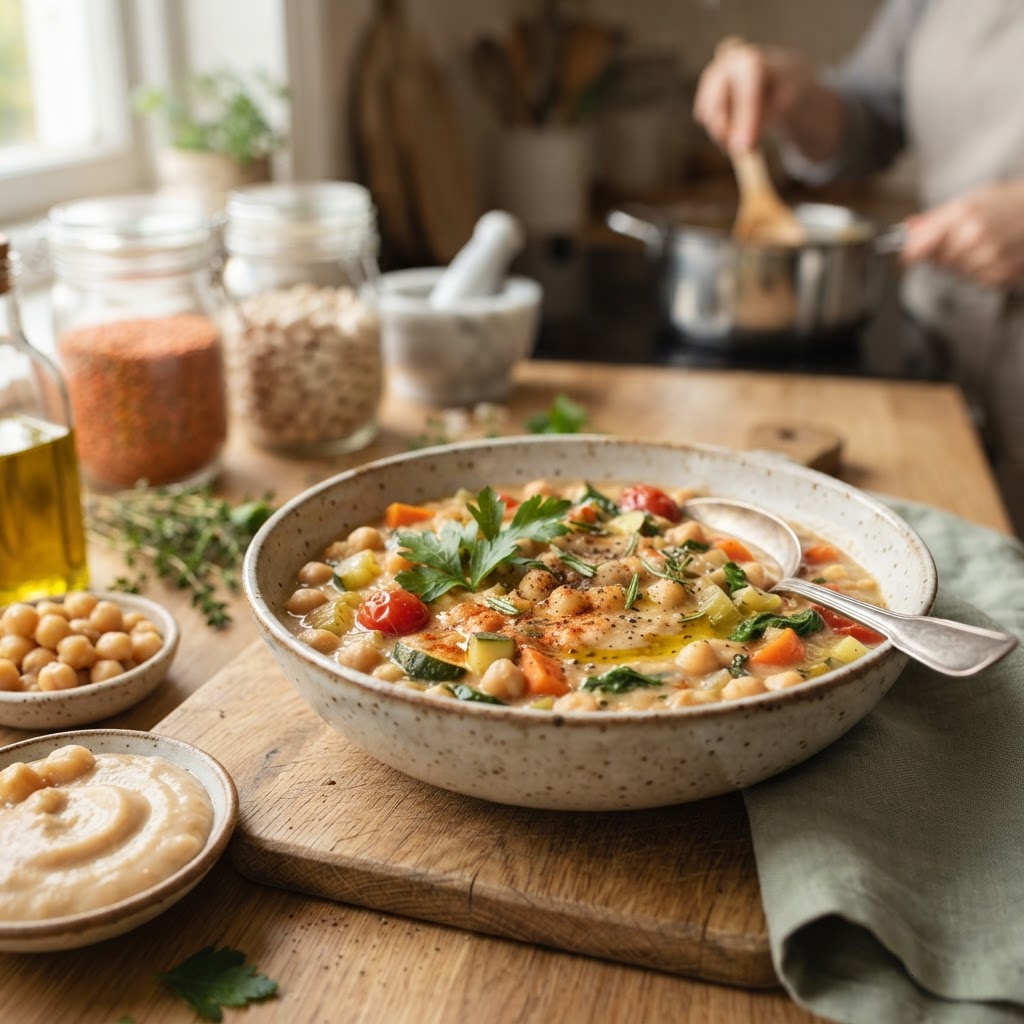
The Healthy Home Cook’s Guide to "Pulse-Based Thickeners": Mastering Bean-to-Puree Ratios for Creamy, Fiber-Rich Sauces and Stews
We have all been there, standing over a simmering pot of vegetable stew or a bubbling batch of tomato sauce, wishing for that luxurious, restaurant-quality body that somehow always eludes the home cook. Traditional kitchen wisdom often points toward heavy cream, butter-mounted roux, or cornstarch slurries to achieve that coveted viscosity. While those methods certainly have their place in classical French cuisine, they often strip a dish of its nutritional integrity, replacing complex textures with empty calories and heavy fats. By shifting our focus toward the humble pantry staple—the bean—we can unlock a secret weapon that is as nutritious as it is effective. Pulse-based thickening is not merely a modern health hack; it is an ancient technique that marries the science of starches with the fiber-packed goodness of legumes.
When we talk about pulses—chickpeas, lentils, black beans, and white navy beans—we are talking about nature’s most efficient thickening agents. Unlike wheat flour, which requires a specific fat-to-protein ratio to avoid clumping, or cream, which can split under high heat, pulse purees provide a stable, emulsifying backbone to soups, gravies, and stews. They absorb liquid, hold onto seasonings, and create a velvety mouthfeel that mimics full-fat dairy without the saturated fat content. Learning to master the bean-to-puree ratio is the hallmark of the intuitive home cook, allowing you to build depth of flavor while simultaneously boosting the protein and fiber content of every meal you serve. This transition from "thickener-as-additive" to "thickener-as-ingredient" marks a significant evolution in your culinary repertoire.
In this guide, we are going to strip away the mystery surrounding these plant-based powerhouses. We will explore the specific starch compositions that make white beans different from lentils, the temperature thresholds required for proper integration, and the mechanical processes needed to achieve that glass-smooth texture. You will learn how to adjust your ratios based on whether you are crafting a light, summer gazpacho or a hearty, winter cassoulet. By the end of this journey, you will no longer blame your lack of fancy kitchen equipment or high-fat ingredients for your thin, watery soups. Instead, you will be wielding the power of the pulse to craft restaurant-grade meals that nourish your body while satisfying your deepest comfort-food cravings.
The Science of Starch: Why Pulses Work
At the molecular level, thickening is all about gelatinization. When you heat starches in liquid, the granules absorb water and swell, eventually bursting and releasing their internal structure into the surrounding fluid. Most legumes are packed with amylose and amylopectin, two types of polysaccharides that, when pureed and incorporated into a liquid, create a thick, stable matrix. This is fundamentally different from using a cornstarch slurry, which provides a glossy, thin sheen but lacks the structural integrity that fiber provides. Pulses are unique because they carry both the carbohydrate content required for thickness and the protein content required for body and richness.
When you blend a cooked pulse into a puree, you are effectively breaking down the cell walls that lock those starches away. By introducing this puree into a hot base, you allow those granules to rehydrate and thicken the medium. This process is highly stable, meaning that unlike flour-based roux, your pulse-thickened sauce will not break or thin out as it cools. This makes it an ideal choice for meal prepping, as your stews and soups will retain their integrity even after being reheated for a quick lunch three days later.
Choosing the Right Pulse for Your Base
Not all beans are created equal when it comes to the kitchen chemistry of thickening. You must select your legume based on the desired final texture and flavor profile of the dish you are preparing. For neutral, creamy sauces, the Cannellini or Great Northern bean is your best friend. These beans are naturally high in starch and have a thin skin, which leads to a remarkably smooth puree that disappears into a dish, leaving only a velvety texture behind.
Cannellini/Great Northern:* Ideal for white sauces, cream soups, and light stews.
Red Lentils:* Perfect for thick, rustic soups; they disintegrate almost entirely when cooked long enough, creating a naturally dense body.
Chickpeas (Garbanzo beans):* Best for heartier, rustic dishes where a slightly nutty flavor is desired.
Black/Kidney Beans:* Best for chilis and spicy, dark sauces where a heavier, more pronounced texture is needed.
"The magic of the pulse is not just in its ability to thicken, but in its ability to carry flavor. By pureeing beans into your liquid base, you create a sponge-like texture that clings to herbs, spices, and aromatics, ensuring that every bite is as flavorful as the last."
Establishing the Master Ratio: The 1:4 Rule
When you are first starting out with pulse-based thickening, it is best to follow the 1:4 ratio rule. For every four parts of total liquid in your recipe, you should aim to incorporate one part pureed pulses. This ratio provides a reliable starting point that creates a medium-thickness, coat-the-back-of-a-spoon consistency. As you become more confident in your technique, you can adjust this ratio up or down depending on the thickness of your specific dish.
If you are aiming for a classic velouté-style sauce, you might increase your puree concentration to a 1:3 ratio. Conversely, if you are making a light vegetable consommé where you only want a hint of body, you can drop your ratio to 1:6. Remember that the consistency will also change based on the amount of aromatics you have in the pot—onions, carrots, and celery add their own bulk, which will interact with your pulse puree to further solidify the mixture.
The Mechanical Process of Pureeing
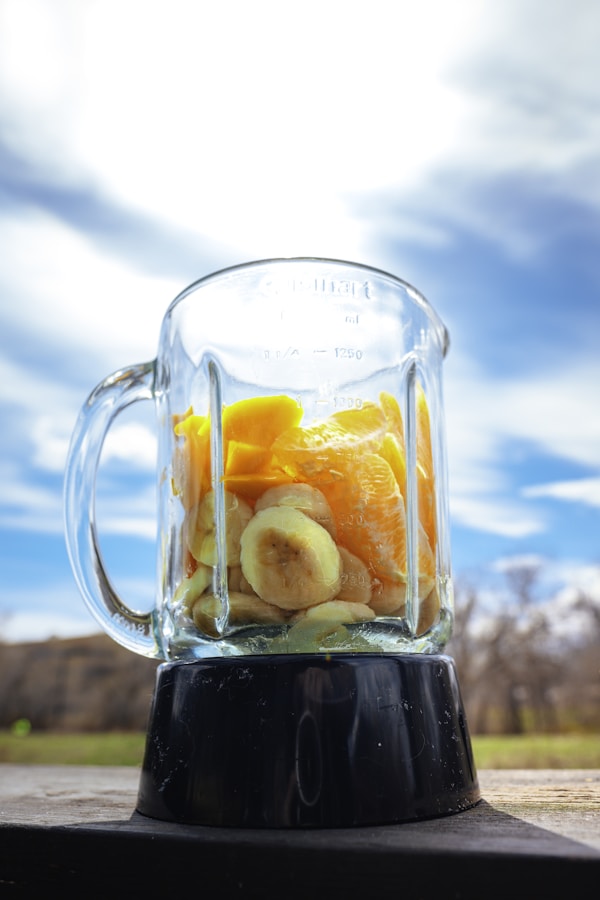
The tools you use are just as important as the ratio itself. To achieve a professional, silk-like finish, a standard blender is significantly superior to a hand-held immersion blender. While an immersion blender is convenient, it often leaves behind tiny, fibrous bits of bean skin that can make a sauce feel "grainy" rather than "creamy." To get that luxurious mouthfeel, follow these steps:
Temperature Control and Integration Techniques
Temperature is the invisible hand that guides your success when working with pulse thickeners. Adding a cold, thick puree to a boiling liquid will often lead to unsightly "streaking" or lumps, where the temperature shock causes the starches to lock up before they have time to disperse evenly. To avoid this, you must temper your puree. This involves taking a ladle of your hot cooking liquid and whisking it into your bowl of puree before adding the entire mixture back into the main pot.
Think of this process like making a hollandaise or tempering eggs for a custard. By slowly bringing the temperature of the cold, dense puree up to match the temperature of the bubbling stew, you ensure a seamless emulsification. Once you have successfully tempered the mixture, add it back to your pot in a slow, steady stream while whisking continuously. Maintain the heat at a low simmer for at least five minutes after integration. This final simmer ensures that the starches in the beans fully gelatinize, locking in your desired texture and flavor profile.
Avoiding Common Pitfalls
Even the most experienced home cooks can stumble when integrating legumes into a liquid base. The most common mistake is failing to account for the salt content of the beans. Because beans are often cooked or canned with a significant amount of salt, you must always season your stew after the puree has been added. If you salt your base heavily at the start, you run the risk of an overly aggressive, salty final dish.
Under-blending:* If the sauce feels chunky, it is because the beans haven't been broken down enough. Add a bit more liquid and blend for an extra 60 seconds.
Over-thickening:* If you accidentally make the sauce too thick, simply add a splash of vegetable stock or water, stirring until you reach the desired consistency.
Heat-shocking:* Always add your puree at the very end of the cooking process to maintain maximum flavor and texture.
Elevating Flavor Profiles with Infused Purees
Now that you have mastered the technical aspect of thickening, it is time to think about the flavor potential of your pulse puree. Instead of blending your beans with plain water or broth, consider blending them with roasted garlic, fresh herbs, or citrus zest. By turning your thickener into a flavor vehicle, you are adding depth to your dish while simultaneously providing that satisfying thickness.
Consider a roasted tomato soup. Instead of thickening with a roux, try pureeing Cannellini beans with roasted garlic and fresh basil. When this mixture is added to your tomato base, it doesn't just thicken the soup; it infuses every single spoonful with the savory, aromatic qualities of the roasted garlic and fresh herbs. This technique turns your thickener from a hidden addition into a star ingredient.
Advanced Seasoning Strategies
When choosing seasonings for your puree, focus on ingredients that harmonize with the earthiness of the beans. Acidic elements like lemon juice or balsamic vinegar work wonders to "brighten" a pulse-based sauce, cutting through the density and ensuring the dish doesn't feel heavy or flat.
"Do not be afraid to experiment with your purees. A small handful of sun-dried tomatoes or a tablespoon of pesto blended into your base can completely transform a simple, humble bean puree into a complex, multi-layered sauce base that tastes like it has been simmering for hours."
The Mediterranean Blend:* Cannellini beans + roasted garlic + lemon zest.
The Earthy Blend:* Red lentils + caramelized onions + thyme.
The Southwest Blend:* Black beans + charred poblano pepper + lime juice.
Maximizing Fiber and Protein for Nutritional Density
The beauty of the pulse-based thickening method lies in the fact that it is a "functional" cooking technique. You are effectively hiding nutrient-dense fiber and plant-based protein in plain sight. For families with children or picky eaters, this is an incredible way to boost the nutritional value of a dinner without altering the familiar, comforting flavors of their favorite stews and gravies.
Fiber is the unsung hero of the culinary world. By incorporating pureed legumes into your cooking, you are helping to regulate blood sugar, improve digestive health, and ensure that your meals stay with you longer, keeping you satiated throughout the day. When you shift your thickening strategy from processed white flour to whole-food pulses, you are making a conscious choice to improve the quality of your diet without sacrificing the pleasures of a rich, satisfying sauce.
Nutritional Efficiency in the Kitchen
It is a common misconception that healthy food has to be "light" or "thin." By utilizing the natural thickening power of beans, you can create dishes that feel decadent and indulgent while remaining heart-healthy and low in saturated fat. This is the ultimate goal of the "Healthy Home Cook"—to bridge the gap between pleasure and performance.
Fiber Boost:* One cup of pureed white beans adds approximately 10-12 grams of dietary fiber to your meal.
Protein Enrichment:* Legumes provide a complete-ish amino acid profile, making them a fantastic way to supplement the protein content of vegetable-heavy dishes.
Caloric Management:* By replacing heavy cream with a bean puree, you can save upwards of 400-600 calories per recipe, depending on the volume.
Achieving Restaurant-Quality Texture: The Finishing Touches
The final step in mastering your pulse-based thickening is the "finish." In professional kitchens, a chef will always "mount" a sauce, which usually means adding cold butter at the very end to give it a gloss. You can achieve this same effect without the dairy by drizzling a tiny amount of high-quality extra virgin olive oil into your pot once the puree has been integrated and the heat has been turned off.
This finishing oil adds a luxurious mouthfeel and a beautiful sheen that makes your food look as good as it tastes. Combined with the natural smoothness of the bean puree, this finishing technique results in a sauce that is both creamy and bright. Do not overlook the importance of these small, final adjustments, as they are what separate a "good" home-cooked meal from a "great" culinary experience.
Troubleshooting Your Final Texture
If you find that your sauce is still lacking that "professional" feel, it is likely a matter of emulsification. If the liquid and the puree seem to be separating, you likely didn't whisk vigorously enough during the integration phase. Take a whisk and work the sauce for a solid 60 seconds; this physical agitation forces the fats (if any) and the starches to marry, creating a cohesive, stable sauce.
Building a Library of "Pulse-Thickened" Classics
To truly master this technique, you must begin building your own "pulse-thickened" repertoire. Start with the classics: a creamy tomato basil soup thickened with Cannellini beans, a hearty beef and vegetable stew thickened with pureed black beans, or a vibrant cauliflower soup thickened with a hint of red lentil puree. As you move through these recipes, you will begin to develop a "culinary intuition" for how much puree is needed for any given liquid.
Don't be afraid to document your results. Keep a small kitchen notebook where you record the type of bean used, the amount, and your impressions of the final texture. Over time, you will find that you no longer need to measure your ratios; you will be able to simply look at the consistency of your broth and know exactly how much bean puree is required to bring it to perfection.
The Home Cook’s Path to Mastery
Mastery is a journey, not a destination. By engaging with these techniques, you are taking control of your food at the most fundamental level. You are choosing nutrition, you are choosing quality, and you are choosing to blame the chef—yourself—for nothing less than an outstanding meal. The transition from heavy, processed thickeners to plant-based pulses is one of the most rewarding changes you can make in your culinary life. It is cleaner, it is healthier, and quite frankly, it tastes better.
Once you have mastered the ratio, you will find that you have essentially unlocked an infinite number of variations. Your soups will have more body, your sauces will have more depth, and your stews will have that lingering, stick-to-your-ribs quality that we all associate with true comfort food. Remember, the goal of the home cook is to make the healthiest, most delicious food possible, and with pulse-based thickening, you have every tool you need to succeed.
Final Thoughts
The art of the pulse-thickened sauce is a testament to the power of simplicity in the kitchen. We often fall into the trap of believing that the best flavors and textures come from complex, expensive, or high-calorie additives. Yet, as we have explored, the most satisfying, nutritious, and high-quality results often come from the simplest ingredients in our pantry. By mastering the science of bean-to-puree ratios, you are not just thickening a soup; you are elevating your culinary craft and ensuring that every dish you serve is a balanced, nourishing, and deeply satisfying experience.
As you step away from the keyboard and head into the kitchen, I encourage you to be bold. Take that bag of dried lentils or that lonely can of white beans from the back of the pantry and transform them into a velvety masterpiece. Whether you are crafting a simple weeknight soup or a complex, slow-simmered stew, trust in the process. The starch, the fiber, and the protein are all working together, guided by your hands, to create something truly special.
Do not be discouraged if your first attempt isn't quite as smooth as you would like. Cooking is a skill honed through repetition and experimentation. Take note of the ratios, pay attention to the heat, and, most importantly, enjoy the process of creating something that is not only good for you but also a joy to eat. The next time you find yourself standing over a thin, watery pot of stew, remember that the solution is already in your pantry. You hold the power to craft beautiful, restaurant-quality textures, and with a little practice, your pulse-based creations will become a signature part of your home-cooking legacy. Thank you for joining me on this culinary deep dive; now, go heat up the kitchen and make something incredible.

Get the Next Recipe
Weekly recipes, techniques, and gear picks — straight to your inbox.
