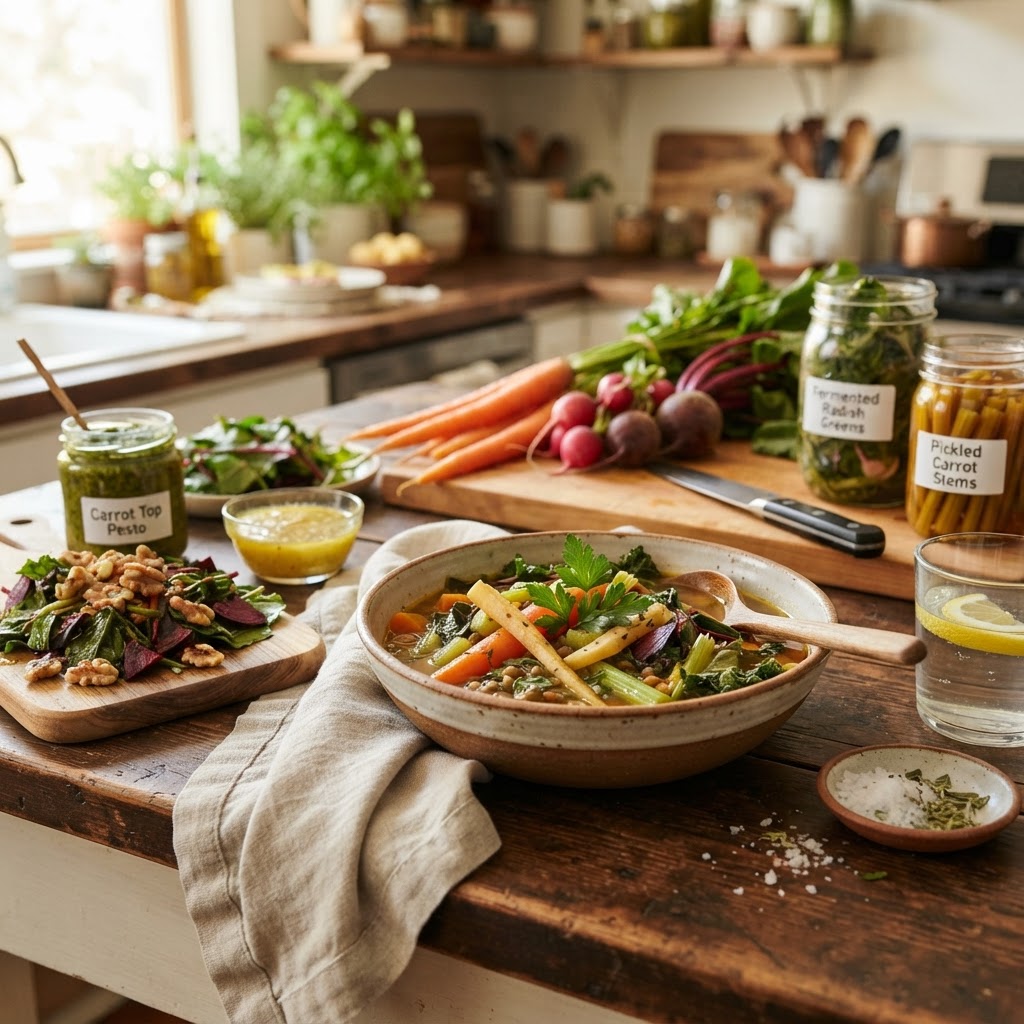
The Healthy Home Cook’s Guide to "Root-to-Stem Cooking": Mastering Nutrient-Dense Preservation and Preparation Techniques for Every Vegetable
In the modern kitchen, we have been conditioned to view our produce with a wasteful eye, reflexively tossing carrot tops, beet greens, and broccoli stalks into the compost bin before the cooking process has even begun. This habit is not only a drain on your grocery budget, but it is also a missed opportunity to extract the full nutritional potential of the earth’s bounty. When we embrace root-to-stem cooking, we are not just practicing sustainability; we are unlocking hidden layers of flavor and texture that conventional recipes often ignore. As home cooks, shifting our perspective toward the entire vegetable allows us to engage more deeply with our ingredients, turning what was once considered scrap into the star of the show.
The philosophy of root-to-stem cooking is deeply rooted in the traditions of professional kitchens, where profit margins and waste management demand that every ounce of product is utilized. However, for the home cook, the primary reward is a significant increase in nutrient density, as many of the vitamins and minerals we desire are concentrated in the peels, skins, and greens that we habitually discard. By learning how to properly prepare and preserve these overlooked parts, you are adding fiber, antioxidants, and vibrant flavors to your daily repertoire. Whether it is a quick blanching technique to soften fibrous stems or a dehydrating method to create concentrated vegetable powders, the possibilities for innovation are endless.
Stepping into this mindset requires a bit of culinary courage and a willingness to experiment with textures you might not be accustomed to. It means learning how to balance the bitterness of vegetable tops with rich fats or how to soften the woody exterior of stalks through strategic braising or fermenting. This guide will serve as your comprehensive roadmap to mastering these techniques, ensuring that your kitchen becomes a model of efficiency and health. Prepare to transform your relationship with the produce aisle, as we dive into the technicalities of maximizing flavor while minimizing the footprint of your meals.
Understanding the Anatomy of Your Produce
Every vegetable holds a specific biological purpose, which translates directly into its culinary behavior. Root vegetables, for instance, store their energy in the bulb, making them dense, sweet, and starchy, while their greens serve as the solar panels for the plant, often packed with complex phytonutrients and iron. When you look at a head of cauliflower or a bunch of radishes, you must learn to categorize them into three buckets: the core, the peel, and the foliage. Recognizing these parts is the first step in deciding how to treat them for maximum nutrient retention and flavor development.
The Importance of Bioavailability
Many home cooks worry about the texture of stems or skins, but the most important factor is the bioavailability of the nutrients within them. By utilizing techniques like fermentation or slow-roasting, we break down tough cellulose walls, making these nutrients easier for the human body to absorb. If you simply steam a stalk, you might find it tough; however, if you slice it thinly against the grain and sauté it with high-quality oil, you transform that same cellulose into a crunchy, digestible component that rivals the tenderness of the florets.
Sourcing for Maximum Integrity
The success of root-to-stem cooking is entirely dependent on the quality of the raw material. If you intend to eat the skin of a carrot or the greens of a radish, you must prioritize organic or locally grown produce. Non-organic vegetables are often treated with synthetic pesticides that accumulate primarily on the exterior skins and leaves. When sourcing, look for produce with vibrant, upright greens, as this is the primary indicator of freshness. If the greens are wilted or yellowed, they will not only lack flavor but will also provide a lackluster culinary experience regardless of how you prepare them.
"True culinary sustainability begins with the realization that every part of a plant is a culinary asset, provided you understand the specific heat and preparation requirements to unlock its potential."
Mastery of Vegetable Stalks and Fibrous Cores
The broccoli stalk is perhaps the most notorious victim of the kitchen compost bin. While the florets are delicate and quick-cooking, the stalk is essentially a reservoir of sweetness and texture. To prepare broccoli or cauliflower stalks, you must remove the tough outer skin using a sharp vegetable peeler, revealing the tender, pale interior. This interior flesh is mild, crisp, and perfect for raw consumption, yet it holds its integrity beautifully when subjected to high-heat roasting or quick-pickling.
Techniques for Tenderizing Stems
To get the most out of stems, you need to employ the "thin-slice" method. By shaving stems into thin, translucent coins, you maximize the surface area, which allows them to cook through in seconds. Another technique is pressure cooking or braising. If you are preparing a hearty soup, toss your prepared stems into the pot during the first stage of the mirepoix. The steam and moisture from the broth will gently soften the tough fibers, turning them into a silky, sweet addition that adds body to your soups without requiring heavy thickeners.
The Art of the Vegetable "Slaw"
One of my favorite ways to utilize broccoli and kale stems is to incorporate them into a vibrant slaw. Using a mandoline, shave the stems into julienne strips. Toss these with an acidic dressing featuring apple cider vinegar, Dijon mustard, and a touch of honey. The acidity of the dressing will act as a secondary "cook," breaking down the fibers while the natural sweetness of the stems balances the sharp tang of the vinegar. This is a perfect way to add high-fiber, nutrient-dense volume to a meal while eliminating waste.
The Power of Peel: Utilizing Skins for Nutrition
Vegetable peels are often the most concentrated source of vitamins and dietary fiber in the entire plant. Potatoes, carrots, parsnips, and even cucumbers contain significantly higher concentrations of antioxidants in their skin than in their flesh. Instead of peeling your potatoes for a mash, try a "rustic" preparation. Simply scrub them thoroughly with a vegetable brush under cold, running water to remove dirt and debris. If you are worried about texture, roast them with olive oil, rosemary, and sea salt at 400 degrees Fahrenheit until the skin becomes crisp and golden.
Crispy Skins as Functional Garnishes
If you absolutely must peel your vegetables for a specific recipe—perhaps a delicate potato gratin—do not discard the peels. Instead, toss them with avocado oil, smoked paprika, and a pinch of sea salt. Lay them in a single layer on a parchment-lined baking sheet and roast them at 375 degrees Fahrenheit for about 12 to 15 minutes. You will end up with high-fiber, crunchy vegetable "chips" that make an excellent garnish for salads or soups, adding a sophisticated, smoky crunch to your dish.
Nutrient Infusions and Stocks
When the peels are too tough for roasting, they are the perfect foundation for a nutrient-dense vegetable stock. Keep a large freezer-safe bag in your freezer where you collect onion skins, carrot peelings, celery ends, and mushroom stems. Once the bag is full, submerge the contents in water, add a few bay leaves, a peppercorn or two, and a splash of apple cider vinegar, which helps leach the minerals from the skins. Simmer for at least 60 minutes. The resulting liquid will be darker, richer, and significantly more flavorful than any store-bought box of stock.
Transforming Greens into Culinary Gold
Many home cooks find themselves overwhelmed by the sheer volume of greens that come with bunches of beets, carrots, turnips, and radishes. These greens are often discarded, yet they are culinary powerhouses packed with vitamin K, vitamin C, and potassium. The trick to working with these greens is understanding their flavor profile. Beet greens, for example, have a distinct earthiness similar to Swiss chard, while carrot tops offer a bright, parsley-like herbal quality that is perfect for finishing dishes.
The Pesto Revolution
One of the most effective ways to utilize large quantities of greens is to turn them into nutrient-dense pestos. Simply swap the traditional basil for blanched beet greens, carrot tops, or even radish greens. In a food processor, combine:
Blanching for Texture and Color
If you intend to sauté your greens, it is often beneficial to blanch them first. This involves dropping the greens into a pot of boiling salted water for 30 seconds and then immediately shocking them in an ice-water bath. This process removes the raw, astringent bite found in some greens, preserves their vibrant green color, and softens the fibers. After blanching, squeeze the excess water out firmly with your hands or a clean kitchen towel before tossing them into a pan with some garlic-infused oil.
"When we treat vegetable tops with the same reverence as we treat the bulbs, we begin to cook with an economy that benefits both the planet and our personal well-being."
Fermentation: The Ultimate Preservation Technique
Fermentation is perhaps the most sophisticated method for root-to-stem cooking. By using the natural lactobacillus bacteria found on the skins of vegetables, you can transform stems, tough peels, and even slightly wilted greens into shelf-stable, probiotic-rich foods. A simple lacto-fermentation of carrot peels or broccoli stalks involves a salt brine—typically 2% to 3% salt by weight—and a sterilized glass jar. This method not only preserves the vegetables for months but also increases their nutrient profile through the production of beneficial enzymes.
Creating Small-Batch Kimchi
You can take your leftover vegetable scraps and turn them into a delicious, spicy ferment. If you have a collection of radish greens, cabbage cores, and broccoli stalks, chop them into uniform pieces and massage them with sea salt and red chili flakes. Pack them tightly into a jar, ensuring they are fully submerged in their own juices, and let them sit at room temperature for 3 to 5 days. The fermentation process will tenderize the stalks and infuse the greens with a complex, umami-rich tang that is perfect for topping grain bowls or grilled proteins.
Troubleshooting Your Ferments
When working with ferments, hygiene is paramount. Always ensure that your equipment is thoroughly cleaned and that your vegetables are completely submerged in the brine, as air exposure can lead to unwanted mold. If you see white, powdery yeast on the surface (called kahm yeast), it is generally harmless and can be skimmed off, but if you notice fuzzy, colored mold, you should discard the batch. A consistent ambient temperature of 68 to 72 degrees Fahrenheit is ideal for the bacteria to thrive without allowing the vegetables to turn mushy.
The Culinary Science of Vegetable Powders
When you have more scraps than you can immediately cook, dehydration is your best friend. Vegetable powders are a professional secret used to amplify flavor in everything from sauces to smoothies. By dehydrating carrot peels, onion skins, or mushroom stems until they are completely brittle, you can grind them into a fine dust using a spice grinder. This powder acts as a concentrated flavor booster that is shelf-stable and packed with micronutrients.
Flavor Profiling Your Scraps
You can create specific flavor profiles based on what you have available. A "root powder" made from parsnip and carrot peelings provides a sweet, earthy base that works beautifully in homemade bread or as a seasoning for roasted vegetables. A "mushroom stem powder" adds intense umami to gravies and stews. Keep your powders in airtight glass containers in a cool, dark place to maintain their color and potency. Using these powders ensures that even if you can’t cook a vegetable today, its nutritional value is saved for a future meal.
Using Powders for Nutrient Density
Incorporating these powders into your diet is effortless. Add a teaspoon of your carrot or green-leaf powder to your morning protein shake or mix it into a vinaigrette to add an extra punch of fiber. You aren’t just getting more volume in your meal; you are increasing the overall micronutrient concentration, which is essential for maintaining health in a busy, modern lifestyle. It is a seamless way to practice zero-waste cooking while ensuring that your body is getting the maximum possible benefit from every bunch of vegetables you bring home.
Culinary Strategies for Busy Home Cooks
Efficiency in the kitchen is about planning, not just effort. If you find yourself cooking a large dinner on a Sunday, set aside 15 minutes to process your scraps as you go. Keep a bin on your counter specifically for the "stock-worthy" items and another for the items that will be dehydrated. By turning the cleanup process into a preparation process, you eliminate the mental barrier that keeps many people from practicing sustainable cooking. The goal is to make these techniques so habitual that you no longer have to think about them—they simply become a part of your culinary flow.
Batch Processing for Success
Dedicate one hour of your weekend to batch prep. Wash, peel, and separate your vegetables as soon as you get home from the grocery store. Blanch your greens in one large pot, roast your stems in one batch, and store your peels in the freezer for your next stock-making session. By front-loading this labor, you ensure that you aren't staring at wilted produce on a Wednesday night. Proper storage is also key: wrap your greens in damp paper towels to keep them crisp, and keep root vegetables in a dark, cool place to prevent sprouting.
The Role of High-Quality Fats
When cooking with the tougher parts of vegetables, remember that flavor often needs a carrier. Do not shy away from using high-quality fats like ghee, avocado oil, or cold-pressed olive oil to complement the inherent bitterness or earthiness of stalks and skins. These fats are essential for the absorption of fat-soluble vitamins (A, D, E, and K) found in your greens. A simple drizzle of quality oil at the end of the cooking process can elevate a humble stalk of broccoli from a discarded scrap to a gourmet side dish that feels like an indulgence.
Final Thoughts
The journey to becoming a more sustainable and nutrient-conscious home cook is not a destination but a continuous process of learning and refinement. By embracing the principles of root-to-stem cooking, you are doing more than just saving money or reducing waste; you are developing a profound respect for the ingredients that sustain us. It requires an observant eye and the willingness to treat a stem or a skin with the same culinary care as a prime cut of protein or a delicate herb.
Start small. Maybe this week, you commit to saving your onion skins for a stock. Next week, try dehydrating your carrot peels or creating a pesto from your beet greens. As you integrate these habits, you will find that your grocery trips result in less trash and more creativity. You will begin to look at a vegetable and see not just its outer appearance, but its entire potential. This is the mark of a truly thoughtful cook—one who understands that every piece of a vegetable has a purpose and a place in a healthy, vibrant kitchen.
In our current culinary landscape, the most radical act of health is to take full ownership of our ingredients. When you stop blaming the chef for unnecessary waste and start taking responsibility for your own kitchen practices, you empower yourself to live a more vibrant, connected, and nutrient-dense life. The techniques shared here are merely the beginning. Continue to experiment, continue to taste, and continue to find the hidden value in every root, every stem, and every leaf. Happy cooking, and may your kitchen always be a place of discovery and efficiency.


Get the Next Recipe
Weekly recipes, techniques, and gear picks — straight to your inbox.
