The Healthy Home Cook’s Guide to "Sheet-Pan Batching": Mastering Temperature and Timing for Perfectly Roasted, Oil-Controlled Vegetable Medleys
The modern home kitchen is often a battlefield of competing priorities, where the desire for wholesome, nutrient-dense meals frequently clashes with the relentless ticking of the clock. We have all experienced that late-afternoon panic when the refrigerator is full of produce, yet the mental energy required to sauté, steam, and season individual components feels insurmountable. This is where the philosophy of Sheet-Pan Batching transforms the culinary landscape, moving us away from frantic stovetop multitasking and toward a streamlined, oven-centric approach. By embracing the convection currents of your oven, you unlock a method that preserves the vibrant color and structural integrity of your vegetables while allowing you to manage fat content with surgical precision. It is time to reclaim your weeknight routine by mastering the art of the perfect roast.
Many home cooks view the oven as a passive tool, relegated to simple reheating or long, slow braises, but it is actually a powerhouse of efficient, high-heat cooking. When you master the delicate dance of temperature and timing, you shift from simply heating food to actively refining texture and intensifying natural sweetness. The secret to professional-grade roasting does not lie in expensive equipment or complicated techniques, but rather in understanding the thermal conductivity of your pan and the hydration levels of your chosen ingredients. Whether you are prepping for a busy work week or hosting a casual Sunday dinner, learning to batch roast your vegetables will fundamentally change how you view your kitchen. It is about working smarter, minimizing cleanup, and ensuring that every bite is as delicious as it is healthy.
At "Blame The Chef," we believe that "healthy" should never be synonymous with "boring" or "bland." The beauty of this guide is that it provides a flexible framework, not a rigid set of rules that leaves no room for culinary creativity. We are going to explore how to curate your medleys, balance your seasonings, and control your oil usage to create dishes that satisfy your palate and your nutritional goals. By the time you finish reading, you will possess the foundational knowledge to walk into your kitchen, grab a pan, and confidently execute a vegetable medley that tastes as though it came straight out of a fine-dining establishment. Let us put down the heavy dressings and pick up the sheet pan; the journey to effortless, high-quality nutrition begins right here.
The Architecture of the Sheet Pan
Choosing Your Foundation
The first step in Sheet-Pan Batching is choosing the right hardware. Not all sheet pans are created equal, and your choice of material will significantly impact the bottom-side browning of your vegetables. Heavy-gauge aluminum is the gold standard because it distributes heat evenly and prevents the warping that occurs in thinner, cheaper metals. You want a pan with a slight rim—a classic rimmed baking sheet—to ensure that any juices released during the cooking process are captured and caramelized rather than dripping onto your oven floor.
The Importance of Surface Area
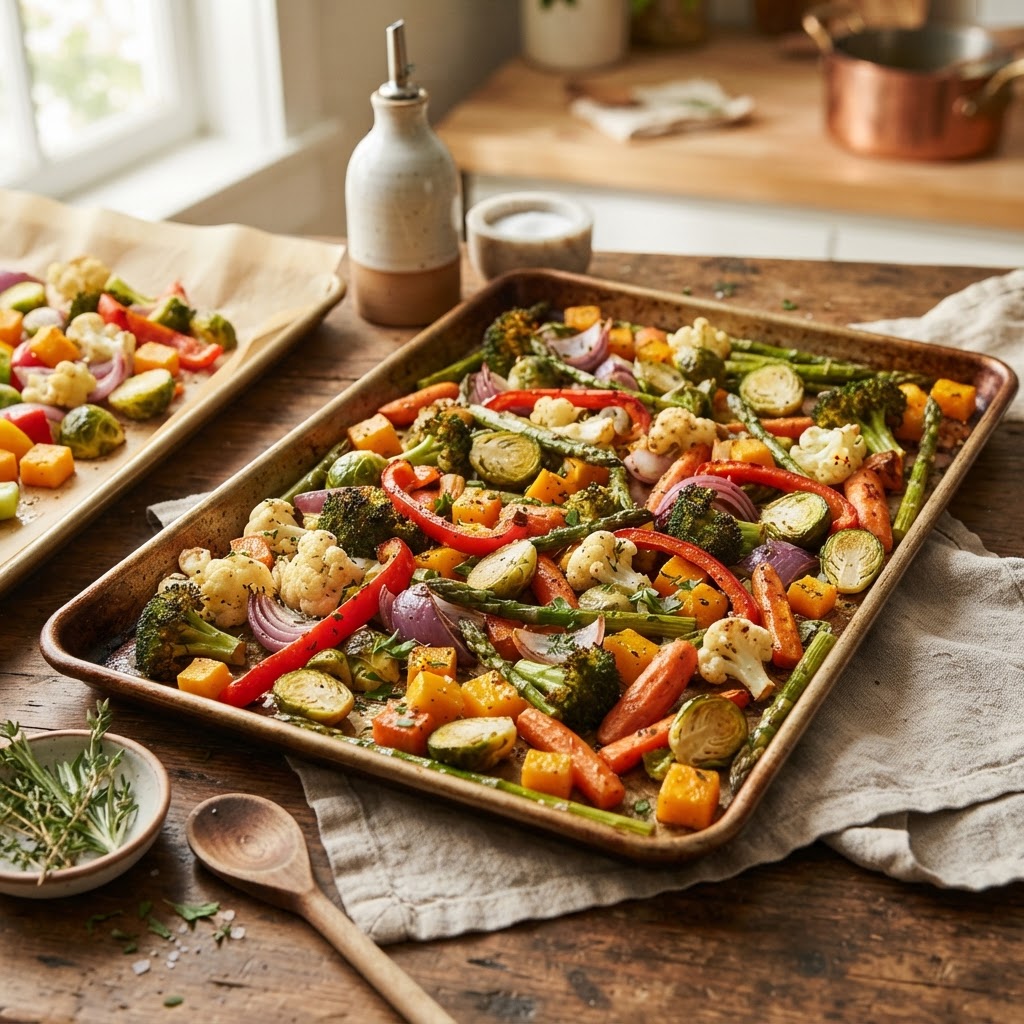
One of the most common mistakes home cooks make is overcrowding the pan. When you pile vegetables too high, you create a humid, steaming environment instead of a roasting one. The goal of batching is to achieve a Maillard reaction, that complex chemical process that turns raw, earthy vegetables into savory, golden-brown delicacies. To ensure this happens, arrange your vegetables in a single, even layer with enough space between them to allow for proper airflow. If the pan looks crowded, do not hesitate to reach for a second tray; the slightly increased cleanup is well worth the superior texture.
Liners: Parchment vs. Foil
Whether or not to line your pan is a subject of much debate in the professional world. While parchment paper provides a non-stick surface and is easier to clean up, it can occasionally inhibit the direct contact necessary for deep, crispy searing. Heavy-duty aluminum foil is a better conductor of heat and can help create a slightly crisper bottom. If you are aiming for high-heat roasting—anything above 425 degrees Fahrenheit—foil is generally the preferred choice to ensure your vegetables do not succumb to a soggy bottom.
The secret to professional-grade roasting does not lie in expensive equipment or complicated techniques, but rather in understanding the thermal conductivity of your pan and the hydration levels of your chosen ingredients.
Understanding Temperature and Density
The Hard vs. Soft Vegetable Divide
Not all vegetables are created equal when it comes to heat tolerance. Hard, dense vegetables like carrots, sweet potatoes, beets, and parsnips require higher heat and longer cooking times to break down their starches and develop their signature sweetness. Conversely, softer, high-moisture vegetables like zucchini, bell peppers, asparagus, and broccoli can turn to mush if subjected to the same intensity for too long. The trick to successful batching is grouping your vegetables by density.
The Staggered Loading Technique
If you are determined to roast everything on one sheet, you must master the staggered loading technique. Start by placing your hard vegetables in the oven first. Allow them to roast undisturbed for 15 to 20 minutes before pulling the pan out to add your softer, more delicate items. This ensures that the entire medley reaches the perfect level of tender-crispness at the same moment, saving you from the heartbreak of overcooked squash alongside undercooked potatoes.
Identifying the "Sweet Spot"
For most vegetable medleys, the 400 to 425-degree Fahrenheit range is your "sweet spot." At 400 degrees, you are gently roasting, which is ideal for vegetables that contain natural sugars that might burn too quickly at higher temperatures. At 425 degrees, you are pushing toward a true sear, which is perfect for cruciferous vegetables like cauliflower and Brussels sprouts. Remember, the higher the temperature, the more vigilant you must be about monitoring the color of your produce.
Controlling the Oil: The Art of the Toss
The Ratio Rule
The biggest misconception in healthy cooking is that you need to drown vegetables in oil to get them crispy. In reality, too much oil results in oily, limp vegetables. For one standard sheet pan of vegetables, you only need about one to two tablespoons of high-quality oil. The trick is not how much you use, but how you apply it. Use a large mixing bowl to toss your vegetables with the oil and seasonings before they hit the pan. This ensures an even, light coating that covers every crevice without pooling.
Choosing the Right Fat
Your choice of cooking fat matters as much for flavor as it does for the health benefits. Extra-virgin olive oil is the classic choice for its flavor profile, but it has a lower smoke point compared to refined oils. For high-heat roasting (425 degrees and up), consider using avocado oil or grapeseed oil, both of which possess high smoke points and neutral flavors that allow the character of the vegetables to shine through. You can always drizzle a high-quality finishing oil over the top right before serving to add that final aromatic pop.
Emulsification and Distribution
If you want to take your seasoning to the next level, create a light emulsion with your oil. Whisk your oil with a splash of citrus juice, a dash of vinegar, or a touch of Dijon mustard before tossing it with your vegetables. This liquid helps distribute your dry spices—like salt, pepper, cumin, or smoked paprika—more evenly across the surface of the vegetables. It also helps the seasonings stick, preventing them from falling to the bottom of the pan and burning during the roasting process.
Strategic Seasoning for Maximum Flavor
The Salt Science
Salt is the most important ingredient in your kitchen, but when roasting, timing is everything. Always salt your vegetables just before they go into the oven. If you salt them too early, the salt will pull moisture out of the vegetables through osmosis, leading to a soggy, watery result. Use Kosher salt or sea salt for a better texture and cleaner flavor profile compared to standard table salt, which can sometimes leave a metallic aftertaste.
Beyond the Basics: Building Complexity
To create a truly memorable medley, do not rely on salt and pepper alone. Incorporate umami-rich ingredients to deepen the flavor profile. A sprinkle of nutritional yeast, a dash of soy sauce or tamari, or a bit of miso paste whisked into your oil blend can make a massive difference. If you are roasting Mediterranean-style vegetables, dried oregano and a touch of red pepper flakes provide a fantastic backbone. For root vegetables, woody herbs like rosemary and thyme are non-negotiable staples.
Finishing Touches
The most impactful flavors are often added after the vegetables emerge from the oven. A squeeze of fresh lemon juice brightens the caramelized notes, while a shower of fresh herbs—parsley, cilantro, or basil—adds a vibrant, clean finish. For an extra layer of complexity, consider a dusting of toasted seeds, a sprinkle of feta cheese, or a drizzle of balsamic glaze. These finishing touches elevate your sheet-pan medley from a simple side dish to a complex, chef-worthy meal.
The trick to successful batching is grouping your vegetables by density; this ensures that the entire medley reaches the perfect level of tender-crispness at the same moment.
Batching for the Week Ahead
The Cold Storage Conundrum
One of the most frequent questions regarding Sheet-Pan Batching is how to store the results. When you roast vegetables, they continue to steam slightly as they cool down. To prevent them from becoming mushy in the refrigerator, allow them to cool completely on the baking sheet before transferring them to an airtight container. Never store them while they are still steaming, as the trapped condensation is the enemy of texture.
Reheating Strategies
When you are ready to eat your batched vegetables, avoid the microwave if possible, as it tends to turn roasted items into a rubbery mess. Instead, preheat your oven to 350 degrees Fahrenheit and spread the vegetables out on a sheet pan for five to seven minutes. If you are in a rush, a quick pass in a cast-iron skillet over medium-high heat can bring back that crispy edge in less than three minutes. The goal is to bring the heat back up quickly without cooking the vegetable further.
Versatility in Application
Once you have your batch-roasted vegetables in the fridge, the possibilities are endless. Toss them into a grain bowl with quinoa, fold them into a morning omelet, or layer them between toasted sourdough bread with a bit of hummus for a quick, healthy lunch. By having these components ready, you eliminate the barrier to entry for healthy eating, turning a labor-intensive chore into a five-second assembly task.
Advanced Techniques: The Chef’s Toolkit
Playing with Texture
If you want to push your skills further, try mixing textures within the same pan. Combine roasted vegetables with raw elements for contrast, or add crunchy toppings like toasted pine nuts, walnuts, or pepitas during the last two minutes of roasting. The key is to think about the mouthfeel of the dish as a whole. A soft roasted sweet potato is elevated significantly when paired with the crunch of a toasted seed or the sharp bite of a fresh radish garnish.
The Deglazing Method
Did you notice those dark, caramelized bits stuck to the bottom of the pan after you remove your vegetables? That is pure flavor—culinary gold. Instead of scrubbing it away, take your pan out of the oven, add a splash of vegetable stock, white wine, or water, and scrape the pan with a wooden spoon. This creates a quick, flavorful reduction that you can drizzle directly over your roasted vegetables. This simple step turns a standard home meal into something that feels truly artisanal.
Precision Cutting
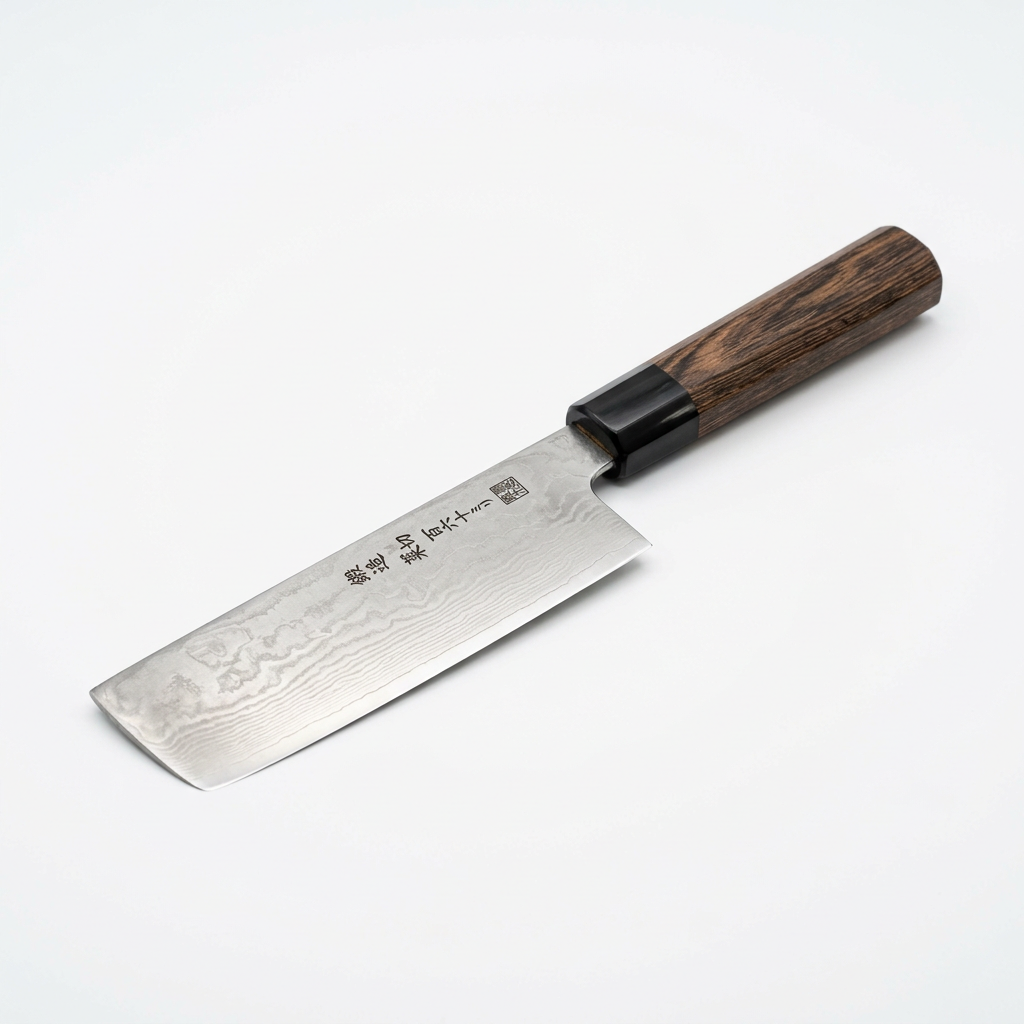
Your knife skills are a critical, yet often overlooked, component of roasting. Uniformity is the key to even cooking. If you have some pieces of broccoli that are tiny and others that are massive, the tiny ones will burn before the large ones are tender. Take the extra thirty seconds to cut your vegetables into consistent, bite-sized pieces. This allows them to roast at the same rate, ensuring that every piece achieves that perfect, golden-brown exterior.
The Psychology of Healthy Cooking
Removing the Mental Friction
Healthy eating is often sabotaged not by a lack of willpower, but by a lack of convenience. By dedicating one hour on a Sunday afternoon to Sheet-Pan Batching, you remove the mental friction of deciding what to cook every single night. You aren't just roasting vegetables; you are building a system that honors your commitment to yourself. When the fridge is stocked with prepared, nutrient-dense food, the choice to eat well becomes the path of least resistance.
Cultivating Culinary Confidence
As you experiment with different spice combinations and vegetable pairings, you will find your own rhythm. The more you roast, the less you will rely on recipes. You will begin to understand how the heat of the oven interacts with the natural sugars in carrots or the fibers in kale. This is the hallmark of a true cook: the ability to look at a basket of ingredients and intuitively know how to bring out their best.
The Joy of Simplicity
Ultimately, cooking at home should be a source of joy, not an obligation. There is something profoundly satisfying about pulling a hot, fragrant sheet pan out of the oven. It is a sensory experience—the smell of roasting garlic, the sight of vibrant charred edges, the anticipation of that first, perfectly seasoned bite. By simplifying your process, you are making room for the pleasure of cooking to return to your kitchen.
By having these components ready, you eliminate the barrier to entry for healthy eating, turning a labor-intensive chore into a five-second assembly task.
Final Thoughts
Mastering the art of Sheet-Pan Batching is not just about producing a tray of roasted vegetables; it is about reclaiming your time and your health in a world that often demands both be sacrificed. By understanding the interplay of heat, density, and thoughtful preparation, you have equipped yourself with a fundamental skill that will serve you for a lifetime. Whether you are a busy parent, a professional balancing a packed schedule, or simply someone who appreciates the beauty of a well-executed meal, the oven is your greatest ally.
Remember that perfection in the kitchen is not a destination, but a practice. Some batches will be slightly crunchier, some more tender, and some will be absolute masterpieces that you will want to repeat again and again. Do not be afraid to experiment with bold spices, new combinations, and varying temperatures. Your palate will evolve, your techniques will sharpen, and your kitchen will become a place where health is defined by flavor rather than restriction.
So, head to the market, grab a bundle of seasonal produce, and preheat that oven. You are no longer just cooking; you are curating your wellness, one sheet pan at a time. Thank you for trusting "Blame The Chef" to guide your culinary journey. As you continue to refine your craft, remember that the most important ingredient is your own curiosity. Happy roasting, and may your kitchen always be filled with the wonderful, complex aromas of a perfectly caramelized medley. The path to a healthier, more efficient kitchen is now yours to walk, and the rewards are waiting in the heat of the oven.
The transition from a hesitant home cook to a confident kitchen commander happens incrementally. It is in the small, consistent actions—like tossing your vegetables in a bowl before seasoning, or learning the specific "sweet spot" temperature for your oven—that real change occurs. Do not let the simplicity of the sheet pan fool you; it is a powerful, transformative tool. When you master it, you unlock a level of freedom that allows you to eat well, feel well, and live well without the stress of constant, daily preparation.
Stay focused on the fundamentals: uniform cutting, proper oil application, and diligent monitoring of your oven's behavior. Every oven is unique, and learning the nuances of yours—where the hot spots are and how it holds heat—will make you a better cook than any recipe book ever could. Embrace the process, laugh off the occasional burnt batch, and enjoy the immense satisfaction of knowing exactly what goes into your food. Here at "Blame The Chef," we are thrilled to be part of your culinary evolution. Keep reaching for those ingredients that excite you, keep pushing the boundaries of your seasoning palette, and most importantly, keep making time for the act of cooking itself. It is a rare, grounding joy that serves as the foundation for a life well-lived.
Finally, consider the legacy of your cooking. As you share these meals with family and friends, you are passing on the value of wholesome, intentional food. A simple tray of roasted vegetables might seem like a small thing, but it represents a commitment to self-care and quality that resonates far beyond the table. Take pride in that commitment. Your health is the most valuable asset you have, and your kitchen is where you protect it. By turning to the oven, you are not just making a side dish; you are building a lifestyle that is sustainable, nourishing, and deeply satisfying. Continue to hone these skills, share what you learn with others, and always remember that you are the master of your own culinary world.
As you look forward to your next week of meals, take a moment to plan your vegetable medleys with the same care and excitement you would use for a special occasion. Group them by their natural characteristics, experiment with those new spice blends, and always look for ways to make the experience easier and more enjoyable. The goal is to reach a place where you don't even have to think about it—where the preparation of high-quality food is as natural as breathing. With the techniques outlined in this guide, you are well on your way to achieving that level of culinary mastery. We look forward to seeing the incredible dishes you create, and we invite you to continue sharing your successes, your discoveries, and even your "blame-the-chef" moments with us as you grow.
There is truly no limit to what you can achieve with a bit of heat and a well-thought-out plan. From simple root vegetables to complex, multi-textured medleys, the world of roasted produce is vast and waiting for you to explore. Treat your ingredients with respect, maintain your equipment with care, and never stop questioning how you can make your next meal even better than the last. Whether you are a fan of classic combinations or someone who loves to break the mold, the sheet pan is your canvas. Paint with flavor, season with intent, and cook with love. Your journey has only just begun, and we are so proud to have been a part of this foundational step.
Take the time to reflect on the joy of the process. It is easy to get caught up in the end result—the delicious meal on the plate—but the true reward is in the quiet time spent in the kitchen, the meditative rhythm of chopping, the fragrant anticipation while things roast, and the immense satisfaction of a job well done. This is the heart of home cooking. It is a gift you give to yourself and those you share your table with, and it is a gift that sustains you in more ways than one. Keep going, keep cooking, and most of all, keep enjoying the process. Your kitchen is the heart of your home, and with these techniques, you are ensuring that heart is healthy, vibrant, and always filled with the promise of a great meal.
In closing, remember that you are capable of much more than you might have initially believed. The leap from "following a recipe" to "understanding the principles" is where the magic happens. By mastering the temperatures, timings, and techniques of sheet-pan batching, you have moved beyond the rote memorization of steps and into the realm of true culinary understanding. This is what it means to be a "Healthy Home Cook." It means having the knowledge to solve problems, the creativity to experiment, and the discipline to maintain your health through the food you choose to put on your table. We celebrate your progress, we applaud your effort, and we cannot wait to see what you roast next. The future of your weeknight dinners is bright, delicious, and entirely within your control. Enjoy the journey.
As you finish this guide, think about your next trip to the grocery store. Look at the seasonal produce with new eyes, thinking not just of what they are, but of how they will roast. Imagine the caramelization, the texture, and the way you will season them to perfection. That is the mindset of a chef. It is a mindset of potential, of possibility, and of genuine passion for food. Keep that mindset close, and let it inform every meal you create. Thank you for joining us on this exploration of the sheet pan, and remember that when it comes to healthy, delicious cooking, you have all the tools you need right at your fingertips. Here is to many more perfectly roasted, golden-brown, and intensely flavorful meals in your future. Go forth and cook with confidence.
The journey continues with every single meal. Never lose the wonder that comes from seeing raw, humble vegetables transform into a meal that feeds your body and nourishes your spirit. Whether it is a chilly winter evening where you are roasting hearty roots, or a bright summer day when you are charring fresh peppers and zucchini, the sheet pan is your constant companion. It is simple, it is effective, and it is entirely yours to command. Keep experimenting, keep sharing your meals, and keep finding joy in the kitchen. We are always here to support your culinary growth, to provide the tips you need to succeed, and to celebrate every single bite along the way. Stay curious, stay healthy, and keep roasting.
Final reminder: always keep your oven clean, your knives sharp, and your curiosity piqued. The art of the roast is an evolving practice, and there is always something new to learn, a new technique to refine, or a new flavor profile to discover. You have taken the first, most important step by committing to this method. Now, enjoy the freedom, the efficiency, and the delicious results that follow. The best is yet to come, and it all starts with a simple sheet pan, a little bit of heat, and your willingness to make your kitchen a space where health and happiness reside together. Happy cooking, and we'll see you in the next post.

Get the Next Recipe
Weekly recipes, techniques, and gear picks — straight to your inbox.
