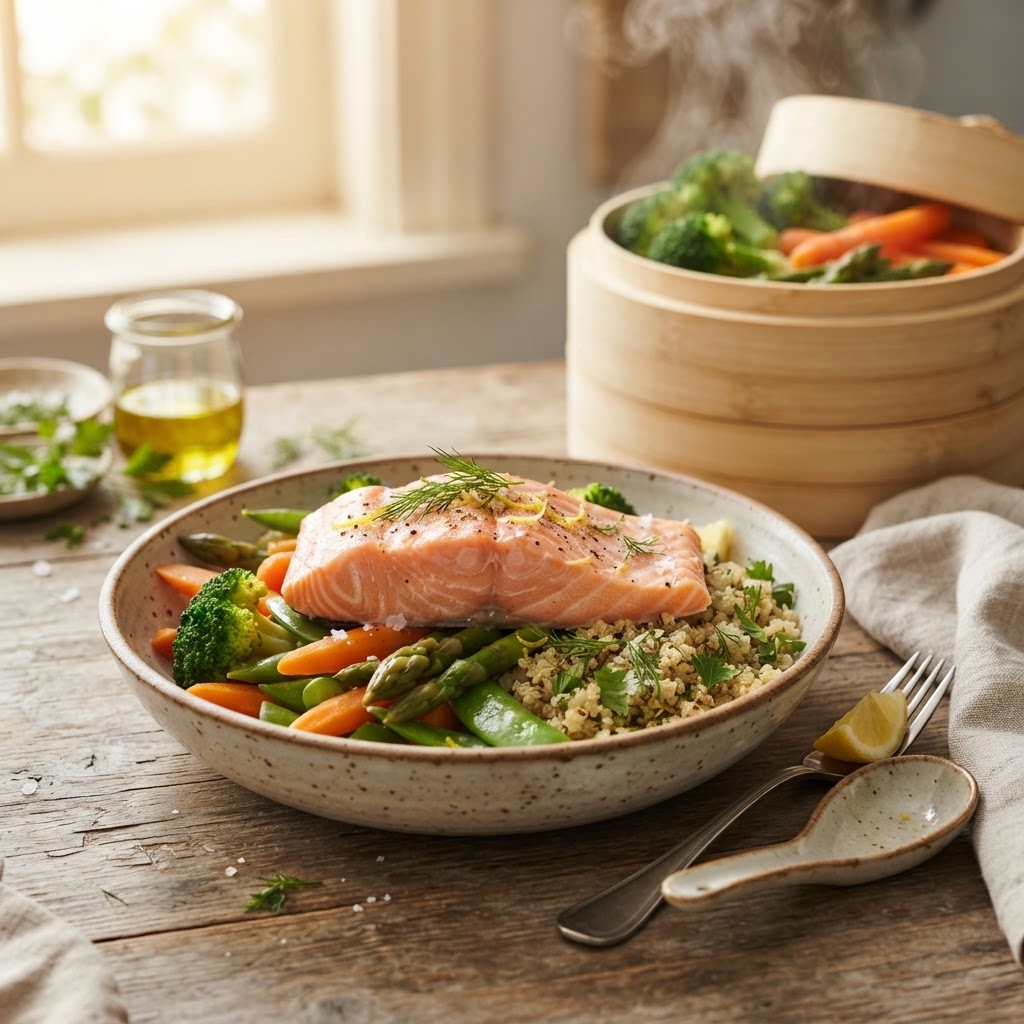
The Healthy Home Cook’s Guide to Steaming: A Simple Technique for Nutrient-Dense and Flavorful Meals
In the modern home kitchen, we are constantly bombarded with trends that promise the pinnacle of health and flavor, often requiring expensive gadgets or overly complicated techniques. Yet, one of the most effective, accessible, and scientifically sound methods for preparing food has existed for centuries, hidden in plain sight. Steaming is not merely a method for hospitals or weight-loss diets; it is a sophisticated, gentle approach that preserves the vibrant color, crunch, and nutritional integrity of your ingredients. By utilizing the transformative power of water vapor, you are bypassing the harsh environments of searing or deep-frying, allowing the inherent essence of your produce to shine through without the need for excessive fats.
When you master the art of the steam, you gain a versatile tool that can elevate anything from delicate seafood to robust root vegetables. This technique is fundamentally about thermal transfer, where moist heat penetrates the cellular structure of food, softening fibers while locking in vitamins and minerals that might otherwise leach into boiling water. It is an exercise in patience and precision, demanding only a basic knowledge of timing and equipment. For the home cook looking to "blame the chef" for a lackluster dinner, this is your secret weapon for transforming everyday pantry staples into restaurant-quality meals that feel light yet satisfying.
Throughout this comprehensive guide, we will explore the nuanced science behind steam-cooking, debunk the myth that steamed food must be bland, and provide actionable techniques to ensure your kitchen produces consistent results. Whether you are blanching greens for a crisp salad or slow-steaming a whole snapper, understanding the moisture content and surface area of your ingredients is key. We are shifting the focus from masking flavors with heavy sauces to celebrating the clean, crisp, and nutrient-dense profiles that only steaming can deliver. Prepare to rethink your routine, as we embark on a journey that prioritizes health without sacrificing the culinary joy that keeps us coming back to the stove.
The Science and Simplicity of Steaming
At its most fundamental level, steaming is the process of cooking food via the heat generated by water vapor. Unlike boiling, where food is fully submerged and nutrients are often lost to the water, steaming keeps the ingredient suspended above the liquid. This prevents the loss of water-soluble vitamins like Vitamin C and the B-complex vitamins, which are notoriously unstable under high-heat or high-water conditions. By keeping the food separate from the water, you maintain the structural integrity of the vegetable or protein, resulting in a cleaner flavor profile and a more appealing presentation on the plate.
The mechanism is simple: as the water hits its boiling point (212°F or 100°C), it releases energy-rich vapor. This vapor surrounds the food, transferring heat efficiently and rapidly. Because steam is a gas, it has a higher heat-carrying capacity than air, allowing for a faster cook time than roasting in a standard oven. This efficiency makes it an ideal technique for the busy home cook who wants to minimize time in the kitchen while maximizing the nutritional density of their family’s dinner.
"True culinary artistry begins with understanding the environment in which your food evolves. Steaming isn't just about heat; it's about honoring the delicate balance of flavor and texture that nature provided."
Equipment Essentials
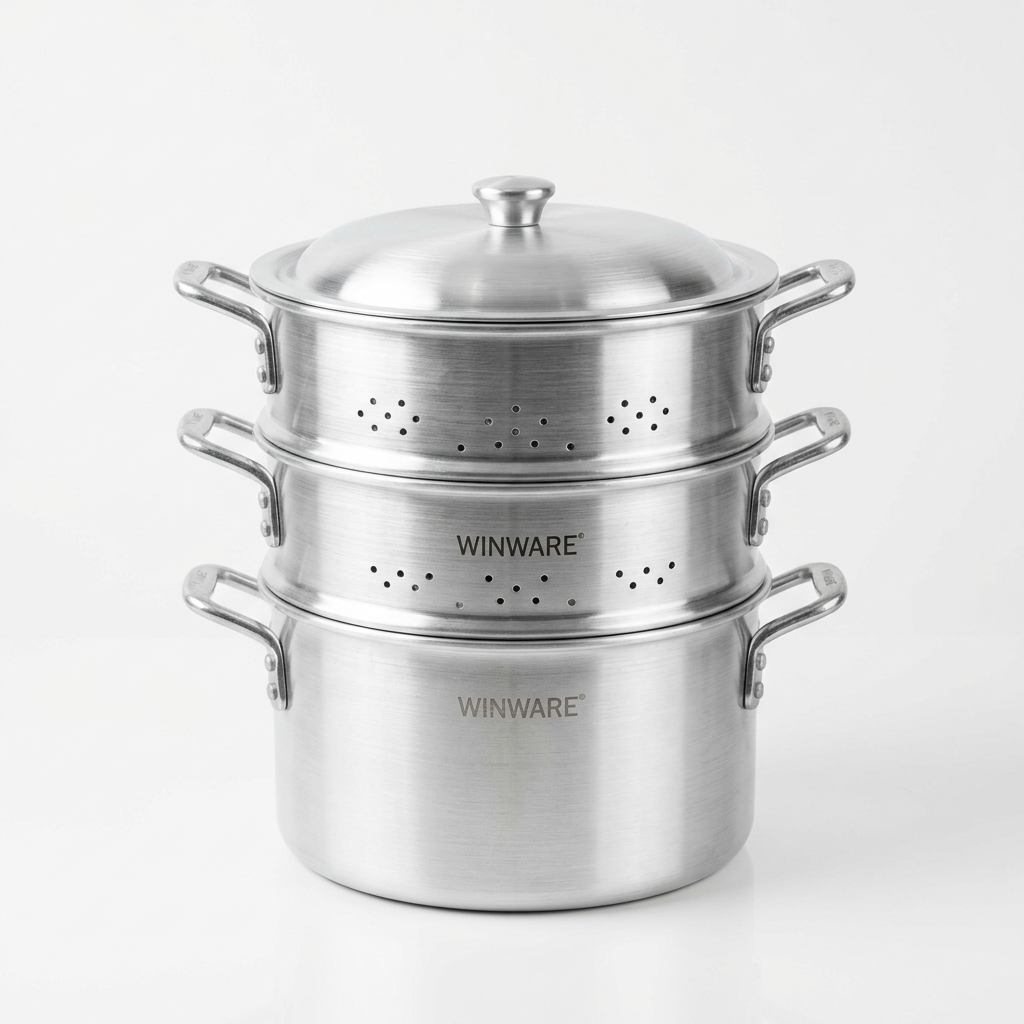
You do not need a commercial kitchen to achieve perfect results. A basic metal steamer basket, a bamboo steamer, or even a tight-fitting lid over a colander will suffice. The key is ensuring a tight seal, which allows the steam to build pressure and circulate effectively. If you are using a bamboo steamer, remember that they are naturally porous and perfect for absorbing excess moisture, which prevents your dumplings or fish from becoming soggy.
Selecting Ingredients for Optimal Results
Not all ingredients are created equal when it comes to the steam basket. The best candidates for this technique are those with high moisture content and relatively tender structures. Leafy greens, such as spinach, kale, and chard, are the obvious winners, but you should also look toward tender root vegetables like asparagus, broccoli florets, and young carrots. These ingredients benefit from the gentle heat because it softens their cell walls just enough to make them palatable while retaining the "snap" that indicates freshness.
When working with proteins, prioritize seafood and thin cuts of poultry. White fish like cod, halibut, or sea bass are phenomenal when steamed because the lack of physical agitation keeps the delicate fillets from falling apart, a common disaster when poaching or boiling. Shellfish, particularly mussels and clams, are practically designed for steaming; the trapped heat forces them to open perfectly, releasing their natural, briny juices which can then be reduced into a light, flavorful broth.
The Role of Aromatics
Because steaming is a clean technique, it is the perfect canvas for aromatics. Do not just steam with plain water; infuse your base liquid with character. Use a combination of:
* Fresh ginger slices or lemongrass stalks.
* Citrus peels (lemon, lime, or grapefruit).
* Whole peppercorns, star anise, or coriander seeds.
* Fresh herbs like cilantro stems, parsley, or thyme.
By flavoring the water, you are infusing the steam itself with volatile oils. This subtle seasoning penetrates the food as it cooks, creating layers of flavor that are impossible to achieve with traditional boiling methods.
Mastering Timing and Temperatures
One of the most frequent complaints from home cooks is that their steamed vegetables turn into a mushy, unappetizing pile. This is almost exclusively a result of over-steaming. Timing is everything. Because steam is incredibly efficient, your window of error is much smaller than it is with roasting. For most vegetables, you should be looking for a texture that is "tender-crisp"—a point where the vegetable has softened but still holds its shape and vibrant color.
As a rule of thumb, use the following guide for high-heat steaming:
The Importance of Uniformity
Professional chefs always emphasize the importance of the mise en place, and for steaming, this includes uniform cuts. If you throw a giant chunk of potato into the basket alongside a thin slice of carrot, the carrot will disintegrate before the potato is even halfway cooked. Spend the extra thirty seconds ensuring your vegetables are consistent in size. This ensures that every bite is cooked to the exact same degree of perfection, which is the hallmark of a disciplined home cook.
"Precision in the kitchen is not about rigidity; it is about respect for your ingredients. When you cut with purpose and cook with timing, you are crafting a meal that reflects your dedication to quality."
Beyond Water: Innovative Steaming Liquids
If you want to move beyond the basics, start experimenting with what sits in the bottom of your pot. Water is effective, but it is also a blank slate. By replacing water with stock, dashi, or even white wine, you can significantly ramp up the flavor profile of your meal. Steaming chicken breast over a bed of aromatics and a splash of white wine, for instance, mimics the effects of a delicate braise but results in a much leaner, lighter final dish.
The Dashi Advantage
For those interested in Japanese-inspired cuisine, using dashi (a broth made from kombu and bonito flakes) as your steaming liquid provides a massive hit of umami. This depth of flavor anchors the meal, making even simple steamed cabbage or tofu feel like a substantial, deeply satisfying main course. You are essentially using the steam to create a secondary sauce or soup at the bottom of the pot, which you can then spoon over your food before serving.
Tip for Success:* Always ensure your liquid is at a hard, rolling boil before adding your steamer basket. This ensures that the vapor is hot enough to start the cooking process immediately, rather than waiting for the temperature to rise while your ingredients slowly wilt.
Enhancing Flavors Post-Steam
Steaming is a clean technique, but it is not meant to be finished in a vacuum. Once the heat is removed, you have a hot, moist ingredient that is ready to absorb flavor. This is the stage where you "blame the chef" for making it delicious. Do not be afraid to finish your steamed items with high-quality finishing oils, fresh citrus zest, or a quick drizzle of a bright, acidic sauce. The steam prepares the canvas, but your finishing touches provide the gallery-worthy result.
The Power of Emulsions
Consider pairing your steamed fish with a light lemon-caper emulsion or a simple miso-ginger glaze. Because the protein hasn't been weighed down by heavy oils or breading, it can support more delicate, sophisticated flavor profiles. Even a simple drizzle of high-quality extra virgin olive oil and a sprinkle of flaky Maldon sea salt can transform a bowl of steamed asparagus into a luxurious side dish that highlights the inherent earthiness of the vegetable.
When dealing with more robust greens like kale, try tossing them immediately after steaming with a small amount of toasted sesame oil and a splash of rice vinegar. The heat from the vegetable will help the oil coat the leaves evenly, creating a salad that is warm, nutrient-dense, and incredibly flavorful. This approach allows you to manipulate the final dish to fit any flavor palette, from Mediterranean to Southeast Asian.
Common Pitfalls and Troubleshooting
Even with a simple technique, there are common errors that often derail the home cook. The most common is overcrowding. If you pack your steamer basket too tightly, the steam cannot circulate effectively. This creates "cold spots" in the center of the basket, leading to uneven cooking. Always leave room for the vapor to move around the ingredients. If you are cooking for a large group, it is better to steam in two smaller batches than to force everything into one basket.
Dealing with Discoloration
Have you ever steamed broccoli only to end up with a dull, olive-drab mess? This is a result of trapped acids within the vegetable that, when heated, break down the chlorophyll. To keep your greens bright and vibrant:
* Do not overcook them; color loss is the first sign of textural breakdown.
* Leave the lid slightly ajar if you feel the temperature is too high.
Shock the vegetables in an ice bath* if you plan on serving them cold or at room temperature later.
"A kitchen should be a laboratory of flavor. If a dish doesn't come out perfect, don't be discouraged; identify the variables—time, temperature, or technique—and refine your process for the next time."
Advanced Techniques: The "Steam-Roast" Hybrid
For the truly adventurous home cook, the steam-roast method offers the best of both worlds. This technique involves starting your food in a steamer to cook it through while retaining moisture, followed by a quick blast under a high-heat broiler or in a hot oven to achieve a Maillard reaction—that beautiful browning that adds so much depth. This is particularly effective for thick root vegetables or dense pieces of protein that need a little extra time to become tender without drying out.
The Steam-Roasting Process
This technique is a game-changer for weeknight meals. You get the nutritional benefits and speed of the steamer, but the final texture and flavor complexity of roasted food. It is perfect for those who crave a bit of texture and caramelization but want to keep the overall fat content of the meal low and the nutrient density high.
Final Thoughts
Steaming is far more than a "diet" technique; it is a fundamental pillar of culinary intelligence. By mastering the gentle, efficient power of water vapor, you gain control over the texture and nutritional quality of your ingredients in a way that frying and roasting simply cannot replicate. It encourages a closer relationship with your food, forcing you to pay attention to timing, the quality of your aromatics, and the physical state of your ingredients.
As you integrate these practices into your kitchen, remember that the goal is not perfection, but rather the pursuit of better flavor through intentional cooking. Start with simple vegetables and work your way up to complex protein-and-aromatic pairings. Don't be afraid to experiment with your steaming liquids, and always remember to keep your basket from being overcrowded. When you take the time to respect the steam, the steam rewards you with vibrant, nutrient-dense meals that speak for themselves.
"Blaming the chef" has never been so rewarding. When you serve a plate of perfectly steamed, crisp-tender vegetables enhanced by a light citrus emulsion or a fragrant dashi broth, you are proving that healthy eating is not about deprivation. It is about understanding the fundamental physics of heat and moisture to create something truly transcendent. Take your steamer basket out of the back of the cabinet, clear a space on your stove, and rediscover the clean, pure joy of cooking with steam. Your health, your palate, and your dinner guests will thank you for the effort and the elegance of the result.
Get the Next Recipe
Weekly recipes, techniques, and gear picks — straight to your inbox.
