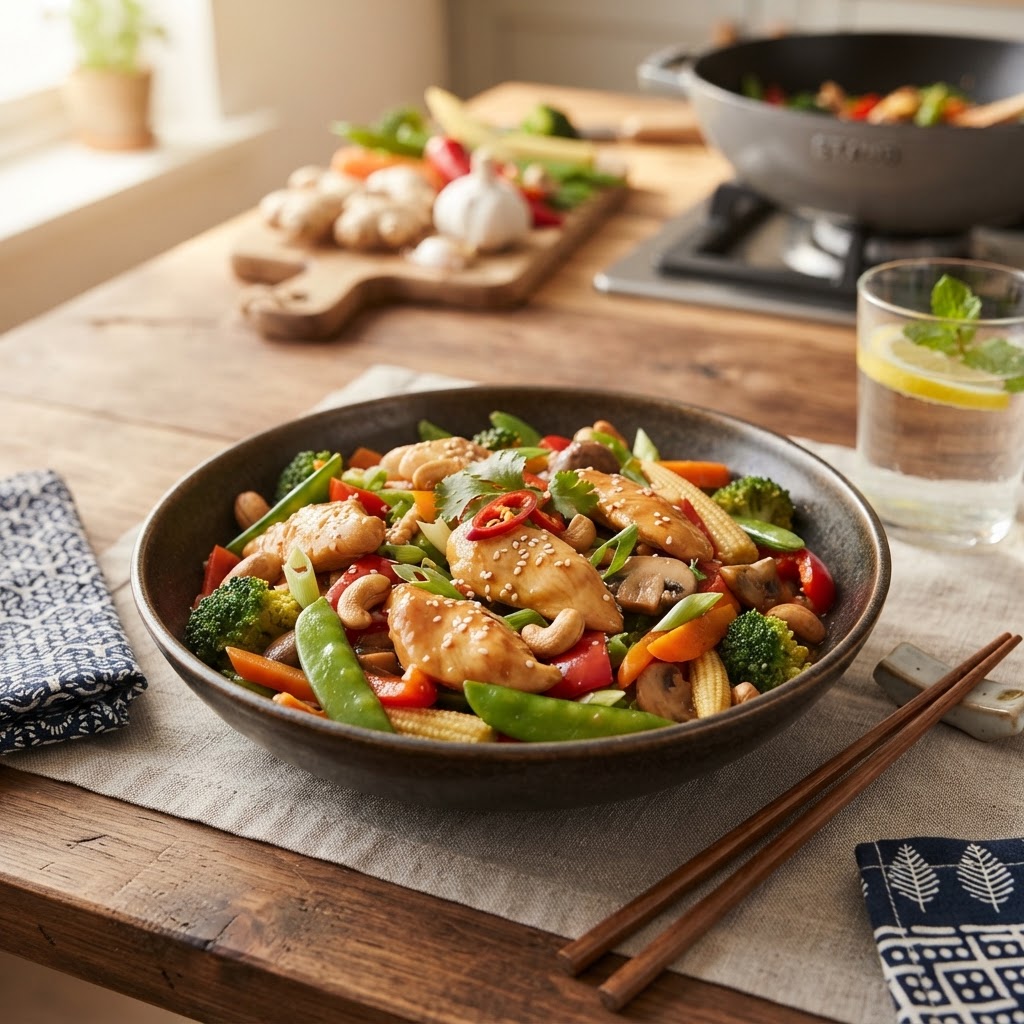
The Healthy Home Cook’s Guide to "Velveting": A Restaurant Technique for Tender, Nutrient-Dense Stir-Fries
Have you ever sat down at your favorite local Chinese restaurant, ordered a classic dish like beef with broccoli or chicken with cashew nuts, and wondered why the meat was so impossibly soft and succulent? It seems to possess a unique, velvety texture that almost melts away on the tongue, a quality that is rarely replicated in the average home kitchen. For years, I struggled to achieve that professional standard, often ending up with dry, chewy, or overcooked protein that felt more like a chore to chew than a delight to eat. Most home cooks blame the quality of their meat or perhaps their stove, assuming that professional kitchens have magic equipment that we simply lack. The truth, however, is much simpler and significantly more accessible than you might think.
The secret behind that silky, tender mouthfeel is a fundamental Chinese culinary technique known as velveting. This method is essentially a form of protein preparation that protects the meat from the harsh, high-heat environment of a wok, effectively creating a moisture-trapping shield. By coating slices of protein in a mixture of cornstarch, egg white, and a splash of rice wine or oil, you create a barrier that insulates the muscle fibers. This keeps the juices inside, preventing the proteins from seizing up or toughening when they meet the searing heat of the wok. When executed correctly, the resulting texture is incredibly uniform, providing a luxurious sensation that elevates even the most basic stir-fry into a restaurant-quality feast.
In this guide, we are going to demystify the art of velveting and demonstrate how you can integrate it into your weekly meal rotation to boost the overall quality of your healthy home cooking. We will break down the science behind the technique, look at the specific ingredient ratios that guarantee success, and discuss how to adapt the process for various types of proteins. Whether you are working with flank steak, chicken breast, or even tofu and shrimp, velveting is a versatile tool that helps retain both moisture and nutrients in your ingredients. By learning these professional-grade fundamentals, you will stop blaming your equipment and start mastering the textures that define world-class stir-fry cooking.
The Science of Softness: Understanding Protein Denaturation
At its core, velveting is a masterclass in controlling protein denaturation. When you expose lean meats to intense heat, the proteins contract rapidly and push out their internal moisture, leading to the tough, rubbery texture we are all too familiar with. This is especially problematic with lean cuts like chicken breast or round steak, which lack the intramuscular fat needed to stay juicy under pressure. By creating a temporary, protective shell around the protein, you significantly slow down the rate at which the heat reaches the muscle fibers.
The Role of Starch and Alkaline Agents
The primary actor in this chemical theater is cornstarch. When mixed with a small amount of liquid, cornstarch forms a gel-like film that clings to the surface of the meat. When this coated meat hits hot oil, the starch gelatinizes instantly, forming a protective barrier that seals the meat's natural moisture. In more advanced culinary applications, a splash of baking soda or baking powder—acting as an alkaline agent—is sometimes added to the mixture. This raises the pH level of the surface of the meat, which helps to break down the connective tissue and muscle fibers, resulting in an even softer bite.
Why Texture Matters in Nutritious Cooking
Many home cooks mistakenly believe that eating healthy means compromising on texture. However, the satisfaction of a meal is largely dependent on the "mouthfeel" of the ingredients. When your protein is perfectly tender, you are more likely to enjoy the meal and feel satisfied without needing excessive sauces or additives. Velveting allows you to use lean, nutrient-dense proteins while achieving a decadent mouthfeel, proving that healthy eating does not have to be a dull, fibrous experience.
"Velveting is the difference between a home-cooked stir-fry that feels like a compromise and a restaurant-style dish that feels like a celebration. It is an act of culinary protection, shielding the protein from the intensity of the wok."
Preparing Your Ingredients for the Perfect Velvet
Before you begin the process, the preparation of your protein is non-negotiable. The way you cut the meat determines how well the velveting mixture will adhere and how evenly it will cook. Uniformity is the golden rule here; if your slices vary drastically in thickness, the cooking time will be uneven, leading to some pieces being overcooked while others remain under-processed. Always look for the grain of the meat and slice across it to shorten the muscle fibers, which naturally increases tenderness before you even begin the velveting process.
Ideal Sizing and Uniformity
For most stir-frys, you should aim for slices that are roughly 1/8 to 1/4 inch thick. If you are using a tough cut of beef, such as flank or skirt steak, cutting against the grain is mandatory. For chicken breast, partially freezing the meat for 20 minutes before slicing can make it much easier to achieve those paper-thin, professional-looking strips. Remember, your goal is to create a consistent canvas for the velveting marinade to coat properly.
The Standard Velveting Ratio
While every chef has their own secret variation, the classic ratio for a standard 1-pound batch of protein is remarkably consistent:
By following these ratios, you ensure that the coating is thick enough to protect the meat but thin enough to not interfere with the final flavor of your stir-fry sauce. Whisk these ingredients in a bowl until they form a smooth slurry before tossing in your meat.
The Two-Step Process: Oil Blanching vs. Water Blanching
Once your meat is marinated, you must decide on your cooking method. The traditional restaurant technique is known as oil blanching, which involves submerging the protein in a large amount of hot oil for a very short period—usually 30 to 60 seconds. This is the gold standard for achieving the glossy, slippery texture that characterizes velveting. However, for the health-conscious home cook, managing liters of hot oil can be both intimidating and unnecessary.
Understanding Oil Blanching
In a professional kitchen, a wok is filled with oil and brought to a relatively low temperature (around 250°F to 275°F). The meat is dropped in, gently separated with a spider strainer, and cooked until just opaque. It is then drained thoroughly, leaving the protein perfectly cooked but not greasy. The intense heat of the oil sets the cornstarch crust instantly, locking in the juices. While this produces the best results, it does require a bit of cleanup and oil management.
The Healthier Alternative: Water Blanching
For a leaner, more calorie-conscious version, water blanching is an excellent alternative. Instead of oil, you bring a large pot of water to a gentle simmer—not a rolling boil. Add a tablespoon of oil to the water, which helps prevent the pieces from sticking together. Gently drop your marinated meat into the water and cook for about 60 to 90 seconds until the coating turns white and the meat is mostly cooked through. Drain it, pat it dry, and proceed with your stir-fry as usual.
"If you choose to use the water blanching method, ensure the water remains at a gentle simmer. A rolling, turbulent boil can tear the delicate starch coating right off your protein, leaving you with a cloudy pot and a sticky mess."
Tips for Success with Both Methods
Regardless of the method you choose, the most important step is to drain the meat thoroughly. Any excess liquid remaining on the surface of the meat will steam instead of fry once it hits the wok, causing your vegetables to get soggy and preventing that desirable charred, smoky flavor—known as wok hei—from developing. Use a colander or a wire mesh strainer to remove as much residual water or oil as possible before adding the protein back into your screaming-hot wok.
Advanced Velveting for Vegetables and Seafood
While we focus heavily on meats, velveting is not just for carnivores. You can use similar principles to prepare hearty vegetables and delicate seafood, ensuring that every element of your stir-fry is cooked to the exact same texture. It is a brilliant way to ensure that your shrimp stays snappy and sweet rather than tough and rubbery, or that your broccoli reaches a perfect balance of crisp-tender.
Velveting Seafood (Shrimp and Scallops)
Seafood is notoriously fickle; cook it for even 30 seconds too long, and it becomes a chewy rubber band. When velveting shrimp, reduce the cornstarch amount by half and skip the egg white if you prefer a lighter coating. A quick marinade of salt, pepper, and a dash of rice wine for 10 minutes creates a light protective layer that keeps the shrimp succulent and plump during the high-heat stir-fry process.
Velveting Hard Vegetables
If you are working with dense vegetables like broccoli, cauliflower, or carrots, you don't use the full velveting marinade but you do use the blanching technique. Par-boiling these vegetables in salted water before they hit the wok ensures that they finish cooking at the same time as your protein. This allows you to keep the wok heat high, ensuring your ginger and garlic sizzle correctly without burning while waiting for the vegetables to soften.
Tofu: The Velveting Frontier
Tofu, particularly firm or extra-firm varieties, benefits immensely from a dry velveting method. Instead of an egg-based marinade, toss your cubed tofu in a light coating of cornstarch and salt. Pan-sear the cubes until the starch creates a golden, crispy exterior while the inside remains soft and creamy. This is the ultimate way to elevate plant-based protein, providing that satisfying crunch and soft interior that makes a stir-fry truly memorable.
Troubleshooting Common Velveting Mistakes
Even with a reliable technique, things can sometimes go sideways in the kitchen. Perhaps your meat is sticking to the pan, or the coating is becoming clumpy and gelatinous. These issues are almost always the result of minor temperature or timing errors. By identifying these common pitfalls early, you can adjust your process and maintain your confidence in the kitchen.
Why is My Meat Clumping?
Clumping is usually caused by overcrowding the pan or failing to separate the slices before they hit the heat. When you introduce the protein to the pan, use your spatula or chopsticks to gently stir and separate the pieces immediately. If you have too much meat in the wok at once, the temperature of your cooking medium (oil or water) will drop too rapidly, causing the starch to turn into a gummy paste instead of a crisp, protective shell.
Dealing with "Gummy" Textures
If your final dish feels slimy or overly thick, you likely used too much cornstarch. The ratio is critical: for one pound of protein, one tablespoon of cornstarch is the upper limit. If you feel the need to use more, you will need to increase the amount of egg white or liquid to balance the thickness. Also, ensure that the meat is thoroughly patted dry after blanching; residual moisture is the primary culprit for a soft, unappealing texture.
Sticking to the Pan
If you find that your meat is sticking to your wok or pan, it is likely that your cooking surface is not hot enough, or it has not been properly seasoned. Always preheat your wok until it just begins to smoke before adding the oil. Once the oil is shimmering, add your ingredients. If you are using a stainless steel pan rather than a traditional carbon steel wok, wait until the pan is extremely hot and "sizzle-test" a small piece of meat to ensure it doesn't adhere.
The Secret to Restaurant-Style Sauces
Now that you have perfected the protein, the final component is the stir-fry sauce. Many home cooks reach for bottled sauces, which are often loaded with sodium and artificial thickeners. A restaurant-style sauce is usually made with a few pantry staples, balanced to provide acidity, sweetness, and that deep umami hit. The key is in the finish, often thickened with a final slurry at the very end of the cooking process.
The "Aromatics First" Rule
Never skip the aromatics. Ginger, garlic, and scallions should always hit the hot oil first, just for 15-30 seconds, until they become fragrant. This releases their essential oils into the cooking fat, which then coats everything else you add to the wok. If you add these too late, they will remain raw and harsh; too early, and they will burn and become bitter.
Mastering the Finishing Slurry
Most stir-fry sauces appear thin in the pan because they are designed to cling to the ingredients, not puddle at the bottom of the dish. To achieve that beautiful, glossy sheen, add a final slurry of one part cornstarch to two parts water just before taking the dish off the heat. Stir it in quickly and let it bubble for 10 seconds; the sauce will magically thicken and coat the meat and vegetables in a brilliant, shiny glaze.
Nutrient Density Through Variety
By using the velveting technique, you have created a high-protein, perfectly textured base. Now, build your meal around it by adding a rainbow of vegetables. Snap peas, bell peppers, baby bok choy, and water chestnuts are not just for color; they add essential vitamins, fiber, and crunch that contrast beautifully with the softness of the velveted meat. A balanced stir-fry is a textural adventure, not just a caloric intake.
Final Thoughts
Mastering velveting is a transformative moment in any home cook's journey. It shifts your perspective from being a person who simply "heats up food" to someone who understands the physical properties of ingredients and how to manipulate them for superior results. When you take the time to slice your protein, prepare the marinade, and execute the blanching process, you are honoring the food and ensuring that every bite is worth the effort. It is a technique that demands patience and attention to detail, but it rewards you with consistent, restaurant-quality results that simply cannot be matched by convenience meals.
Beyond the texture, the beauty of velveting lies in its versatility. It is not tied to a single flavor profile or a specific set of ingredients. Whether you are crafting a classic beef and broccoli, a spicy Sichuan chicken, or a light stir-fry of garden vegetables, the underlying principles remain the same. Once you have internalized these steps—the uniform slicing, the precise marinade ratio, the gentle blanching, and the final high-heat sear—you will find that your confidence in the kitchen grows exponentially.
Remember that culinary skill is built on practice and curiosity. Do not be discouraged if your first attempt at velveting isn't absolutely perfect; even professional chefs have to recalibrate their heat and timing when working in new kitchens or with different ingredients. Take notes, adjust your ratios, and most importantly, keep cooking. By focusing on these fundamental techniques, you are not just making dinner; you are cultivating a skill set that will serve you and your family for a lifetime, providing healthy, delicious, and satisfying meals that make the home kitchen the best seat in the house. Blame the chef, by all means, but make sure that chef is you, armed with the knowledge and the technique to create something truly exceptional every single time you step up to the stove.
As you continue to explore the world of stir-frying, consider how your new velveting skills can open doors to more creative culinary experimentation. Try marinating your proteins with different aromatics like lemongrass, star anise, or Sichuan peppercorns. Experiment with different vegetable pairings, focusing on seasonal availability to keep your meals fresh and nutrient-dense. You might find yourself reaching for the soy sauce and cornstarch more often, not just because it's a routine, but because it's a reliable, efficient way to deliver high-quality nutrition in a matter of minutes.
Ultimately, the goal of healthy cooking is to make the nutritious path the most enjoyable one. When your chicken breast is as soft as butter and your shrimp is as tender as silk, you won't be tempted to order takeout, and you won't feel like you are sacrificing flavor for the sake of your health. You will have developed the tools to turn simple, whole foods into a masterpiece of texture and taste. So, go ahead and clear off the counter, get that wok nice and hot, and embrace the process. You are now well on your way to becoming the master of your own healthy home kitchen, one velveted stir-fry at a time. The next time someone asks how you got your beef so tender, just smile and remember the secret—it wasn't magic, it was technique, and now it is yours to share.
Get the Next Recipe
Weekly recipes, techniques, and gear picks — straight to your inbox.
