The Home Cook’s Guide to Acid: Balancing Flavor Profiles with Vinegar, Citrus, and Fermented Fruits
The difference between a dish that feels "finished" and one that feels "flat" rarely comes down to the quality of your protein or the precision of your knife skills. Instead, it is almost always a matter of balancing flavor profiles, specifically the interplay between fat, salt, and, most importantly, acid. Many home cooks treat acid as an afterthought, a mere garnish meant to decorate a plate rather than a foundational element of cooking. When a soup tastes "muddy" or a roast feels heavy on the palate, the instinct is often to reach for more salt, but doing so only serves to amplify the dullness. Mastering the application of acidity is the single most effective way to elevate your home cooking from amateur to professional grade, providing the brightness needed to cut through richness and awaken dormant taste buds.
Understanding how to manipulate pH levels in your kitchen requires a departure from following recipes blindly. Think of your palate as a landscape that needs texture and contrast to remain engaged; without that sharp snap of citrus or the mellow tang of a vinegar reduction, every bite becomes indistinguishable from the last. Chefs are trained to taste their food at every stage of the cooking process specifically to gauge the acidity, adding small increments until the flavors "pop." This practice is not just about sourness; it is about bringing out the hidden complexities of aromatics, vegetables, and fats. By learning when to use a squeeze of lemon versus a splash of sherry vinegar, you gain the ability to steer the entire direction of a dish with just a few drops of liquid.
In this guide, we will break down the chemistry and the practical application of the three primary pillars of acid: vinegars, citrus, and fermented ingredients. We will move beyond the basic vinaigrette and look at how to incorporate these elements into braises, pan sauces, and even desserts. Whether you are working with the sharp, acetic bite of a high-end balsamic or the subtle, rounded notes of a fruit shrub, the goal is always balance. We aren't trying to make your food taste like a lemon; we are trying to make your roasted chicken taste more like the best version of itself. Let’s pull back the curtain on this often-misunderstood culinary tool and teach you how to master the art of the bright finish.
The Chemistry of Balance: Why Acid Matters
At the most basic level, the human palate craves contrast. Fat coats the tongue and muffles the perception of individual ingredients, creating a sense of satiety but also a feeling of palate fatigue. When you introduce a high-quality acid, you are essentially "cleaning" the tongue, resetting the taste buds so that the next bite is just as exciting as the first. This is why we squeeze lime over oily carnitas or serve pickled vegetables alongside a fatty charcuterie board. The acid does not mask the richness; it provides the necessary friction to highlight the richness's nuances.
Flavor perception is fundamentally linked to the acidity of the environment. In molecular gastronomy, we speak of the "brightness" factor, which is the result of lowering the pH of a substance. When you add vinegar to a slow-cooked ragu, you are doing more than adding flavor; you are altering the structure of the sauce, helping to emulsify fat and water-based components into a smoother, more cohesive whole. A dish without acid is a monologue; a dish with properly calibrated acidity is a symphony where every instrument has the space to be heard.
"Acid is the light switch of the kitchen. You can have the most expensive ingredients in the world, but if the dish is dull, you’ve left the lights off. A small splash of acid is all it takes to illuminate the flavor profile."
The Rule of Thirds in Seasoning
When building a dish, many professionals follow a mental ratio of seasoning. You have your foundation (salt), your body (fat), and your finish (acid). The mistake most home cooks make is adding the acid at the beginning of a long cooking process and expecting it to carry through to the end. While vinegar added to a braise helps tenderize proteins through protein denaturing, its volatile aromatic compounds often evaporate under prolonged heat. Therefore, we emphasize a two-stage approach: add a small amount during cooking to meld flavors, and always finish with a "top note" of fresh acid right before serving.
Navigating the Vinegar Cabinet
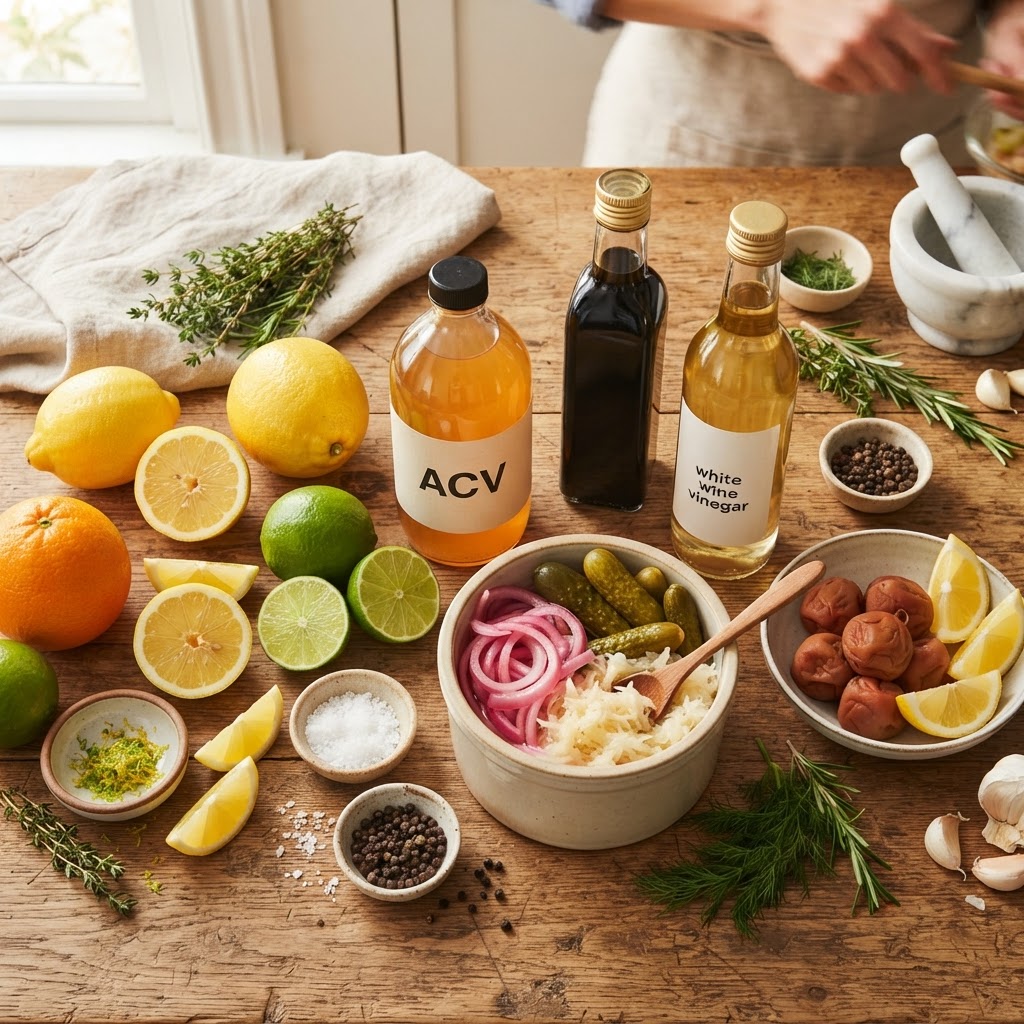
Vinegar is perhaps the most diverse tool in your pantry. Ranging from the deep, oaky sweetness of Aged Balsamic to the clean, sharp bite of Distilled White Vinegar, each variety brings a distinct personality to the table. For daily cooking, I recommend keeping three staples: a high-quality Sherry Vinegar, a bright Apple Cider Vinegar, and a classic Red Wine Vinegar. Sherry vinegar is the secret weapon of many professional kitchens because it sits comfortably between the complexity of a balsamic and the punch of a wine vinegar.
Selecting Your Vinegar
When shopping for vinegar, look for terms like "naturally fermented" or "barrel-aged." Avoid cheap, industrially produced vinegars that contain added artificial colors or flavors. These products often have a harsh, chemical finish that can ruin a delicate sauce. If you want to test the quality of your vinegar, take a small drop and taste it on its own. A good vinegar will have a sharp entry, but it should mellow quickly, leaving a clean, almost fruity aftertaste. A bad vinegar will stick to the back of your throat with an unpleasant, metallic astringency.
Sherry Vinegar:* Best for deglazing pans, enriching mushroom dishes, and brightening creamy dressings.
Apple Cider Vinegar:* Ideal for pickling, marinades, and pork-based braises due to its slight fruitiness.
Red/White Wine Vinegar:* The workhorse for vinaigrettes, cold salads, and deglazing light proteins like poultry.
Balsamic Vinegar:* Reserve the thick, syrupy aged versions for finishing dishes; use the thinner, cheaper variety only for reductions.
The Power of Citrus: Precision Souring
Citrus provides a different kind of acid than vinegar—it is more aromatic and "wet" in its acidity. The primary acids in citrus are citric acid and ascorbic acid, which provide a zesty, clean sensation that is harder to replicate with fermented liquids. The key to working with citrus is realizing that the acid is only half the story; the volatile oils in the zest are what provide the signature perfume that defines a dish. When you see a recipe call for "juice and zest," treat them as two entirely separate ingredients with different functions.
The Technique of Zesting and Juicing
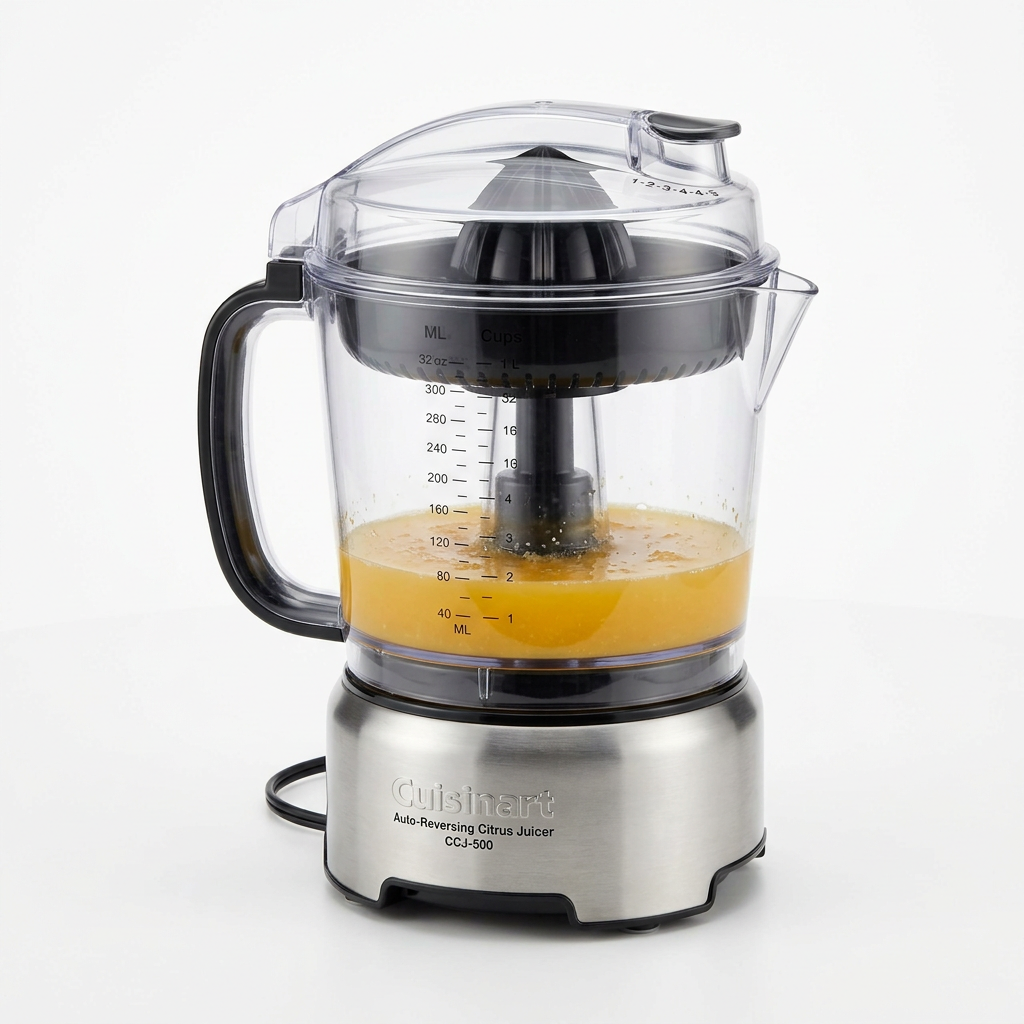
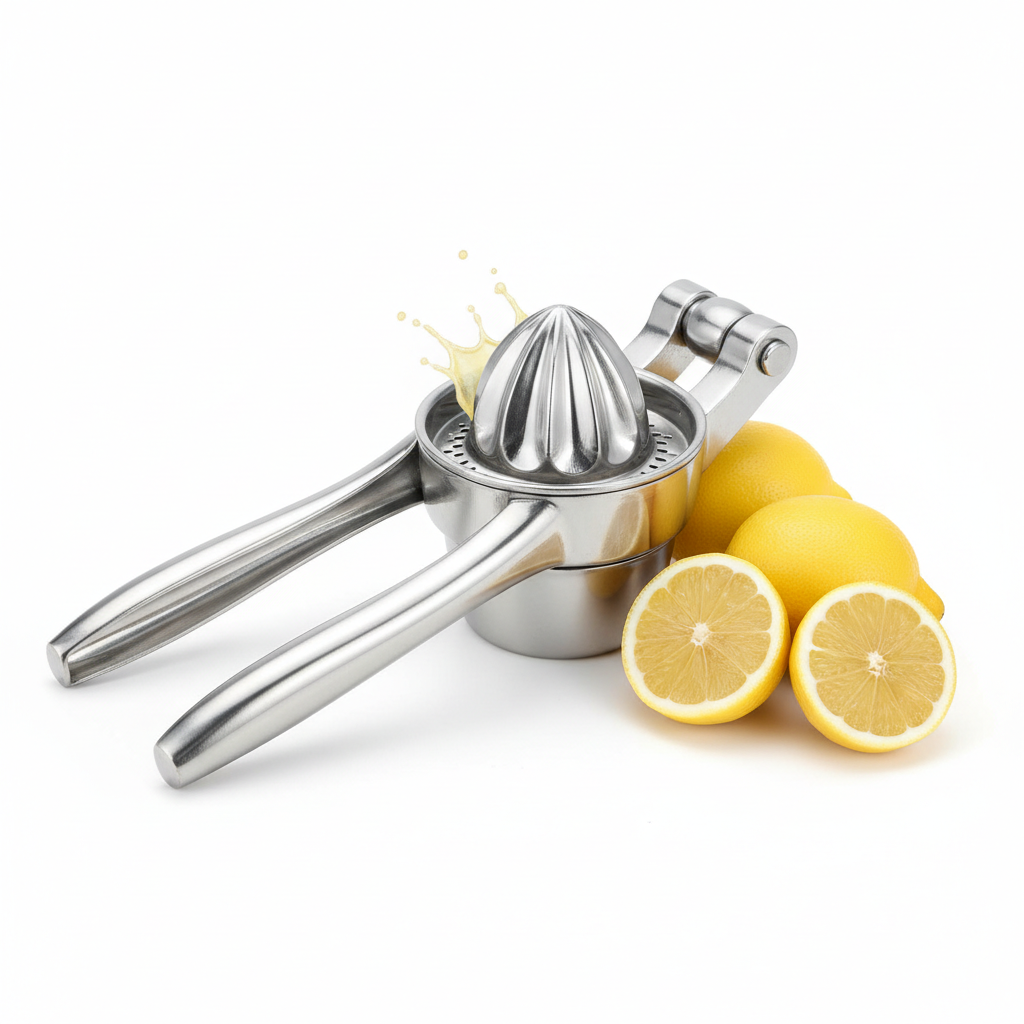
To get the most out of your citrus, always zest before you juice. A microplane is the best tool for this, allowing you to get the flavorful oils of the flavedo (the colored part of the skin) without the bitter, spongy pith underneath. When juicing, don't just squeeze by hand; use a handheld reamer and strain the juice if you want a cleaner presentation. If you are heating citrus, do so gently. High heat destroys the delicate aromatic compounds of lemon and lime, turning their bright, sunny character into something muted and slightly bitter.
"If you find your pan sauce lacks depth, reach for a lemon, not the salt shaker. The acid will amplify the salt already present in your reduced stock, creating an illusion of depth that didn't exist a moment ago."
Lemon:* The most versatile. Use it to brighten fish, chicken, and green vegetables.
Lime:* Offers a sharper, more piercing acidity. Perfect for Southeast Asian cuisine and anything involving chilies.
Orange/Grapefruit:* Use these for their sweetness-to-acid ratio. They are excellent for slow-cooked duck or pork where you need a bit of sugar to balance the salt.
Fermentation: The Deep Dive into Umami
Fermented fruits and juices provide a complex, layered acidity that vinegar and citrus simply cannot match. Think of the funk of kimchi, the sweetness of miso, or the tang of preserved lemons. Fermentation uses microbes to break down sugars and proteins, creating new flavors along with a pleasant, lactic-style acid. Unlike the immediate "pop" of a lemon, fermented acid is a slow burn that lingers on the palate, adding a deep savory quality often referred to as umami.
Incorporating Fermented Ingredients
Start small when experimenting with fermented elements. Because they are often quite salty and potent, a little goes a long way. Preserved lemons, a staple of Moroccan cooking, are a perfect entry point. The pickling process removes the harsh bitterness of the rind, leaving a salty, floral, citrus-heavy condiment that can transform a simple stew. To use them, scrape out the pulp (if you don't want the texture) or mince the peel finely and fold it into grains or sauces at the very end of cooking.
Deglazing: The Art of the Pan Sauce
One of the most professional ways to use acid is the deglaze. When you sear meat or vegetables, you leave behind fond—the browned, caramelized bits stuck to the bottom of your pan. This fond is pure flavor, but it needs to be lifted into a liquid state to become a sauce. By adding an acidic liquid like wine, vinegar, or citrus juice to a hot pan, you dissolve these sugars and incorporate them into a complex reduction that defines "restaurant quality" cooking.
The Step-by-Step Deglazing Process
To execute a perfect pan sauce, first remove your protein and set it aside to rest. Drain off excess fat, leaving just enough to coat the bottom. Turn the heat to medium-high and add your chosen acid. Use a wooden spoon to scrape the bottom of the pan vigorously. You will hear a sizzle and see the brown bits release. Reduce the liquid by half, then whisk in a knob of cold butter to mount the sauce—this technique, known as monter au beurre, gives the sauce a glossy, thick texture that coats the back of a spoon.
Temperature Control:* Ensure your pan is hot but not smoking when you add the acid; too hot, and it will burn; too cool, and you won't release the fond.
Reduction:* Don't rush this. Let the acid cook until it is syrupy and the harsh, vinegary smell has dissipated, leaving only the concentrated, complex flavor.
Consistency:* The butter should be added away from direct heat to ensure it emulsifies rather than breaks into oily droplets.
Balancing the Equation: Salt vs. Acid
The relationship between salt and acid is symbiotic. Salt increases the volume of flavor, while acid provides the focus. If you taste a dish and it feels "heavy" or "cloying," you have likely over-salted or used too much fat. Adding an acidic element at this point will distract the palate from the saltiness, making the dish seem balanced again. However, there is a limit. You cannot fix a dish that is catastrophically salty; you can only mitigate it. Understanding this distinction is what separates the home cook who follows a recipe from the chef who cooks by instinct.
Troubleshooting Common Mistakes
If your dish tastes one-dimensional, don't just add more spice. Ask yourself: is there enough brightness? If you are making a tomato sauce that tastes flat, try a half-teaspoon of balsamic or a squeeze of fresh lemon juice. If you are making a cream-based soup that feels too thick and coats the throat, a splash of white wine vinegar can cut through that coating sensation instantly. When in doubt, taste, add a drop, and taste again. You can always add more, but you can never take acid out once it’s in the pot.
"The difference between a home-cooked meal and a restaurant meal is often just a teaspoon of acid added at the exact right moment."
Cultivating Your Culinary Intuition
Cooking is a lifelong journey of developing your sensory memory. As you become more confident with acids, start keeping a notebook. Note which vinegars pair best with which proteins—you’ll quickly learn that red wine vinegar and beef are natural partners, while white vinegar and delicate white fish can sometimes clash. Don’t be afraid to experiment with infusions; try putting a strip of lemon peel in your olive oil or adding a splash of cider vinegar to your next batch of homemade chili.
As you refine your approach, keep these professional principles in mind:
Taste constantly:* The state of your food changes every minute it is on the heat.
Respect the ingredients:* A high-end 25-year-aged balsamic should never be cooked; it is a finishing ingredient.
Start small:* Acid is powerful; learn to use it in increments of a teaspoon or even a few drops.
Use the right acid for the task:* Don't use a highly aromatic, sweet vinegar in a dish that requires a clean, neutral bright finish.
Final Thoughts
Mastering the art of acidity is perhaps the most significant milestone in a home cook's development. It moves you away from relying on heavy sauces and excessive butter to flavor your food, and toward a philosophy of clarity and precision. By understanding the chemical properties of vinegar, citrus, and fermentation, you gain the agency to fix, enhance, and ultimately finish your dishes with a professional flair. Remember, cooking is not a static process; it is a conversation between you and your ingredients. When you add that final squeeze of lemon or that judicious splash of sherry vinegar, you aren't just adjusting the pH; you are bringing the dish to life.
Take the time this week to experiment. Pick a dish you make often—perhaps a roast chicken or a simple lentil soup—and intentionally try finishing it with three different types of acid. Notice how the balsamic version changes the texture of the glaze compared to the apple cider vinegar version. These small, sensory observations are the building blocks of culinary intuition. Keep your pantry stocked with high-quality, diverse acids, and you will find that you no longer need to "Blame The Chef" when something feels off—you will have the tools to correct it yourself. Happy cooking, and may your dishes always be bright, balanced, and perfectly finished.
When you master the art of the acid, you start to see the kitchen in a new light. You realize that a recipe is merely a suggestion, and that the true chef is the one who knows how to adjust the profile based on the ingredients at hand. You will start to notice when a dish is screaming for brightness and be able to supply it without hesitation. This level of confidence allows you to cook with freedom, moving from a rigid follower of instructions to a creator of flavors. Whether you are throwing together a quick weeknight dinner or preparing a complex feast for friends, always keep that bottle of high-quality acid within reach. It is, quite literally, the most important seasoning in your arsenal.
Continue to explore the world of fermented products, as they offer the most depth. Try making your own quick pickles using a simple brine of vinegar, water, sugar, and salt. Explore the world of shrubs for both drinking and culinary applications. Once you see how effectively acid can transform a meal, you will never view a bowl of soup or a piece of seared fish the same way again. The journey of the home cook is paved with trial and error, but with acid as your guide, you will find that the path to a perfect, balanced plate becomes much clearer. Embrace the tang, seek the balance, and enjoy the transformative power of the acidic finish.
As we conclude this deep dive, reflect on your next meal. Think about the layers of flavor and the balance of the components. Is it salty enough? Is it rich enough? Is there a subtle, sharp note that pulls everything together and makes the flavors sing? If the answer is no, you know exactly what to do. Reach for that vinegar, that citrus, or that fermented treasure, and apply it with confidence. The beauty of cooking lies in these small adjustments that yield big results, and now, you are fully equipped to make them with the precision of a professional. Keep pushing your boundaries, keep tasting as you go, and remember that perfection is often just a drop away.
The culinary landscape is vast and full of ingredients that can change the way you cook forever, but none are as vital as the ones that provide that essential, sharp edge. By mastering the application of acid, you have unlocked the ability to create food that is not only technically correct but also genuinely exciting to eat. The shift from "okay" to "extraordinary" is rarely about adding more ingredients, but about refining the ones you have. With these techniques for balancing flavor profiles, you are ready to take your cooking to the next level, one perfectly bright bite at a time. The kitchen is your laboratory, and the acid is your catalyst; start your experiments today and enjoy the delicious results of a well-balanced plate.
Finally, remember that the most important ingredient in any dish you make is your own palate. Trust your taste buds over the clock or the written recipe. If it feels right, it is right. There is a profound satisfaction in finishing a dish and knowing, with absolute certainty, that it is perfectly seasoned. That feeling of mastery is the ultimate reward for any home cook. We hope this guide serves as a foundational resource for your culinary adventures. Thank you for joining us here at Blame The Chef; we look forward to seeing the bright, balanced, and bold creations you serve on your table. Keep sharpening your skills, and keep that pantry well-stocked with the best acids you can find. Your future meals will thank you for it.

Get the Next Recipe
Weekly recipes, techniques, and gear picks — straight to your inbox.
