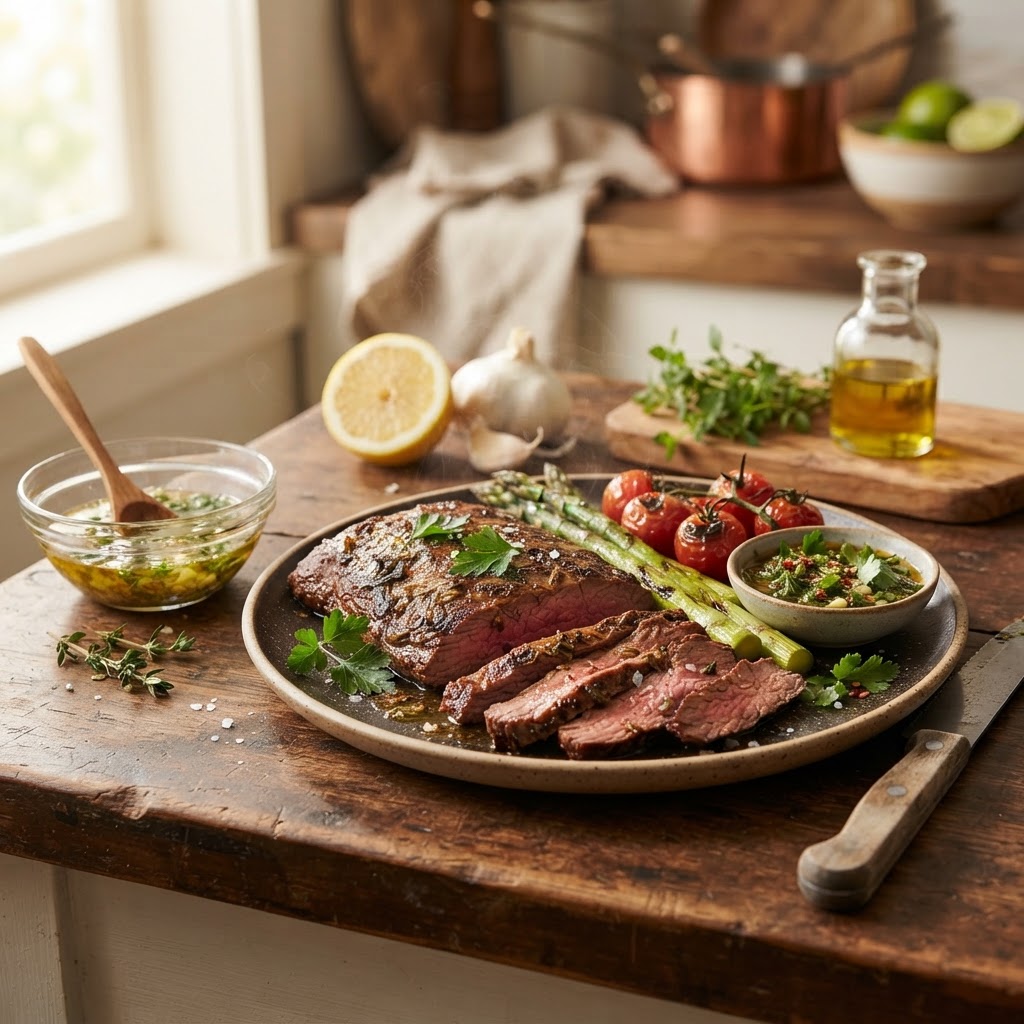
The Home Cook’s Guide to Acid-Based Marinades: Using Enzymes and pH to Tenderize and Infuse Tougher Cuts of Meat
There is an age-old secret hidden in the back of the pantry that separates the competent home cook from the truly exceptional one: the art of understanding acidity. Many people approach marinades as mere flavoring agents, splashes of soy sauce or oil intended to simply coat the surface of a steak, but that is a fundamental misunderstanding of culinary chemistry. An acid-based marinade is actually a potent tool for transformation, capable of altering the very structure of proteins and infusing tough, inexpensive cuts of meat with a level of tenderness that rivals the most expensive prime cuts. When you master the delicate dance between pH levels and enzymatic activity, you stop fighting against your ingredients and start collaborating with them to achieve professional results right in your own kitchen.
To grasp the power of acid, you must first look at the anatomy of meat itself. Muscle fibers are bundled together by connective tissues, primarily collagen, which can be remarkably tough and resistant to heat if not handled properly. Acids—derived from citrus, vinegar, wine, or even yogurt—work by slowly denaturing these proteins and breaking down the stubborn fibers. However, this is not a process that should be rushed or left to chance; leave a piece of meat in a highly acidic solution for too long, and you will find your dinner turning into a mushy, unappealing disaster. The goal is to reach a point of perfect equilibrium where the meat is tenderized enough to melt in your mouth without losing its integrity or natural texture.
In the following guide, we will peel back the curtain on how to build the perfect acid-based marinade from scratch. We will cover the science of pH, the surprising role of biological enzymes found in common fruits, and the essential ratios that prevent your meat from becoming over-marinated. Whether you are tackling a flank steak, a pork shoulder, or a batch of chicken thighs, the principles remain the same. Once you understand the mechanism behind the chemistry, you will no longer look at a recipe as a rigid set of instructions, but as a framework for creativity. Put on your apron, sharpen your knives, and prepare to elevate your home cooking to a level that will make everyone ask who taught you these secrets.
The Chemistry of Acid and Protein Denaturation
When we talk about tenderization, we are essentially talking about the manipulation of protein structures. Meat consists of muscle fibers encased in connective tissue. Acids, which possess a low pH level, interact with these proteins by breaking the hydrogen bonds that hold them together. This process, known as denaturation, causes the tightly coiled proteins to unwind and relax. Think of it as untangling a messy knot of yarn; once those fibers are loose, the meat is physically softer and more receptive to absorbing moisture and flavor compounds from the marinade.
However, the efficacy of an acid depends heavily on its concentration and the type of acid being used. Vinegars like balsamic or apple cider are quite potent and require dilution with oil or water to prevent them from "cooking" the meat prematurely. On the other hand, citrus juices like lime or lemon contain citric acid, which is highly efficient at breaking down collagen. Dairy-based marinades, such as buttermilk or yogurt, rely on the mild lactic acid found within them, which is perhaps the gentlest and most reliable way to tenderize chicken or lamb over a longer period without compromising the texture of the meat.
It is important to remember that acid does not replace heat; it merely prepares the meat to receive it more effectively. If the acid is too concentrated or left for too long, it can lead to a chalky or grainy surface texture on the meat, as the proteins become so denatured that they begin to precipitate out of the solution. Always aim for a balanced marinade where the acidic component comprises about 25% to 30% of the total volume, ensuring the other ingredients have room to contribute to the overall flavor profile.
The Role of pH Levels in Marinade Design
The pH scale measures how acidic or alkaline a substance is, with 7 being neutral. Most marinades fall into the range of 3.0 to 5.0. When the pH drops below 3.0, the acidity is aggressive enough to significantly alter the texture of the meat within minutes. For long-term marinades, you want a higher pH (closer to 5.0), while shorter marinades benefit from a lower, punchier pH (closer to 3.5).
"The difference between a tough cut of meat and a fork-tender experience often boils down to a simple balance of acids. Don't fear the vinegar; respect its strength, and you will unlock a world of texture that most home cooks leave on the table."
Enzymatic Tenderization: Nature’s Biological Tools
While acids work by chemical reaction, enzymes work by biological intervention. Certain fruits contain natural enzymes that are incredibly efficient at breaking down the collagen that holds muscle fibers together. Bromelain, found in pineapples, and papain, found in papayas, are the heavy hitters of the culinary world. Unlike acid, which works from the outside in, enzymes can be quite aggressive and will continue to break down proteins until the meat turns into a paste if left unattended for too long.
Using these enzymes requires precision and a watchful eye. A marinade containing fresh pineapple juice will tenderize a tough flank steak in as little as 30 to 60 minutes. If you leave that same steak in the mixture for four hours, you will find that the surface has become unpleasantly mushy. It is essential to use fresh fruit for these enzymes; pasteurized or canned juices often have the enzymes denatured by the heat used during the canning process, rendering them useless for tenderization.
If you are intimidated by the power of enzymes, start with ginger. Ginger protease is a much milder enzyme that offers a fantastic, subtle tenderizing effect for beef or pork. It provides a warm, spicy flavor profile that pairs beautifully with soy-based marinades. Incorporating grated fresh ginger is an excellent way to introduce yourself to enzymatic tenderization without the risk of over-processing your dinner. Always keep a close track of your time when using high-enzyme ingredients, as they are truly the "accelerators" of the culinary world.
Safety and Handling of Enzyme-Rich Ingredients
The Holy Trinity: Acid, Fat, and Flavor
A marinade is rarely just about the acid. To achieve a perfectly cooked piece of meat, you need a balanced approach consisting of an acid, a fat, and a flavor base. The fat serves a dual purpose: it acts as a carrier for fat-soluble flavor compounds (like garlic, herbs, and spices) and provides a protective layer that helps brown the meat more evenly in the pan. Without fat, the acid in your marinade might cause the meat to steam rather than sear, leading to a grey, unappealing crust.
The flavor base is where you inject personality into your dish. This is where your aromatic components come into play—think crushed garlic, toasted cumin, fresh thyme, or even a splash of Worcestershire sauce. The goal is to build a "flavor bridge" between the acidic components and the fat. By layering these ingredients, you ensure that as the acid relaxes the meat, the fats are carrying those savory notes deep into the fibers, creating a multi-dimensional taste experience that lingers on the palate.
When assembling your marinade, consider the ratios. A standard, reliable ratio is two parts fat (olive oil, grapeseed oil, or yogurt) to one part acid (lemon juice, vinegar, wine). If you are using a very acidic base, such as red wine vinegar, you might want to increase the fat to three parts to dampen the sharpness. Don't forget a touch of sweetness—a teaspoon of honey, molasses, or brown sugar can counteract the harshness of the acid and facilitate better caramelization during the cooking process.
"A well-crafted marinade is like a symphony; the acid is the percussion that provides the structure, the fat is the melody that carries the theme, and the aromatics are the flourishes that give the piece its soul."
Selecting the Right Cut for the Job
Not all meats are created equal, and understanding which cuts respond best to an acid-based marinade is key to avoiding waste. Tougher, more muscular cuts like flank steak, skirt steak, hanger steak, and pork shoulder are the ideal candidates. These cuts are packed with flavor but are loaded with connective tissue that benefits greatly from the softening effects of a pH-adjusted marinade. Leaner, more tender cuts like filet mignon or pork tenderloin rarely need such an aggressive treatment; in fact, a heavy marinade can actually detract from their natural, delicate texture.
When selecting meat for marination, look for marbling. Intramuscular fat will melt during the cooking process, complementing the work the acid has done on the protein fibers. If you are using a very lean cut, be extra careful with your marinade timing, as the lack of fat means the acid can penetrate and degrade the surface much faster than it would in a well-marbled piece of protein. The goal is to choose a cut that has enough structural integrity to hold up to the marinade without falling apart.
Preparation is just as important as selection. Always pat your meat dry before marinating; excess surface moisture acts as a barrier that prevents the marinade from making proper contact with the meat. If you are working with large pieces, consider scoring the surface lightly with a sharp knife. This increases the surface area and allows the marinade to penetrate deeper into the muscle fibers, effectively cutting down your marinating time and ensuring a more even distribution of both acid and flavor.
Best Cuts for Acid-Based Marinades
Master Techniques for Proper Marination
The technique you use to apply your marinade is often overlooked, but it can significantly impact your final results. The most common mistake is marinating in a shallow dish where the meat is only partially submerged. To get the best results, use a heavy-duty resealable bag or a tight-fitting container that holds the meat snugly. By removing as much air as possible from the bag, you force the marinade into direct contact with every square inch of the meat's surface. This is particularly important for smaller cuts like cubed proteins for skewers.
Temperature also plays a vital role. Never marinate meat at room temperature for extended periods, as this invites the growth of harmful bacteria. Always keep your marinating meat in the refrigerator. However, bring your meat out of the fridge at least 30 to 45 minutes before cooking. A cold piece of meat hitting a hot pan will lead to uneven cooking, and the rapid temperature change can cause the fibers to seize, negating all the tenderizing work you just performed.
Finally, consider the "resting" period after marinating. Once you remove the meat from the liquid, wipe off any excess surface solids like garlic or herbs that could burn in the high heat of your pan or grill. Let the meat rest for a few minutes on a wire rack. This allows the surface of the meat to dry out slightly—which is crucial for achieving that beautiful, dark-brown Maillard reaction—and ensures the interior proteins stabilize before they hit the heat.
Pro Chef Tips for Success
Avoid Metal Containers:* Reactivity is a real issue. Acids will react with aluminum, copper, or reactive stainless steel, leading to a metallic, off-putting taste. Always use glass, ceramic, or BPA-free plastic.
The Drying Step:* If you want a restaurant-quality sear, your meat must be dry. Even if it was marinated in liquid, a quick pat-down with a paper towel is the secret to a perfect crust.
Don't Reuse:* Never reuse a marinade that has been in contact with raw meat unless you boil it for at least 5-10 minutes to kill any pathogens. It is generally safer to make a fresh batch to use as a serving sauce.
Troubleshooting Common Marinade Problems
Even the most experienced cooks encounter the occasional "over-marinated" cut. If your meat comes out feeling mushy or chalky, you have likely left it in an acidic or enzymatic solution for too long. While you cannot "fix" meat that has been structurally compromised, you can pivot your cooking strategy. Turn that meat into a stir-fry or a stew where the texture is less critical and the focus is on the integrated flavors. Preventing this starts with better planning and tighter adherence to time limits.
Another issue is the "browning problem." If your marinade is heavy on sugars—common in honey or soy-based preparations—the outside of your meat will burn long before the inside is cooked through. If you notice your marinade has a high sugar content, lower the heat of your pan or grill slightly. You may need to rely on indirect heat for the majority of the cooking time, reserving the high heat only for the very final minute to achieve the desired browning.
Lastly, do not forget the importance of salt. Many people treat salt and acid as separate entities, but they work in tandem. Salt helps to denature proteins and draw moisture out of the meat, which the meat then reabsorbs, taking the marinade with it. If your marinade lacks salt, the acid will struggle to penetrate, and your finished dish will likely taste bland, no matter how much vinegar you used. Integrate salt into the marinade early, but remember that some commercial soy sauces or fish sauces are already quite salty; adjust your additional salt accordingly.
The Marinade Timing Chart
| Protein Type | Acid Strength | Recommended Time |
| :--- | :--- | :--- |
| Thin Sliced Beef | High (Lemon/Lime) | 30 - 60 minutes |
| Thick Steak (Flank) | Moderate (Wine/Vinegar) | 2 - 4 hours |
| Chicken Thighs | Low (Buttermilk/Yogurt) | 4 - 8 hours |
| Pork Shoulder | Moderate (Citrus/Vinegar) | 6 - 12 hours |
The Impact of Acid on Final Flavor Profiles
When the meal is finally plated and you take that first bite, the impact of your acid-based marinade should be subtle. You shouldn't be tasting a mouthful of vinegar; instead, you should experience a brightness that cuts through the richness of the meat. A good marinade cleanses the palate, making each bite feel as vibrant as the first. This is particularly important for heavier meats like lamb or beef, which can feel fatty or heavy if not balanced by a acidic counterpart.
Consider the regionality of your marinades. Mediterranean cooking often leans on lemon, oregano, and olive oil, creating a light and airy profile perfect for grilled skewers. Conversely, East Asian techniques often utilize rice vinegar, soy, and ginger, which offer a deeper, more savory complexity that stands up well to high-heat wok cooking. By mastering the pH and the enzymatic balance, you gain the ability to replicate these classic profiles and invent your own, creating a culinary identity that is distinctly yours.
Ultimately, remember that the marinade is only the beginning of the story. The quality of your meat, the heat of your fire, and the care you put into the resting period are all chapters in the same book. The acid-based marinade is your primary tool for establishing the texture and the foundation of flavor. Once you have these basics down, you stop just following recipes and start cooking with intent. That is where the magic happens, and that is exactly why we continue to return to the stove day after day.
Final Thoughts
Mastering the use of acid in the kitchen is akin to learning a new language. At first, it feels complex, with rules about pH, protein structure, and enzymatic timing that seem daunting. But with each marinade you create, the process becomes more intuitive. You learn to listen to the meat, to understand how a piece of flank steak reacts to a touch of lime juice, or how a chicken thigh softens under the gentle influence of lactic acid. These aren't just laboratory experiments; they are the fundamental components of delicious, high-quality cooking that you can bring to your family dinner table every single night.
Remember that the goal is always balance. You are not trying to mask the natural flavor of the protein, but rather to enhance its texture and provide a canvas for your chosen flavor profile. Whether you are using the aggressive power of pineapple enzymes for a quick mid-week dinner or the slow, patient breakdown of a buttermilk soak for a weekend feast, the principles remain the same. Be deliberate with your ingredients, respect the time constraints, and never underestimate the transformative power of a well-balanced marinade.
As you continue your culinary journey, keep a journal of your successes and your lessons learned. Note how different vinegars change the flavor of a specific cut of beef, or how the texture changes after four hours versus eight. Cooking is an iterative process, and by treating each meal as an opportunity to experiment, you will quickly find that your confidence in the kitchen grows exponentially. The "Blame The Chef" philosophy is built on the idea that there is no such thing as a "perfect" cook, only one who is constantly learning, experimenting, and refining their approach. So go forth, experiment with your acids, and most importantly, enjoy the process of turning raw ingredients into something truly extraordinary. Your kitchen is your laboratory, and the results are yours to savor.
When you think about the vast history of culinary art, you realize that humans have been using acidic preservation and tenderization for centuries. From the ceviche of South America to the buttermilk-brined fried chicken of the American South, these techniques are embedded in our cultural heritage for a reason: they work. By applying the science of pH and enzymatic breakdown, you are connecting yourself to a lineage of cooks who understood that sometimes, the simplest chemical reactions yield the most sophisticated results. Never stop questioning why a recipe works, and never stop pushing the boundaries of what you can create in your own home kitchen.
The next time you stand before a tougher cut of meat, don't walk away. Instead, embrace the opportunity to demonstrate your control over the proteins and your mastery of the marinade. Think of the acid, the fat, the aromatics, and the time—those are your variables. Adjust them, taste them, and adjust them again. Your kitchen is the ultimate classroom, and every meal is a chance to prove that you possess the skills to transform the ordinary into the sublime. Now, go fire up the grill, get your ingredients prepped, and let the science of the marinade take your cooking to new, incredible heights.


Get the Next Recipe
Weekly recipes, techniques, and gear picks — straight to your inbox.
