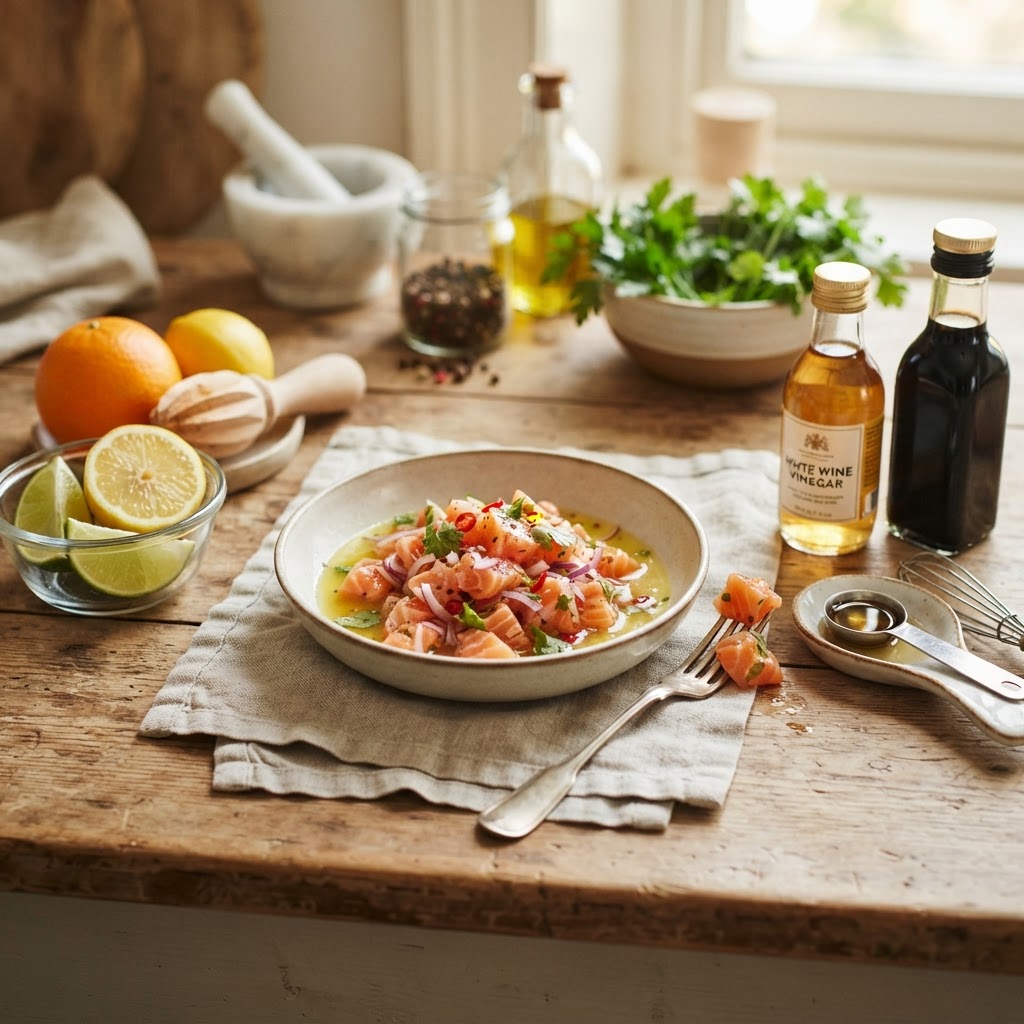
The Home Cook’s Guide to Acidulation: Mastering Citrus and Vinegar Ratios for Brightening Flavors and Tenderizing Proteins
If you have ever felt that your cooking is missing that elusive "something," that spark that elevates a home-cooked meal from simply edible to truly restaurant-worthy, the answer is almost certainly acid. Home cooks often obsess over salt, fat, and heat, but they frequently neglect the fourth pillar of flavor, which is acidulation. Mastering the art of using citrus and vinegar is the secret weapon of professional chefs, serving as the bridge that connects disparate ingredients and highlights the natural characteristics of your food. Without the brightening effect of an acidic component, dishes can often taste flat, heavy, or one-dimensional, even if you have seasoned them perfectly with salt.
Understanding how to properly integrate acid into your daily cooking requires more than just a squeeze of lemon over a piece of fish. It involves learning how to balance pH levels to alter the texture of proteins, emulsify vinaigrettes, and cut through the richness of fats. Acid works by stimulating the palate and signaling to your brain that the food is fresh and vibrant, effectively waking up the taste buds. In this guide, we will explore the science and the intuition behind acidity, giving you the confidence to adjust your recipes on the fly, whether you are braising a tough cut of meat or finishing a delicate velouté.
At "Blame The Chef," our goal is to demystify these professional-grade techniques so you can bring them into your own kitchen with ease. We believe that once you grasp the relationship between acid and flavor, your reliance on recipes will diminish, replaced by a refined culinary instinct. You will begin to taste your food as a chef does—critically evaluating not just the saltiness, but the lift, the zest, and the depth of flavor. By the time you reach the end of this guide, you will be equipped to transform your everyday cooking into a symphony of balanced, bright, and unforgettable meals.
The Science of Acid: Why Your Palate Craves the Sour
Acidity is a fundamental sensory experience, perceived on the sides of the tongue. When we introduce acidulation—the process of adding an acidic substance to a dish—we are essentially manipulating the chemistry of the ingredients. Chemically, acids are hydrogen ion donors, and in a culinary context, they react with proteins and fats to create a more dynamic flavor profile. The key to successful cooking is learning how to use this chemistry to prevent flavor fatigue, which occurs when a palate becomes overwhelmed by repetitive, heavy, or fatty tastes.
"The difference between a dish that sits heavy on the tongue and one that dances is almost always a calculated hit of acid. It is the high note in a musical composition, the sharp edge that defines the rest of the melody."
When you add a dash of vinegar to a simmering soup or a squeeze of fresh lime to a creamy taco, you are doing more than changing the flavor; you are physically altering how those flavors reach your olfactory system. Acids help to evaporate aromatic compounds, allowing you to smell and taste the nuance of herbs, vegetables, and proteins more clearly. This is why a salad dressing without vinegar feels greasy, while one with the proper ratio feels refreshing and light.
pH Levels and Culinary Perception
Understanding the pH scale—which ranges from 0 (highly acidic) to 14 (highly alkaline)—is a helpful tool for the serious home cook. Most vinegars sit between 2.5 and 3.5, while citrus juices generally fall between 2 and 3. When you introduce these to a sauce or a meat, you are lowering the overall pH of the dish. This lower pH is vital for tenderizing proteins, as it begins to denature the proteins, softening tough connective tissues over time. However, it is a delicate balance; too much acid can make a dish taste harsh or metallic, while too little leaves it dull.
Mastering the Vinegar Pantry
The world of vinegar is vast, ranging from the mild, sweet notes of balsamic to the piercing sharpness of distilled white vinegar. A well-stocked pantry should contain at least four types: a high-quality red wine vinegar for robust dressings, a white wine or champagne vinegar for delicate emulsified sauces, apple cider vinegar for its fruit-forward complexity, and rice vinegar for Asian-inspired dishes. Each vinegar brings a different "personality" to the table, and knowing which one to reach for is the first step toward mastery.
Vinegar is essentially the product of a double fermentation: sugar turns to alcohol, and then specific bacteria (acetobacter) convert that alcohol into acetic acid. The quality of the base ingredient matters immensely. A cheap white vinegar is great for pickling or cleaning, but you wouldn’t want it in a delicate hollandaise. When selecting vinegars, look for labels that mention "mother," which indicates an unpasteurized product with more depth and complexity.
The Art of the Vinaigrette Ratio
The classic vinaigrette ratio is 3 parts fat to 1 part acid. While this is a foundational rule, it is not a law. For a punchy dressing, you might use a 2:1 ratio, while for a delicate emulsification, you might lean closer to 4:1. To master this:
Citrus: The Freshness Factor
Unlike vinegar, which offers a fermented, sharp pungency, citrus provides freshness and essential oils. The magic of citrus often lies in the zest, which contains aromatic oils that can transform a dish without the aggressive acidity of the juice itself. When using lemons, limes, or oranges, always aim to use both parts—the zest for perfume and the juice for the structural, acidic lift.
When working with citrus, temperature matters significantly. A room-temperature lemon will yield significantly more juice than a cold one, as the cellular walls of the fruit are more pliable. Before juicing, give the fruit a firm roll on the countertop under the palm of your hand; this breaks down the internal segments and releases more liquid.
Dealing with Tannins and Bitterness
Sometimes, we encounter dishes that feel bitter—perhaps a kale salad or a roasted broccoli dish. Acid is the perfect antidote to bitterness. Just as a pinch of salt suppresses the perception of bitterness, a small amount of acid neutralizes it, making the food taste cleaner and more pleasant. This is why lemons are almost always served with fried, bitter, or heavily charred foods.
"If your dish feels like a dark room, acid is the act of throwing open the curtains. It doesn't change what is in the room, but it makes every detail suddenly visible and vibrant."
When cooking with citrus in heat, be mindful of timing. The bright, floral aromas of fresh lemon juice are heat-sensitive and will degrade if cooked for too long. For the best result, add your citrus juice at the very end of the cooking process to preserve its volatile aromatics. Zest, however, can handle a bit more heat and is wonderful when added during the middle stages of cooking to infuse flavors deep into the protein or sauce.
Tenderizing Proteins: The Acid Marinade
Using acid to tenderize protein is a classic technique, but it is one that requires careful management. Because acids denature proteins, leaving meat in an acidic marinade for too long—such as citrus-heavy ceviche or a strong vinegar-based BBQ marinade—can lead to a "mealy" or mushy texture. The proteins break down to the point where they lose their structural integrity.
The ideal marinating time depends on the protein. For delicate white fish, 15 to 30 minutes in a citrus bath is sufficient to cook the surface of the meat—a process known as chemical cooking. For tougher cuts of beef or pork, a milder, yogurt- or vinegar-based marinade can be used for 4 to 12 hours. The yogurt, being slightly acidic, provides a gentle tenderizing effect that vinegar alone cannot achieve, as the calcium and lactic acid work in tandem.
Professional Tips for Marination
Avoid reactive vessels:* Always marinate in glass, stainless steel, or plastic. Avoid aluminum or copper, as they can react with the acid and impart a metallic, off-putting taste to your food.
Don't over-acidify:* If a recipe calls for an acidic marinade, ensure there is enough fat (oil, yogurt, or buttermilk) to coat the protein and protect it from becoming overly denatured.
Pat dry before searing:* This is the most crucial tip for a perfect sear. Acids contain water, and excess moisture is the enemy of a golden-brown crust. Always pat your meat completely dry with paper towels after removing it from an acidic marinade before hitting the hot pan.
Balancing the Four Pillars: Salt, Fat, Acid, Heat
The synergy between the four pillars is where true culinary art resides. When you find a dish is too salty, the home cook’s instinct is often to add more liquid. However, adding more acid is often the better solution, as the sharpness helps to distract the palate from the salinity. Similarly, if a dish is too fatty or greasy, acid acts as a "cleanser," cutting through the lipid coating on your tongue and resetting your palate for the next bite.
Consider a rich, braised short rib dish. It is fatty, savory, and deep. If you serve it as is, the meal can feel heavy and exhausting to eat. By finishing the reduction with a splash of red wine vinegar or a squeeze of lemon juice stirred into a gremolata, you provide the necessary contrast. The dish suddenly becomes balanced, making each bite as enjoyable as the first.
The "Spoon Test" for Success
How do you know when you have achieved the perfect balance? Use the Spoon Test. Before you serve your dish, take a small sample and add a tiny drop of acid (vinegar or juice). Taste it. Then, take another sample without the acid. The version that makes your mouth water—a physiological response known as salivation—is the version that is balanced. If your mouth doesn't water, add more acid. If the acid is all you can taste, you have gone too far and need to add a pinch of sugar or more fat to mellow the profile.
Advanced Techniques: Pickling and Reduction
For the adventurous home cook, moving beyond basic acidulation means learning how to manipulate acids through heat. Gastriques—a classic French technique involving the reduction of vinegar and sugar—provide a complex, sweet-and-sour glaze that is perfect for roasted vegetables or seared duck breast. By caramelizing the sugar and then deglazing with vinegar, you create a depth of flavor that is vastly superior to a simple sauce.
Pickling is another method of preserving flavor while concentrating acidity. Whether you are doing quick-pickled red onions or lacto-fermented cucumbers, you are creating a condiment that adds a concentrated "pop" of acidity to any dish. Keeping a jar of pickled onions in your fridge is a professional-grade secret; they can be added to tacos, salads, sandwiches, or even atop a grilled steak to instantly elevate the meal.
The Gastrique Ratio for Success
Building Your Culinary Intuition
As you spend more time in the kitchen, you will notice that recipes often suggest "seasoning to taste." This is the part of the recipe that intimidates most people, but it is actually the most liberating. It implies that the chef expects you to be the final arbiter of flavor. When you are reading a recipe and see that call to action, think of your acid of choice. Have you accounted for the richness? Is the brightness there?
Remember that acidity is subjective. Some people prefer a sharper, more citrus-forward profile, while others prefer the mellow depth of a balsamic or cider vinegar. Do not be afraid to experiment. Take a simple pot of chicken noodle soup and try serving it with a side of lemon wedges. Ask your guests to squeeze the juice into their own bowls. You will be amazed at how quickly the room agrees that the lemon makes the dish "tastes more like itself."
Troubleshooting Common Acid Pitfalls
The Metallic Taste:* Usually caused by using too much vinegar in a reactive pan (copper, aluminum, iron). Switch to stainless steel or glass and reduce your usage.
The Flat Note:* You’ve salted and spiced, but it’s still boring. Add a squeeze of lemon or a teaspoon of vinegar. It’s almost always the lack of acid.
The Harsh Sting:* You’ve added too much acid and now your throat hurts. Do not add more salt. Add a touch of butter, cream, or a pinch of sugar to round out the harshness.
Final Thoughts
Mastering the art of acidulation is a lifelong journey, but the rewards are immediate. By treating acid as a fundamental ingredient rather than an afterthought, you take complete control over the flavor profile of your cooking. You learn that a squeeze of lime is the difference between a boring shrimp and a vibrant appetizer, and that a splash of vinegar is the secret to a pan sauce that rivals the best restaurants. Don't be afraid to taste, adjust, and taste again. Your palate is your greatest tool, and with a little practice, you will find that you are no longer just following instructions—you are truly cooking.
The kitchen should be a place of exploration, not just a place to follow rigid steps. When you understand the why behind a technique, you gain the freedom to innovate. Next time you are searing a steak, roasting a chicken, or whisking up a dressing, think about where the acid belongs. Is it cutting the fat? Is it brightening the herbs? Is it waking up the natural sweetness of the vegetable? Once you start asking these questions, your food will undergo a transformation that you, and anyone lucky enough to eat at your table, will notice immediately.
"Blame the Chef" isn't about pointing fingers or creating excuses; it is about taking ownership of the flavor in your kitchen. We have provided you with the tools—the ratios, the timing, and the science—but the intuition is entirely yours to develop. Keep your pantry stocked with diverse vinegars, keep your fruit bowl filled with citrus, and above all, keep tasting your food. The more you interact with the chemistry of your ingredients, the more your kitchen will feel like home. Happy cooking, and remember: if it tastes a bit flat, just add a little acid.

Get the Next Recipe
Weekly recipes, techniques, and gear picks — straight to your inbox.
