The Home Cook's Guide to Aquafaba: Transforming Chickpea Water into Vegan Meringues, Mousses, and Mayonnaise
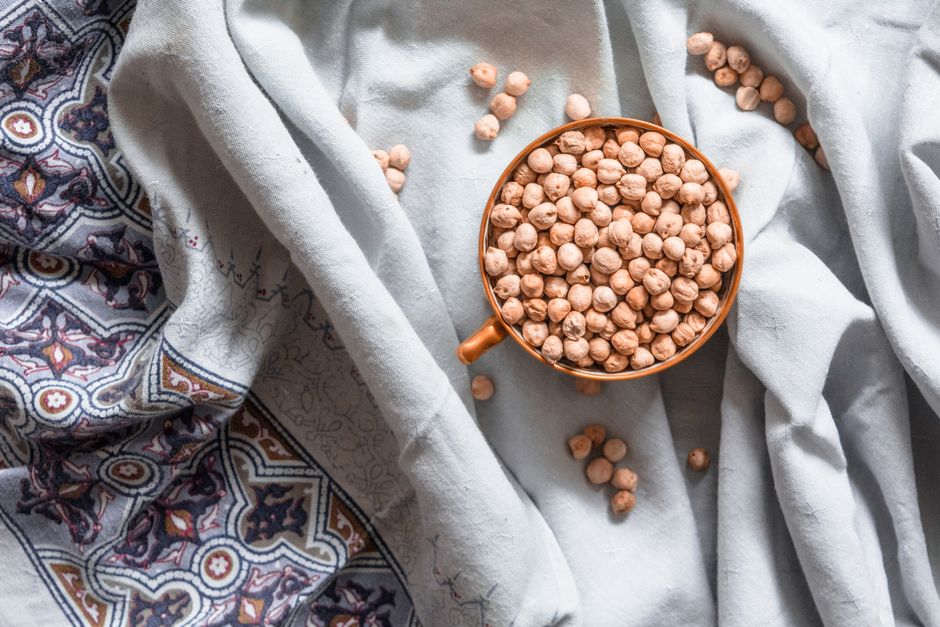
If you have spent any time staring at the murky, viscous liquid inside a can of chickpeas, you might have instinctively reached for the sink to pour it down the drain. For decades, home cooks and professional chefs alike dismissed this substance as a mere byproduct, a salty canning brine intended to be washed away before the legumes hit the salad bowl. However, in the world of modern gastronomy, this humble liquid—now known as aquafaba—has undergone a radical transformation in reputation. It is quite literally the "bean water" that has revolutionized plant-based cooking, bridging the gap between professional pastry technique and accessible home kitchen experimentation. When you harness its unique properties, you are not just cooking; you are manipulating a complex matrix of proteins and starches to defy the conventional limitations of vegan cuisine.
The magic of aquafaba lies in its remarkable chemical composition, which mimics the structural integrity of egg whites with startling precision. Comprised of a precise balance of proteins and saponins leached from the chickpea during the soaking and cooking process, this liquid possesses the rare ability to stabilize air bubbles when whipped. Whether you are aiming for the stiff, snowy peaks of a classic French meringue or the emulsion required for a rich, silky mayonnaise, this ingredient serves as the ultimate stabilizer. It provides the viscous foundation necessary for professional-grade aeration, allowing those who avoid animal products to achieve textures that were previously deemed impossible without the use of chicken eggs or stabilizers derived from dairy.
As we dive into this comprehensive guide, prepare to shift your perception of waste. We are going to explore the scientific principles that turn a discarded canning liquid into a culinary goldmine, providing you with the exact ratios and methodologies needed to succeed. From mastering the cold-whipping technique to understanding the importance of heat reduction, we will ensure that your foray into egg-free aeration is met with absolute success. By the time you finish this guide, you will no longer see a can of chickpeas as a snack purchase, but as the secret ingredient that anchors your repertoire of vegan desserts and savory emulsified sauces. Welcome to the new standard of plant-based culinary craftsmanship.
The Chemistry of the Bean: Why Aquafaba Works
To master the art of working with aquafaba, one must first understand that it is essentially a dilute solution of proteins, starches, and fiber. While the exact ratio can vary depending on the producer of your chickpeas, the liquid acts as an emulsifier and a foaming agent due to its unique surface-active properties. When you beat the liquid, you are physically forcing air into the solution, while the proteins align themselves around the air bubbles to prevent them from collapsing. This process is essentially the same as whipping egg whites, though the proteins are derived from the legumes rather than avian biology.
It is important to note that the concentration of these proteins determines the success of your foam. If you are using store-bought canned chickpeas, the liquid is generally concentrated enough to be used immediately. However, if you are cooking dried chickpeas from scratch, you must carefully monitor the liquid-to-bean ratio. Cooking them in too much water will lead to a watery, thin liquid that lacks the necessary protein density to hold a structure. Aim for a ratio where the chickpeas are just covered by water, as this ensures the proteins are leached into a smaller volume, creating the thick, gold-standard brine required for complex applications.
Understanding the Role of Viscosity
The viscosity of your aquafaba is the best indicator of its potential performance. A high-quality aquafaba should look and feel slightly syrupy, with a consistency that feels closer to an egg white than to plain water. If you feel that your liquid is too thin, you can reduce it on the stovetop over low heat. Be careful not to let it boil vigorously, as high heat can denature the proteins prematurely, effectively killing your chances of a perfect meringue. Bringing it to a gentle simmer and reducing it by about 25% is usually sufficient to concentrate the solids.
"Aquafaba is the great equalizer of the plant-based kitchen, transforming the discarded into the divine with little more than a whisk and a bit of patience."
Mastering the Perfect Vegan Meringue
Achieving a stable vegan meringue is often the primary goal for home cooks, and it is here that aquafaba truly shines. Unlike eggs, which can be finicky depending on the freshness of the source, aquafaba is remarkably consistent, provided you have a clean bowl and a powerful mixer. To begin, ensure your mixing bowl is spotlessly clean—any trace of grease or residual oil will prevent the proteins from bonding correctly, resulting in a flat, sad foam that refuses to stiffen. Using a stainless steel or glass bowl is superior to plastic, as plastic can hold onto invisible fat residues even after washing.
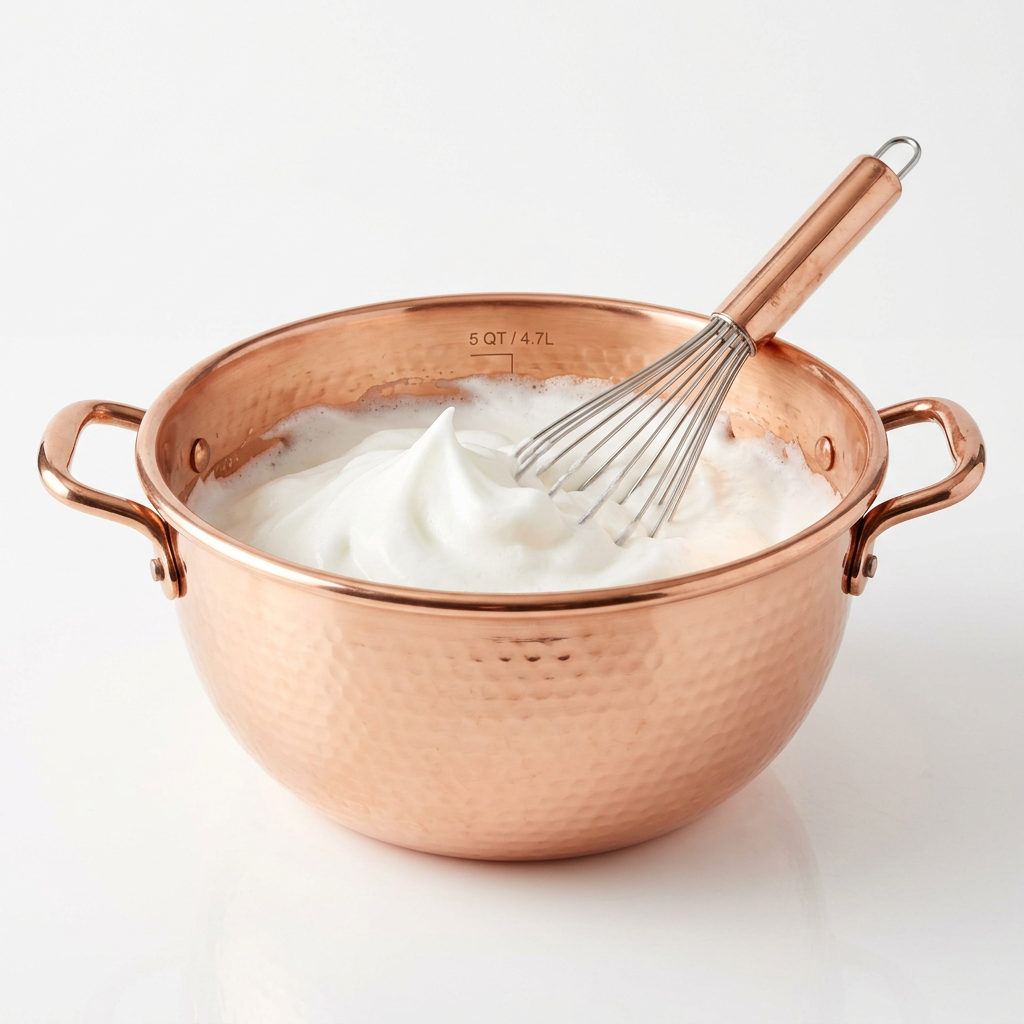
To create the perfect base, start with room-temperature aquafaba. Add a pinch of cream of tartar, which acts as a crucial stabilizer for your foam by acidifying the mixture and strengthening the protein bonds. Begin beating on a low speed to establish a uniform bubble structure, then gradually increase to high speed. The transformation happens slowly, transitioning from a frothy, transparent liquid to a dense, opaque, and eventually glossy foam. This process can take anywhere from 8 to 12 minutes depending on your mixer, so do not rush the transition by switching to high speed too early.
The Sugar Addition Technique
Once you reach soft peaks, it is time to introduce your sweetener. Using superfine caster sugar is essential here; the crystals are smaller and dissolve into the aquafaba foam more readily than granulated white sugar. Add the sugar one tablespoon at a time while the mixer is running. This slow integration ensures that the sugar doesn't weigh down the protein structure before it has been properly incorporated. Continue beating until you achieve stiff, glossy peaks that stand straight up when you lift the whisk. At this stage, your meringue should be stable enough to hold its shape indefinitely.
* Start with room-temperature liquid.
* Always use a cream of tartar or lemon juice to balance pH.
* Add sugar slowly, one tablespoon at a time.
* Avoid adding any fats, including egg yolks or oil, as these will collapse the foam.
Crafting Silky Vegan Mayonnaise
The beauty of aquafaba mayonnaise is its accessibility; it is arguably easier and faster to make than traditional mayonnaise made with egg yolks. Because aquafaba is already a liquid, you can use an immersion blender to create a stable emulsion in under sixty seconds. The key here is the emulsification process, where you combine the aquafaba with an acid—such as lemon juice or white wine vinegar—and slowly stream in your neutral oil. The proteins in the aquafaba wrap around the oil droplets, keeping them suspended in the liquid phase.
For a foolproof recipe, start with 3 tablespoons of aquafaba and 1 teaspoon of Dijon mustard in a tall, narrow jar. Add your seasonings, such as salt and a touch of maple syrup to balance the acidity. Then, slowly drizzle in 1 cup of a neutral oil like grapeseed or sunflower oil. As you move the immersion blender up and down, you will see the emulsion form almost instantly, thickening into a creamy, pale spread that rivals any store-bought brand. If you find the mayonnaise is too thick, simply add a teaspoon of water to loosen the texture without breaking the emulsion.
Troubleshooting Your Emulsion
Even the most seasoned chefs occasionally experience a broken emulsion. If your mayonnaise looks grainy or thin, do not despair. It is usually caused by adding the oil too quickly at the start, preventing the initial dispersion of oil droplets. To rescue it, start in a new, clean bowl with another tablespoon of aquafaba. Slowly add your broken mixture to the new base while whisking constantly, effectively re-incorporating the broken emulsion back into the system. This trick is a staple of professional kitchens and proves that mistakes in the kitchen are usually just opportunities for a fix.
Decadent Mousses and Aerated Desserts
When it comes to vegan mousse, the airy structure provided by whipped aquafaba is superior to heavy creams that can sometimes feel too rich or "cloying" on the palate. A chocolate mousse made with aquafaba is light, ethereal, and allows the complexity of the cocoa to shine without being masked by dairy fat. The technique involves folding your whipped, stiff-peak aquafaba into a base of melted, high-quality dark chocolate. Because the chocolate must be warm enough to be liquid but not so hot that it deflates the foam, temperature control is paramount.
To ensure your mousse sets, work in stages. Fold in one-third of the aquafaba aggressively to lighten the chocolate base, then gently fold in the remaining two-thirds using a rubber spatula. This technique, often called "tempering the base," preserves the air bubbles you have spent so long creating. Once combined, transfer the mixture into individual ramekins and refrigerate for at least four hours. The starch and protein content will cause the mousse to set into a velvety, spoonable texture that defies the absence of eggs and gelatin.
Incorporating Flavors and Textures
You are not limited to chocolate when making mousses. You can incorporate fruit purees, citrus zest, or even botanical infusions like lavender or Earl Grey tea. Because aquafaba has a very neutral flavor profile once it has been aerated, it acts as a blank canvas. Ensure that any purees added to the mixture are thick; adding too much water-heavy liquid will interfere with the stabilization of the protein bonds and lead to a liquid bottom in your dessert cups.
"True culinary innovation is rarely about finding new ingredients; it is about finding new ways to respect the ingredients you already have."
The Science of Storage and Preservation
One of the most frequently asked questions among home cooks is how to store aquafaba if they aren't ready to use it immediately. The good news is that it is incredibly freezer-friendly. If you are a prolific chickpea user, you can collect the liquid in an ice cube tray, freezing it in standard portions—usually about 2 to 3 tablespoons per cube. This allows you to pull out exactly what you need for a specific recipe, whether it is a small batch of mayo or a full tray of meringues. When ready to use, simply thaw the cubes in the refrigerator overnight.
Avoid storing the liquid in the refrigerator for more than 48 hours. Because aquafaba is essentially a nutrient-dense broth, it is an ideal medium for bacterial growth. If you notice a sour smell or an off-color appearance, discard it immediately. Fresh is always better, and given that most recipes require a very specific amount, it is best to plan your cooking around the opening of your cans rather than trying to store the liquid for an extended period. If you must store it, ensure the container is airtight to prevent the absorption of odors from your refrigerator.
Professional Tips for Quality Control
Always taste your aquafaba before using it in a delicate dessert. If you used salted chickpeas, your aquafaba will carry that salt. While this is fine for mayonnaise, it can be disastrous for a sweet meringue. If your only option is salted canned chickpeas, you can reduce the added salt in your savory recipes, but for sweets, it is always best to purchase no-salt-added or low-sodium varieties. This small detail ensures that your culinary efforts are professional in both texture and flavor profile.
Troubleshooting Common Issues
Even with the best instructions, you may encounter obstacles when transitioning to aquafaba-based cooking. The most common frustration is a foam that refuses to stiffen. This almost always points to the presence of fat. If you are using a bowl that once held oil or if you have accidental contamination from an egg yolk, the foam will never reach its potential. Always wash your equipment with hot, soapy water and a splash of vinegar before starting. Additionally, ensure your cream of tartar is fresh, as old leavening agents can lose their potency over time.
Another issue is the stability of the foam after it has been created. If your meringue appears to "weep" or collapse after a few hours, it is likely due to the sugar not being fully dissolved. If the sugar grains are still visible, they will eventually draw moisture out of the foam, causing it to liquefy. Make sure to whisk for an extra minute or two after adding the final portion of sugar, testing the consistency by rubbing a small amount of the foam between your fingers; if it feels gritty, keep beating.
Advanced Tips for Texture
If you want an even tighter, more professional finish to your foams, try using a stand mixer with a balloon whisk attachment. While a hand mixer will work, the sustained speed of a stand mixer ensures a more consistent bubble size, which results in a denser, more stable meringue. Don't be afraid to add a drop of vanilla extract or a pinch of salt to round out the flavors, as these additions will not harm the foam provided they are added toward the very end of the whipping process.
Beyond Chickpeas: The Future of Aquafaba
While chickpeas are the most common source of aquafaba, they are not the only ones. You can theoretically create aquafaba from almost any cooked bean, including white navy beans, lentils, or even black beans. However, the resulting liquids vary in color and flavor. Chickpea water remains the gold standard because it is the most neutral in taste and color, making it perfect for versatile applications. If you choose to experiment with other legumes, be prepared for a darker-colored liquid that may impart a slight earthiness to your finished dish.
The future of aquafaba is expanding beyond the home kitchen and into the realm of large-scale food production. We are seeing more commercial plant-based products utilizing this ingredient to replace eggs, signaling a shift in how the food industry views "waste" products. As a home cook, by mastering these techniques, you are part of a broader movement that prioritizes efficiency, sustainability, and high-level skill. You are turning a byproduct of mass production into a tool of high art.
Final Thoughts
As you embark on your journey with aquafaba, remember that the kitchen is a laboratory as much as it is a creative space. The transition from discarding liquid to utilizing it as a foundational ingredient is a rite of passage for the modern home cook. It forces you to look closer at what you are working with, to understand the interactions between proteins and lipids, and to refine your technique until you achieve that perfect, elusive texture. Whether you are whipping up a batch of airy meringues for a dinner party or perfecting your everyday vegan mayonnaise, you are demonstrating that plant-based cooking does not require compromise.
Do not be discouraged by initial failures. Even the best pastry chefs in the world have had their fair share of collapsed foams and broken emulsions. The beauty of aquafaba lies in its resilience and its low cost; if a batch doesn't work out, you are out of a few pennies and a can of beans, not an expensive carton of heavy cream or a dozen eggs. Use this guide as your roadmap, continue to experiment with your ratios, and never stop questioning the culinary potential of the ingredients hidden in plain sight. You have the tools, the technique, and the knowledge—now, go forth and transform your kitchen into a center for culinary excellence. The chickpea water is waiting.
The journey toward mastery is one of continuous improvement, and the best way to solidify your skills is to integrate these methods into your weekly routine. Try incorporating aquafaba into your baking—it can even be used as an egg replacer in certain types of cakes and cookies, acting as a binder that keeps your vegan bakes moist and structurally sound. As you begin to see the liquid not as a waste product but as a versatile protein solution, you will find yourself reaching for that can opener with a new sense of purpose and excitement.
In conclusion, keep your equipment clean, your temperatures stable, and your attention to detail sharp. The art of the chef is found in the management of small, technical details that result in an extraordinary final product. When you master aquafaba, you are mastery over one of the most exciting developments in modern cooking. Continue to challenge yourself, share your creations with friends, and most importantly, keep cooking with the curiosity that drives every great chef. Your pantry holds far more potential than you ever realized, and with a little practice, your dishes will speak for themselves. Enjoy the process of discovery, for that is the true heart of culinary success.
Final tips for your success:
* Always keep a notebook of your trials and successes to perfect your ratios.
* Invite feedback from others to judge the texture and taste of your foams.
* Embrace the science, but trust your senses—the look, smell, and feel of the foam are your best indicators of progress.
* Above all, have fun with the process. The kitchen should be a place of joy, especially when you are unlocking new levels of creativity.
Thank you for trusting us to guide you through this fascinating scientific landscape. The world of aquafaba is vast, and you have only just scratched the surface of what is possible. Whether you are a dedicated vegan or simply a curious foodie, these techniques will serve you well for years to come. Now, pick up that whisk, open a fresh can of chickpeas, and let the science of the kitchen elevate your culinary creations to new heights. You are officially ready to turn the page on waste and start a new chapter of excellence. Happy cooking, and remember: blame the chef, but make sure they’re the one who taught you how to whip up a masterpiece from thin air!
The evolution of cooking is a constant, shifting tide of information, and you are now firmly positioned at the front of this particular wave. It is an exciting time to be in the kitchen, and by embracing the science of aquafaba, you are contributing to a more sustainable, creative, and delicious future. Whether your future holds more meringues or a lifetime of homemade, egg-free mayonnaise, the skills you have honed here are yours to keep. The next time you find yourself standing over the sink with a drained can of chickpeas, you will know exactly what to do. You will see potential, you will see science, and you will see dinner. Go forth and cook with confidence. Your path to becoming a true master of the plant-based arts is well underway, and we are thrilled to have helped you start this journey. Enjoy every whisk, every fold, and every perfect, stable peak. Your kitchen is now your sanctuary of innovation, and we can’t wait to see what you create next. Keep those whisks moving, keep your standards high, and always reach for that perfect, glossy finish. This is just the beginning.
In our final reflection on the matter, we must acknowledge that the culinary arts are never static. There is always a new technique to learn, a new ingredient to master, and a new way to surprise our guests. Aquafaba is a reminder of this fundamental truth. It reminds us that we should never be too quick to judge, never too fast to discard, and always willing to dig a little deeper into the ingredients that surround us. By mastering this simple, overlooked byproduct, you have learned a lesson that applies to everything you will ever cook: observation is the most powerful tool in your apron. Thank you for joining us on this exploration of the science of the bean. We hope you feel empowered to take your culinary skills to a level that truly reflects your passion and your dedication to the craft.
Your journey doesn't end here; rather, it evolves as you gain more comfort with the ingredient. Experiment with different beans, play with different stabilizers, and adjust your sugar ratios to fit your personal taste preferences. The key to being a great chef is, after all, the ability to adapt and refine until you reach a point of personal satisfaction. We wish you the very best in your future culinary endeavors. Whether you are creating a simple dessert or a complex savory sauce, may your foams be high, your emulsions be stable, and your kitchen always be a place of wonder. Cheers to the humble bean, and to the extraordinary chef you are becoming.
Final considerations:
The stage is yours. Whether you choose to whip, fold, or whisk your way to greatness, ensure that you do it with the precision and grace that characterizes a true kitchen artist. We have provided the foundation; the rest of the masterpiece is entirely up to you. Continue to learn, continue to practice, and continue to impress. The world of aquafaba is open to you, and we are excited to see the amazing dishes you will surely produce. From the entire team here at Blame The Chef, we thank you for your curiosity, your effort, and your commitment to culinary excellence. Now, let’s get cooking! The kitchen is waiting for its next great creation, and with your newfound knowledge, there is absolutely no reason to hold back. Go create something beautiful, something delicious, and something that proves exactly how far a little bit of bean water can take you.

Get the Next Recipe
Weekly recipes, techniques, and gear picks — straight to your inbox.
