
The Home Cook's Guide to Argentine Chimichurri: Mastering Fresh Herb and Vinegar Sauces for Grilled Meats
There is a particular magic that happens when fire meets high-quality beef, but every seasoned home cook knows that the true secret to an unforgettable meal often lies in the accompaniment. In the vast, storied world of Argentine cuisine, the asado is not merely a method of cooking; it is a profound cultural ritual that celebrates the bounty of the land. At the center of this ritual stands chimichurri, a vibrant, herbaceous, and unapologetically acidic sauce that serves as the perfect counterbalance to the richness of charred fat. Unlike the heavy, creamy sauces found in classic French gastronomy, chimichurri relies on the raw intensity of fresh ingredients and the punchy brightness of high-quality vinegar to awaken the palate. If you have ever felt that your grilled steaks were missing that elusive "restaurant quality" pop, this green elixir is likely the missing ingredient.
To master this sauce is to understand the delicate balance between pungency and freshness. Many beginners make the mistake of treating chimichurri like a pesto, blending it into a smooth, emulsified paste that lacks the necessary texture to stand up to a thick-cut ribeye or sirloin. The beauty of a traditional Argentine chimichurri lies in the knife work; each ingredient should remain distinct, offering a textural contrast that dances across the tongue with every bite. By controlling the size of your mince, you control how the sauce interacts with the meat, allowing the garlic, parsley, and chili flakes to release their essential oils slowly as they sit. This is not a recipe you rush; it is a recipe you curate with patience, understanding that the sauce will continue to evolve and mellow even as it rests on your counter.
As we dive into the anatomy of this iconic condiment, I want to emphasize that there is no single, immutable "official" recipe for chimichurri. Much like Italian sugo or French mirepoix, every household in Buenos Aires has a specific variation handed down through generations. Some prefer an abundance of oregano, while others lean heavily into the spicy kick of fresh aji molido or dried red pepper flakes. My goal for this guide is to provide you with the foundational framework that allows you to master the technique, giving you the confidence to adjust the ratios until you find your own signature version. Whether you are hosting a summer backyard barbecue or simply trying to elevate a Tuesday night skirt steak, this sauce is the ultimate tool in your culinary arsenal for achieving professional-level flavor profiles at home.
The Essential Anatomy of Argentine Chimichurri
The Fresh Herb Foundation
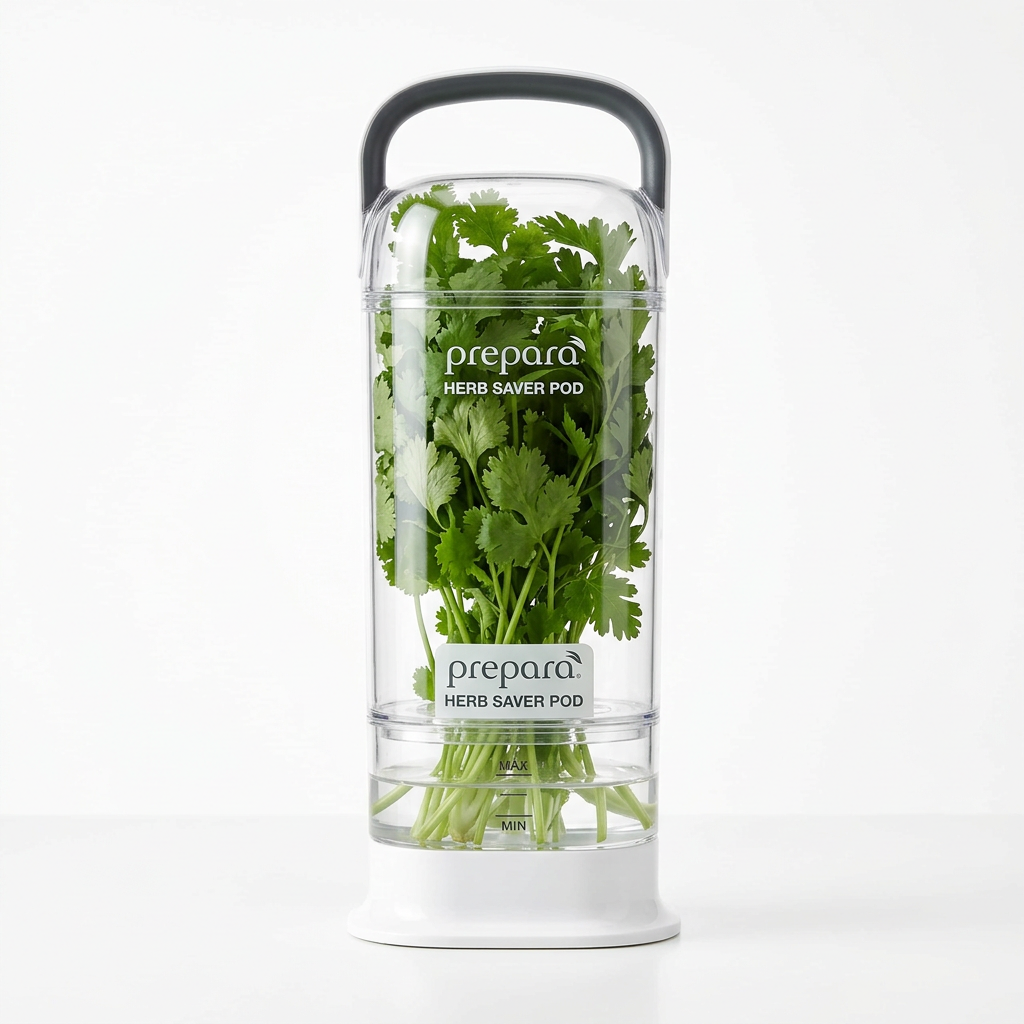
The backbone of any exceptional chimichurri is undoubtedly the parsley. You should exclusively use flat-leaf Italian parsley rather than the curly variety; the flat-leaf version possesses a cleaner, more robust flavor profile that holds up better against the acidity of the vinegar. When selecting your herbs, look for bright, crisp leaves that show no signs of wilting or yellowing. Proper washing and drying is absolutely non-negotiable here. If your herbs are wet when you chop them, they will release moisture that dilutes the intensity of your olive oil and vinegar base. Use a salad spinner or paper towels to ensure the parsley is bone-dry before you begin your prep work.
Selecting the Right Fats and Acids
The interaction between the oil and the vinegar is what creates the legendary "bite" of a good chimichurri. For the oil, you need a neutral-to-mild extra virgin olive oil. If the oil is too peppery or grassy, it can overpower the delicate aromatics of the garlic and fresh oregano. As for the vinegar, red wine vinegar is the gold standard for a reason. It provides a sharp, acetic brightness that cuts through the heavy proteins of a grilled steak. While some cooks experiment with sherry vinegar or lemon juice, I strongly suggest starting with high-quality red wine vinegar to get a feel for the classic Argentine flavor profile before you branch out into more experimental territory.
"Chimichurri is not just a condiment; it is a deliberate act of culinary balance. It exists to wake up the palate after every heavy, fatty bite of beef, serving as the bridge between the primal nature of fire and the sophistication of fresh herbs."
The Importance of Garlic and Spice
Garlic in chimichurri should be present, but it should not be aggressive enough to ruin your afternoon. The technique here is to fine-mince the garlic so it effectively macerates into the oil. If you find the raw bite of garlic too harsh, you can experiment with "sweating" it slightly in the oil before mixing, but the traditional way involves letting the acidity of the vinegar "cook" the garlic over the course of an hour. For the heat, I recommend aji molido, a crushed red pepper common in Argentina that has a distinct, fruity heat. If you cannot source this at your local international grocer, a high-quality crushed red pepper flake will suffice, though I suggest grinding it slightly with a mortar and pestle to release the oils.
Mastering the Prep and Knife Work
The Philosophy of the Knife
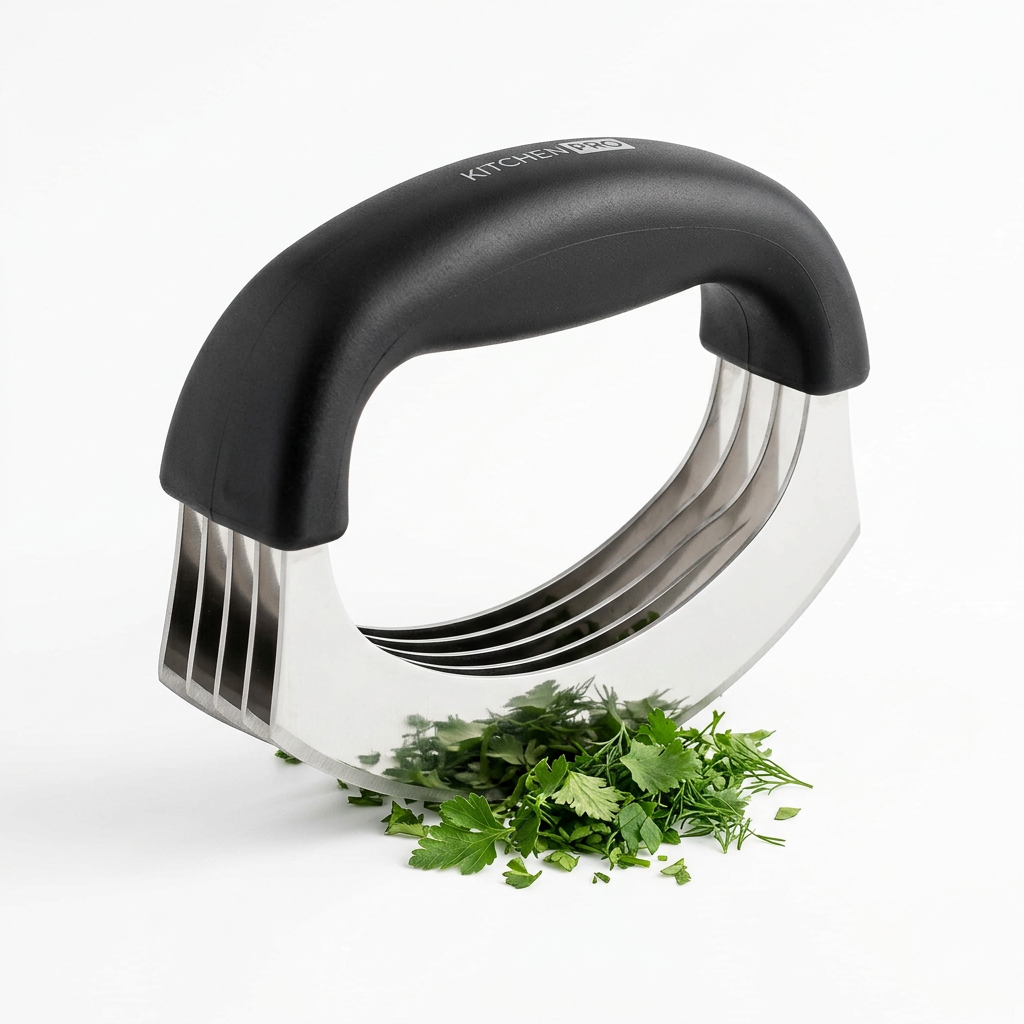
In a world of high-speed blenders and food processors, the most important tool you have for making authentic chimichurri is a sharp chef's knife. If you put your herbs and garlic into a processor, you risk turning them into a green sludge that loses all of its textural integrity. The goal is a uniform, coarse chop where you can identify the flecks of green and white throughout the mixture. Start by gathering your parsley into a tight bundle on your cutting board. Use a rocking motion to chop, keeping the tip of the knife pinned to the board. Do not over-chop, or you will bruise the herbs, resulting in a bitter sauce rather than a bright, fresh one.
Proper Ingredient Ratios
The Maceration Stage
Once you have combined all your ingredients in a glass bowl—never use metal for long-term storage as it can react with the vinegar—you must allow the sauce to sit. This process is called maceration. The salt draws the moisture out of the garlic and herbs, while the vinegar softens the raw edges of the garlic. I recommend letting the mixture rest for at least 30 to 60 minutes at room temperature before serving. This is the "secret" step that separates a mediocre sauce from one that tastes like it came straight out of a Buenos Aires steakhouse. If you have the time, letting it sit in the refrigerator for 24 hours will yield an even more complex, integrated flavor.
Techniques for the Perfect Grilled Beef
The Importance of the Meat
You cannot discuss chimichurri without discussing the vessel it sits upon. The sauce was born to accompany fatty, flavorful cuts of beef like skirt steak, hanger steak, or thick-cut ribeye. These cuts have the intramuscular fat content required to stand up to the high acidity of the sauce. When seasoning your meat, keep it simple: kosher salt and cracked black pepper are all you need. The chimichurri provides the complexity, so the meat should be treated as a blank canvas for the char and the sauce. Ensure your steak is at room temperature for at least 30 minutes before it hits the grill to ensure even cooking.
Mastering the Grill Temperature
To achieve that perfect crust that holds the chimichurri in place, you need a high-heat environment. You are looking for a two-zone fire. Place your meat over the direct heat (500°F plus) to develop a deep, dark brown sear, then move it to the cooler side to finish to your desired doneness—I highly recommend medium-rare (130°F internal temp) for the best texture. The contrast between the hot, salty crust of the steak and the cold, bright, herbal sauce is the defining experience of eating a great asado.
"The true test of a grill master is not how well they cook a steak, but how well they can pair it with the right condiment. When the chimichurri hits the warm, seared meat, the aroma alone should be enough to satisfy the senses."
Serving Strategies
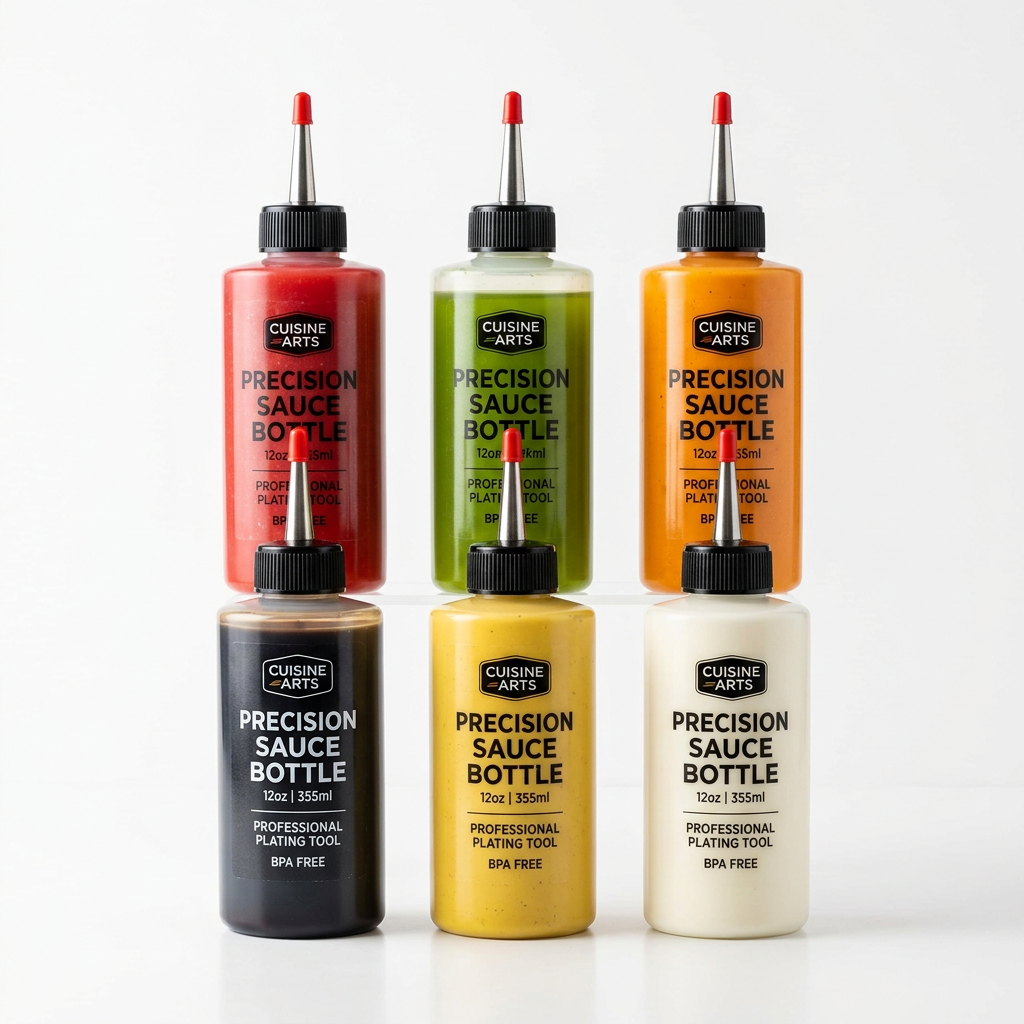
Do not make the mistake of drowning the meat in the sauce before it reaches the table. Part of the appeal is the visual contrast. Serve the chimichurri in a small, elegant bowl with a spoon so your guests can drizzle it themselves. Alternatively, you can paint a thin layer of the sauce over the meat once it has finished resting and is ready to be sliced. Because the sauce is oil-based, it will create a beautiful, glossy sheen on the surface of the steak that looks just as good as it tastes.
Advanced Flavor Profiles and Variations
Adding Citrus for Brightness
While traditional recipes stick to vinegar, many modern chefs are incorporating a splash of freshly squeezed lime or lemon juice to add a different kind of brightness. The citric acid provides a different "piercing" sensation on the palate than acetic acid does. If you choose to add citrus, use it sparingly—start with half a teaspoon—so you do not completely mask the earthy notes of the parsley and oregano. This variation works exceptionally well if you are serving your chimichurri with grilled seafood or white meats like chicken or pork.
The Inclusion of Shallots
If you find the raw bite of garlic too intense, substituting or augmenting the garlic with finely minced shallot can provide a much softer, more nuanced aromatic base. Shallots offer a delicate sweetness that rounds out the sharp edges of the vinegar. Simply treat the shallots with the same care as the garlic, ensuring they are chopped as finely as possible. This is a common technique in contemporary versions of the sauce that are designed to be a bit more "refined" and less pungent than the traditional gaucho style.
Incorporating Fresh Herbs
Don't be afraid to experiment with other soft herbs. While parsley is non-negotiable, you can absolutely add small amounts of fresh cilantro, mint, or even basil to the mix. Cilantro pairs beautifully if you are using the chimichurri on tacos or grilled fish, while a touch of mint can be a game-changer if you are serving the sauce with lamb. The key is to keep the parsley as the primary herb, using the others as "accent herbs" to nudge the flavor profile in a specific direction.
Common Mistakes to Avoid
Over-processing the Mixture
We cannot stress this enough: avoid the food processor. When you use blades to spin herbs, the heat generated by the motor wilts the leaves and turns the mixture into an unappetizing paste. You want individual particles of flavor, not a uniform green goo. If you absolutely must use a machine, use the "pulse" function sparingly and stop well before you think it is finished. A knife-cut sauce will always have superior mouthfeel and a brighter, more vibrant color.
Neglecting the Salt
The salt content is the vehicle that makes the flavor of the herbs pop. Because chimichurri is so heavily herb-based, it can taste "flat" if it is under-seasoned. Don't be afraid to taste as you go. Remember that the salt will draw moisture out of the herbs, which actually helps create the perfect consistency for the sauce. If you find the sauce is too thick or dry, add a little more extra virgin olive oil—this will help suspend the herbs and ensure they don't taste like you're just eating a pile of dry leaves.
Rushing the Maceration
As mentioned previously, eating the chimichurri immediately after chopping is a disservice to the ingredients. The garlic needs time to mellow, and the dried spices need to rehydrate in the oil and vinegar. If you serve it right away, the garlic will taste like raw, biting fire, and the herbs will taste like freshly clipped lawn clippings. Give it that hour. Let the science of osmosis do the heavy lifting for you. You will notice that the sauce becomes more cohesive, the colors deepen, and the aromas become significantly more fragrant as it rests.
The Cultural Significance of the Asado
Why Chimichurri Matters
In Argentina, the asado is a social event that can last for hours. It is an opportunity for families and friends to congregate around the grill, share stories, and slow down. Chimichurri is the great equalizer; it brings freshness to a table dominated by meat, salt, and fat. Understanding the history of the sauce—which is believed to have originated from the influence of Irish and British immigrants in the 19th century, with the name potentially being a corruption of "Jimmy's Curry"—reminds us that food is a fluid, evolving language. By making this sauce, you are participating in a tradition that celebrates community and the joy of a well-cooked meal.
Hosting Your Own Asado
If you want to host an authentic Argentine-style gathering, start with the sauce. Prepare a large batch of chimichurri well in advance so it has plenty of time to develop its flavor. Pair your grilled meats with a simple salad of greens and maybe some crusty bread to sop up the leftover oil and vinegar. Remember, the goal of an asado is not just to feed people but to nourish them with good company. The chimichurri should be the center of the table, inviting everyone to customize their plate according to their preferences.
"The magic of a great sauce is its ability to turn a simple meal into an occasion. Chimichurri is the ultimate example of this—simple, bold, and unapologetically classic, it demands that you pay attention to the quality of your ingredients and the care you put into your craft."
Final Tips for Professional Results
Conclusion
Mastering Argentine chimichurri is about more than just following a recipe; it is about developing an intuition for the harmony between fat, acid, and herbaceous freshness. By focusing on the quality of your flat-leaf parsley, the precision of your knife work, and the patience required for proper maceration, you are elevating your home cooking to a level that rivals the best steakhouses. This sauce is a testament to the idea that simplicity, when executed with discipline, is the ultimate form of sophistication.
I encourage you to take the ratios I have provided as a starting point, but do not be afraid to experiment. Add a little more heat if you prefer it spicy, or a dash more vinegar if you crave that sharp, acidic edge. The beauty of this sauce is that it is inherently yours once you have made it. Every time you prepare it, you are honing a skill that will serve you for years to come. Whether you are a novice cook or an experienced chef, having a reliable, bold chimichurri in your repertoire ensures that your grilled meats will never be boring, dry, or lacking in character.
As you stand by your grill, fire in hand and a bowl of fresh, vibrant chimichurri waiting, remember that the goal is enjoyment. Cooking should never feel like a chore; it should be a creative release, an expression of care for those you serve, and a continuous journey of learning. Use this guide to master the basics, then go out and make the sauce your own. Share it with your friends, serve it with your best cuts of beef, and above all, enjoy the process of turning simple pantry staples into a masterpiece of flavor. You now have the knowledge—the rest is just the simple, beautiful act of cooking.
Get the Next Recipe
Weekly recipes, techniques, and gear picks — straight to your inbox.
