
The Home Cook’s Guide to Authentic Biryani: Mastering Ratios and Layering for Perfect One-Pot Rice Dishes
There is a profound, almost spiritual transformation that occurs in the kitchen when the scent of blooming whole spices hits a pot of sizzling ghee. For the uninitiated, biryani is often mistaken for a mere rice dish, a glorified pilaf that gets tossed together in a chaotic hurry. However, those who have spent time in the company of a true master know that biryani is an architectural marvel of the culinary world, a complex symphony of aromatics, tender proteins, and perfectly cooked, individual grains of rice. It is the ultimate test for the home cook, requiring a delicate balance of patience, precision, and an intuitive understanding of heat management that defines the very essence of "Blame The Chef" philosophy: that perfection is rarely accidental.
The journey toward a bowl of authentic biryani is not about taking shortcuts or relying on pre-packaged spice mixes found in the dusty aisles of a supermarket. It is about understanding the Dum method, an ancient technique of slow-cooking that allows the ingredients to meld within a sealed vessel, trapping the volatile oils and essences that provide the dish with its soul. Whether you are crafting a royal Lucknowi style, with its focus on subtlety and fragrance, or the fiery, bold Hyderabadi variant that demands your full attention, the principles of layering remain the absolute bedrock of success. When you finally lift that lid, releasing a cloud of saffron-infused steam, you will realize that the hours of preparation were a small price to pay for such a majestic, singular result.
As we embark on this guide, I want you to shed the fear of failure that often accompanies high-stakes cooking. Home cooks often shy away from biryani because of the perceived complexity, fearing mushy rice or undercooked chicken, but the truth is far more forgiving if you follow the logic of the science behind the grain. We will break down the starch chemistry, the essential spice ratios, and the rhythmic layering that turns disparate ingredients into a cohesive masterpiece. Put on your apron, pour yourself a glass of something refreshing, and prepare to elevate your home kitchen to a level that would make even the most seasoned executive chef stop and take notice.
The Foundation: Understanding Basmati and the Art of the Par-boil
The quality of your biryani begins long before the meat touches the pan. Basmati rice is not just a grain; it is an heirloom treasure that requires specific handling to achieve the "separate and fluffy" texture that is the hallmark of a professional biryani. You are looking for a grain that has been aged, as fresh rice contains too much moisture and will collapse into a paste under the pressure of steam. Always source high-quality, long-grain basmati and commit to the process of washing it until the water runs completely clear, removing the excess surface starch that causes clumping.
The Science of the Soak
Soaking your rice is non-negotiable. By submerging the grains in cool, filtered water for at least 30 to 45 minutes, you allow the starch molecules to absorb moisture evenly. This ensures that when the rice hits the boiling water, it expands uniformly without cracking. If you skip this step, the exterior of the grain will disintegrate while the center remains raw and chalky. Think of this as the foundation of your building—if the base is flawed, the entire structure will eventually succumb to the heat.
Mastering the Par-boil Ratio
The most critical moment in the rice preparation is the par-boiling phase. You must boil the water in a massive pot, adding salt until it tastes like the sea, along with whole aromatics like green cardamom, cloves, cinnamon sticks, and star anise. The goal is to cook the rice to exactly 70% of its total capacity. You will know it is ready when you can easily pinch a grain between your thumb and forefinger and it breaks into two or three distinct, firm pieces. Drain it immediately; residual heat will carry it to 80%, leaving the final 20% to be accomplished during the Dum process.
"The difference between a amateurish rice dish and a legendary biryani lies in the control of the grain. If you overcook the rice by even a minute in the boiling water, you have already lost the battle before the layering has even begun."
The Marinade: Building Depth and Flavor Profiles
A biryani is only as flavorful as the protein or vegetables that form its base. Whether you are using bone-in chicken, lamb, or a mélange of seasonal vegetables, the marinade is where the flavor profile is cemented. You want a balance of acidity from yogurt, earthiness from turmeric and cumin, and the bright, pungent heat of fresh ginger-garlic paste. This is not a task for the microwave or the impatient; the ingredients need time to penetrate the fibers of the protein, ensuring that every bite is as vibrant as the next.
The Yogurt Equilibrium
The use of full-fat Greek yogurt or hung curd is essential for two reasons. First, the lactic acid acts as a natural tenderizer for your meat. Second, it provides the necessary viscosity to coat the ingredients, creating a luxurious base gravy that will steam the bottom layer of your rice. If your yogurt is too thin, your biryani will turn into a soup. Aim for a thick, velvety consistency that clings to the meat, and always remember to bring your protein to room temperature before combining it with the marinade.
The Spices That Define Authenticity
Do not rely solely on store-bought powders. To achieve that signature aroma, you must use hand-ground spices. Toasting cumin seeds, coriander seeds, and black peppercorns in a dry pan until they become fragrant—but not burnt—and grinding them fresh will change your life. Incorporate Saffron, bloomed in warm milk, to provide the golden hues and the delicate floral top note that distinguishes a world-class biryani from a common kitchen experiment.
The Secret Technique: The Dum Process
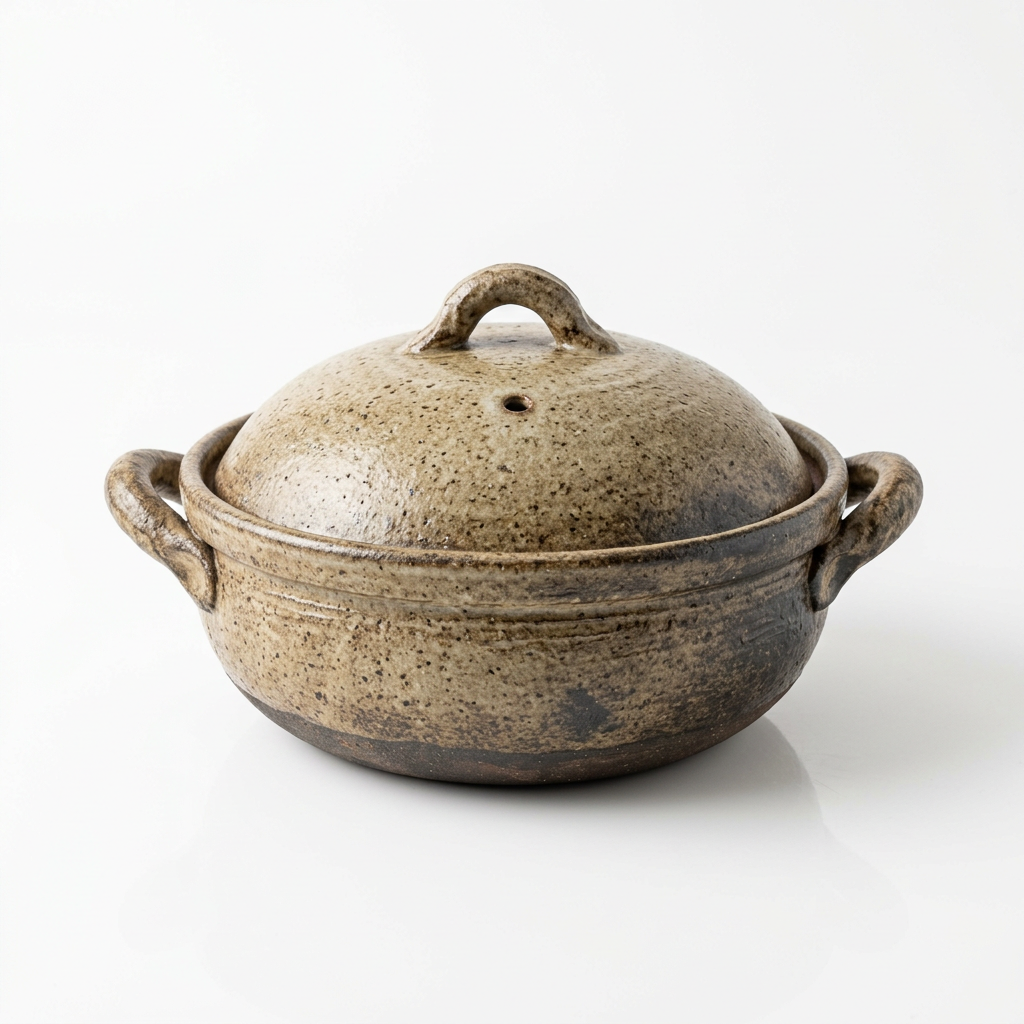
The word Dum translates roughly to "breath" or "pressure." It is the process of cooking the biryani in its own steam, creating an environment where the flavors of the spice-laden gravy migrate upward to perfume the rice, while the rice’s starch imparts a subtle silkiness to the gravy below. This requires a heavy-bottomed pot—a Dutch oven or a traditional handi—to prevent hot spots that could scorch the bottom of the dish.
Creating the Seal
To effectively trap the steam, you must seal the pot. While many modern recipes suggest aluminum foil, the professional method involves using a dough seal—a simple mixture of flour and water kneaded into a pliable snake. Press the dough onto the rim of your pot and firmly push the lid down. This creates an airtight chamber that forces the pressure to circulate. If you don’t have the inclination for dough, ensure your lid is heavy and cover it with multiple layers of foil before sealing, but the dough method remains the gold standard for authentic results.
Heat Management: The Low and Slow Philosophy
The final cooking phase should happen over a low flame. You are not boiling the liquid; you are stimulating the steam. Start with a medium-high flame for the first five minutes to build internal pressure, then drop it to the lowest possible setting for 30 to 40 minutes. Do not peek. The scent of the biryani escaping from under the lid is your best indicator of progress; if it smells intense and nutty, you are on the right path.
"Patience is not merely a virtue in the kitchen; it is an ingredient. When you seal that pot, you are trusting the physics of heat and moisture to do the work that no chef's hand can replicate once the lid is clamped shut."
Mastering the Layering Logic
Layering is the architectural heartbeat of the dish. It is not about simply dumping ingredients into a pot; it is about creating a deliberate gradient of flavor. You start with the heavy, rich gravy at the base, which is where the heat source is most direct. Above that, you layer the rice, starting with a 70% cooked base and moving toward a slightly more al-dente top layer. This ensures that as the steam rises, it cooks the top grains perfectly while keeping the bottom grains infused with the gravy's richness.
The Role of Aromatics and Garnish
Between each layer of rice, you should introduce fresh mint leaves, cilantro, and crispy fried onions (birista). These elements act as flavor reservoirs. The mint and cilantro provide a cooling, herbal contrast to the intensity of the spices, while the fried onions offer a sweet, caramelized depth that rounds out the palate. Distribute your saffron milk over the top layer of rice in a spiral motion to create a beautiful, mottled presentation when the dish is finally served.
Troubleshooting Your Layers
If you find your rice is unevenly cooked, you likely had too much moisture at the bottom. A pro tip is to place a flat tawa (griddle) between your burner and your cooking pot. This diffuses the heat, preventing the bottom layer of rice from burning before the steam has had a chance to work its way through the upper layers. If you are a beginner, this "tamer" is your best friend in the pursuit of perfection.
The Ritual of Service: Breaking the Seal
There is an art to opening the pot that is just as important as the cooking itself. You should allow the biryani to "rest" for at least 15 minutes after removing it from the heat. This allows the grains to settle and the moisture to redistribute throughout the pot. When you finally break the seal, the aroma should be intoxicating, hitting you with the complexity of the whole spices and the sweetness of the caramelized onions.
The Technique of Fluffing
Never use a spoon to dig into the biryani; you will break the grains and turn the dish into mush. Use a flat, wide spatula to gently lift the rice from the bottom, bringing the gravy from the base up through the layers. You are looking for a beautiful color contrast—some grains will be white, some yellow, and some a deep, spicy red. This visual heterogeneity is exactly what you are aiming for; a uniform color is a sign that the flavors have not been layered correctly.
Suggested Pairings
A great biryani is a meal unto itself, but it is elevated by the proper accompaniments. A raita made with cooling cucumber, mint, and a pinch of roasted cumin is essential to temper the heat. A side of mirchi ka salan (a spicy peanut and chili curry) adds a tangy contrast that bridges the gap between the rice and the richness of the meat. Keep it simple; the biryani should remain the undeniable star of the table.
Common Pitfalls and How to Avoid Them
Even the most accomplished chefs have faced the heartbreak of a ruined biryani. The most common error is the "mush factor," which almost always stems from using the wrong type of rice or failing to wash the starch away. Remember, basmati rice is a delicate medium; treat it with the respect you would show a fine silk fabric. If you aren't sure about the moisture levels, err on the side of under-cooking the rice during the par-boiling phase, as the steam will always finish the job.
Ingredient Ratios to Remember
Rice to Water Ratio (for boiling):* 1:5, with plenty of room for the grains to dance.
Protein to Yogurt Ratio:* For every 1kg of meat, use 200g of thick yogurt.
Onion-to-Meat Ratio:* Use at least 2 large onions, thinly sliced and fried to a deep golden brown, for every 1kg of protein.
Salt:* Salt your boiling water until it is distinctly salty, as the rice will only absorb a portion of it.
Professional Chef Tips
Cold water shock:* If you are worried about overcooking your rice, have a bowl of ice-cold water nearby to shock the par-boiled rice before it goes into the pot.
Quality Ghee: Do not substitute with butter or vegetable oil if you can avoid it. Ghee* provides a nutty, toasted depth that is irreplaceable.
The Saffron Bloom:* Always bloom your saffron in warm milk for at least 20 minutes before adding it to the pot. Cold liquid will not extract the essential oils and colors.
"Mastering biryani is a journey of refinement. It is about understanding that every single ingredient has a role to play in the final composition. When the heat, the time, and the technique align, you aren't just cooking food; you are curating an experience."
Final Thoughts
The path to mastering biryani is one of the most rewarding endeavors a home cook can undertake. It forces you to slow down, to pay attention to the subtle cues of the kitchen, and to respect the ingredients that have fueled civilizations for centuries. You will likely find that your first attempt is good, your second is better, and by your third or fourth, you will be making adjustments that feel intuitive, personal, and uniquely your own.
Do not let the complexity intimidate you. Every step we have discussed—from the washing of the rice to the sealing of the pot—is a logical progression designed to build layers of flavor that simply cannot be achieved in a hurried stir-fry or a standard rice cooker. The beauty of this dish is that it demands presence. It asks you to be the master of the flame and the curator of the spice.
So, the next time you decide to host a dinner, skip the easy options. Dedicate a Saturday afternoon to the craft of the biryani. Invite your friends, break the seal in front of them, and watch as the steam carries the scent of your hard work throughout the room. That moment of shared discovery, of tasting the depth of the spice-infused rice and the tenderness of the slow-cooked protein, is the reason we blame the chef—because, in the end, it’s all about the passion, the precision, and the inevitable triumph of a dish done right. Happy cooking, and may your rice always be long, separate, and perfectly fragrant.


Get the Next Recipe
Weekly recipes, techniques, and gear picks — straight to your inbox.
