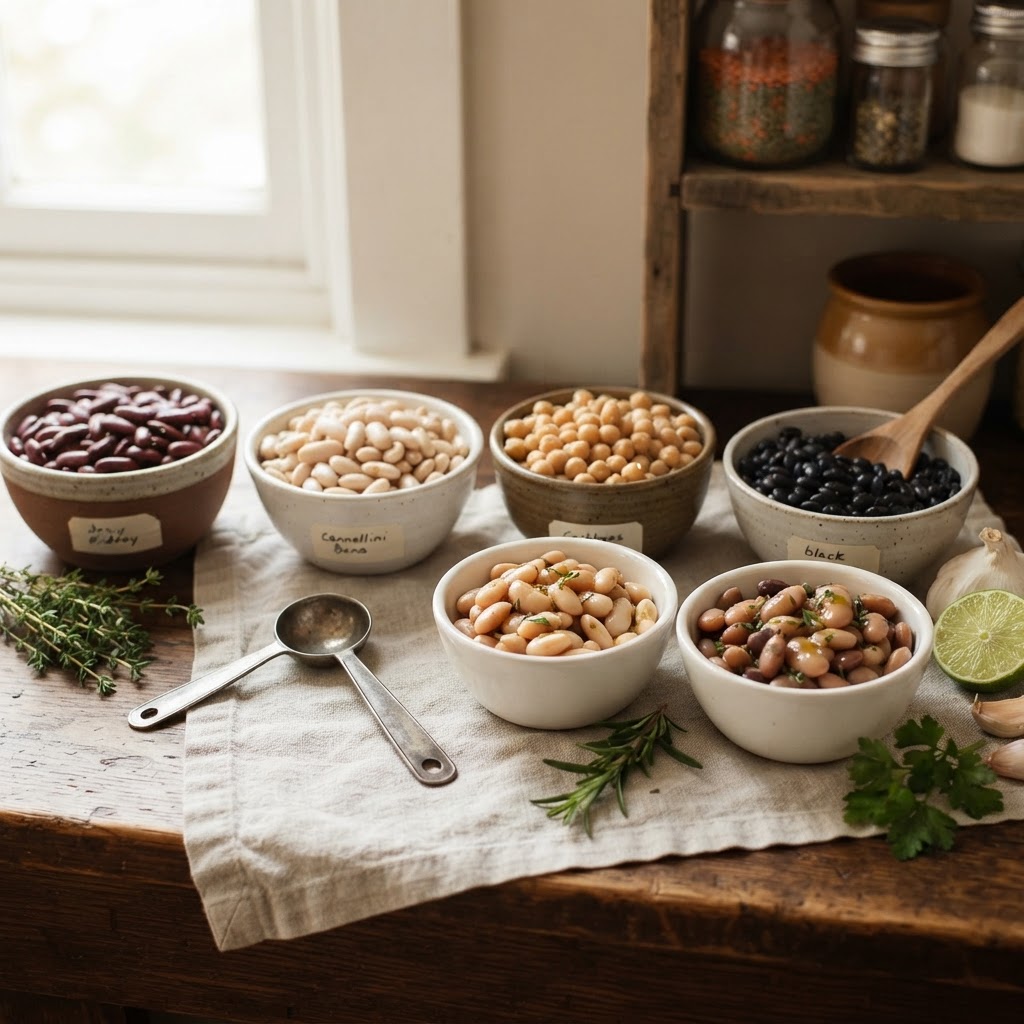
The Home Cook’s Guide to Bean Varieties: Understanding Texture, Cooking Times, and Flavor Profiles for Every Dish
There is a quiet, rhythmic beauty to working with dried beans that modern convenience culture often overlooks. When you open a bag of heirloom legumes, you aren't just looking at pantry staples; you are looking at time capsules of history, geography, and nutrition. Many home cooks approach beans with a sense of trepidation, fearing the lengthy soaking process or the elusive quest for the perfect, creamy texture. However, once you understand the internal architecture of the bean—the way the starch interacts with heat and liquid—the process becomes less of a chore and more of an act of culinary alchemy.
The secret to mastering beans lies in respecting their individual personalities. A delicate, speckled cranberry bean requires a vastly different touch than a sturdy, bulletproof black turtle bean. If you treat them all with the same blunt force, you will inevitably end up with either a mushy, disintegrated mess or a grit-filled pot that defies softening. By familiarizing yourself with the specific anatomy of common varieties, you transition from someone who merely boils ingredients to a cook who understands the fundamental mechanics of flavor development. This guide is designed to strip away the mystery and empower you to build depth, body, and soul into every legume-based dish you prepare.
At "Blame The Chef," we believe that the kitchen is a laboratory of trial and error, where the best results come from those willing to pay attention to the details. We will explore everything from the necessity of the overnight soak to the controversial art of salting your cooking water. You will learn how to identify the subtle nuttiness of a chickpeas versus the creamy, buttery finish of a Cannellini. By the time you finish this post, you will possess the knowledge to curate your own pantry, select the right bean for your specific stew or salad, and execute a perfect cook time that leaves your diners asking for your secret.
The Foundation of Preparation: Soaking and Salting
The debate regarding soaking dried beans has been a kitchen staple for generations. While many suggest that quick-soaking—or even omitting the soak entirely—is perfectly acceptable, there are scientific reasons to stick to the traditional method. Soaking allows the bean to rehydrate slowly and evenly, which promotes a uniform texture throughout the pot. If you skip the soak, the outer skin often cooks much faster than the dense starchy center, leading to the dreaded "split-skin" phenomenon where the exterior dissolves before the inside is tender.
The Science of the Soak
To properly hydrate, place your sorted, rinsed beans in a large bowl and cover them with at least three inches of cold water. A good rule of thumb is a 3:1 water-to-bean ratio. For most varieties, an overnight soak of 8 to 12 hours is ideal. If you are in a rush, a hot soak method—where you bring the beans to a boil, turn off the heat, and let them sit for one hour—is a functional shortcut, though it may result in slightly more skin breakage. Always remember to discard the soaking water; it contains complex sugars that are difficult for the human digestive system to break down, and getting rid of it significantly reduces post-meal bloating.
"A well-soaked bean is a forgiving bean. It allows you to control the end texture with surgical precision, ensuring that the integrity of the legume remains intact even after a long simmer."
The Salt Controversy
For years, home cooks were told that adding salt at the beginning of the cooking process would toughen the skins of the beans, rendering them leathery. Modern food science, however, has debunked this. In fact, adding salt to your soaking water or the early stages of the cooking liquid helps to strengthen the cell walls of the bean, preventing them from blowing out while allowing the seasoning to penetrate the very heart of the starch. If you want flavorful beans from the inside out, don't be afraid to add a pinch of salt to your initial cooking water.
The Creamy Classics: Cannellini and Great Northern
When you think of the quintessential white bean, you are likely envisioning either the Cannellini or the Great Northern. While they are often used interchangeably in recipes, they possess distinct culinary characteristics that can elevate your dish. The Cannellini bean, also known as the white kidney bean, is larger and has a distinctively kidney-like shape. When cooked, it offers a dense, creamy interior and a nutty flavor that holds its shape well under high heat. This makes them the absolute gold standard for soups and pasta dishes like Pasta e Fagioli.
Why Texture Matters
The Great Northern bean is smaller and more delicate than its Cannellini cousin. Because it has a thinner skin and a milder, slightly more subtle flavor, it acts like a sponge for the ingredients around it. If you are making a stew where you want the beans to thicken the broth naturally by breaking down slightly, the Great Northern is your best friend. In contrast, if you are making a Tuscan-inspired kale and bean salad, the Cannellini is the superior choice because it maintains its structural integrity even after being tossed with vinaigrettes and hearty greens.
Cooking Profiles
Soak time:* 8–10 hours.
Simmer time:* 45–60 minutes.
Pro tip:* Always add a bouquet garni—consisting of fresh sage, thyme, and a bay leaf—during the final 20 minutes of simmering. This elevates the naturally neutral profile of white beans into something fragrant and earthy.
The Hearty Workhorses: Black Beans and Kidney Beans
Black beans and Red Kidney beans are the sturdy backbone of cuisines spanning from Latin America to the American South. These beans are dense and packed with protein, requiring a longer cook time and a more robust seasoning profile. Because they are so dark and pigmented, they will leach their color into whatever liquid they are swimming in, which is a key aesthetic consideration when planning your menu. When working with these varieties, you aren't just looking for tenderness; you are looking for that specific "melt-in-your-mouth" quality that signifies a perfectly cooked pot of chili or black bean soup.
The Importance of Sorting
Never skip the sorting process. Dried beans are agricultural products, and it is common to find small stones, twigs, or shriveled legumes in a bag. Spread your beans out on a light-colored kitchen towel and run your fingers through them, removing any debris or broken pieces. Once sorted, give them a thorough rinse in a colander under cold running water. This ensures that you aren't introducing any grit into your dish, which is the fastest way to ruin a home-cooked meal.
Managing the Cook
Red Kidney beans contain a naturally occurring toxin called phytohaemagglutinin. To neutralize this safely, you must ensure they reach a full boil for at least 10 minutes at the beginning of the cooking process. Never attempt to cook raw kidney beans in a slow cooker or on a low-heat setting, as these methods often fail to reach the temperature necessary to destroy the toxin. Once you have brought them to a rolling boil, you can drop the heat to a gentle simmer for the remaining duration.
"Cooking with black beans is a lesson in patience. They require time to shed their starch into the cooking liquid, creating a velvety, dark gravy that is as satisfying as the beans themselves."
Legume Versatility: Chickpeas and Lentils
The chickpea (or garbanzo bean) is perhaps the most versatile legume in the culinary world. With its firm, slightly grainy texture and buttery-nutty flavor, it functions as well in a hummus as it does in a robust North African tagine. Unlike many other beans, chickpeas maintain a significant amount of "bite" even when fully cooked, which makes them perfect for textures where you want a contrast between the crunch of raw vegetables and the softness of the protein.
Mastering the Chickpea
To get the smoothest possible hummus, you must cook your chickpeas until they are well beyond "al dente." They should be soft enough to crush effortlessly between your thumb and forefinger with zero resistance. Adding a pinch of baking soda to the boiling water can help break down the pectin in the skins, resulting in a much creamier final texture. This is a pro-chef secret for making professional-grade dips at home.
The Lentil Exception
Lentils are the great exception to the bean-cooking rules because they do not require soaking. Because they are smaller, they rehydrate rapidly. However, you must be careful with variety.
Green/Brown Lentils:* These hold their shape well and are best for stews.
Red/Yellow Lentils: These break down very quickly into a porridge-like consistency, making them ideal for Indian dal* or thick pureed soups.
Black Beluga Lentils:* These are the "caviar" of the lentil world; they hold their shape beautifully and are fantastic for cold salads.
The Delicate Choice: Cranberry and Borlotti Beans
If you want to impress dinner guests, look for Cranberry (also known as Borlotti) beans. These beautiful, speckled legumes are a visual treat, though they lose much of their red-and-white mottled appearance once cooked. They possess a texture that falls somewhere between a Cannellini and a Pinto, with a flavor profile that is creamy, rich, and slightly sweet. They are highly prized in Italian and Portuguese cooking, where they are often showcased in simple preparations involving nothing more than high-quality olive oil, sea salt, and fresh herbs.
Flavor Absorption Techniques
Because these beans have a more complex natural flavor, they pair exceptionally well with aromatics. When simmering a pot of Cranberry beans, use a base of soffritto—a slow-cooked mixture of finely diced carrots, celery, and onions. This flavor base acts as a foundation that the beans build upon as they cook. By the time the beans are tender, they have absorbed the sweetness of the carrots and the vegetal depth of the celery, creating a dish that is deeply comforting and multi-dimensional.
Storage and Shelf Life
While dried beans are pantry-stable, they do not last forever. Older beans—those that have been sitting in your pantry for over a year—will take significantly longer to soften and may never reach that perfect, creamy texture. Always try to buy beans from high-turnover retailers to ensure freshness. If you find yourself with an older bag of beans, soak them for at least 18 hours and consider using a pressure cooker, which forces liquid into the bean at a high temperature and can often save a batch of beans that would otherwise remain tough.
Professional Techniques for Perfect Results
Every professional kitchen has a different approach to legumes, but the principles of consistent heat and proper seasoning remain universal. When cooking on a stovetop, always use a heavy-bottomed pot, such as a Dutch oven. This promotes even heat distribution and prevents the beans at the bottom of the pot from scorching before the ones at the top are cooked. Never crowd your pot; beans need space to expand, and if they are packed too tightly, they will not cook evenly and the surface tension will cause them to split prematurely.
The Skimming Technique
As beans simmer, you will notice a white, foamy froth rising to the surface. This is a combination of bean proteins and saponins. While not inherently dangerous, this foam can create a bitter, metallic taste in your final broth. Use a fine-mesh skimmer or a simple spoon to remove this foam periodically throughout the first 15 minutes of cooking. Your final liquid will be clearer, cleaner, and much more delicious.
The "Doneness" Test
The only way to truly know if your beans are finished is to taste them. Do not rely solely on a timer. Start checking for doneness about 10 minutes before you expect them to be finished. Take a single bean, crush it against the side of the pot with a fork, or taste it yourself. It should be tender all the way through with no hard, starchy center. If you still feel a slight "core," keep cooking. If the beans are starting to shed their skins, you have pushed them as far as they can go and should remove them from the heat immediately.
"The difference between a home-cooked bean and a chef-quality bean is entirely in the finishing. A splash of cold-pressed extra virgin olive oil and a squeeze of fresh lemon juice at the end can transform a simple pot of legumes into a five-star side dish."
The Final Integration: Finishing Your Dish
Once you have mastered the cook, you must learn the art of the finish. Legumes are famous for their ability to pair with acidity. Because the starches in beans are heavy and rich, they crave a bright, acidic contrast to cut through the density. Whether it is a splash of high-quality sherry vinegar, a squeeze of fresh lime, or a handful of fresh parsley and mint, adding a bright element at the end of the cooking process brings the dish to life.
Incorporating Fats
Fat is the final component of a perfect bean dish. If you are serving your beans as a main course, incorporate a fat that matches the profile of the cuisine. For a Mediterranean dish, use a high-quality finishing olive oil. For a Southern-style dish, a small piece of rendered salt pork or bacon fat added during the simmer adds an incomparable depth. Even a small knob of high-fat European butter stirred in at the very end can give your beans a luxurious, silky mouthfeel that is hard to achieve with water or stock alone.
Balancing the Plate
When serving, think about the texture of the accompanying elements. If you are serving a creamy white bean soup, pair it with something crunchy, like toasted sourdough bread or a sprinkling of toasted pine nuts. If you are serving a dense, earthy black bean stew, serve it with something cool and vibrant, like a fresh pico de gallo or a dollop of cold crema. These contrasts are what keep the palate interested and prevent the meal from feeling one-dimensional.
Final Thoughts
Mastering the humble bean is one of the most rewarding journeys a home cook can undertake. It is a transition from relying on the convenience of canned goods—which are often over-salted and mushy—to taking full control of the texture, flavor, and nutritional profile of your food. By understanding the specific needs of different varieties, respecting the science of the soak, and learning how to properly season and finish your pots, you are elevating your entire kitchen repertoire.
Remember that culinary skill is built on the foundation of repetition. Don’t be discouraged if your first pot isn't perfectly tender or if you overcook them on your first attempt. Treat every bag of beans as a new experiment. Note the cooking times, adjust the level of aromatics, and observe how different liquids impact the final product. Soon, you will find that a pot of simmering beans is the most comforting, reliable, and delicious thing you can produce. At "Blame The Chef," we encourage you to keep experimenting, keep tasting, and above all, keep cooking. There is an entire world of flavor waiting for you in the bottom of a dried bean bag, and you are now equipped with the expertise to bring it to your table. Happy cooking!

Get the Next Recipe
Weekly recipes, techniques, and gear picks — straight to your inbox.
