The Home Cook's Guide to Black Garlic: Mastering the Fermented Bulb for Sweet, Umami-Rich Depth
There is a particular moment in the culinary journey of every ambitious home cook when you stop looking for recipes and start looking for secrets. You have mastered the searing of a perfect steak, you understand the delicate chemistry of a silky emulsified sauce, and your knife skills are sharp enough to impress even the most skeptical sous-chef. Yet, there remains a phantom flavor—an elusive, deep, dark, and complex note that transforms a good dish into a restaurant-quality masterpiece. That elusive secret is often found in the most unassuming of places: the fermented bulb. Black garlic is not merely a trendy garnish or an exotic novelty; it is a transformative ingredient that possesses the power to bridge the gap between simple home cooking and the refined palette of professional gastronomy.
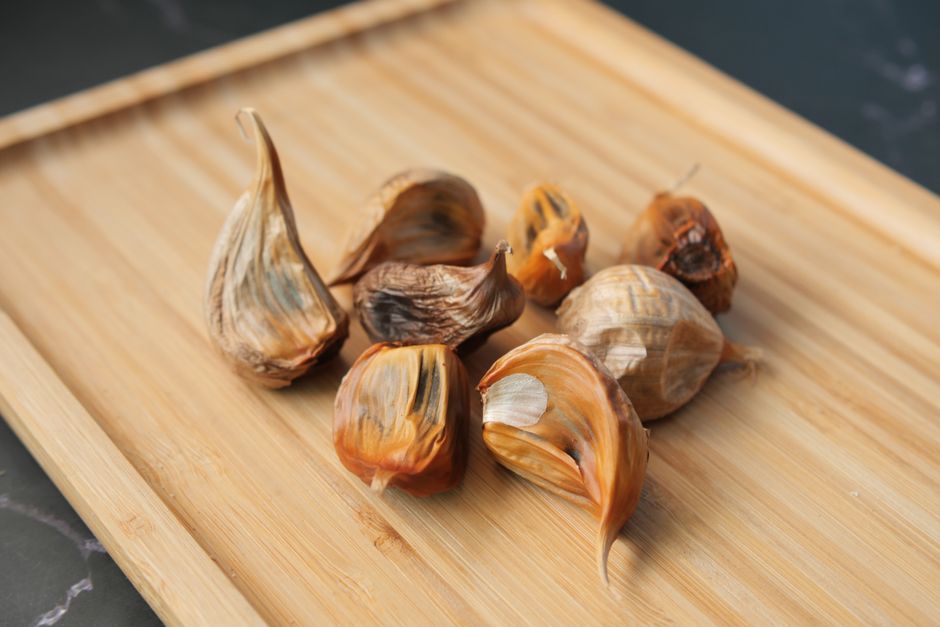
Many home cooks find themselves intimidated by the dark, obsidian-like cloves of black garlic. They look at the shriveled, rubbery exterior and wonder if they are handling a vegetable or a piece of charcoal. However, once you pierce that papery skin and reveal the jet-black, jelly-like interior, you will find a flavor profile that defies the traditional boundaries of alliums. It has lost the aggressive, sinus-clearing pungency of raw garlic and instead embraced a sultry, balsamic-sweet character. It carries the weight of tamarind, the earthiness of molasses, and the deep, soulful umami of a long-aged soy sauce. When you integrate this into your kitchen repertoire, you aren’t just adding a flavor; you are adding a foundational layer of complexity that lingers on the tongue.
In this guide, we are going to strip away the mystery surrounding this fermented marvel. We will explore the rigorous science behind its creation, the precise techniques required to showcase its strengths, and the culinary applications that will make your guests ask, "What exactly did you do to this dish?" Whether you are looking to glaze a protein, deepen a reduction, or simply experiment with a new sensory experience, black garlic is your new best friend. It is time to stop fearing the dark, fermented bulb and start viewing it as the most versatile flavor-bomb currently hiding in your pantry. Prepare to overhaul your seasoning philosophy as we dive deep into the world of this blackened gold.
The Chemistry of Transformation
The metamorphosis of a head of raw white garlic into a jet-black, sweet-savory clove is nothing short of miraculous, though it is grounded entirely in the laws of chemistry. It is not, strictly speaking, a fermentation process in the microbiological sense, but rather a prolonged Maillard reaction. This non-enzymatic browning occurs when amino acids and reducing sugars are exposed to sustained, low-level heat over an extended period. By maintaining a constant temperature between 140°F and 170°F for three to six weeks, the garlic undergoes a fundamental structural shift. The harsh, sulfurous compounds that give raw garlic its signature bite are mellowed, while the sugar content caramelizes and the texture softens into a spreadable, paste-like consistency.
Understanding this process is vital for the home cook because it explains why black garlic behaves so differently from its raw counterpart. When you sauté raw garlic, you are looking for that brief, aromatic golden color before it turns bitter and burnt. With black garlic, that "burning" has already been perfectly executed by time and temperature. You are essentially dealing with a pre-cooked, concentrated ingredient that is ready to be incorporated at almost any stage of the cooking process. It does not need to be softened or mellowed; it is already at the peak of its flavor potential.
"The magic of black garlic lies not in what is added to it, but in what is subtracted. By patiently removing the sharp edges of the raw bulb, we reveal the hidden sweetness that has been dormant all along."
Controlling the Environment
If you are daring enough to attempt the creation of black garlic in your own kitchen, you must prioritize consistency above all else. A standard slow cooker or a dedicated fermentation box is essential, but the real secret lies in humidity control. If the environment is too dry, the garlic will turn hard and leathery. If it is too humid, you risk mold growth before the transformation is complete.
Mastering the Flavor Profile
The primary challenge for the home cook is learning to balance the intense, syrupy profile of black garlic with other ingredients. Because it is so concentrated in umami, it can easily overwhelm delicate flavors if used with a heavy hand. Think of black garlic as a bridge ingredient. It links the acidity of a vinaigrette to the richness of a roasted vegetable, or the saltiness of an aged cheese to the sweetness of a stone fruit. Its primary notes are balsamic-sweetness, molasses, and a faint hint of licorice.
When working with black garlic, it is helpful to categorize it alongside other "umami boosters" like anchovies, tomato paste, or aged Parmesan. You are using it to provide depth, not necessarily to scream "garlic" at the dinner table. If a recipe calls for two heads of garlic, a single, large clove of black garlic might provide the depth you need without the harshness of the raw version. Taste as you go, and always be aware that the flavor tends to bloom and intensify as it sits in a sauce or stew.
Balancing Acts
To balance the richness, you need to introduce acidity or heat. A splash of sherry vinegar or lemon juice cuts through the syrupy viscosity of the black garlic, allowing the complex notes to shine without feeling "muddy." Similarly, a pinch of red pepper flake or freshly cracked black pepper provides the necessary friction to keep the palate engaged.
Acidity:* Use high-quality vinegar (Sherry, Apple Cider, or Balsamic) to brighten the dark flavor.
Heat:* Incorporate chili flakes or ginger to provide a contrasting dimension.
Fat:* Emulsify into softened butter or olive oil to create a base for meats or toasted bread.
Techniques for Incorporation
The most common mistake home cooks make is treating black garlic like a solid vegetable that needs to be chopped and sautéed. While you can certainly slice it, its true potential lies in its ability to dissolve. Because the clove has become a soft, sticky paste, it is best utilized by blending, whisking, or mashing. If you are making a compound butter, for instance, a simple fork will suffice to incorporate the black garlic into room-temperature butter. For a sauce, however, you may want to use a microplane to turn the clove into a fine, paste-like consistency that will disperse evenly through your liquid.
One of the most impressive ways to use black garlic is in a compound butter. By taking three cloves and mashing them into four ounces of high-quality, unsalted, grass-fed butter with a pinch of flaky sea salt, you create a finishing element that can be dropped onto a seared steak or a piece of grilled halibut. The residual heat from the protein melts the butter, creating a luxurious, dark glaze that coats the meat. It is a simple technique, but it carries the sophistication of a high-end bistro dish.
"The true brilliance of the black garlic lies in its texture; it isn't just a seasoning, but a building block of mouthfeel, adding a velvety, almost coating quality to your sauces."
The Emulsion Method
For vinaigrettes, start by mashing your black garlic with your mustard and vinegar before adding the oil. By creating this paste first, you ensure that the black garlic is fully emulsified into the dressing, preventing those awkward, sticky clumps that might otherwise ruin the texture of your greens. This technique creates a rich, dark vinaigrette that pairs exceptionally well with hearty, bitter greens like arugula, radicchio, or endive.
Black Garlic in Sauces and Reductions
If you are a fan of pan sauces, black garlic is about to become your secret weapon. After searing a protein—let’s say a pork chop or a chicken breast—you are left with that beautiful, flavorful crust on the bottom of the pan, known as the fond. When you deglaze this pan with wine or stock, add a tablespoon of minced black garlic. As the liquid reduces, the garlic will melt into the sauce, thickening it slightly and providing an incredible, glossy depth that would normally take hours to achieve with a long-simmering veal stock.
This method works because the sugars in the black garlic caramelize further in the presence of the hot liquid, essentially "glazing" the sauce from the inside out. It is particularly effective with gamey meats, like duck or lamb, where the earthy, sweet profile of the garlic provides a perfect counterpoint to the intensity of the meat. You are essentially building a shortcut to a demi-glace.
The Reduction Secret
To master the pan-sauce technique:
Elevating Vegetarian Dishes
For vegetarians, black garlic is a game-changer. One of the biggest challenges in vegetarian cooking is achieving the "meaty" satisfaction and lingering umami that comes so easily to those who cook with animal fats and bones. Black garlic provides this missing link. Use it to fortify a mushroom risotto, where its sweetness plays off the earthiness of the fungi, or mix it into a lentil ragu to add a complexity that mimics a slow-cooked beef sauce.
Consider a roasted root vegetable dish. Sweet potatoes, carrots, and parsnips are naturally sweet, but they can be a bit one-dimensional. By tossing them in a light glaze made of olive oil, a splash of balsamic vinegar, and a generous amount of pureed black garlic before roasting, you elevate these humble vegetables into a sophisticated side dish that stands on its own. The sugars in the vegetables and the garlic deepen during the roast, creating a savory-sweet profile that is incredibly addictive.
The Umami Boost
Risotto:* Add pureed black garlic at the end of the cooking process when folding in your Parmesan.
Soups:* Use a base of black garlic and sautéed leeks for a deeply savory, vegan-friendly potato soup.
Pasta:* Toss your favorite noodles with black garlic oil, chili flakes, and toasted breadcrumbs for a simple, five-star meal.
Storing and Preserving Your Stock
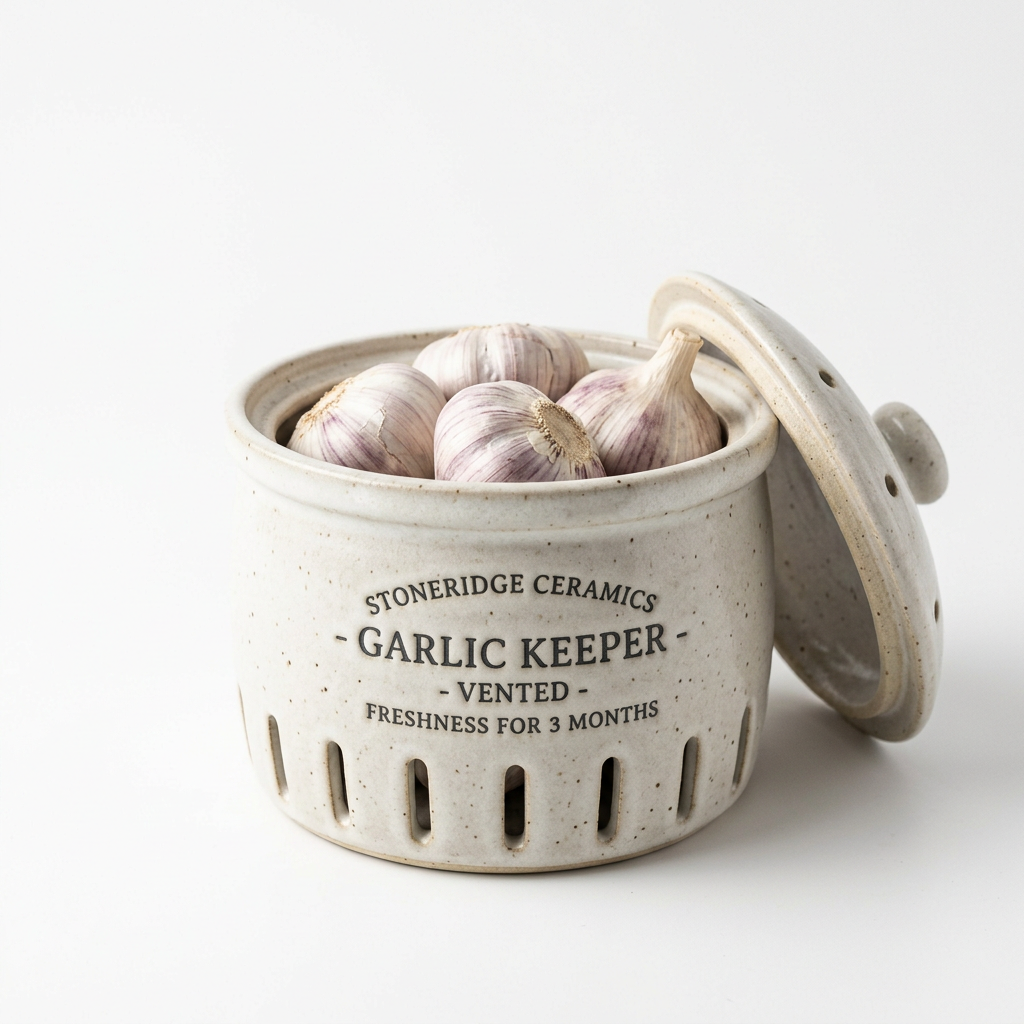
Because black garlic is essentially a preserved food, it has a surprisingly long shelf life. However, if you treat it carelessly, it can dry out or lose its aromatic intensity. Once a head of black garlic is broken, the cloves should be stored in an airtight container, preferably in a cool, dark place. If you live in a particularly warm or humid climate, the refrigerator is the safest bet to maintain the texture. Kept this way, it will remain supple and ready for use for several months.
If you find yourself with an excess of black garlic, consider turning it into a black garlic oil. By simmering high-quality extra virgin olive oil with a few cloves of black garlic at a very low heat for 20 minutes, you infuse the oil with a deep, dark, savory essence. Strain the cloves out and store the oil in a dark glass bottle. This oil can be drizzled over grilled vegetables, finished soups, or used as a dip for crusty bread, providing an immediate burst of flavor whenever you need it.
Best Practices for Longevity
Airtight is essential:* Exposure to air will dry out the cloves, turning them into hard, unusable rocks.
Cool and dark:* Heat and light are the enemies of delicate fermentation flavors.
Labeling:* Since the exterior looks like standard, shriveled garlic, label your containers to avoid confusion with aged or dried-out white garlic.
"A well-stocked kitchen is not defined by the quantity of gadgets, but by the quality of the flavor-building blocks tucked into the pantry. Black garlic is the ultimate example of this, proving that time is, quite literally, the most important ingredient."
Developing Your Personal Style
As you become more comfortable working with black garlic, you should begin to look for ways to make it your own. Start by experimenting with different types of alliums. While standard garlic is the classic choice, have you tried fermenting shallots? The process remains the same, but the resulting flavor is even more delicate and onion-forward, which works beautifully in refined salads or as a topping for delicate fish dishes. You can also experiment with the duration of the "fermentation." A shorter cycle of two weeks will leave you with a tangier, more biting product, while a six-week cycle yields a nearly chocolatey, sweet, and soft result.
The true mark of a master home cook is the ability to deviate from the recipe once the fundamentals are understood. Once you understand the interplay between the sweetness of the garlic, the acidity of the vinegar, and the richness of the fats, you won't need a recipe for a black garlic vinaigrette. You will simply open your pantry, assess your ingredients, and assemble a dressing that hits the perfect notes of balance and depth.
Advanced Ideas for Exploration
Conclusion
Mastering black garlic is about shifting your perspective on what constitutes "flavor." It is a lesson in patience, in the power of slow change, and in the joy of discovering depth in the most unexpected corners of the larder. We often rush through our cooking, looking for high heat and immediate results, but black garlic teaches us that the best outcomes are often the result of steady, gentle transformation. By integrating this dark, umami-rich bulb into your kitchen, you are doing more than just adding a new ingredient to your rotation; you are adopting a philosophy of depth and intention that will be evident in every meal you prepare.
Do not be afraid to fail, and do not be afraid to let the ingredients speak for themselves. The next time you find your dish lacking that certain "something," reach for the black garlic. Let it dissolve into your sauce, fold it into your butter, and watch as it transforms the mundane into the extraordinary. You have the tools, the technique, and the understanding—now, it is simply time to get back into the kitchen and see what magic you can create with the humble, fermented bulb. The evolution of your culinary craft starts now, one clove at a time, and the results will be nothing short of delicious.
Final Thoughts
The journey of the culinary artist is never truly complete. We are always learning, always adjusting, and always seeking that next level of refinement. Black garlic represents the perfect intersection of ancient techniques and modern innovation. It reminds us that even a simple vegetable, when treated with respect and time, can offer a complexity that rivals the finest aged wines or artisanal cheeses. Keep pushing your boundaries, keep questioning your seasoning, and never lose the curiosity that brought you to the stove in the first place.
As you move forward with your newfound mastery of this ingredient, share it. Cook for your friends, surprise your family with the deep, mysterious flavor of a black garlic glaze, and enjoy the conversations that follow. Cooking is a communal act, and when you bring something as unique and refined as black garlic to the table, you are sharing more than just calories—you are sharing a piece of your growth as a chef. Keep that flame high, keep your knife sharp, and keep blaming the chef for making things just a little bit too good to be true. The kitchen is your canvas, and now, you have a brand new, incredibly deep color to paint with. Happy cooking, and may your umami always be perfectly balanced.
In the grand scope of culinary history, black garlic is a relatively new player in Western kitchens, but it carries a weight that suggests it is here to stay. We live in an era where information is abundant, yet true culinary wisdom—the kind that comes from the tactile experience of working with difficult, nuanced ingredients—remains a rare commodity. By taking the time to read, research, and experiment, you have already separated yourself from the casual cook. You have entered the realm of the artisan, where the details matter, and where the secret to a great dish is often hidden in a process that takes weeks rather than seconds.
Remember that ingredients are not static. A bulb of garlic today is not the same as it will be in three weeks of controlled heat. This dynamic relationship with your ingredients is what separates the average cook from the great one. You are the architect of these flavors. You are the one who decides when the Maillard reaction has reached its peak, when the balance of acidity and sugar is just right, and when the dish is finally ready to be served. Embrace this responsibility, enjoy the process, and continue to search for the hidden depths that make cooking one of the most rewarding pursuits in human existence. Your journey with black garlic is only just beginning, and there are countless combinations, infusions, and creations yet to be discovered. Stay bold, stay curious, and keep seasoning with intent.
Ultimately, the goal of "Blame The Chef" is to empower you to feel as confident in your kitchen as a professional. We have walked through the science, the applications, and the storage, but the real magic will happen when you stop following these words and start following your own palate. Use this guide as a foundation, but let your own tastes guide your final seasoning. If you want more sweetness, add a hint of maple syrup. If you want more punch, add an extra clove. The kitchen is not a laboratory where one must follow instructions to the letter; it is a space for expression, for creativity, and for the joy of eating well. Take these tips, go forth, and build something beautiful. You have all the skills you need to become the master of your own culinary world, and I cannot wait to see where you take this humble, blackened bulb next. Keep cooking, keep experimenting, and most importantly, keep enjoying the process.

Get the Next Recipe
Weekly recipes, techniques, and gear picks — straight to your inbox.
