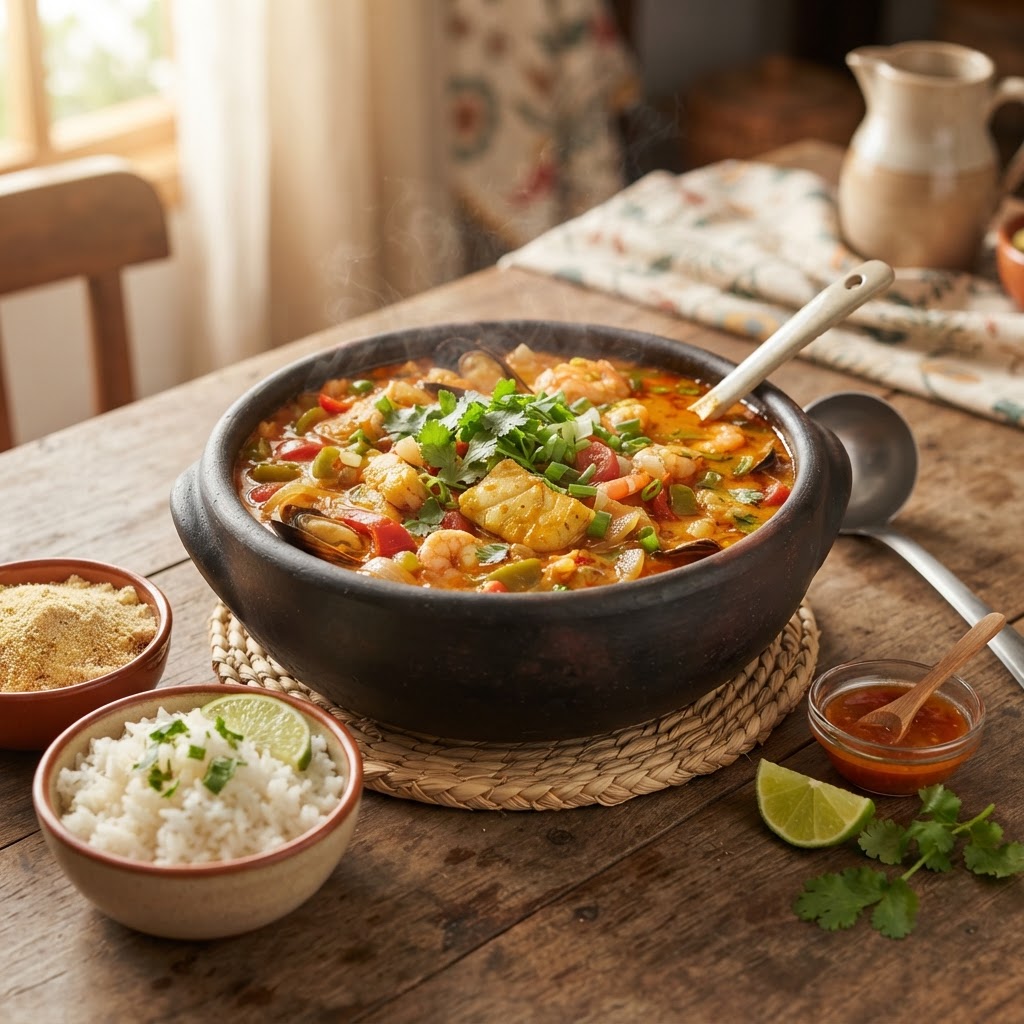
The Home Cook’s Guide to Brazilian Moqueca: Mastering Coconut Milk and Dendê Oil Ratios for Authentic Bahian Seafood Stew
There is something undeniably transportive about the first aromatic waft of a bubbling moqueca rising from a clay panela. To step into the world of Bahian cuisine is to embrace a history where indigenous roots, Portuguese influence, and West African heritage collide in a beautiful, fragrant synthesis. Unlike the heavy cream-based stews of Europe, this Brazilian masterpiece relies on the elegant dance between the creaminess of fresh coconut milk and the earthy, vibrant intensity of dendê oil. For the home cook, mastering this dish is less about following a rigid recipe and more about understanding the alchemy of fat, acidity, and protein. When executed with patience, you are not just making dinner; you are curating an experience that echoes the tropical coastline of Salvador.
Many home cooks find themselves intimidated by the vibrant, sunset-orange hue of a traditional moqueca baiana, fearing that the exotic ingredients are difficult to source or manage. I am here to tell you that the secret lies not in complexity, but in the layering of aromatics. The "trinity" of bell peppers, onions, and tomatoes must be allowed to surrender their juices slowly, forming the foundation of a broth that coats the palate without overwhelming the delicate seafood. If you have ever felt that your homemade seafood stews lacked that "restaurant-quality" depth, the answer likely resides in the ratio of your liquids. We are looking for a balance that is rich but bright, grounded by spice but elevated by fresh herbs.
Throughout this guide, we will dismantle the myth that Brazilian cooking requires an advanced culinary degree. We will discuss why the order in which you layer your ingredients matters as much as the quality of the seafood itself. By the time we reach the final simmering stage, you will have developed an intuition for the perfect texture—a velvety, emulsified sauce that clings to firm white fish and plump shrimp. Let us move past the hesitation and dive into the heat of the kitchen, ready to craft a dish that honors its roots while firmly cementing itself as a staple in your personal recipe repertoire.
Understanding the Pillars: The Essential Trio of Moqueca
The Role of Dendê Oil
Dendê oil, or red palm oil, is the soul of any authentic Bahian moqueca. It is derived from the fruit of the Elaeis guineensis palm and provides more than just an iconic, radiant orange color. Its flavor is bold, earthy, and slightly smoky, acting as the primary seasoning agent that bridges the gap between the coconut milk and the acidity of the tomatoes. When sourcing dendê oil, look for high-quality, cold-pressed versions; avoid heavily processed alternatives that lack the depth of flavor required for a traditional stew. Remember that a little goes a long way—start with two tablespoons and adjust based on your tolerance for its distinct, nutty profile.
Mastering Coconut Milk Ratios
The coconut milk you choose is just as critical as the oil. For a moqueca, you want a high-fat, canned coconut milk—never the sweetened, watered-down varieties intended for smoothies. The fat content is essential for emulsification, which creates that luxurious, glossy mouthfeel. I recommend a ratio of 1 cup of coconut milk for every 1.5 pounds of seafood. This ensures the stew remains thick enough to coat a crusty piece of baguette but loose enough to be served over a bed of fluffy white rice. If you are feeling ambitious, squeezing fresh coconut flesh can provide an unmatched level of sweetness that canned varieties simply cannot replicate, though canned is perfectly acceptable for the modern home cook.
The Importance of Acid
Because both dendê oil and coconut milk are rich fats, the dish would be cloying without a sharp acidic counterpoint. In the classic preparation, this is provided by lime juice and, crucially, tomatoes. Do not be afraid to use a generous amount of lime juice to marinate your seafood for at least 30 minutes before cooking. This process, often referred to as a mild ceviche-style cure, tightens the fish proteins, ensuring they don't disintegrate into the sauce during the rapid simmer. The tomato juice, when reduced with the onions and peppers, provides a foundational acidity that balances the richness, keeping the dish tasting light and coastal rather than heavy and stew-like.
"The magic of a true Moqueca lies in the patience you grant the base; don't rush the sweating of the aromatics, or you will lose the very depth that makes the dish legendary."
Selecting the Right Seafood and Prep Techniques
Choosing Firm White Fish
The ideal fish for a moqueca is one that holds its shape under high heat. Think along the lines of mahi-mahi, halibut, or even cod. These firmer varieties are less likely to fall apart when you stir the pot, which is vital because you want to avoid over-stirring once the fish is added. If you opt for something delicate like tilapia or flounder, be prepared for a more rustic, flaky texture. Always cut your fish into large, uniform chunks—about two inches thick—to ensure they cook at the same rate and remain succulent rather than becoming dry and overcooked.
The Art of the Shrimp
Shrimp are a non-negotiable addition for many, but they must be treated with care. They cook significantly faster than the white fish, which means they should be introduced in the final stages of the cooking process. I prefer using large, peeled and deveined shrimp with the tails left on for aesthetic impact. If you are using frozen shrimp, ensure they are fully thawed and patted dry before they enter the marinade. This prevents them from releasing excess water into the stew, which can dilute your carefully balanced coconut-dendê broth and weaken the overall flavor profile.
The Pre-Cook Marinade
Never skip the marination stage. Your seafood should be tossed in a mixture of fresh lime juice, crushed garlic, sea salt, and black pepper. This serves two purposes: it seasons the fish from the inside out and helps firm up the flesh. Let the seafood rest in the refrigerator for at least 30 minutes. If you are working with thicker cuts of fish, you can stretch this to an hour, but keep a close eye on the clock; if left too long in the lime juice, the fish will begin to "cook" too much and lose its natural sweetness.
The Layered Assembly: Building the Moqueca in the Panela
The Foundation of Aromatics
The beauty of the moqueca is that it is essentially a "no-stir" stew. Once you start layering, you want to leave the ingredients undisturbed to preserve the integrity of the seafood. Start by heating a thin layer of olive oil in your clay panela or a heavy-bottomed Dutch oven over medium heat. Sauté your onions, bell peppers (using a mix of red, yellow, and green for visual appeal), and scallions until they are just tender. Many chefs add a touch of fresh chili, like a malagueta pepper, at this stage to introduce a subtle, creeping heat that defines the Bahian palate.
Layering the Vegetables and Liquid
Once your aromatics have softened, spread them across the bottom of the pot to create a "bed." Layer your marinated fish on top of the vegetables. Next, add the tomatoes, ensuring they are ripe and juicy, as they will provide the secondary liquid. Pour the coconut milk evenly over the top, making sure it settles into the crevices between the fish chunks. Finally, drizzle your dendê oil over the surface in a circular motion. Do not stir! The layers will meld naturally as the steam rises and the liquids begin to simmer together, creating a perfectly balanced flavor profile without shredding the fish.
Temperature Control and Simmering
This dish is not a candidate for a rolling boil. You want a gentle, low-simmer that coaxes the flavors out without scorching the coconut milk, which can curdle if the heat is too aggressive. Set your burner to medium-low and cover the pot. The total cook time from the moment the lid goes on is typically about 12 to 15 minutes. You will know it is finished when the fish is opaque and flakes easily with a fork, and the sauce has reduced slightly and turned a brilliant, shimmering orange from the emulsification of the palm oil and coconut milk.
"A great stew is not just a meal; it is a layering of time and tradition, where each element is respected for its own contribution to the collective symphony of flavor."
Serving Suggestions: What Pairs with Authenticity?
The Essential Side: Pirão
If you want to serve your moqueca like a local, you must make pirão. This is a traditional porridge made by thickening a portion of the moqueca’s broth with manioc flour (cassava flour). It is the ultimate comfort food and ensures that absolutely none of that precious, flavor-packed broth goes to waste. To make it, scoop about a cup of the hot broth into a separate bowl, whisk in the manioc flour until it reaches a pudding-like consistency, and serve it on the side. It adds a wonderful, earthy starch component that rounds out the meal perfectly.
Rice and Fresh Herbs
Beyond the pirão, a simple, fluffy white rice is the standard accompaniment. It provides a clean, neutral canvas for the intense flavors of the stew. When plating, consider scattering a generous handful of freshly chopped cilantro and scallions over the top right before serving. The brightness of the fresh herbs cuts through the heaviness of the dendê oil and provides a necessary pop of green against the deep orange sauce. Some regions also serve a side of farofa (toasted cassava flour with bacon and butter) for an added crunch that contrasts beautifully with the tender fish.
Drink Pairings
Because moqueca is so aromatic and rich, you need a beverage that can stand up to the coconut and the heat without disappearing. A crisp, dry white wine like an Albariño or a Vermentino is an excellent choice, as their natural salinity pairs wonderfully with the seafood. Alternatively, embrace the Brazilian spirit with a classic caipirinha. The sharpness of the cachaça and lime is the perfect palate cleanser after a bite of the rich, velvety stew. If you prefer a non-alcoholic option, a sparkling limeade or even a chilled coconut water with a twist of lime works exceptionally well.
Troubleshooting Common Culinary Pitfalls
Fixing a Thin Sauce
If your sauce is too thin, it usually means your coconut milk had too much water content or your tomatoes weren't juicy enough. Do not reach for the cornstarch! Instead, simply remove the fish carefully with a slotted spoon and increase the heat slightly to reduce the liquid, whisking constantly to encourage emulsification. Once it reaches a sauce-like consistency, gently add the fish back in. Alternatively, the aforementioned addition of manioc flour naturally thickens the sauce and adds a lovely depth of flavor that is entirely appropriate for this style of cooking.
Managing the Dendê Oil
Some people find the taste of dendê oil overpowering. If you are new to this flavor, it is perfectly acceptable to blend it with a neutral oil, such as grapeseed or avocado oil, at a 1:1 ratio for your first attempt. Over time, as your palate adjusts to the distinct, earthy notes of the palm oil, you can increase the amount of dendê until you reach the traditional proportions. Remember, the goal is to enhance the seafood, not to mask it, so listen to your own taste buds as you develop your specific house style for this dish.
Preventing Overcooked Seafood
The biggest mistake in home kitchens is over-stewing. Remember that seafood continues to cook in the residual heat of the sauce even after you turn the burner off. If your fish is small, ten minutes of active simmering might be enough. Always test the thickest part of the fish with a fork—it should offer no resistance and flake away clearly. If you are unsure, err on the side of caution; a slightly under-done piece of fish will finish perfectly in the seconds between the stove and the table.
The Science of the Emulsion
Why the Pot Matters
The use of a clay pot, or panela de barro, is not just for aesthetic tradition. Clay is a porous, insulating material that distributes heat differently than stainless steel or aluminum. It creates a gentle, consistent environment that prevents the bottom of the stew from scorching and allows the coconut milk to emulsify slowly with the tomato juices. If you do not have a clay pot, a heavy, enameled cast iron Dutch oven is the best possible substitute. The goal is to mimic that steady, low-energy heat transfer that defines traditional slow-cooking techniques.
Managing the Fat Layer
If you notice your dendê oil separating completely from the coconut milk, it usually indicates that the heat was too high or the ingredients were stirred too aggressively. While a bit of surface oil is expected and traditional, a completely broken sauce is less satisfying. To prevent this, ensure your coconut milk is at room temperature before adding it to the pot, and avoid boiling the stew once the dairy-like components are introduced. A gentle simmer is the key to maintaining that rich, glossy, and unified sauce that makes a moqueca truly memorable.
Balancing the Aromatics
The "sofrito" base of onions, garlic, and peppers is your opportunity to build character. Do not rush this step. Sweat the onions until they are translucent, not brown. If they brown too much, they introduce a sweetness that can clash with the delicate balance of the coconut milk. By sweating the vegetables properly, you draw out their natural sugars and liquids, creating the "body" that will later bind with the fats. This patience at the start of the process saves you from needing to over-season or fix the dish later on.
Final Thoughts
Mastering the moqueca is a rite of passage for any cook who values the intersection of culture and flavor. It is a dish that demands your full attention, not because it is difficult, but because it asks you to slow down and listen to the rhythm of the pot. By respecting the individual elements—the firm bite of the seafood, the vibrant heat of the dendê oil, and the soothing embrace of the coconut milk—you are participating in a tradition that spans generations. Do not fear the process; instead, find joy in the simmering, the layering, and the final revelation of that signature, radiant orange broth.
As you gain confidence, I encourage you to experiment with your own additions. Some home cooks enjoy adding a handful of prawns or even a few firm mussels to the mix, while others prefer to play with the intensity of the chili peppers. Once you understand the underlying ratios of fat to acid, the recipe becomes a flexible framework rather than a set of shackles. The most important ingredient, as always, is the enthusiasm you bring to the stove. Whether you are serving this to a crowded table of friends or enjoying a quiet, nourishing meal at home, the moqueca is a testament to the fact that simple, high-quality ingredients can create something truly profound when treated with respect.
Remember, the goal is to create a dish that tells a story of the coast, of the sun, and of the sea. Keep your seafood firm, your heat low, and your spirit high. As you plate your stew and smell that intoxicating blend of aromatics, take a moment to appreciate the journey of discovery you have undertaken. Cooking is a constant cycle of learning and tasting, and this Bahian classic is a perfect companion for that pursuit. Until next time, keep experimenting, keep tasting, and above all, blame the chef if the pot is empty before the guests have even sat down! Happy cooking, and may your kitchen always be filled with the warmth of a perfectly balanced stew.
To recap the essentials for your future success:
You now possess the knowledge to bring the vibrant, sun-drenched flavors of Bahia into your own home. It is a dish that rewards patience and honors the ingredient, and once you have mastered the ratio of dendê to coconut milk, you will find yourself returning to this recipe time and time again. It is truly the crown jewel of seafood stews. The combination of textures—the snap of a fresh shrimp, the tenderness of the fish, and the velvety, aromatic sauce—is something that simply cannot be replicated by any other cuisine. Embrace the process, trust your senses, and enjoy the satisfaction of creating a world-class meal from the comfort of your own kitchen. You have all the tools; now go forth and create something beautiful.

Get the Next Recipe
Weekly recipes, techniques, and gear picks — straight to your inbox.
