
The Home Cook's Guide to Brick Oven Baking: Mastering High-Heat Pizza and Flatbread at Home
There is a profound, almost primal satisfaction that comes from pulling a pizza from a blistering hot oven, the crust charred with leopard spots and the cheese bubbling in a rhythmic, golden dance. For years, the home cook has been told that authentic, high-heat baking is the exclusive domain of those with professional wood-fired monsters or massive, expensive hearth installations. I am here to tell you that this is simply not true, and frankly, it is a narrative that underestimates the ingenuity of the modern kitchen. With a bit of thermodynamics, the right tools, and a shift in how you view your standard residential appliance, you can achieve results that rival the most celebrated pizzerias in Naples or Brooklyn. It is time to stop blaming the lack of professional equipment and start blaming the technique, because once you master the art of high-heat baking, there is no turning back.
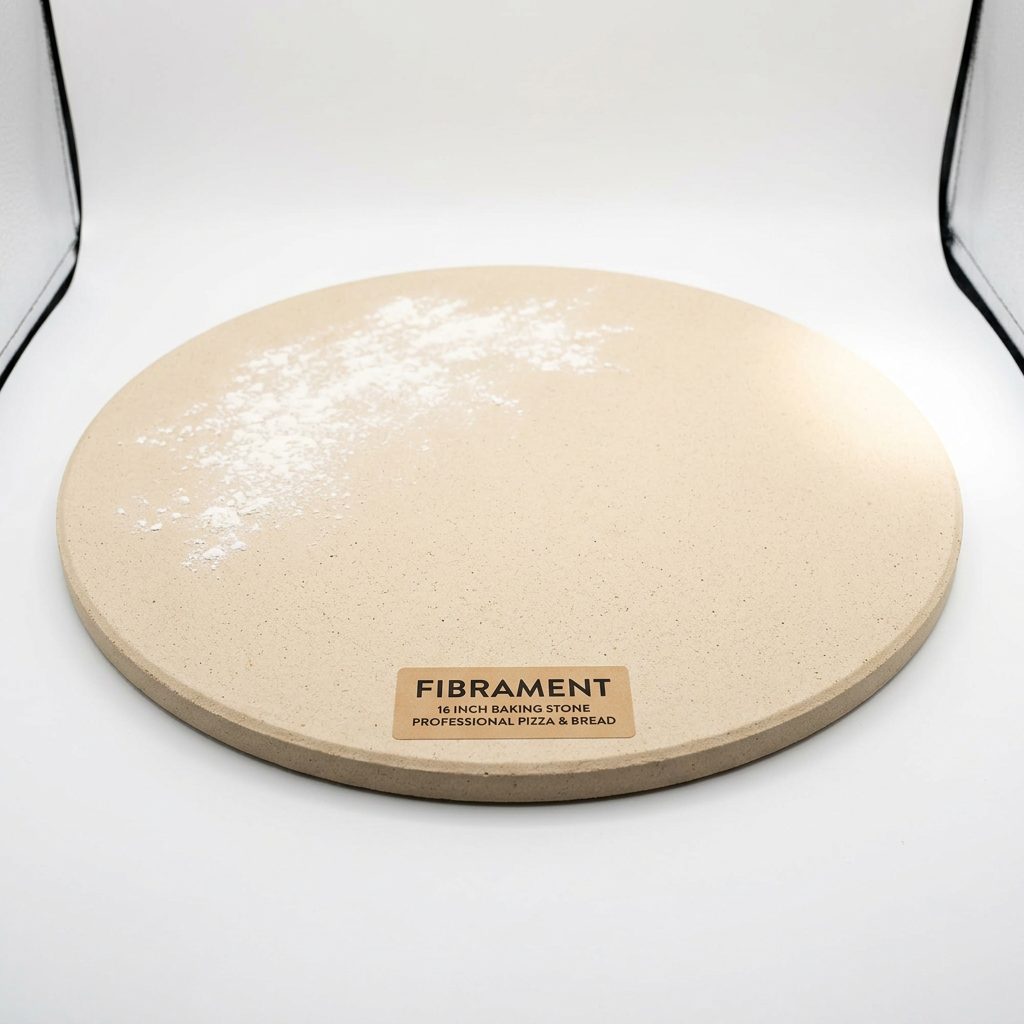
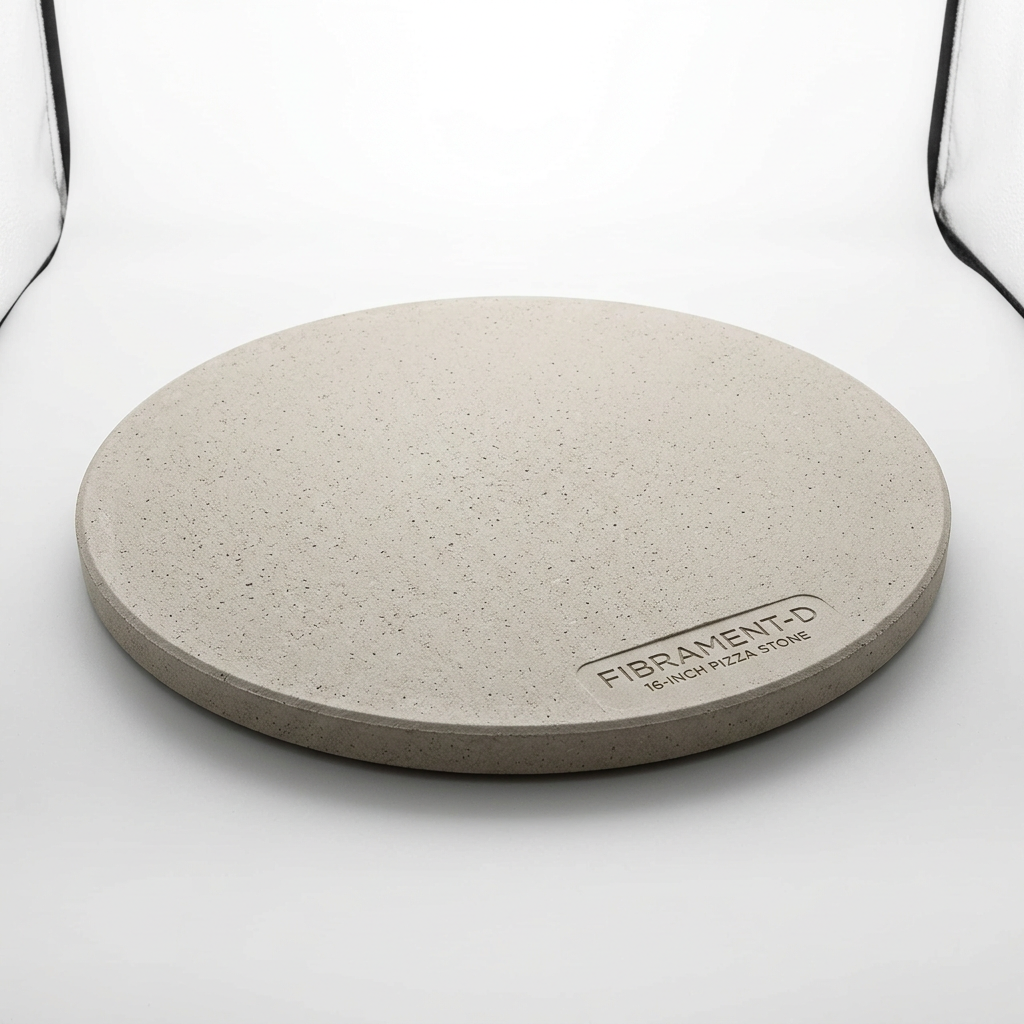
The secret to professional-level baking at home is not necessarily a $5,000 oven, but rather the masterful control of thermal mass and radiant heat. Your home oven, even when pushed to its maximum setting of 500 or 550 degrees Fahrenheit, is a beast that needs to be tamed and redirected. By utilizing conductive surfaces like baking steels or cordierite pizza stones, you create a thermal battery that transfers heat into your dough with lightning speed, creating that essential "oven spring" that defines a light, airy, and crisp crust. Understanding how to manage your oven’s environment is the first step toward becoming a true home artisan. We are going to explore the mechanics of heat, the chemistry of dough, and the workflow required to turn your humble kitchen into a high-temperature temple of flour and water.
Before we dive into the specific metrics of dough hydration and oven management, it is crucial to embrace the mindset of a professional baker. Baking is not merely following a recipe; it is a constant, iterative process of observation and adjustment. You must pay attention to the ambient humidity in your kitchen, the protein content of your flour, and the specific quirks of your oven’s heating element. When you commit to mastering brick oven-style baking, you are embarking on a journey that will teach you more about food science than a decade of following boxed instructions ever could. Let us prepare to strip away the myths, focus on the science, and learn how to coax professional results out of equipment that you likely already own.
The Science of Thermal Mass and Heat Transfer
The most critical component in your transition to high-heat baking is understanding the difference between ambient air temperature and surface temperature. An oven set to 550 degrees is effectively a hot box, but that air is relatively low in density; it doesn't possess the sheer energy required to blast a pizza dough into a puffy, charred crust in under four minutes. To achieve this, you need a high-mass conductive material that can store and release energy upon contact. This is where the baking steel enters the conversation as the home cook's most potent weapon.
Why Baking Steel Trumps Stones
While traditional ceramic stones are popular, they are brittle and slow to conduct heat. A heavy-gauge carbon steel plate acts as a radiator, absorbing heat from your oven and dumping it instantly into the dough the moment you slide your pizza onto it. This creates an immediate spike in temperature at the base of the crust, which is essential for that crispy bottom structure. Because steel has a higher thermal conductivity than stone, it allows for a much more rapid browning reaction, known as the Maillard reaction, which provides the complex flavors we associate with great artisan bread.
The secret to the perfect pizza isn't just the oven; it is the marriage between a high-hydration dough and a surface that can move heat into that dough faster than the yeast can expand. When these two elements meet, the result is nothing short of alchemy.
Managing Your Oven’s Heat
Even with the best steel, you must position it correctly to maximize the impact. I always recommend placing your baking steel on the second-highest rack position in your oven. This allows the steel to sit closer to the upper heating elements, which is vital for charring the outer rim (the cornicione) of your pizza simultaneously with the bottom. By combining the conductive heat of the steel with the radiant heat from the broiler, you create a focused zone of intense heat that mimics a wood-fired brick oven.
Mastering the Dough: Hydration and Protein
The foundation of any high-heat project is the dough itself. If your dough is too lean, it will dry out and turn into a cracker in a hot oven; if it is too wet, it will be impossible to handle. For high-heat baking, we generally aim for a hydration percentage between 68% and 75%. This ensures that the steam generated during the baking process is sufficient to cause the dough to puff rapidly, while still maintaining enough structure to support toppings without becoming a soupy mess.
The Role of Protein and Fermentation
Using a high-protein flour, such as Tipo 00 flour or a high-quality bread flour with at least 12-13% protein, is non-negotiable. The gluten network needs to be robust enough to hold onto the gas produced by your yeast. However, the secret ingredient is patience. A long, cold fermentation—anywhere from 24 to 72 hours in the refrigerator—allows the enzymes in the flour to break down starches into simple sugars. These sugars are the fuel for the browning process at high temperatures; without proper fermentation, your crust will remain pale regardless of how hot your oven is.
Hydration Ratios for Success
For the home baker, I suggest starting with a 70% hydration formula. This is the "sweet spot" for manageable dough that still yields a professional crumb. To calculate this, simply take the weight of your water and divide it by the weight of your flour. For example, if you use 500 grams of flour, 350 grams of water will provide that 70% ratio. Keep your salt percentage consistent at 2.5% to 3% to control the yeast activity and provide the necessary flavor profile that separates an artisan loaf from a bland, commercial crust.
The Workflow of a High-Heat Bake
Preparation is the key to minimizing stress once the oven reaches its peak temperature. You should have your toppings prepped, your peel dusted, and your dough balls tempered at room temperature for at least two hours before you intend to stretch them. A cold dough will refuse to stretch and will likely tear, leading to frustration and poorly shaped pizzas.
Preparing the Peel
Your pizza peel is the bridge between the preparation and the fire. Many home cooks make the mistake of overloading their peel, which leads to the dreaded "stuck pizza" syndrome. To prevent this, use a mixture of semolina flour and bread flour on your peel. Semolina acts like tiny ball bearings, ensuring that the dough slides off the peel with minimal friction. Always give your pizza a quick shake on the peel right before you launch it to ensure it is moving freely.
The Launch Technique
Launching a pizza onto a blistering steel is an art form. You want to use a swift, fluid motion, pushing the peel toward the back of the oven and then pulling it back rapidly. This creates a wave of momentum that deposits the pizza gently onto the surface. If you feel hesitant, you will likely end up with a folded-over dough ball. Confidence is your friend, but remember: if the pizza doesn't land perfectly, don't panic. You can often adjust it with a metal spatula if it is still early in the bake.
Great baking is a balance of science and intuition. You are looking for the moment when the dough stops rising and starts coloring, a split second that separates a good pizza from a world-class one.
Troubleshooting the High-Heat Environment
Even for seasoned chefs, high-heat baking is rarely perfect every time. You might find that your crust is darkening too fast, or perhaps the toppings are still raw when the bottom is already burnt. These are common issues that typically stem from oven placement or ingredient moisture levels.
When the Crust Burns Before the Toppings
If you find your crust is charring significantly faster than your cheese or toppings, it is likely that your oven is running too hot at the bottom or your toppings have too much moisture. Try dropping your oven temperature by 25 degrees, or increase the moisture content of your sauce by draining your canned tomatoes. Also, consider adding your cheese halfway through the bake if you are using a high-moisture mozzarella, which is a classic professional technique.
Managing Moisture in Toppings
Excess moisture is the enemy of a crisp crust. If you are using fresh mozzarella, slice it and let it sit on paper towels for at least an hour before you use it. For vegetable toppings like mushrooms or zucchini, sauté them briefly in a pan first to draw out their water content. If you skip this step, the moisture will release onto the dough during the bake, resulting in a soggy, unappealing center that defeats the purpose of your high-heat oven.
Advanced Techniques: Beyond the Basic Pizza
Once you have mastered the standard Neapolitan-style pizza, you can begin to experiment with different dough styles and textures. High-heat baking is perfectly suited for flatbreads, naan, and even pita. The rapid expansion caused by the high heat turns these doughs into fluffy, hollow pockets of joy that are perfect for dipping and scooping.
The Art of the Garlic-Herb Flatbread
Take your standard dough and divide it into smaller portions, rolling them out thinner than you would for a pizza. Brush them with a mixture of extra virgin olive oil, minced garlic, and fresh rosemary. When launched onto your steel, these flatbreads will puff up almost instantly, creating a golden, crunchy exterior with a soft, chewy interior. It is an excellent way to practice your oven management without the pressure of managing complex pizza toppings.
Incorporating Sourdough for Complexity
For those who want to take their baking to the professional level, incorporating a wild yeast sourdough starter provides a depth of flavor that commercial yeast simply cannot match. The acids produced by the lactic acid bacteria in a starter help to strengthen the gluten, resulting in a dough that is both easier to digest and more structurally sound at high temperatures. Just keep in mind that sourdough fermentation is slower and requires more temperature monitoring during the bulk proofing stage.
The Psychology of the Home Kitchen
It is easy to get caught up in the equipment and the metrics, but the most important tool you have is your own curiosity. When you start "blaming the chef" for a less-than-perfect loaf, you are actually taking ownership of your progress. Every mistake—the torn dough, the uneven char, the soggy center—is a lesson in the physics of your specific oven.
Embracing the "Leopard Spot"
The "leopard spotting" on a crust is the hallmark of a high-heat bake. It is the result of the dough's sugars caramelizing and the wild yeast creating large bubbles that burn slightly under the intense heat of the broiler. When you achieve this, you are not just baking; you are participating in a tradition that spans centuries. Celebrate these moments, share them with friends, and recognize that the imperfections are often what give homemade food its unique character.
Creating a Ritual
Make the process a ritual. Clear your counters, play some music, and give the dough the attention it deserves. High-heat baking requires presence of mind. You cannot walk away from an oven set to 550 degrees. You must be there, watching the transition from raw dough to bubbly, aromatic perfection. This level of engagement is what transforms a chore into a hobby, and a hobby into a passion.
True mastery is not found in the acquisition of expensive gear, but in the refinement of one's own technique. When you work with the heat rather than against it, you can create magic in any kitchen.
Final Thoughts
The journey toward mastering brick oven-style baking at home is one of the most rewarding endeavors a cook can undertake. It forces you to confront the variables of moisture, protein, heat, and time with a level of rigor that is rarely applied to everyday home cooking. By investing in a high-quality baking steel, understanding the science of hydration, and learning to manage the heat of your oven, you have moved past the role of a passive recipe follower and into the role of a culinary technician.
Do not be discouraged by initial failures. Even the most prestigious pizzaiolos in Naples have days where the dough behaves unpredictably or the oven refuses to cooperate. The beauty of this craft lies in its complexity and the endless capacity for improvement. Every time you slide that peel into the oven, you are engaging in a dialogue with your ingredients and your equipment. Listen to the sound of the crust crackling as it leaves the heat; smell the transition from raw flour to toasted grains.
Thank you for joining me on this deep dive into high-heat baking. I hope that you will look at your home oven with a new sense of possibility and that you feel empowered to push the boundaries of what you thought was possible in your own kitchen. Remember, when the results aren't exactly what you wanted, don't look for excuses—just adjust your technique, learn from the data, and prepare for the next bake. You have everything you need to create something truly exceptional. Now, go turn up the heat and get back to the oven. Your perfect crust is waiting to be born.
As you continue to refine your skills, keep track of your variables. Start a small baking log where you note the hydration percentage, the temperature of your kitchen, the brand of flour you used, and the bake time. You will be amazed at how quickly you can identify the patterns that lead to your most successful pizzas. Whether you are aiming for a classic Margherita or a creative, seasonal flatbread, the principles of thermal mass and dough management remain the same. The difference between a good home cook and a great one is simply the refusal to settle for "good enough."
Always remember that the goal is progress, not perfection. There is an immense amount of joy in serving a pizza that you built from scratch, knowing that you understood every step of the process. The dough is a living thing, and your interaction with it is what gives the finished product its soul. So, keep your steel hot, your peel floured, and your passion fueled. The path to becoming a home baking expert is paved with flour, water, and plenty of trial and error. I look forward to hearing about your successes and seeing the crusts you develop as you continue to master this incredible craft. Keep baking, keep testing, and above all, keep blaming the chef when things go wrong—because that is the only way to ensure they go right next time.
When I started my journey, I used to think the oven was a limitation. I blamed the gas lines, the insulation, and the size of my oven cavity. It was only when I realized that the limitation was actually in my lack of understanding of thermodynamic principles that everything changed. Once you stop fighting the machine and start manipulating the variables, you gain a sense of control that is incredibly liberating. You are no longer at the mercy of your home appliance; you are its master. This is the essence of professional-level cooking. It is about understanding the why behind the what.
In closing, never lose sight of the communal aspect of baking. Pizza is meant to be shared, and there is no greater joy than pulling a series of hot, blistered pies out of the oven to serve to family and friends. It is a social, tactile, and highly rewarding way to connect with the people you love. The effort you put into perfecting your dough and managing your heat will be instantly recognized by those who take the first bite. That crunch, that chew, that perfect balance of char and melted cheese—that is your reward. Happy baking to each and every one of you, and may your crusts always be perfectly leopard-spotted.
It is worth reiterating that the quality of your ingredients plays a significant role in your final outcome. While technique can compensate for many things, it cannot turn poor-quality flour or canned, metallic-tasting tomatoes into a masterpiece. Source the best flour you can find—look for high-quality Italian Tipo 00 or stone-ground flours. Use San Marzano tomatoes for your sauce, and invest in a block of high-quality, low-moisture mozzarella or fresh buffalo mozzarella. These small choices, layered on top of your superior technique, will make your home-baked pizzas indistinguishable from those found in the world’s best pizzerias.
Finally, stay curious. The world of pizza is vast, ranging from Detroit-style deep dish and Roman al taglio to the classic Neapolitan. Once you master the high-heat, thin-crust method, don't stop there. Use the skills you have learned to experiment with pan styles and different hydration levels. The principles of thermal energy transfer are universal, and they will serve you well regardless of the style of pizza or bread you choose to bake. The art of the brick oven is a lifelong study, and you have officially begun the most exciting part of the journey. Embrace the heat, embrace the process, and continue to learn with every single bake. You are the architect of your own culinary success, and the kitchen is your studio.
If you find yourself struggling with the consistency of your dough, don't worry. Consistency comes with repetition. Make a batch of dough every week. Keep a notebook. Record the ambient temperature of your kitchen and how long you let your bulk fermentation go. Small variations in time and temperature have a major impact on the final product, especially when you are working with wild yeast or long, cold ferments. By documenting these variables, you will build a mental model that will eventually allow you to bake intuitively without needing to check your notes. This is the pinnacle of the craft—where the knowledge is embedded in your hands and your senses rather than just written on a piece of paper.
As we conclude this guide, I want to leave you with one final thought: baking is an act of generosity. When you take the time to nurture a dough, to manage the temperature, and to carefully top and bake each pie, you are offering something truly special to those around you. The home cook is the heart of the culinary world, and by raising your standards and mastering these high-heat techniques, you are keeping the spirit of artisan baking alive and well in the most important kitchen of all—your own. Keep the heat high, the dough handled with care, and the fire in your belly burning for the next great bake. You have earned your seat at the table.
Now, as you embark on your next session, visualize the result before you even mix your flour and water. Imagine the texture of the crust, the aroma of the charred bubbles, and the warmth of the finished pizza. Visualization is a powerful tool in any craft. By setting an intention for your bake, you are more likely to execute the steps with the focus and precision required to achieve professional results. Never underestimate the power of your own intent. You are not just making food; you are mastering an element. Go forth and fire up that oven, knowing that you have the skills, the tools, and the dedication to produce something world-class right in your own home. You've got this.

Get the Next Recipe
Weekly recipes, techniques, and gear picks — straight to your inbox.
