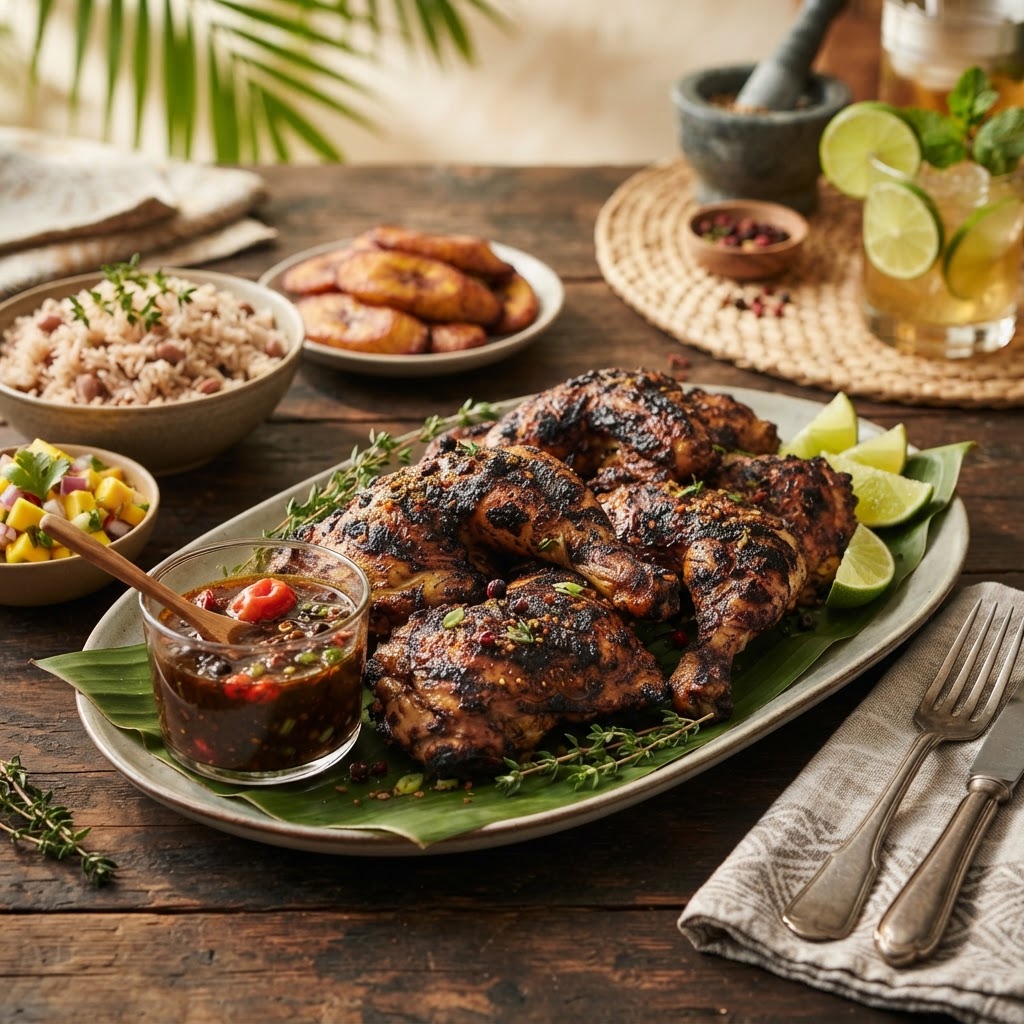
The Home Cook’s Guide to Caribbean Jerk: Mastering Pimento and Scotch Bonnet Marinades for Authentic Smoky Heat
There is a specific moment in the life of every home cook when they realize that the grocery store bottled sauces labeled "Jerk" are merely a shadow of the real thing. It is a moment of culinary awakening that often occurs while walking past a charcoal-fired drum in a bustling Jamaican market or by finally biting into a piece of chicken that has been properly charred, deeply marinated, and lovingly smoked. Jerk is not just a condiment or a method of applying a dry rub; it is a profound cultural tradition born from the necessity and ingenuity of the Maroons in the hills of Jamaica. When you commit to making authentic jerk at home, you are entering into a culinary dialogue that spans centuries, requiring a respect for the ingredients that simply cannot be replicated by synthetic additives or liquid smoke.
To master this art, one must first dismantle the misconception that jerk is simply "spicy chicken." True jerk is a sophisticated interplay of aromatic intensity, pungent heat, and the distinct, woodsy smoke of the pimento tree. The foundation of any legitimate marinade begins with the Scotch Bonnet pepper, a heat source that carries with it a surprising tropical fruitiness, and allspice berries, known as pimento in the Caribbean, which provide the essential woody, clove-like undertone. If you have been relying on store-bought blends, prepare yourself for a sensory revolution that will change the way you view outdoor cooking forever.
In this guide, we are going to peel back the curtain on the authentic jerk process, stripping away the myths and focusing on the chemistry of the marinade and the physics of the smoke. We will cover everything from the ideal ratios of aromatics to the specific internal temperatures required to ensure your poultry or pork remains succulent despite the aggressive heat of the grill. This is not a project for the impatient, as the true soul of jerk lies in the duration—time spent marinating, time spent preparing the wood, and time spent slowly coaxing flavor into the protein. Tie your apron tight and get ready to blame the chef when your guests demand you cook this every single weekend.
The Anatomy of the Marinade: Respecting the Holy Trinity
The marinade is the heart and soul of your jerk. If you take shortcuts here, the entire dish will lack the depth required for an authentic experience. You are looking for a flavor profile that balances heat, sweet, salt, and earth. The "Holy Trinity" of jerk is comprised of the Scotch Bonnet, scallions, and fresh thyme, but the supporting cast is equally vital to the final structure of the dish.
Balancing the Scotch Bonnet Heat
The Scotch Bonnet pepper provides a unique heat profile that reaches between 100,000 and 350,000 Scoville Heat Units. Unlike a habanero, which is strictly piercing heat, the Scotch Bonnet has a high concentration of volatile oils that smell like apricot and apple. When processing your marinade, you must decide whether to seed the peppers or leave them intact. For a "medium" heat, remove the placenta and seeds, but for the authentic, sweat-inducing experience, keep them in. Always wear gloves during this process, as the capsaicin oils are incredibly persistent and can cause significant discomfort if they touch sensitive areas.
The Essential Role of Pimento
You cannot call a dish "jerk" without the presence of allspice (pimento). While the dried berries are standard, if you have access to fresh pimento leaves or wood, you have achieved the holy grail of jerk cooking. In a home kitchen, however, we rely on a generous amount of toasted and ground allspice berries to mimic that woody, clove-scented profile. Be wary of using pre-ground spices; they lose their volatile aromatics rapidly. Purchase whole berries and toast them lightly in a dry pan until they become fragrant before pulverizing them in a mortar and pestle to release their full essence.
"True jerk is not just a flavor; it is the smell of pimento wood burning in the damp heat of the Jamaican highlands—a sensory imprint that no bottled spice rub can ever truly replicate."
Mastering the Aromatics: The Wet Rub Technique
Once you have your heat source and your spices, you need a carrier. A true jerk marinade should be a thick, wet paste rather than a thin liquid. This viscosity ensures that the marinade clings to the meat, creating a protective barrier that seals in juices while the exterior is hit with high-intensity smoke.
Building the Paste
Use a food processor to pulse your ingredients into a coarse, rustic paste rather than a fine puree. You want texture. The base should consist of:
Scallions (Green Onions):* Use the entire bunch, white and green parts.
Fresh Thyme:* This is non-negotiable; dried thyme lacks the floral notes required.
Garlic:* Use more than you think you need.
Ginger:* The heat from fresh ginger complements the capsaicin of the Scotch Bonnet.
Soy Sauce and Brown Sugar: These provide the necessary salt and caramelization sugars for the perfect Maillard reaction*.
The Importance of Acid and Fat
To ensure the marinade penetrates, you need a slight acidity, usually provided by lime juice or a splash of cane vinegar. However, do not over-acidify; the goal is to flavor the meat, not to cure it like a ceviche. Adding a small amount of neutral oil helps the fat-soluble flavor compounds in the spices distribute evenly across the surface of the meat. This fat also assists in the heat transfer process once the meat hits the grill, helping to crisp the skin while the internal moisture is locked within the muscle fibers.
The Science of Marination: Time is Your Best Friend
There is a common mistake among home cooks to marinate for a quick two-hour window. Jerk is a slow-burn process. The complex aromatics—specifically the oils from the pimento and the capsaicin from the peppers—require time to penetrate the muscle tissue and alter the protein structure.
The 24-Hour Rule
For optimal results, your protein should be submerged in the marinade for a minimum of 24 hours. This allows the salt to draw the moisture out, the marinade to permeate the fibers, and the sugars to begin a light tenderization process. If you are preparing pork shoulder or a whole bird, you can safely extend this to 48 hours. Keep the meat in a non-reactive container, such as glass or food-grade plastic, to prevent any metallic off-flavors from the marinade ingredients.
Penetration Techniques
If you are working with thick cuts of meat, such as bone-in chicken thighs or pork belly, do not be afraid to score the meat. By making shallow, diagonal incisions into the skin and meat, you increase the surface area for the marinade to occupy. This ensures that every bite carries the signature heat and spice rather than just the exterior layer. Always pat your meat dry before putting it in the fridge to marinate, as excessive surface moisture can lead to steaming rather than searing.
"A quick marinade is merely a coat of paint, but a 24-hour marinade is a deep-tissue transformation that permeates the very soul of the protein."
The Grilling Environment: Creating the Smoke Chamber
Jerk is officially defined as a method of cooking over an open fire, ideally using pimento wood. Since most home cooks do not have a dedicated Jamaican jerk drum, we must replicate this environment using a charcoal grill. This is where the "indirect heat" method becomes your greatest ally.
Managing the Charcoal
Do not use gas if you can help it. The flavor of jerk is inextricably linked to the combustion of wood and charcoal. Use lump charcoal, which burns cleaner and hotter than briquettes. Arrange your coals to one side of the grill to create a two-zone cooking environment. This allows you to sear the meat over the direct heat to develop the char and then slide it to the indirect side to finish cooking through without burning the exterior.
Achieving the Smoky Infusion
To mimic the traditional pimento smoke, you must add wood chips to your charcoal. While pimento wood is the gold standard, a combination of hickory and allspice berries scattered directly onto the coals can provide a surprisingly similar flavor profile. The key is to keep the smoke thin and blue, not thick and billowy. Thick, white smoke often contains creosote, which will leave a bitter, acrid taste on your meat. Monitor your vents carefully to maintain a consistent temperature, aiming for the 300°F to 325°F range.
Cooking Technique: From Searing to Success
The transformation from raw meat to jerk masterpiece happens in the interplay between the searing heat of the fire and the steady convective heat of the lid. If you rush this step, you will end up with charred skin and raw meat, which is the hallmark of an amateur.
Controlling the Internal Temperature
Use a digital meat thermometer to track your progress. For chicken, you are aiming for an internal temperature of 165°F (74°C). Do not rely on "poke tests" or time-based estimates. Because of the sugars in the marinade and the char from the smoke, the exterior will look done long before the interior has reached a safe temperature. By pulling the meat off the grill at 165°F, you ensure that the poultry remains succulent and the flavors remain bold.
The Art of the Char
The "jerk" in jerk refers to the process of poking or "jerking" the meat, but it also refers to the blackened, spicy crust that develops on the surface. To achieve this, you need a high-temperature sear at the start of the cook. Place the meat directly over the coals for 2 to 3 minutes per side until you see the sugars in the marinade begin to caramelize and turn a deep, dark brown. Be careful: if you see black smoke, you are burning the sugar, not caramelizing it. Move the meat to the indirect heat zone immediately once the desired color is achieved.
Troubleshooting the Jerk Experience
Even with the best recipes, things can go wrong. Perhaps the meat is too dry, or the spice balance is off. Let us address the most common pitfalls home cooks face when mastering this complex dish.
Common Pitfalls
The "Salty" Problem:* If your marinade seems too salty, you likely used too much soy sauce. Always balance your salt levels with the acidity of lime and the sweetness of brown sugar or even molasses.
The "Burning" Problem:* Because the marinade contains sugar, it is prone to burning over direct fire. If your meat is darkening too quickly, move it to the cool zone sooner and lengthen the cooking time.
The "Anemic" Flavor:* If the heat is there but the depth is missing, you have likely underused your allspice or fresh herbs. Remember, jerk is an aromatic experience, not just a capsaicin contest.
Adjusting for Personal Palate
Do not feel constrained by the "traditional" recipe if it does not suit your family’s tastes. Some cooks prefer to incorporate ginger, cinnamon, or even nutmeg into their blend to add a more "Caribbean holiday" spice profile. Others add a splash of dark rum or local honey for a deeper, more rounded finish. The key is to keep the pimento and the scotch bonnet as the stars of the show, while allowing the other aromatics to serve as the supporting chorus.
"The true measure of a chef is not their ability to follow a recipe, but their ability to adapt the rhythm of their heat and the depth of their spice to create something that feels like an extension of their own kitchen."
Final Thoughts
Mastering Caribbean jerk at home is a journey of patience and sensory refinement. It is about learning to respect the chemistry of the Scotch Bonnet and the unmistakable, earthy perfume of the allspice berry. When you stand over that grill, listening to the sizzle of the fat dripping onto the coals and smelling the blue smoke rising into the air, you are doing more than just cooking dinner; you are participating in a tradition that celebrates the ingenuity of the human spirit.
Do not be discouraged if your first attempt isn't exactly what you tasted on that sunny beach in Jamaica. Jerk is a living craft. It changes based on the humidity of the air, the age of your spices, and the intensity of your fire. Every time you cook it, you learn something new about the delicate balance of heat and flavor. Keep your gloves on, keep your thermometer handy, and keep the coals burning. And remember, when your friends ask how you achieved such an incredible depth of flavor, don't take all the credit—simply smile and tell them to "blame the chef." You have now earned the right to own that title, and with it, the responsibility of keeping the authentic spirit of jerk alive in your own backyard. Happy grilling, and enjoy the heat.

Get the Next Recipe
Weekly recipes, techniques, and gear picks — straight to your inbox.
