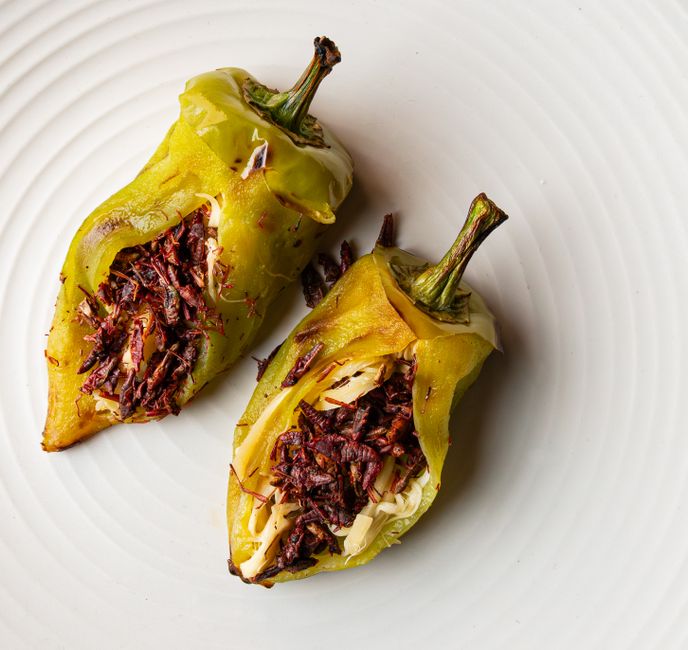
The Home Cook's Guide to Chiles Rellenos: Mastering Mexico's Stuffed Pepper Classic with Authentic Techniques
The art of the chile relleno is a culinary rite of passage that bridges the gap between a standard home kitchen and the nuanced, vibrant world of authentic Mexican gastronomy. At its core, this dish is a masterclass in texture and balance, demanding a delicate interplay between the charred, smoky heat of a roasted poblano pepper and the rich, molten decadence of well-melted cheese. Many home cooks view the process with a certain degree of intimidation, fearing the collapse of the ethereal, airy egg batter or the struggle of peeling a pepper without turning it into a limp, shapeless mess. However, once you understand the underlying mechanics—the "why" behind the charring and the science of the protein structure in the batter—the process transforms from a daunting challenge into a rhythmic, deeply satisfying ritual.
In the tradition of "Blame The Chef," we believe that every culinary mistake is simply an invitation to learn the deeper physics of flavor. To master the chile relleno, you must first respect the poblano, a pepper that offers a sophisticated, earthy profile rather than the sharp, piercing heat of a serrano or habanero. The objective is not to strip the pepper of its character, but to peel away the tough outer cuticle, which allows the batter to adhere seamlessly to the flesh. This requires patience, gentle hands, and a refusal to use water to rub off the char, as moisture is the enemy of a crisp, golden exterior. When you approach your kitchen with this mindset, you are no longer just following a recipe; you are engaging in a centuries-old conversation between the hearth and the table.
Beyond the technique, there is a soulful history etched into every bite of a stuffed pepper. From the early colonial influences that introduced cheese and egg-coating methods to the indigenous pre-Hispanic foundations of the pepper itself, this dish represents a beautiful synthesis of cultures. Whether you are preparing these for a Sunday family gathering or a festive celebration, the goal is to achieve a capeado—that cloud-like, golden-brown armor—that protects the treasure inside. By focusing on ingredient sourcing, temperature management, and the proper resting periods, you will find that the professional-grade results you see in heritage cookbooks are well within your reach. Let us embark on this journey to perfect the classic, ensuring your kitchen becomes a sanctuary for the finest flavors of Mexico.
The Foundation: Selecting and Preparing Your Poblanos
The secret to a superior chile relleno begins long before the stove is lit. It starts at the produce market, where you must hunt for the perfect poblano peppers. Look for specimens that are dark forest green, firm to the touch, and relatively straight. Avoid peppers that are overly curved or narrow, as they become significantly more difficult to stuff and seal once roasted. You want a pepper that has a decent "shoulder" area, providing enough space for a generous amount of queso fresco or queso asadero. A heavy pepper for its size is usually a sign of freshness and thick walls, which will hold up better under the heat.
The Art of the Char
Once you have secured your haul, the charring process is your first major technical hurdle. Whether you are using a gas flame, a charcoal grill, or a broiler, the objective is uniform blistering of the skin. Using a gas flame is generally preferred because it allows for direct contact, imparting a deeper, more pronounced smokiness to the pepper. Place the poblanos directly over the medium-high flame, rotating them with long-handled tongs as the skin bubbles and turns black. You are aiming for a total transformation of the outer cuticle into a brittle, charred layer.
Steaming for Success
Immediately after the peppers are charred, they must undergo a steaming period. Place the hot peppers in a glass bowl and cover it tightly with plastic wrap or a kitchen towel for at least 15 to 20 minutes. This trapped heat does the heavy lifting, loosening the skin so that it pulls away from the flesh with minimal resistance. If you skip this step, you will inevitably find yourself tearing the pepper, which compromises the structural integrity of the final stuffed product. Professional chefs understand that this "resting" phase is actually a form of active cooking, where the pepper softens just enough to be pliable but not mushy.
The secret to a perfect relleno isn't just in the heat—it’s in the patience of the steam. Let the pepper sweat, and it will reward you with skin that peels away like silk.
Mastering the Filling and Assembly
The filling is the heart of your relleno. While many home cooks default to a standard shredded Monterey Jack, true authenticity favors a blend that maintains a certain structural integrity when heated. Queso asadero or queso chihuahua are excellent choices because they offer a luxurious, gooey melt without becoming completely liquid and oily. If you want to lean into a more traditional flavor profile, combine your melting cheese with a bit of dry, crumbly queso fresco or even some finely chopped sautéed onions and aromatics. The contrast between the sharp, crumbly cheese and the molten, creamy base creates a sophisticated flavor profile that keeps the palate engaged.
Preparing the Cavity
When you are ready to stuff, make a single, clean vertical slit down the side of the pepper, avoiding the stem end to keep it intact. Carefully reach inside with a small spoon to remove the mass of seeds and pith. It is tempting to remove every single seed, but leaving a few behind is part of the rustic charm and contributes a touch of piquancy that balances the richness of the egg batter. If the pepper feels delicate, do not overstuff it. A stuffed pepper that is packed too tightly will often burst during the frying process, allowing the cheese to leak into the hot oil, which leads to a messy finish.
Sealing the Deal
Once stuffed, close the seam of the pepper as tightly as possible. Many professional kitchens utilize a toothpick technique to secure the opening, crossing two toothpicks in an "X" pattern to hold the edges together. This is a crucial fail-safe. Even if you are confident in your batter, the weight of the cheese can cause the pepper to sag or open when it hits the hot oil. Ensure your toothpicks are clearly visible so they can be easily removed before serving, as nobody wants a surprise piece of wood in their dinner.
The Physics of the Capeado: Achieving the Perfect Batter
The capeado is the defining characteristic of a great relleno. It should be light, airy, and golden, clinging to the pepper like a delicate sweater rather than a heavy, oily blanket. The science here lies entirely in the protein structure of the egg whites. You are essentially creating a meringue, which relies on the denaturing of proteins and the trapping of air bubbles. If you overbeat the whites, the structure becomes brittle and will collapse. If you underbeat them, they will not have the buoyancy to lift the batter in the hot oil.
The Whipping Ritual
Start by separating your eggs while they are cold, as this is easier, but let the whites come to room temperature before whipping, as this allows them to expand to their full volume. Using a clean copper or glass bowl, whip the egg whites with a pinch of cream of tartar until they reach stiff, glossy peaks. When you lift the whisk, the foam should stand straight up without drooping. This is your foundation. Gently fold in the egg yolks—not all at once, but in small, purposeful additions—to keep the air trapped inside the mixture.
The Flour Dusting
Before dipping the pepper into the batter, there is one final, vital step: dredging. Lightly coat each pepper in a fine layer of all-purpose flour. This creates a dry, adhesive surface that allows the egg batter to grip the slippery skin of the roasted pepper. If you skip this, the batter will simply slide right off the pepper as soon as it hits the oil, leaving you with a naked vegetable and a pan full of wasted egg foam. Shake off any excess flour; you want a sheer coating, not a doughy one.
The Frying Process: Temperature and Timing
Frying is the most high-stakes phase of the process. You need a large, heavy-bottomed skillet—ideally cast iron—filled with enough oil to come at least halfway up the sides of the peppers. Temperature management is everything here. If the oil is too cold, the pepper will absorb the grease and become heavy and soggy. If the oil is too hot, the batter will darken and burn before the internal cheese has reached its melting point. Aim for an oil temperature between 350°F and 375°F.
The Gentle Drop
To fry, hold the pepper by the stem, dip it thoroughly into the batter, and carefully lower it into the shimmering oil. Do not just drop it in; use your fingers or a long pair of tongs to lay it gently onto the surface. Once it is in the oil, use a large spoon to baste the top of the pepper with the hot oil from the pan. This helps the top of the batter set quickly, ensuring that you get a uniform golden-brown crust without having to flip the pepper too early, which risks tearing the delicate coating.
A professional chef never rushes the sear. The goal is a uniform, golden-hued armor that protects the delicate heart of the pepper while delivering a satisfying, airy crunch with every single bite.
Avoiding the Crowd
Never overcrowd the pan. Cooking two peppers at a time is usually the maximum for a standard home skillet. When you add a cold pepper to the oil, the temperature of the fat naturally drops. If you add three or four at once, the oil will cool too drastically, and your batter will become a greasy mess. Be patient. Cook in batches, and place the finished peppers on a wire rack set over a baking sheet to drain. Placing them directly on paper towels can trap steam and soften the crust you worked so hard to achieve.
Beyond the Plate: Accompaniments and Sauces
A chile relleno is rarely served naked; it requires a vibrant, acidic sauce to cut through the richness of the cheese and the oil of the batter. The most classic pairing is a jitomate sauce—a roasted tomato-based salsa prepared with garlic, onion, and a hint of Mexican oregano. The acidity of the tomatoes acts as a perfect foil to the deep, smoky flavor of the poblano. You can serve this sauce directly over the peppers or underneath them, depending on whether you prefer the batter to stay crisp or absorb the liquid.
The Power of Garnish
Do not underestimate the visual and textural impact of a final garnish. A sprinkle of freshly chopped cilantro provides a bright, herbal pop that refreshes the palate, while a dollop of crema mexicana can add a cooling element to balance any stray heat from the poblano. Some chefs also suggest a light dusting of toasted sesame seeds or a few slices of pickled red onion to introduce a vinegar-based acidity that elevates the entire dish. These small, thoughtful additions transform a humble stuffed pepper into a plate that looks and tastes as if it came from a professional kitchen.
Rethinking the Rice
While traditional sides include arroz rojo (Mexican red rice), consider how the texture of your side dish complements the relleno. If your relleno is soft and creamy, a rice dish with distinct, firm grains provides a necessary contrast. Avoid side dishes that are overly soft or puréed, as they can make the meal feel one-dimensional. Remember that the relleno is the star; the sides should be supportive actors, providing color and balance without competing for the center stage.
Troubleshooting Common Culinary Pitfalls
If you find that your batter is sliding off the pepper, the most common culprit is moisture. Even after steaming, if the peppers are still "weeping" water, that moisture will create a barrier that prevents the batter from sticking. Take the extra time to pat the peppers thoroughly with clean paper towels before you begin the dredging process. It might seem tedious, but it is the difference between a professional-looking dish and a kitchen disaster.
The Deflating Batter
If your batter loses its loft during the frying process, it usually comes down to one of three issues: over-mixing, letting the batter sit for too long, or the egg whites not being peaked correctly. Egg batter is time-sensitive. Once you have reached the proper stage of aeration, you should begin frying immediately. If you have to pause, keep the bowl in a cool place, but understand that the proteins will continue to settle. If you see the batter turning into a liquid, it is better to whisk up a fresh batch than to struggle with one that has already lost its structure.
The "Soggy Bottom" Syndrome
If the bottom of your rellenos are turning out soggy, ensure that you are using a wire cooling rack after frying. When you place a fried item on a solid surface, the steam has nowhere to go but back into the food. The wire rack allows for air circulation, which is essential for maintaining the crispness of the fried batter. If you don't have a cooling rack, use a clean kitchen towel rather than paper towels, as the paper fibers can sometimes adhere to the hot batter and turn into a sticky mess.
Elevating the Experience: Modern Variations and Refinements
While the classic cheese-stuffed poblano is the gold standard, there is room in the home kitchen to experiment once you have mastered the technique. Consider incorporating savory proteins like picadillo—a traditional mixture of ground beef, raisins, almonds, and warm spices—which adds a layer of depth and heartiness to the dish. This variation is particularly popular during celebrations and demonstrates how the poblano pepper acts as the perfect vessel for a wide range of complex flavors.
The Seafood Twist
For a lighter, more coastal take on the chile relleno, consider a shrimp or crab filling. When working with seafood, it is crucial to cook the filling separately before stuffing the pepper, as the seafood will release water during the frying process if it is raw. Sauté your shrimp with garlic, shallots, and a touch of white wine until they are just opaque. Pair this with a Monterey Jack and a hint of lime zest. The resulting flavor profile is bright, elegant, and shifts the dish from a heavy comfort food to an impressive dinner-party centerpiece.
Vegan and Vegetarian Tweaks
Adapting the chile relleno for a plant-based diet can be surprisingly successful if you focus on the texture of the filling. Use a firm, high-quality tofu crumble seasoned with nutritional yeast, cumin, and smoked paprika to mimic the depth of a traditional cheese filling. For the batter, you can use a chickpea flour (besan) mixture. While it won't be identical to an egg-based capeado, it provides a beautiful, crispy golden crust that holds up remarkably well to the heat of the frying pan.
The beauty of culinary tradition lies not in rigidity, but in the evolution of the technique. Once you have learned to master the heat, the char, and the foam, the pepper becomes a canvas for your own creativity.
Final Thoughts: The Joy of the Process
Mastering the chile relleno is about more than just checking off a box in your culinary education; it is about developing a relationship with your ingredients. You learn to listen to the sound of the oil, to feel the structural integrity of a whipped egg white, and to respect the delicate transition of a raw vegetable into something tender and flavorful. These are the skills that separate a cook who follows a recipe from a chef who understands the craft. The effort you put into the peeling, the stuffing, and the frying is a direct expression of care for those who will sit at your table.
As you plate your first successful batch of rellenos, take a moment to notice the golden hue of the batter, the slight peek of melted cheese at the seam, and the smoky aroma of the charred pepper. This is the culmination of your patience and your technique. Do not be discouraged if your first attempt isn't perfect—the joy of the home kitchen is that you can always go back to the market, buy more poblanos, and refine your craft again. Every time you make this dish, you get faster, more confident, and more attuned to the nuances of heat and texture.
Remember that "Blame The Chef" is a philosophy of growth. If the batter runs, blame the chef and try again. If the pepper tears, blame the chef and learn a softer touch next time. The pursuit of the perfect chile relleno is a lifelong endeavor that rewards you with every bite. Keep your kitchen organized, keep your oil temperature consistent, and above all, keep the passion for authentic, soulful cooking alive. You have all the tools you need to create something truly extraordinary in your own home. Enjoy the process, share the result, and relish the satisfaction of having mastered one of the most iconic dishes in Mexican cuisine.

Get the Next Recipe
Weekly recipes, techniques, and gear picks — straight to your inbox.
