
The Home Cook’s Guide to Clarification: Mastering Protein-Coagulation and Filtering Techniques for Crystal-Clear Consommés and Broths
There is a distinct, almost ethereal quality to a perfectly clarified consommé that separates the hobbyist from the true kitchen technician. Many home cooks approach the concept of clarification with a sense of trepidation, viewing it as a dark art practiced only by white-hatted professionals in Michelin-starred establishments. In reality, the science behind a crystal-clear liquid is rooted in simple, predictable physical reactions that anyone with patience and a stockpot can replicate. By understanding how proteins interact with heat and suspended particles, you transform a murky, cloud-ridden stock into a golden, jewel-toned nectar that commands immediate respect at the dinner table. This is not about expensive equipment or rare ingredients, but rather about mastering the quiet physics of the hearth.
At its core, the process of clarification relies on a substance known as a clearmeat, a protein-rich mixture that acts as a magnet for the impurities clouding your liquid. When you gently introduce this mixture into a cold, flavorful stock and slowly bring the temperature to a simmer, the proteins begin to coagulate. As they bind together, they trap the microscopic particles of fat, sediment, and coagulated blood that otherwise dull the clarity of your broth. It is a slow, rhythmic dance of thermodynamics where the cook must resist the urge to stir aggressively or turn up the heat. If you respect the fragility of the "raft," the resulting liquid will emerge as pristine and transparent as polished glass.
In this guide, we will peel back the curtain on these professional techniques, moving far beyond the basic strained broth of the weeknight. We will explore the chemical nature of albumin, the critical importance of thermal regulation, and the delicate art of filtering without disturbing your hard-earned clarity. Whether you are aiming to impress your family with a classic beef consommé or simply want to understand the mechanics of professional-grade stocks, the following pages contain everything you need to know. Prepare to trade your ladles for precision and your impatience for a steady, focused hand. By the end of this journey, the phrase "blame the chef" will take on a new meaning—a testament to your newfound mastery rather than an excuse for a cloudy mess.
The Chemistry of Clarity: Understanding Protein Coagulation
The secret to a pristine consommé lies in the structural change of proteins when exposed to heat. When we talk about protein-coagulation, we are observing the transformation of globular proteins—primarily found in egg whites and lean ground meats—from a soluble state into an insoluble, semi-solid matrix. This is the same chemical reaction that causes an egg white to turn from translucent to opaque when dropped into a hot pan, but in the context of clarification, we are using this phenomenon to construct a functional filter. By ensuring the proteins coagulate at the precise, slow rate, they create a cohesive, porous structure that acts like a sieve on a molecular level.
The Role of Albumin and Connective Tissue
Albumin, the primary protein found in egg whites, is the workhorse of the clarification process. It is highly sensitive to temperature and begins to coagulate at roughly 140°F (60°C). As it heats, it unfolds and bonds with other proteins, effectively creating a sticky net. When you incorporate a lean protein like ground chicken or lean beef into your clearmeat, you provide a scaffolding of connective tissue and muscle fibers that strengthens this net. This "raft" is not just a bunch of floating debris; it is an active filtration system that works from the inside out, capturing tiny particles of fat and impurities that are often invisible to the naked eye.
Why Temperature Control is Non-Negotiable
If you apply heat too quickly, the proteins will scramble and disperse throughout the liquid rather than forming a tight, floating mat. You want the proteins to rise slowly, carrying the impurities upward with them, eventually forming a thick, sturdy raft at the surface. If you let the liquid reach a rolling boil, the vigorous bubbling will break the raft apart, forcing the trapped sediment back into the broth. Maintaining a gentle simmer—where only an occasional bubble rises to the surface—is the most critical skill a cook can learn when practicing these techniques. Without this thermal discipline, your liquid will remain stubbornly cloudy no matter how many layers of cheesecloth you use.
"A consommé is not merely a broth; it is a testament to the chef’s ability to remain patient under fire. The clarity of the liquid is the direct result of how little you disturb the nature of the ingredients as they bind together."
Preparing the Perfect Clearmeat
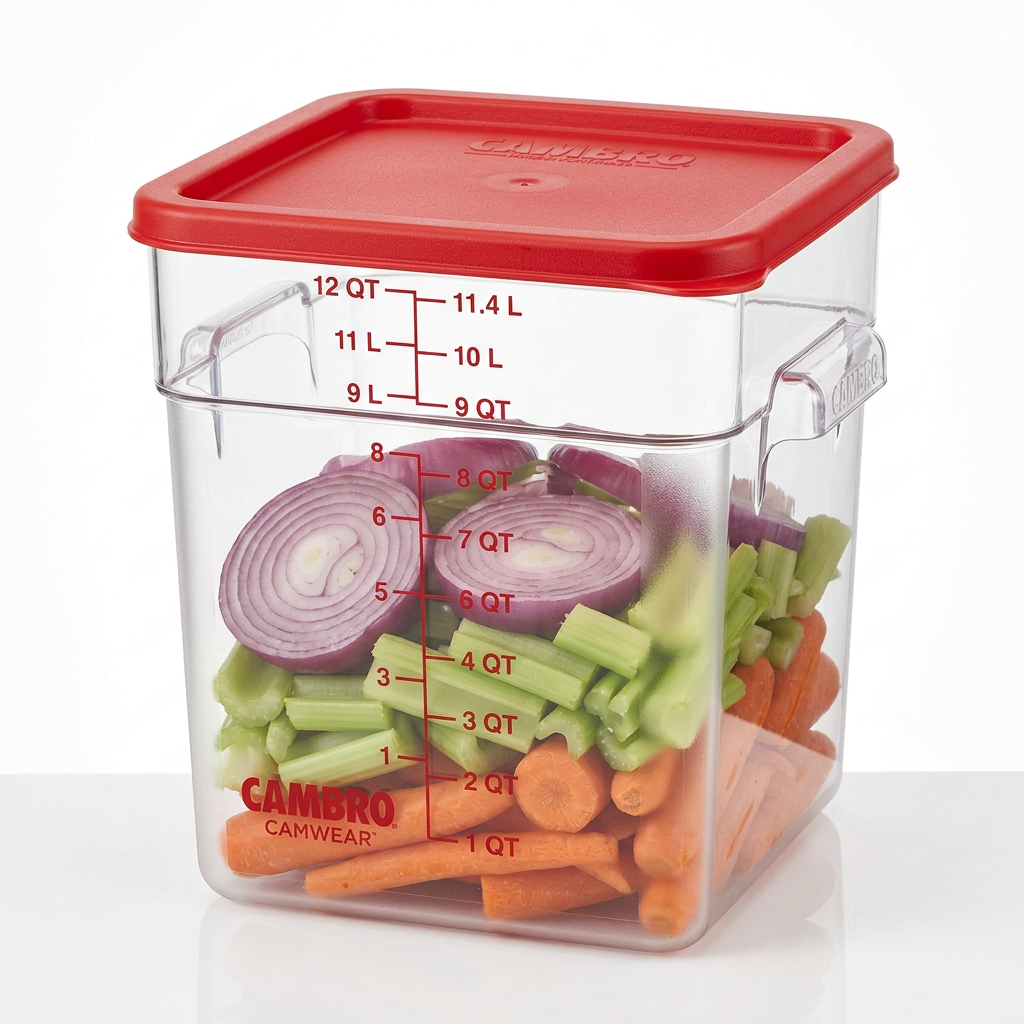
The clearmeat—sometimes called a clarification—is the engine of your success. It consists of a base of cold, lean protein (minced meat), egg whites, and aromatic vegetables. Each component serves a specific purpose in the chemical reaction. The meat provides flavor and structural integrity, the egg whites provide the essential albumin for binding, and the mirepoix (finely diced onions, carrots, and celery) provides aromatics that infuse the broth while the clarification takes place. Achieving the right consistency in your clearmeat is the difference between a successful raft and a failed, murky soup.
The Ratio of Success
For every liter of stock you intend to clarify, you should aim for a clearmeat consisting of approximately 200 grams of lean, fat-free ground meat, 2 to 3 egg whites, and a small amount of finely minced mirepoix. It is imperative that the meat be as lean as possible; fat is the enemy of clarity. If there is fat present in the clearmeat, it will emulsify into the broth when heated, creating a greasy film that cannot be filtered out. Professional chefs often go as far as processing their meat in a cold food processor with ice chips to ensure the temperature stays low until the very moment of cooking.
Mixing and Cooling
The clearmeat must be combined thoroughly, using your hands or a paddle, until it reaches a sticky, uniform paste. Once mixed, it is essential to chill the mixture thoroughly. By starting the process with a cold clearmeat and a cold stock, you ensure that the proteins have a longer "window" of time to bond before they reach the critical coagulation temperature. This gives you greater control over the formation of the raft. Remember, the slower the coagulation, the more efficient the filtration.
Managing the Raft: The Art of the Simmer
Once your clearmeat is incorporated into the cold stock, place the pot over medium heat. This is the moment where the "blame the chef" dynamic comes into play; it is easy to get distracted. You must stay near the stove, stirring the mixture gently with a wooden spoon to prevent the proteins from sticking to the bottom of the pot. As the liquid warms, you will begin to see the clearmeat rise to the surface. This is a sign that the proteins are beginning to bind.
The "Chimney" Technique
As the raft forms, it will become solid and impenetrable. You must ensure that the trapped steam and liquid beneath the raft can escape, or the pressure will cause the raft to burst. Carefully carve a small hole in the center of the raft using a ladle; this is known as a chimney. You will see the clear, golden liquid bubbling up through this vent. This is the "heartbeat" of your consommé. By monitoring this chimney, you can judge the intensity of your simmer. If the liquid is bubbling violently, you are too hot; if it is stagnant, you are too cold.
Maintaining Surface Integrity
Never let the raft sink. If it drops to the bottom, the process has failed. The raft should remain afloat for the duration of the simmering period, which usually lasts between 45 to 60 minutes. During this time, the clearmeat is effectively scrubbing your stock clean. Every time the liquid passes up through the pores of the raft, the albumin and muscle fibers capture the suspended solids. It is a slow, quiet filtration process that rewards the vigilant cook with a liquid that is nearly transparent but packed with deep, concentrated flavor.
"To witness the transition from a dark, cloudy liquid to a shimmering, golden broth is to see the raw materials of nature refined by the steady application of heat and the patient structure of proteins."
Filtering for Perfection
After the allotted simmer time, you have a beautiful, golden broth beneath a thick, hardened raft. Now comes the most delicate part: the separation. You do not want to disturb the raft more than necessary, as that might introduce particles back into your purified liquid. You will need a fine-mesh strainer lined with several layers of damp, high-quality cheesecloth or a coffee filter for the final, most refined results.
Ladling vs. Pouring
Never simply dump the contents of the pot into the strainer. Doing so will break the raft, release the trapped impurities, and undo all of your hard work. Instead, use a ladle to carefully scoop the consommé out of the chimney. Pour the liquid slowly through your prepared filter. The first few ladlefuls might look slightly hazy, but they will quickly turn crystal clear as the cheesecloth becomes saturated and acts as a secondary filter.
The Final Polish
If you are being truly meticulous, set up a chinois (a conical fine-mesh strainer) over a secondary pot. Place your cheesecloth inside the chinois and pour the liquid through. By the time the last of the liquid has passed through, you should have a broth that is pristine. It should be free of any floating bits, grease, or cloudiness. If you have done this correctly, you can see the bottom of the pot through several inches of liquid. This is the mark of a master technician.
Troubleshooting Common Failures
Even the best chefs occasionally face issues with clarification. Perhaps your heat was too high, or your clearmeat wasn't lean enough. Don't throw away a cloudy batch. There are ways to salvage a consommé, though it requires humility and an extra dose of effort. If your consommé comes out cloudy, it usually means the raft broke or the temperature was too high.
What to Do If the Raft Breaks
If you notice the raft beginning to dissolve or sink, you can try to "re-clarify." This involves creating a second, smaller batch of clearmeat—using only egg whites and perhaps a little lean meat—and gently introducing it to the cooled, strained broth. Bring the mixture up to a simmer again very slowly. It is a labor-intensive fix, but it is often successful. The additional proteins will bind to the remaining impurities that the first raft missed.
Removing Excess Fat
If you find a greasy sheen on the surface, do not panic. The best way to remove fat from a finished, cold consommé is to chill it in the refrigerator overnight. The fat will solidify into a white layer on the surface, which you can easily lift off with a spoon or a paper towel. This is a common professional trick—clarifying is often a two-day process if you include the chilling and skimming phase. Never try to skim fat while the liquid is boiling, as you will only stir the impurities back in.
Avoid over-salting:* Salt is added at the start, but realize that as you simmer, the liquid will evaporate and the salt concentration will increase.
Use low-heat sources:* If your stove has a "simmer" burner, use it.
The "Cold-Start" Rule:* Never add a hot stock to a cold clearmeat; the shock will cause the proteins to coagulate too fast, leading to cloudiness.
Advanced Flavor Profiles and Garnishes
Now that you have mastered the technique, you can experiment with flavor. A consommé is essentially a blank canvas for aromatics. You can incorporate toasted spices, mushrooms, or even specific herbs into your clearmeat to infuse the broth during the clarification process. For example, a mushroom consommé can be intensified by adding finely chopped dried porcini to the clearmeat, which adds a deep, umami-rich layer to the final product.
The Importance of the Clearmeat's Vegetables
Do not underestimate the role of your mirepoix. When diced finely, the vegetables contribute not only flavor but also surface area for the proteins to cling to. Consider adding star anise for a delicate floral note, or charred leeks for a smoky depth. Because you are filtering the solid components out, you can be quite aggressive with your aromatic choices. Just ensure that the vegetables are clean and free of grit.
Garnishing Your Work of Art
Once you have achieved that perfect, golden liquid, the garnish should be equally precise. A classic consommé brunoise involves vegetables cut into perfectly uniform, tiny cubes that are blanched separately and added to the bowl just before serving. The contrast of the vibrant, precise garnishes against the clear liquid is the visual reward for the hours you spent watching the simmer. It is the pinnacle of culinary aesthetics.
Final Thoughts
Mastering the art of clarification is a transformative experience for any home cook. It requires a shift in mindset from "making dinner" to "crafting an experience." When you serve a bowl of crystal-clear consommé, you are providing your guests with more than just a soup; you are offering them the distilled essence of your technique, patience, and attention to detail. It is a process that strips away the unnecessary, leaving behind only the most essential and refined flavors.
Do not be discouraged if your first attempt isn't perfect. Even in professional kitchens, a raft can sink, and a stock can cloud. The beauty of this technique lies in the process itself. Each time you prepare it, you will get better at reading the bubbles, understanding the thermal nuances of your stove, and trusting your instincts. Remember that the "blame the chef" philosophy is not about perfection, but about taking full ownership of your kitchen—the successes and the learning moments alike.
The next time you find yourself with a beautiful pot of homemade stock, don't settle for the standard bowl of soup. Lean into the chemistry, embrace the quiet discipline of the simmer, and push yourself to achieve that elusive, jewel-like clarity. You will find that once you have mastered the science of protein-coagulation, your entire approach to cooking will become more precise, more rewarding, and infinitely more professional. Keep your stock cold, your raft steady, and your patience high, and you will eventually produce a liquid that is nothing short of liquid gold.
Beyond the technical aspect, remember that cooking is an act of love and communication. Sharing a meal that has clearly taken time and skill is a profound way to show others that they are worthy of your best efforts. Whether you are serving a formal dinner or simply treating yourself to a moment of kitchen excellence, the pursuit of the perfect consommé is a journey well worth taking. Happy cooking, and may your broth always be as clear as your ambition.
Further Tips for the Home Kitchen
Take pride in the slow, rhythmic nature of the work. The kitchen is one of the few places in our modern lives where we can intentionally slow down, focus on a singular, tangible goal, and observe the beautiful interplay of natural elements. Mastering the consommé is not just a culinary skill; it is a lesson in presence. You are not just boiling water; you are refining the very components of flavor, and in that, you are doing something truly special. Enjoy the silence of the simmer, the steady rise of the raft, and the satisfaction of that first clear, golden pour. Your journey into the heart of professional technique starts right here at your own stove. Keep refining, keep experimenting, and always remember to enjoy the process of becoming a better, more authoritative cook with every single dish you create.

Get the Next Recipe
Weekly recipes, techniques, and gear picks — straight to your inbox.
