The Home Cook’s Guide to Compound Butters: Mastering Herb and Spice Infusions for Instant Finishing Flavor
The pursuit of professional-grade flavor in a home kitchen often feels like an exercise in complexity, requiring hours of simmering stocks or intricate reductions that test the limits of our patience. Yet, the most transformative tool in a chef’s arsenal is arguably the most deceptively simple: the compound butter. By emulsifying high-quality fats with aromatics, herbs, and spices, you create a finishing element that bridges the gap between a standard meal and a culinary masterpiece. It is the secret weapon that turns a tired weeknight steak into a bistro-style feast or a plain piece of grilled fish into a fragrant, citrus-forward experience. This guide will dismantle the mystery surrounding these infusions, proving that mastery is less about technical rigor and more about understanding the delicate alchemy of flavor profiles.
At its core, a compound butter is nothing more than softened butter blended with additional ingredients, then chilled until firm. While the concept sounds primitive, the execution requires an appreciation for the fat content and the quality of the raw materials you choose to incorporate. When you use a high-fat European-style butter, you are starting with a superior canvas that carries flavor more efficiently across the palate. Once the butter is properly whipped and flavored, it acts as a flavor-delivery vehicle; as it melts over hot proteins or vegetables, it releases an immediate, concentrated burst of aromatics that can define the entire character of your dish. Learning to build these mixtures allows you to minimize time spent standing over a hot stove while maximizing the depth and complexity of your final plating.
For the home cook, the beauty of compound butter lies in its inherent versatility and its ability to be prepared in advance. You can transform a simple block of butter into a dozen different flavor profiles, storing them in your freezer like culinary gold to be sliced off as needed. Whether you are aiming for the bold, punchy notes of a roasted garlic and rosemary butter or the delicate, refined brightness of a lemon-chive fusion, the techniques remain remarkably consistent. This post will serve as your comprehensive roadmap, moving from the fundamentals of ingredient selection to the nuances of balancing acidity, spice, and herbaceousness. By the end of this guide, you will not only understand how to construct these mixtures but will also possess the confidence to experiment with bold combinations that reflect your own unique culinary voice.
The Foundation: Selecting Your Ingredients
The success of your compound butter begins entirely with the quality of your base. While supermarket generic butter is certainly functional, it often lacks the 82% to 85% butterfat content found in premium European or cultured varieties. Cultured butter, in particular, offers a subtle, tangy complexity—a result of the lactic acid bacteria introduced during the churning process—that provides a much richer baseline for your herbs and spices. When shopping, prioritize unsalted butter, as this grants you complete control over the final salt levels in your mixture, allowing you to calibrate the flavor perfectly for a specific dish, whether it is a savory steak or a sweet brunch component.
Temperature Control and Texture
The most common mistake home cooks make is working with butter that is either too cold or entirely melted. To achieve the perfect texture, your butter must be tempered to room temperature—specifically around 65°F (18°C). At this stage, the butter is pliable enough to hold aerated ingredients without losing its structural integrity. If you rush the process by microwaving the butter, you risk breaking the emulsion, leading to a greasy, separated mess that will never firm up properly in the refrigerator. Patience is a culinary virtue; let your butter sit on the counter for at least an hour before you begin mixing.
Herbs: Fresh vs. Dried
When selecting aromatics, fresh herbs are generally the gold standard for compound butters. Their high moisture content and volatile oils provide a vibrant, grassy finish that simply cannot be replicated by dried alternatives. However, there is a time and place for dried spices, particularly when you are aiming for earthy, concentrated profiles like smoked paprika, ground cumin, or toasted coriander. If you use fresh herbs, ensure they are thoroughly dried after washing. Any excess water clinging to your parsley, chives, or basil will interfere with the fat-bonding process and may lead to bacterial spoilage during storage.
"A compound butter is the great equalizer of the kitchen; it is the simplest way to add the sophistication of a restaurant-quality finish to the most humble home-cooked meal."
Essential Mixing Techniques
Once your butter is properly softened, the goal is to incorporate your aromatics without overworking the fat. Over-mixing can generate heat from the friction of your spoon or mixer, which starts to melt the butter prematurely. The goal is to distribute the flavoring agents evenly so that every slice of your finished log provides the exact same culinary impact. Begin by using a heavy-duty silicone spatula to smash the aromatics into the butter, creating a cohesive paste before you attempt to roll it. If you are adding dry spices or salts, fold them in gently at the end of the process to ensure they do not create pockets of extreme salinity.
The Role of Acid and Salt
Acidity is the secret to cutting through the richness of the fat, keeping the butter from feeling heavy or one-dimensional on the tongue. Incorporating a splash of high-quality lemon juice, lime zest, or even a tiny amount of sherry vinegar provides that necessary brightness. Similarly, never underestimate the power of finishing salt (such as Maldon sea salt). While you should salt the butter to your taste, adding a pinch of crunchy, flaky salt just before serving can elevate the texture significantly. Always taste your mixture as you go, ensuring that the salt level is assertive enough to stand up to the fat, but not so aggressive that it masks the delicate herbs.
Mastering the Fold
For professional results, you should look to achieve an aerated, light consistency. You can use a stand mixer with a paddle attachment on the lowest setting for about 30 seconds if you are making large batches, but for standard home use, a sturdy fork or spatula works best. If you want to take your butter to a "chef-level" quality, consider whipping it with a small amount of extra-virgin olive oil or a dash of heavy cream. This adds a level of silkiness that makes the butter melt more cleanly on hot vegetables like asparagus or roasted carrots, ensuring that the herbs are distributed evenly rather than clumping at the bottom of the dish.
Structuring the Perfect Roll
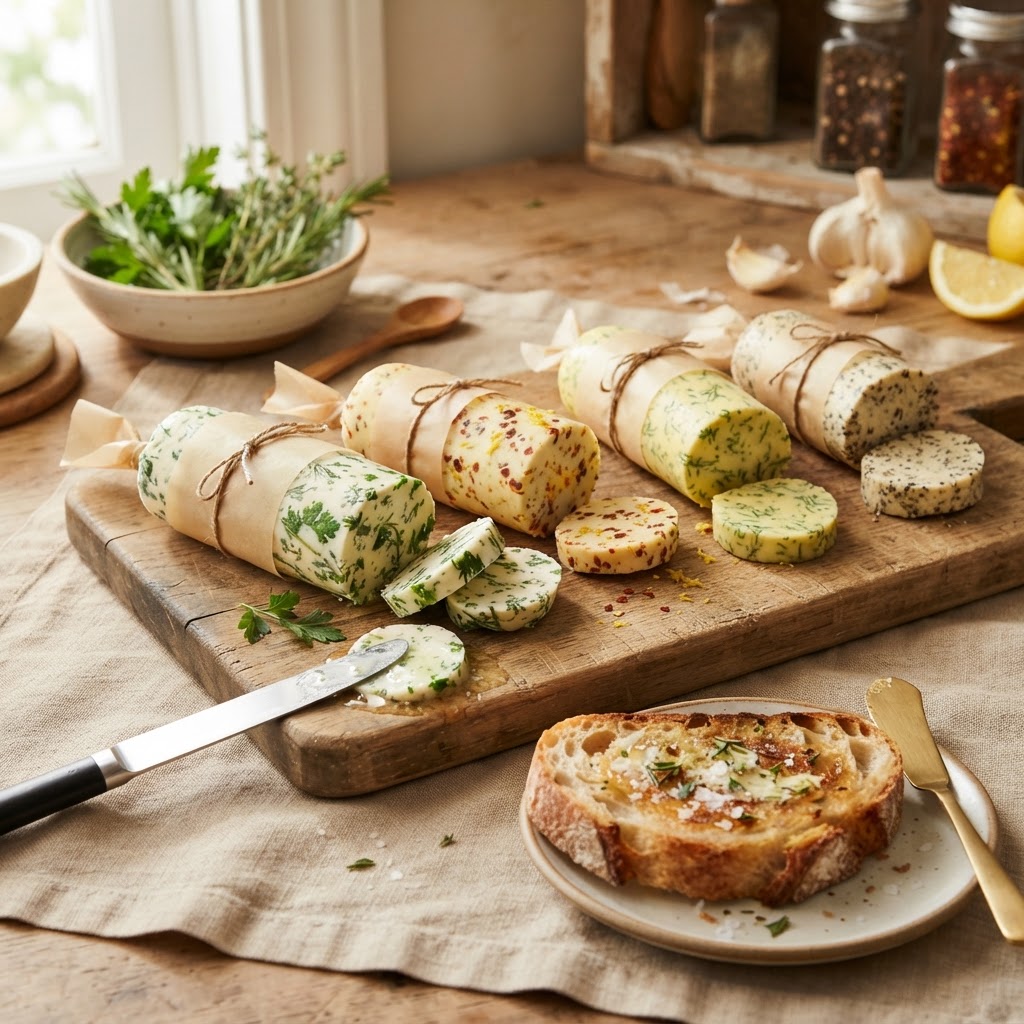
The presentation of your compound butter is just as important as the flavor, as it dictates how you will use it later. The classic "log" shape is the standard because it allows for easy slicing and precise portion control. To create the perfect roll, lay out a long sheet of parchment paper or high-quality plastic wrap. Scoop your butter into the center, forming a rough cylinder. Use the edge of the paper to nudge the butter into a firm, uniform log, tucking the edges tightly to ensure no air pockets remain. The tighter your roll, the more professional the presentation when you eventually slice it into rounds for your table.
Chilling for Consistency
Once wrapped, the butter needs time to set. Do not rush this process; the butter needs to return to a firm state to hold its shape when sliced. Place your log in the refrigerator for at least two to four hours, or if you are in a hurry, you can place it in the freezer for 30 minutes before moving it to the fridge. Once fully hardened, the butter can be sliced into clean, beautiful coins that look impressive sitting atop a seared steak or a piece of grilled salmon. If you find the butter is too hard when you go to slice it, let it sit at room temperature for just five minutes; this will prevent the rounds from cracking or crumbling.
Storage for Longevity
Compound butters are remarkably shelf-stable if handled correctly. In the refrigerator, a well-wrapped log will keep for up to two weeks. If you want to keep them longer, you can wrap the logs in a layer of foil after the initial parchment/plastic wrap, protecting them from the odors of other freezer items. In the freezer, they can last for up to three months without any significant loss in flavor. This makes them the ultimate "emergency dinner" solution—when you have no time to prepare a sauce, a pre-made butter infused with garlic, shallots, and tarragon can instantly save a meal.
Creative Profiles: Moving Beyond Garlic and Herb
While garlic and parsley are the classics, your imagination is the only limiting factor when it comes to compound butter profiles. You can draw inspiration from global cuisines to push your boundaries. For example, a miso-ginger butter is exceptional when served over seared white fish or stirred into steamed rice. To make this, blend white miso paste, finely grated ginger, and a touch of soy sauce into your base. The umami from the miso pairs perfectly with the sweet, spicy notes of the ginger, creating a depth of flavor that is usually only found in high-end fusion restaurants.
The Sweet Side of Butter
Do not limit your compound butter to savory applications. Sweet compound butters are a revelation for brunch service or dessert plating. A honey-cinnamon-orange butter is a game-changer for waffles, pancakes, or even toasted sourdough. By incorporating high-quality wildflower honey, freshly grated orange zest, and a hint of warming spice, you create a condiment that feels luxurious and artisanal. You can even fold in chopped toasted nuts like pecans or walnuts for an added layer of crunch that complements the creaminess of the butter.
Bold and Spicy Infusions
For those who prefer a bit of heat, consider a chipotle-lime butter or a harissa-infused butter. These bold, smoky profiles can stand up to heavily charred meats and bold vegetables. When working with chili-based ingredients, remember that heat intensity can vary significantly between brands. Start small, taste, and adjust. These butters are particularly good for "basting" proteins; as the butter melts, the chili oils release into the pan, creating a self-basting environment that imbues the meat with complex, spicy flavor from the inside out.
"True culinary confidence is knowing exactly when to step away from the stove and let a single, well-crafted ingredient do all the heavy lifting for you."
Culinary Applications: How to Use Your Creation
The most common application for compound butter is the finishing of proteins. The technique of "resting" a steak with a disk of compound butter is iconic for a reason. As the butter melts, it mingles with the resting juices of the meat to create an impromptu pan sauce that is far superior to anything you could achieve by dumping cold butter onto a plate. Place the butter on the steak the moment you take it off the heat; the residual temperature of the protein will melt the butter slowly, allowing the herbs and spices to coat the meat evenly without losing their freshness.
Elevating Vegetables
Vegetables, which can often be bland when simply steamed or roasted, benefit immensely from a compound butter finish. A classic lemon-dill butter on roasted carrots or grilled green beans transforms a simple side dish into a main event. Because vegetables lack the fat of a steak, they crave the richness that butter provides. The trick here is to toss the vegetables in the butter after they have been removed from the heat, ensuring that the herbs remain vibrant and green rather than turning brown from excessive exposure to the heat of the oven or grill.
Enhancing Starches
Compound butter is also the secret to professional-grade potatoes, rice, and pasta. Stirring a spoonful of truffle and chive butter into mashed potatoes or folded into fresh tagliatelle creates a decadent, silky texture that feels incredibly luxurious. You don't need a heavy cream-based sauce when you have the emulsifying power of compound butter. For pasta, add a few tablespoons of pasta cooking water to the pan along with the butter to create a light, glossy emulsion that coats every strand of pasta perfectly.
Professional Chef Tips for Consistency
Every chef has their "little secrets" to ensure that their compound butter stands out from the competition. One of the most effective tips is blanching your herbs. If you are using hardy herbs like rosemary, thyme, or even parsley, a quick 10-second dip in boiling water followed by an ice bath, and a thorough pat-dry, will brighten their color significantly. This ensures that when you slice into your butter, you see vibrant green specks rather than dull, olive-colored bits. It is a subtle visual detail, but it elevates the perceived quality of the dish immensely.
Understanding Fat Ratios
If you find that your butter is melting too quickly on hot items, you can stabilize it by incorporating a small amount of finely grated hard cheese, such as Parmigiano-Reggiano or Pecorino. The proteins in the cheese help to stabilize the fat, creating a slightly more viscous butter that clings to the surface of the food rather than running off into the pan. This is an advanced technique, but it is incredibly effective for butter that needs to maintain its shape for a few minutes on a hot steak at a dinner party.
The Power of Toasted Aromatics
If you want to achieve a deeper, more mellow flavor profile, try toasting your spices before adding them to the butter. Gently dry-roasting cumin seeds, coriander, or black peppercorns in a pan until they become fragrant releases their essential oils. Once they have cooled, grind them into a fine powder and fold them into the butter. This "bloom" of flavor provides a much deeper, more rounded taste than simply using raw, ground spices from a jar. It takes an extra five minutes, but the difference in the final product is professional-grade.
Advanced Flavor Pairings to Try
To truly master the craft, you should begin to look at flavor pairings that go beyond the expected. Think about the profile of the main dish you are serving and find a compound butter that acts as a bridge. For instance, if you are serving a heavy, gamey protein like lamb, a butter infused with garlic, mint, and a hint of red wine reduction works beautifully to cut through the intensity of the meat. Similarly, for a light, delicate white fish, a butter infused with fennel fronds, citrus zest, and a touch of capers provides a salty, briny brightness that mirrors the ocean.
The Umami Bomb
For those who want to reach the height of savory indulgence, create a "umami butter." Combine softened butter with minced anchovies, finely grated garlic, a dash of Worcestershire sauce, and fresh lemon juice. This butter is not for the faint of heart, but it is an absolute game-changer when served on top of a grilled ribeye or even spread on crusty sourdough toast. The anchovies dissolve completely into the butter, providing a deep, salty, and savory punch that makes the meat taste significantly more complex than it would on its own.
Herbaceous Harmony
If you want to focus on fresh herbs, try creating a "trio-herb" butter using equal parts of flat-leaf parsley, chives, and tarragon. This particular combination is classic French cuisine, and it is almost universally flattering for any protein or vegetable. The parsley provides a clean, neutral base, the chives offer a gentle onion-like bite, and the tarragon contributes a sophisticated, anise-like undertone. When you keep this blend in your freezer, you are always prepared to elevate your cooking with a touch of elegance.
Final Thoughts
Mastering compound butter is one of the most rewarding journeys a home cook can undertake. It is a practice that respects the simplicity of high-quality ingredients while allowing for the limitless creativity that makes cooking so enjoyable. By taking the time to temper your butter properly, curate your aromatics with care, and perfect the technique of the roll, you move from merely preparing food to crafting experiences. You begin to understand how fat, acid, and salt interact to create a symphony of flavor on the plate.
Remember that the goal is not to hide your ingredients, but to enhance them. A well-made compound butter should act as a supporting character, highlighting the natural flavors of the beef, the sweetness of the roasted carrots, or the earthiness of the mushrooms. Do not be afraid to fail, to experiment with unconventional ingredients, or to adjust your ratios until you find the exact balance that speaks to your palate. Cooking is not a static set of rules; it is an evolving dialogue between you and your ingredients.
As you integrate these infusions into your regular culinary rotation, you will find that your kitchen becomes a more efficient and capable space. You will spend less time stressing over pan sauces and more time enjoying the complex, restaurant-quality results that you have created from scratch. So, go to your kitchen, soften that block of butter, and start exploring the world of flavor waiting inside. Your future self—and your dinner guests—will certainly thank you for the extra effort. After all, at "Blame The Chef," we believe that every home cook has the potential to become a master, one pat of butter at a time.
Get the Next Recipe
Weekly recipes, techniques, and gear picks — straight to your inbox.
