The Home Cook's Guide to Confit: Mastering Low-Temperature Oil Poaching for Silky, Tender Results
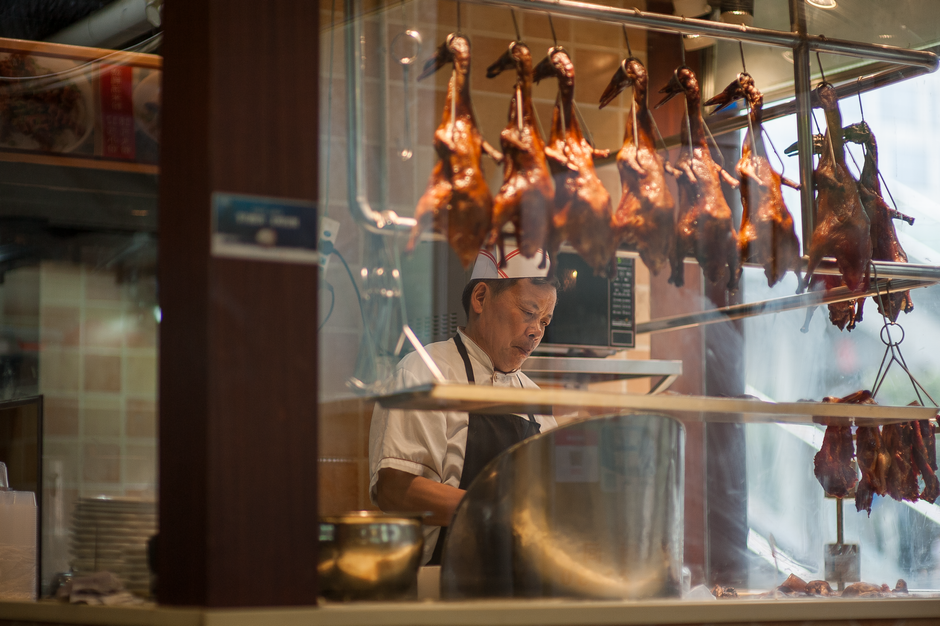
The art of confit is perhaps the most misunderstood yet transformative technique in the home kitchen. Originating from the French word confire, meaning "to preserve," this method was traditionally a survival mechanism in the French countryside, used to keep meats edible through long, harsh winters. By slow-cooking proteins or vegetables submerged in fat, cooks were able to create an airtight seal that protected the food from spoilage while simultaneously infusing it with unparalleled depth of flavor. Today, we look at confit not as a chore of necessity, but as an elevated culinary pursuit that rewards the patient home cook with textures that are impossible to replicate through roasting, grilling, or boiling. When you master the delicate balance of low-temperature oil poaching, you aren't just cooking; you are restructuring the very fibers of your ingredients to achieve a state of pure, silken perfection.
For the uninitiated, the process might seem intimidating, often conjuring images of professional chefs armed with immersion circulators and professional-grade deep fryers. The reality is quite the opposite, as confit is inherently a low-tech, forgiving technique that relies more on your intuition than expensive gadgets. At its core, it is simply the process of gentle, slow heat transfer mediated by fat rather than water or air. Because fat holds heat differently than water, it creates an environment where proteins can break down their collagen into luscious gelatin without the risk of drying out. Once you embrace the slow pace of this technique, you will find that the time invested pays dividends in the form of meals that feel like they were prepared in a Michelin-starred kitchen, right in the comfort of your own home.
In this guide, we will peel back the layers of this ancient craft, moving beyond the traditional duck leg to explore how you can apply oil poaching to everything from hearty vegetables to delicate cuts of fish. We will delve into the science of fat choice, the importance of salt as a curing agent, and the precise temperature ranges that turn tough muscles into succulent, melt-in-your-mouth bites. We are going to "Blame The Chef" for the high expectations you’re about to set for your own cooking, because once you taste the results of a perfectly executed confit, there will be no going back to standard, high-heat methods. Let us sharpen our knives, gather our fats, and prepare to master the most luxurious technique in the culinary canon.
The Science of Fat: Choosing Your Medium
When we talk about confit, the medium is quite literally the message. Choosing the right fat is not merely a matter of flavor, but a matter of chemistry. Traditional duck or goose fat is the gold standard for many reasons, primarily its high smoke point and its ability to solidify at room temperature, which creates that protective seal of preservation. However, in the modern home kitchen, you have a vast array of options, each bringing a different nuance to your finished dish. Neutral oils like grapeseed or high-quality extra virgin olive oil offer a clean canvas, while rendered animal fats introduce a savory, heavy richness that bridges the gap between ingredient and seasoning.
Understanding Smoke Points and Flavor Profiles
It is critical to remember that in a confit, you are not frying. You are poaching. Therefore, your temperature will almost always stay well below the smoke point of even the most sensitive fats. When choosing a fat, consider the final destination of the dish. If you are preparing garlic confit, a high-quality, mild olive oil is preferred, as the fat becomes a delicious, infused condiment in its own right. Conversely, when preparing duck legs or pork belly, using the fat rendered from the animal itself creates a self-referential flavor profile that is deeply satisfying and authentic to the history of the technique.
"The fat is not merely a cooking vessel; it is a flavor delivery system that penetrates every fiber of the ingredient, transforming the mundane into the extraordinary."
When selecting your fats, consider the following:
Animal Fats:* Provide the most traditional and robust flavor. Must be kept refrigerated once solid.
Grapeseed Oil:* Excellent for delicate vegetables or fish due to its high smoke point and neutral flavor profile.
Extra Virgin Olive Oil:* Offers a fruity complexity but should be kept at lower temperatures to avoid bitterness.
The Role of Curing: Why Salt Matters
Before a single drop of heat touches your ingredients, the process of curing must take place. This is the stage that separates a "poached" item from a true confit. By applying salt and aromatics—such as fresh thyme, bay leaves, peppercorns, and crushed garlic—to your protein for several hours or even overnight, you are performing a crucial osmotic exchange. The salt draws out excess moisture, which tightens the protein structure and seasons it deeply from within, ensuring that the finished product isn't just salty on the surface, but savory throughout its entire mass.
The Balancing Act of Seasoning
Many home cooks fear over-salting, but it is important to remember that much of the salt will be rinsed away or diluted by the volume of fat. When curing a duck leg, for instance, a generous dusting of kosher salt is necessary to facilitate that textural breakdown. If you skip this step, you risk the meat tasting "boiled" or flaccid. The aromatics used in the cure also serve as the base for the poaching liquid, so ensure that the herbs you use are fresh, high-quality, and dry to prevent unwanted water content from entering the pot.
Proper Curing Techniques
Mastering Temperature Control: The Low and Slow Philosophy
The defining characteristic of confit is the temperature range. You are aiming for a slow, consistent heat, generally between 180°F (82°C) and 200°F (93°C). At these temperatures, the heat is sufficient to melt the intramuscular fat and break down connective tissues into gelatin, but not high enough to induce the violent bubbling associated with frying. If your oil begins to bubble aggressively, your heat is far too high, and you are effectively deep-frying your food, which will result in a toughened, dry exterior.
Achieving Consistency Without Specialized Equipment
You do not need a fancy sous-vide machine to achieve these results. A heavy-bottomed Dutch oven is the best tool for the job. Because of its thick cast-iron walls, it retains heat exceptionally well and distributes it evenly. If you are worried about the oil temperature fluctuating on your stovetop, you can place your pot in a low-temperature oven set to 200°F. This creates a stable ambient environment where the oil can poach the contents gently without you having to stand over the stove for four hours.
Identifying the "Sweet Spot"
The visual cue to look for is the "lazy bubble." You want to see very occasional, tiny bubbles rising to the surface of the fat, rather than a rolling boil. If the oil is too hot, the proteins will shrink rapidly and release their juices, resulting in a fibrous texture. If the oil is too cold, the fat will soak into the protein without properly melting the collagen, resulting in a greasy, unappealing mouthfeel. Consistent, low heat is the secret to that legendary silky, tender result that every home cook dreams of achieving.
The Art of the Vegetable Confit
While meat is the most common association with confit, the technique is arguably even more impressive when applied to vegetables. Imagine cloves of garlic, wedges of fennel, or even cherry tomatoes slowly transforming into little flavor bombs. Unlike meat, which requires hours to break down connective tissue, vegetables require less time but the same level of care in temperature management. A garlic confit, for example, is one of the most versatile ingredients you can keep in your refrigerator. Once the cloves are tender and buttery, you can spread them on toast, fold them into mashed potatoes, or crush them into a vinaigrette.
Vegetables That Excel in Fat
Garlic:* Needs to be completely submerged. Cook until golden brown and spreadable.
Tomatoes:* Slow-roasting or oil-poaching cherry tomatoes concentrates their sugars, creating a flavor that is vastly superior to fresh.
Fennel:* The anise notes of the fennel mellow out significantly when poached, turning it into a sweet, earthy side dish that pairs perfectly with seafood.
Shallots:* Similar to garlic, these become sweet, caramelized nuggets of goodness that elevate any steak or roasted chicken.
"To confit a vegetable is to strip away its raw, aggressive nature and replace it with a depth of flavor that feels almost decadent, proving that the simplest ingredients are often the most transformational."
When working with vegetables, you can afford to use more delicate fats. High-quality extra virgin olive oil is an excellent choice for a vegetable confit. Because the cooking time is shorter, you don't have to worry about the olive oil breaking down or becoming bitter, and the resulting infused oil will be packed with the aromatic essence of whatever you were poaching. Don't throw that oil away; it is gold. Strain it into a clean jar and use it to finish pastas, drizzle over salads, or sauté greens.
Troubleshooting: When Things Go Wrong
Even the most seasoned chefs occasionally stumble when working with the confit technique. The most common pitfall is moisture. If your ingredients have even a hint of water on them when they hit the oil, you will experience sputtering and popping, and the water will prevent the oil from properly penetrating the protein. Always remember: water and hot oil are natural enemies. Drying your ingredients meticulously before they enter the pot is the most important step in the entire process.
Common Issues and Solutions
Meat is Tough:* You likely cooked it at too high a temperature. Remember, we are looking for a slow melt, not a quick cook. If the temperature hits 225°F or higher, the collagen will not break down properly.
Cloudy Oil:* This usually occurs if there was too much moisture in the meat or if bits of protein broke off and scorched. Strain your oil through a fine-mesh sieve or cheesecloth after the process is finished to clarify it.
Rancid Flavor:* Ensure your storage containers are sterilized. If you are doing a traditional long-term preservation, you must ensure the meat is completely covered by the fat. Any part of the protein exposed to air will eventually spoil.
If you find that your oil has turned dark or tastes burnt, it means you exceeded the smoke point or left the aromatics in for too long at too high a heat. Always add your fresh herbs towards the end of the cooking process—or better yet, infuse them into the oil gently before you begin the poaching stage. This keeps the flavor profiles bright and prevents the woody stems of thyme or rosemary from scorching in the pot.
Finishing and Serving: The Final Flourish
Once your confit is perfectly tender, the work isn't quite done. Whether it’s a duck leg, a pork belly slab, or a jar of garlic, the final step involves a transition from the poaching fat to the plate. For meats, a quick sear is essential. The confit process leaves the skin or the exterior soft and gelatinous. A short stint in a ripping-hot cast-iron pan or under the broiler will crisp up the exterior, providing that crucial textural contrast—the "crunch" that makes the "silky" interior shine.
Elevating Your Plate
Do not plate your confit straight out of the cold fat. If you are serving it after it has been refrigerated, you must bring it back up to temperature slowly. Gently warm it in the fat until it is heated through, then carefully lift it out with a spider strainer. Pat it dry with a paper towel—this step is vital for a good sear—and move it to your searing pan. Serve it alongside something acidic, such as a sharp vinaigrette-tossed salad or roasted root vegetables, to cut through the richness of the fat.
Storage and Safety
If you aren't eating your confit immediately, it can stay submerged in the fat in your refrigerator for several weeks. The fat acts as an anaerobic seal, preventing oxygen from reaching the food. When you are ready to eat, simply scoop out the portion you need, heat it, and reseal the rest with a fresh layer of fat if necessary. This convenience makes confit an ideal preparation for busy home cooks who want to have gourmet-quality proteins ready to go at a moment's notice.
The Professional Chef’s Secret Weapon
Every chef has a secret, and when it comes to confit, that secret is patience. We often want to rush to the finished product, but the magic happens in the hours of inactivity. This technique teaches us about the anatomy of food—the way heat and fat interact to change the very structure of a cell. When you start thinking like a chef, you stop looking at a recipe as a list of instructions and start seeing it as a series of physical changes you are orchestrating. You are the architect of your own dinner.
Scaling Up for Success
Don't be afraid to make large batches. Confit is the ultimate "cook once, eat twice" technique. If you are going to heat up a quart of duck fat and take the time to prepare the ingredients, you might as well double the recipe. The time investment is nearly the same whether you cook two legs or six, and your future self will thank you when you can reach into the fridge for a ready-made, decadent meal.
Final Pro-Tips for Success:
Conclusion
Mastering the confit technique is a rite of passage for any home cook who wants to move beyond the basics of high-heat roasting and sautéing. It represents a deeper, more thoughtful engagement with your ingredients, requiring you to understand the properties of fat, the importance of patience, and the delicate balance of flavor. By embracing the "low and slow" philosophy, you unlock a level of texture and tenderness that is simply unavailable through any other cooking method. The silky, meltingly soft results you achieve will not only impress your guests but will fundamentally change how you view your kitchen.
Remember, every time you "Blame The Chef," you are acknowledging that the standard for excellence has been raised. This isn't about complexity; it’s about control. By managing the temperature of your oil and respecting the curing process, you have taken a primitive, traditional method and refined it for the modern palate. Whether you start with the classic duck confit or experiment with the subtle brilliance of confit garlic, you are now equipped with the knowledge to create dishes that feel both timeless and deeply personal.
So, go ahead and clear some space on your stovetop. Find a heavy-bottomed pot, stock up on high-quality fats, and lean into the slow transformation of your ingredients. Your kitchen is no longer just a place to prepare meals; it is a laboratory for luxury. As you lift that perfectly poached piece of protein out of the golden, shimmering oil, you will realize that the time you spent waiting was the most important ingredient of all. Enjoy the process, savor the results, and continue to push the boundaries of what you thought possible at home. The path to culinary mastery is long, but it is paved with delicious, slow-cooked goodness.
Final Thoughts
We have traveled through the history of confit, explored the science of fat and heat, and delved into the nuances of ingredient selection. Yet, the true test of a technique lies in how it manifests in your daily life. My hope is that this guide has demystified the process enough for you to feel empowered. Confit is not a technique you "do" once and forget; it is a skill that evolves as you try different fats, different aromatics, and different proteins.
Perhaps you will start by poaching chicken thighs in olive oil with lemon zest and rosemary. Maybe you will move on to the classic duck leg, rendered in its own fat, served over a bed of bitter greens. Or perhaps you will find your niche in the vegetable world, keeping a constant supply of oil-poached shallots and garlic to toss into your daily pasta or spread onto your sourdough. Whatever path you choose, remember that the confit technique is your best friend in the pursuit of texture. It is the ultimate antidote to the dry, overcooked, and uninspired meals that plague so many home kitchens.
Thank you for joining me on this deep dive into one of the most rewarding culinary techniques in existence. Stay curious, stay hungry, and don't be afraid to get a little bit of fat on your apron. If you have any questions or if you want to share your successes, drop a comment below. I am always here to guide you, and I look forward to hearing about your first successful batch of perfectly tender, silky confit. Happy cooking!

Get the Next Recipe
Weekly recipes, techniques, and gear picks — straight to your inbox.
