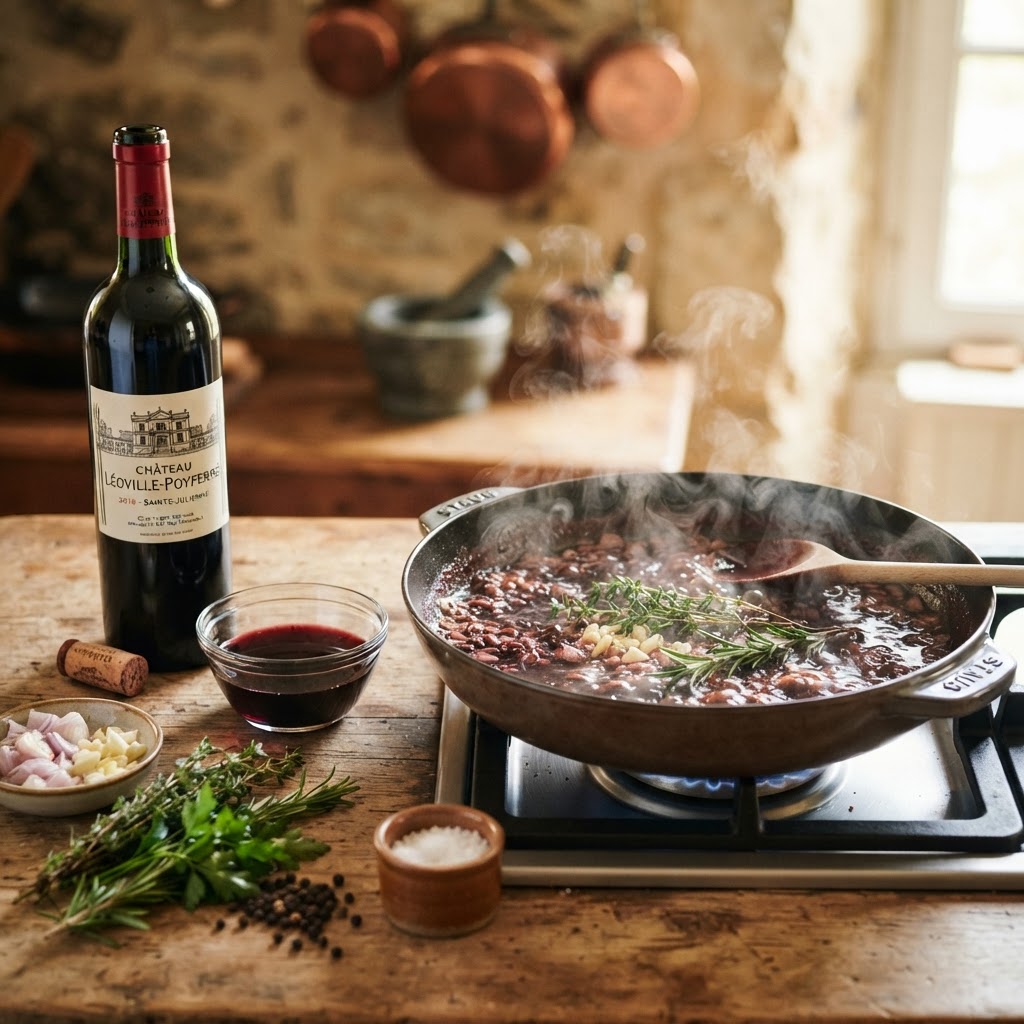
The Home Cook’s Guide to Cooking Wines: Decoding Quality, Tannins, and Alcohol Content for Superior Sauce Reductions
The kitchen is a place of alchemy, where simple raw ingredients are transformed through heat, time, and the judicious application of liquids. Among these liquids, none is as misunderstood or as unfairly maligned as cooking wine. Many home cooks approach the wine aisle with hesitation, unsure whether to splurge on a fine vintage or grab the dusty, salt-laden bottles found near the vinegar. This hesitation is born from a lack of clarity regarding how alcohol interacts with fats, proteins, and sugars during the process of reduction. When used correctly, wine acts as a culinary bridge, pulling together disparate flavors into a cohesive, velvety sauce that defines restaurant-quality cooking.
The secret to mastering sauces lies in understanding that wine is not merely an additive; it is a structural component of your dish. It provides the necessary acidity to cut through the richness of cream or butter, while simultaneously acting as a solvent that releases flavor compounds trapped within the pan’s browned bits—the elusive fond. Whether you are building a classic French bordelaise or a simple pan sauce for a Tuesday night chicken breast, the choice of wine will fundamentally alter the outcome. By demystifying the labels, alcohol contents, and tannin profiles, you can stop blaming the recipe for bland results and start claiming your place as the master of your own stovetop.
We must first discard the notion that wine for cooking should be an afterthought or a "dumping ground" for leftover, oxidized dregs. While it is true that cooking intensifies certain flavors, it also highlights flaws, meaning a wine that tastes unpleasant in a glass will invariably taste unpleasant in your sauce. The goal is to select a wine that complements the protein or vegetable you are preparing, ensuring that the final reduction is a concentrated essence of the original character. In the following pages, we will break down the chemistry of reduction, the importance of balance, and the specific varietals that will elevate your home cooking from amateur to professional level.
The Chemistry of Reduction and Alcohol Content
At its core, reduction is the process of simmering a liquid until its volume decreases, effectively concentrating the flavors and thickening the consistency of the final sauce. When we introduce wine into this equation, we are not just evaporating water; we are altering the chemical composition of the wine itself. As the pan sits over medium-high heat, the alcohol—which has a lower boiling point than water—begins to evaporate rapidly. This process removes the harsh, biting burn of raw ethanol, leaving behind the complex esters, acids, and sugars that give wine its distinct profile.
It is a common misconception that all the alcohol vanishes during the cooking process. In reality, a significant portion remains depending on the cooking time and the width of the pan. A shallow, wide pan provides more surface area, encouraging faster evaporation, while a deep pot will retain more liquid and, by extension, more alcohol. For a standard pan sauce, you should aim for a reduction ratio of at least fifty percent. This ensures that the raw alcohol note is sufficiently tempered, replaced by the deep, concentrated fruit and acidity that rounds out a savory dish.
Understanding the Role of Acidity and pH
Acidity is the backbone of any great sauce. When you deglaze a pan, the tartness of the wine serves to balance the salt and fat, acting as a palate cleanser that makes the dish feel lighter and more vibrant. If your reduction feels flat or "muddy," it is often a sign that you lack sufficient acidity. This is where dry wines—those with minimal residual sugar—shine. They provide the brightness required to lift the flavors of caramelized onions, mushrooms, or seared proteins without masking the savory notes with cloying sweetness.
Timing Your Additions
The timing of your wine addition is just as critical as the wine itself. You should typically add wine immediately after searing your protein, while the pan is still hot and the fond—those flavorful browned bits stuck to the bottom—is ready to be released. This technique, known as deglazing, creates an instant emulsion as the liquid hits the hot surface. Do not rush this step; allow the wine to bubble aggressively for a minute or two, scraping the bottom of the pan with a wooden spoon, before adding your stock or aromatics.
"A sauce is the soul of a dish, and wine is the heartbeat of that sauce. Do not fear the reduction, for it is in the evaporation that the magic happens."
Deciphering Tannins and Their Culinary Impact
Tannins are the compounds found in grape skins, seeds, and stems that create that drying, astringent sensation on the back of your tongue. In the world of wine, tannins provide structure and body; in the kitchen, they behave differently. When you reduce a high-tannin wine, such as a Cabernet Sauvignon, those tannins can become increasingly concentrated. If you are not careful, a heavy-handed reduction of a bold red can result in a sauce that tastes metallic, bitter, or unpleasantly dry.
To mitigate this, you must match the tannin profile of your wine to the fat content of your dish. High-fat ingredients, such as butter, heavy cream, or fatty cuts of beef, act as a natural buffer against tannins. The fat coats the palate and binds with the astringent compounds, smoothing out the sauce. If you are preparing a lean dish, like poached white fish or vegetables, you should steer clear of heavy, tannic reds and instead opt for crisp, high-acid white wines that provide brightness without the structural baggage.
Choosing the Right Red Varietals
When selecting a red for your sauce, look for wines that are fruit-forward with moderate tannins. Pinot Noir is a classic choice for cooking because of its balanced acidity and subtle fruit notes that don't overpower delicate ingredients. If you are aiming for something more robust, such as a red wine reduction for lamb or short ribs, a Merlot or a medium-bodied Zinfandel can provide excellent depth. Avoid "Big Reds" that have been heavily oaked, as the woody, vanilla-laden notes often become bitter and unpleasant when subjected to high heat.
The Problem with "Cooking Wines"
We must address the elephant in the room: the bottles labeled specifically as "cooking wine." These products are almost universally avoided by professional chefs for one primary reason: added sodium. These commercial liquids are essentially cheap, low-quality vinegar-wines that have been spiked with exorbitant amounts of salt to make them shelf-stable and to discourage casual drinking. Using them in a delicate sauce will almost always lead to a dish that is far too salty, with no ability to control the seasoning balance.
The Case for Dry White Wines
White wines are the workhorses of the culinary world. Because they lack the tannins that can turn a reduction bitter, they are more versatile and generally easier to work with for beginners. A classic dry white, such as a Sauvignon Blanc or a dry Pinot Grigio, offers high acidity and a clean profile that works perfectly for pan sauces, seafood, and poultry. When you are cooking with white wine, the goal is to enhance the brightness of the ingredients rather than adding weight.
The "Dryness" Factor
When we say "dry," we mean the wine contains little to no residual sugar. Many grocery store labels are confusing, but you can usually trust a Sauvignon Blanc, a dry Riesling, or a Muscadet. Avoid "Sweet" or "Off-Dry" wines unless you are specifically preparing a dish that requires a caramelized or glaze-like quality, such as a reduction for pork chops with apples. When in doubt, buy a bottle you would be happy to drink alongside your meal; if you wouldn't pour it into a glass, don't pour it into your pan.
Cooking with Aromatics and White Wine
White wine reductions benefit tremendously from the addition of fresh herbs and aromatics. Shallots, garlic, and fresh thyme are the best companions for a white wine reduction. By sautéing these aromatics in the butter left behind after cooking your protein, and then deglazing with the wine, you create a complex, nuanced sauce that feels sophisticated despite taking only minutes to assemble. Always ensure your wine is at room temperature or slightly chilled; adding ice-cold wine to a hot pan can disrupt the thermal consistency of your sear.
"Great cooking is a delicate dance between fat, acid, and heat. The wine provides the rhythm, while your technique provides the grace."
Mastering the Deglazing Technique
Deglazing is perhaps the most important skill in a home cook’s repertoire. It is the bridge between a simple seared piece of meat and a restaurant-worthy masterpiece. When you sear protein, proteins and sugars caramelize on the bottom of the pan. These bits—the fond—are pure flavor. By adding wine, you are using the liquid’s acidity to dissolve those bits, incorporating them back into the sauce rather than letting them burn or go to waste.
The Step-by-Step Deglaze
Why Quality Matters
You do not need to use an expensive $50 bottle of wine, but you should avoid "bottom shelf" options. A $10 to $15 bottle is the "sweet spot" for cooking. It is inexpensive enough that you don't feel guilty pouring half of it into a sauce, but of high enough quality that the balance of acidity and fruit remains intact. If you find yourself with half a bottle left over, do not let it sit on the counter for a week. The wine will oxidize and turn to vinegar, losing its delicate floral and fruit notes.
Matching Wines to Proteins and Sauces
The relationship between your protein and your wine choice should be one of harmony. Red wines, with their deeper, earthier profiles, are naturally suited to red meats like beef, lamb, and game. The proteins in these meats are robust enough to stand up to the tannin content of the wine. Conversely, lighter proteins like chicken, fish, and tofu require the delicate, high-acid profile of a white wine to avoid being overwhelmed by the sauce.
The Matrix of Pairings
Beef and Lamb:* Cabernet Sauvignon, Merlot, Syrah, or bold blends.
Chicken and Turkey:* Sauvignon Blanc, Pinot Grigio, or an unoaked Chardonnay.
Pork:* Riesling (for sweetness), Chenin Blanc, or a light-bodied Pinot Noir.
Seafood:* Crisp, acidic whites like Muscadet, Albarino, or dry sparkling wine.
Vegetables:* Dry white wines, or even a splash of dry vermouth for a herbaceous kick.
The "Universal" Cooking Wine
If you were to keep only one bottle in your pantry for cooking, make it a dry vermouth. Unlike a regular bottle of white wine, which begins to degrade the moment it is opened, a bottle of dry vermouth is fortified, meaning it stays fresh in the refrigerator for months. It has a beautiful, herbal quality—thanks to the botanicals used in its production—that enhances everything from sautéed mushrooms to pan-seared scallops. It is a professional secret that can turn a mundane dinner into an elegant, aromatic experience.
The Art of Finishing a Sauce
A reduction is only the beginning of a great sauce. Once you have reduced your wine to the desired consistency, you have an intense, acidic foundation. To transform this into a professional-grade sauce, you must incorporate fat. The classic French technique of monter au beurre involves whisking small cubes of cold, unsalted butter into the sauce just before serving. The cold temperature of the butter combined with the vigorous whisking creates a stable emulsion, resulting in a sauce that is glossy, rich, and velvety.
Troubleshooting Your Sauce
What if the sauce is too acidic? If you taste your reduction and it makes your mouth pucker in an unpleasant way, do not panic. You can balance the acidity by whisking in a small amount of heavy cream, a touch of honey, or even another tablespoon of cold butter. Conversely, if your sauce is too thin, you can continue to reduce it or add a "beurre manié"—a kneaded mixture of equal parts butter and flour—to gently thicken it without the grainy texture of a cornstarch slurry.
Temperature and Timing
Never rush a reduction. If you turn the heat up too high, you risk burning the sugars in the wine, which will create a bitter, acrid taste that cannot be undone. Keep the heat at a steady, bubbling simmer. The sound of the pan will tell you everything; a gentle, consistent bubbling indicates a steady evaporation process. If the pan goes silent, it is too cold; if it is screaming and splashing, it is too hot. Pay attention to the bubbles—they are your visual timer for when the sauce is reaching the correct viscosity.
Essential Tools for the Sauce Maker
While the wine is the star, the equipment you use will determine your success. A stainless steel sauté pan is superior to non-stick pans when making pan sauces because it allows for superior browning of the fond. Non-stick surfaces are designed to prevent food from sticking, which means they fundamentally inhibit your ability to create the browned bits that are essential for the foundation of your sauce. A wide, shallow stainless steel pan provides the maximum surface area for quick evaporation, allowing you to move from sear to sauce in mere minutes.
The Importance of Spatulas
Use a wooden spoon or a high-heat silicone spatula to scrape your pan. Metal utensils can scratch your cookware and impart a metallic tang to your sauce, especially when working with acidic liquids like wine. Keep a dedicated set of wooden spoons for sauce-making, as wood is a poor conductor of heat and won't get hot in your hand while you are scraping the bottom of the pan. Furthermore, the porous nature of wood can slowly absorb the flavors of your sauces over time, creating a "seasoned" tool that adds its own depth to your cooking.
Precision and Patience
Finally, invest in a good kitchen scale if you want to be precise, though sauce-making is inherently an art of intuition. Taste your sauce at every stage—after you deglaze, after you reduce, and after you mount the butter. By tasting constantly, you will begin to understand how the wine’s character changes over the course of the cooking process. You will start to notice the moment the raw alcohol burn gives way to the sweet, concentrated essence of the grapes.
"Cooking is an act of trust. Trust the wine, trust the heat, and most importantly, trust your own palate to tell you when the sauce has reached perfection."
Final Thoughts
Mastering the use of cooking wine is one of the most significant leaps a home cook can make. It transitions your kitchen from a place where you simply "heat and eat" to a space where you are actively constructing flavor. By moving away from cheap, salted cooking wines and embracing standard, dry varietals, you unlock a depth of flavor that is unattainable with stock or water alone. Remember the rules of the road: match your tannin levels to your protein's fat content, prioritize acidity to balance your richness, and never underestimate the power of a proper deglaze.
As you practice these techniques, you will find that you no longer need complex, multi-page recipes to create delicious food. A well-executed pan sauce made from a good wine, a handful of fresh herbs, and a bit of cold butter can elevate a simple seared steak or a piece of pan-roasted cod into a restaurant-level dining experience. Do not be afraid to experiment with different regions and varietals; half the fun of cooking is discovering which wines speak most clearly to your own tastes.
Above all, remember that the "Blame The Chef" philosophy is built on the idea that the kitchen is a laboratory of trial and error. If a sauce doesn't turn out perfect the first time, don't blame the recipe—analyze the process. Did the wine have too much tannin? Did you reduce it for too long? Was the pan the right size? Each mistake is simply a lesson in flavor physics that will make your next attempt even better. So, pour yourself a glass, pour a splash into the pan, and start creating something extraordinary. Your sauce-making journey has only just begun.
Continue to explore the nuances of different grapes. Have you tried a dry, mineral-forward Austrian Riesling with your pan-seared sea bass? Or perhaps a jammy, low-tannin Grenache to deglaze the pan after searing a pork tenderloin? The world of wine is vast, and its application in the kitchen is limited only by your willingness to experiment. Take the time to understand the acidity, the alcohol levels, and the underlying fruit profiles of the bottles you choose. By doing so, you are not just following instructions—you are becoming a chef, one reduction at a time.
Stay confident in your ability to manipulate heat and liquid. The transition from a thin, watery liquid to a rich, clinging glaze is a moment of pure culinary satisfaction. Keep your heat steady, your spoons at the ready, and your palate sharp. Whether you are cooking for one or for a crowd, the addition of a thoughtfully chosen wine will always be the defining mark of a cook who understands the importance of depth, balance, and the beautiful, complex alchemy that happens when liquid meets flame. Welcome to the craft, and enjoy the delicious results of your newfound expertise.
Consistency is key, but so is creativity. Once you have mastered the foundational pan sauce, start exploring the world of compound sauces. Can you integrate a red wine reduction into a demi-glace? How does a white wine-based beurre blanc change when you infuse it with fresh tarragon or lemon zest? These questions are the sign of a developing chef. Keep notes on what works and, more importantly, what doesn't. Your kitchen journal will eventually become a testament to your culinary evolution, full of small discoveries that lead to big, bold flavors.
Ultimately, cooking with wine is an invitation to slow down and appreciate the process. It is about understanding that a few minutes of attentive reduction is worth far more than any shortcut. Respect the ingredient, treat the wine as a partner in your culinary endeavors, and you will find that your home cooking gains a level of complexity you once thought was impossible. The bottle on your counter is more than just a drink; it is the secret weapon that will transform your kitchen and delight your guests for years to come.
So go forth, open that bottle, and let the sizzle of the pan be the soundtrack to your next great meal. The ingredients are waiting, the pan is hot, and the potential for a masterpiece is sitting right in front of you. Embrace the reduction, trust in your instincts, and keep the standards high. Your journey through the world of culinary wine is now officially underway, and the possibilities for your next sauce are endless. Happy cooking, and remember—the chef is only as good as the technique they bring to the stove. Now, go make something wonderful.
Get the Next Recipe
Weekly recipes, techniques, and gear picks — straight to your inbox.
