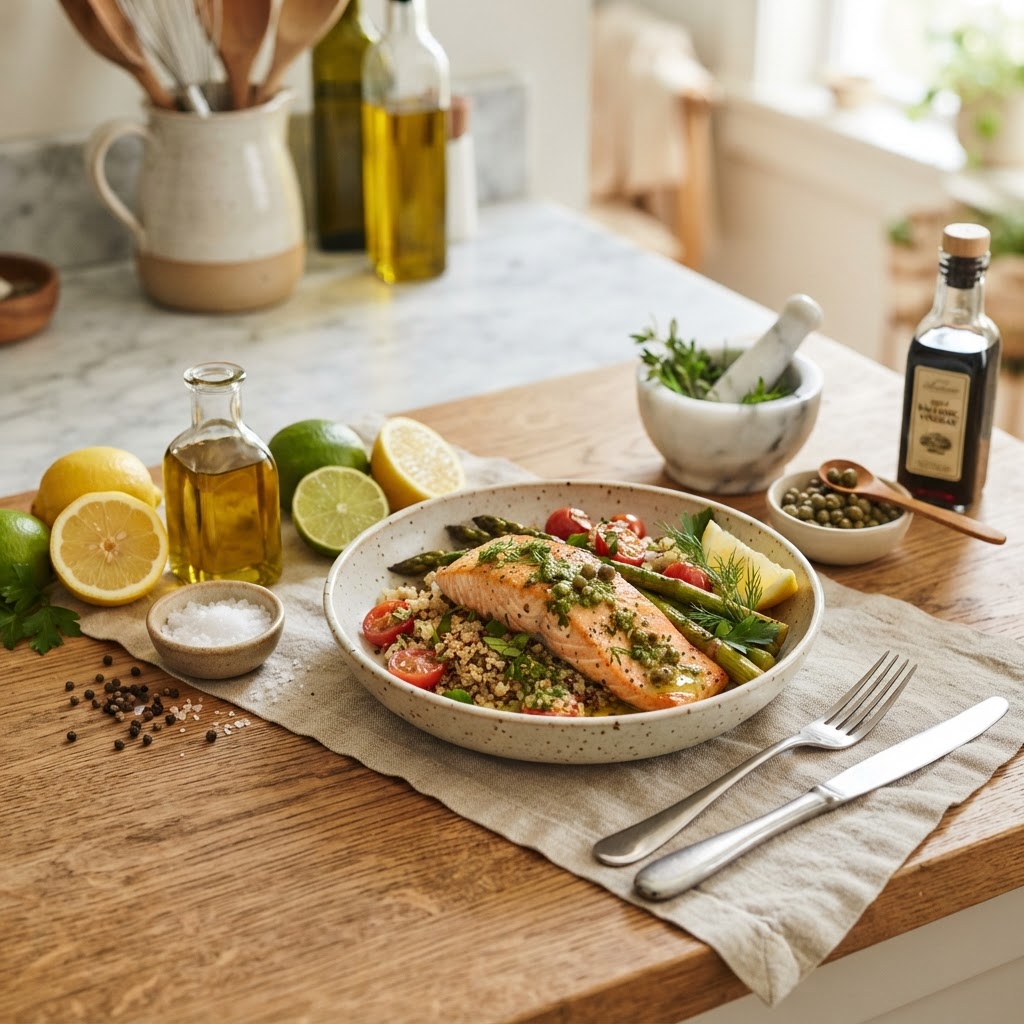
The Home Cook’s Guide to Essential Acidity: Mastering pH Balance and Ingredient Pairing to Brighten Every Dish
If you have ever found yourself staring at a finished plate of food, sensing that something is fundamentally missing despite following the recipe to the letter, you are likely experiencing a deficit in acidity. Home cooks often focus heavily on the structural components of a meal—the protein, the starch, and the salt—while treating acid as a mere garnish or an afterthought. However, professional chefs understand that acidity is the skeletal structure of flavor, providing the necessary lift that prevents a dish from tasting heavy, muddy, or one-dimensional. Mastering the use of acid is not just about making things taste "sour"; it is about achieving a culinary equilibrium that makes ingredients pop.
Think of acid as the contrast knob on a television screen; without it, flavors are flat and washed out, but with it, everything becomes sharp, vibrant, and defined. Whether it is a squeeze of lemon over grilled fish, a splash of vinegar in a hearty stew, or the fermented tang of kimchi in a bowl of rice, acid cuts through fat and cleanses the palate. This guide is designed to move you beyond the basics, helping you understand the chemistry of pH balance in the kitchen. We will explore how different acids interact with heat, time, and texture to help you transform your everyday cooking into restaurant-quality fare.
When we talk about acidity in professional kitchens, we are often talking about the interplay between sweetness, saltiness, and bitterness. A dish that feels "stuck" in the mid-range of flavor usually requires a hit of acid to wake it up and bridge the gap between heavy fats and delicate aromatics. By the end of this journey, you will no longer reach for the salt shaker when a dish tastes dull; instead, you will instinctively look to your pantry or fridge for the perfect acid to restore balance. Let us dive into the science and the art of brightening every single thing you put on the table.
The Chemistry of Flavor: Why Your Food Needs Acid
At its most basic level, acidity is the measurement of hydrogen ion concentration, typically expressed on the pH scale. In culinary terms, we are generally looking for ingredients that fall between 2.0 and 5.0 on that scale, ranging from the sharp bite of white vinegar to the mellow tang of a ripe tomato. When you introduce an acid to a dish, you are performing a sensory trick; the acid stimulates the salivary glands, which in turn increases the perceived flavor intensity of the entire meal. This is why a dish that tastes bland in the pot can suddenly become vibrant with a simple finish of sherry vinegar.
However, it is not just about stimulation; it is about chemical reaction. Acid changes the structure of proteins, a technique we use when marinating meats or curing seafood for ceviche. By denaturing the proteins, we alter the texture, making tough fibers more tender and raw proteins more opaque and firm. This is a controlled transformation that requires a delicate hand; leave a piece of delicate white fish in lime juice for too long, and you move past the "cooked" texture into a mushy, over-processed state that lacks integrity.
The balance of acid also plays a crucial role in how we perceive saltiness. It is common for home cooks to over-salt a sauce to compensate for a lack of brightness. When you add salt, you are enhancing the flavor, but when you add acid, you are brightening the flavor. If you find that you have gone too heavy on the salt, a splash of lemon juice or apple cider vinegar can effectively "cut" the perceived saltiness, tricking the palate into a more harmonious experience. This is the secret to the perfect vinaigrette, where the acidity of the vinegar acts as the counterweight to the fat of the oil and the salt of the seasoning.
Understanding pH and Ingredient Interaction
Low Acid Ingredients:* Heavy fats, starches, and proteins often need the most help.
The Role of Heat:* Cooking acids (like wine or tomatoes) mellows them out, while adding them raw maintains their sharp bite.
The Balancing Act: Always taste your dish after* adding acid; the goal is to make the dish taste like itself, just more intense.
"Acidity is the unseen conductor of the culinary orchestra. It doesn't need to be the loudest instrument, but without it, the symphony has no clarity."
The Pantry Toolkit: Choosing the Right Acid
Not all acids are created equal, and knowing which one to reach for is the mark of a seasoned cook. A common mistake is using lemon juice as a "catch-all" for every dish that feels flat. While lemon is versatile, it has a bright, citrusy profile that does not always suit a deep, dark braised short rib or an earthy lentil soup. Instead, you might want to look toward aged vinegars or even fermented fruit pastes, which offer a more complex, mellow acidity that complements slow-cooked ingredients rather than fighting them.
Vinegars offer the widest spectrum of acidity. White distilled vinegar is sharp and aggressive, best suited for pickling or cleaning, whereas sherry vinegar or balsamic vinegar (the real, aged kind) offers notes of oak, fruit, and caramel that can add layers of depth to a glaze or a pan sauce. Rice wine vinegar, conversely, is mild and slightly sweet, making it the perfect choice for Asian-inspired dishes where you want the acidity to be subtle rather than the star of the show.
Beyond vinegars and citrus, we must consider the acidity present in fermented ingredients. Miso, yogurt, crème fraîche, and kimchi are all powerhouses of acidity that bring a "savory" or umami-rich tang to the table. These ingredients do more than just brighten; they add a layer of complexity that feels "aged" and developed. If you are making a creamy pasta sauce, a dollop of yogurt instead of just heavy cream adds a slight tang that cuts through the fat of the butter and cheese, making the dish feel lighter and more sophisticated.
A Quick Guide to Pantry Acids
The Art of the Pan Sauce: Deglazing and Emulsification
If you want to cook like a professional, you must master the pan sauce. After searing a steak or pan-roasting chicken, you are left with brown bits on the bottom of the pan—this is the fond, and it is the concentrated soul of your meal. The process of deglazing involves adding a liquid to these hot, caramelized bits to loosen them. This is the moment where you should be choosing your acid wisely. A splash of white wine, a dash of vinegar, or even a squeeze of citrus can dissolve those bits and turn them into a glossy, restaurant-quality sauce.
The technique requires timing and heat control. Once the protein is removed, you should pour off most of the excess fat, leaving just a tablespoon or two. Add your acid (roughly 1/4 cup for a standard pan) and allow it to boil rapidly. You are looking to reduce the volume of the liquid by about half. As it reduces, the acid mellows, and the flavor concentrates. The final step, which many home cooks fear, is mounting with butter. By whisking in cold, unsalted butter cubes at the very end, you emulsify the fat with the acidic liquid, creating a velvety, shiny sauce that coats the back of a spoon.
Pro-Tips for Perfect Pan Sauces
Avoid High Heat:* When adding the butter at the end, turn the heat to low or remove the pan from the burner entirely to ensure the sauce doesn't break.
Don't Over-reduce:* If the pan looks dry, add a splash of stock or water to loosen it back up before the butter goes in.
The Emulsion Test:* Your sauce is ready when it is thick enough to coat a spoon and hold a clean line when you draw your finger through it.
"A pan sauce is the reward for the work of searing. The acidity of the wine or vinegar cuts the richness of the fond, transforming simple drippings into liquid gold."
Balancing Heat, Sweet, and Sour
The most successful dishes in history are built on the "Four Pillars of Taste": salt, fat, acid, and heat (and sweetness, when used as a balancing agent). Acid is the most powerful tool for moderating the others. If a dish is overly spicy from chilies, you can soften the intensity with a touch of sweetness, but adding acid can actually make the heat feel more "cleansing" and less lingering. It changes the way the capsaicin interacts with your taste receptors, providing a refreshing finish rather than a painful one.
When we discuss sweetness, we are often talking about sugar, honey, or fruit. An acidic backbone prevents these sweet elements from becoming cloying. Think of a fruit cobbler; without a squeeze of lemon juice or a pinch of salt, it is just a sugary mess. With the acid, the fruit flavor actually becomes more pronounced. This is because the acid provides a counterpoint to the sweetness, allowing the natural sugars in the fruit to shine without being masked by a singular, flat sweetness.
Finding this balance is an iterative process. I always tell my students: taste as you go. Do not wait until the final plate-up to check your seasoning. If you are making a soup, taste it mid-way through. Does it taste heavy? Add a teaspoon of cider vinegar. Does it taste too sharp? Add a touch of honey or maple syrup. This back-and-forth between the pantry and the pot is where true intuition is developed. You are not just following a recipe; you are building a profile of flavors.
Developing Your Palate
The Baseline:* Cook your dish and get it to the right texture.
The First Taste:* Identify what is missing (is it flat, heavy, or boring?).
The Acid Adjustment:* Add your acid in small increments (1/2 teaspoon at a time).
The Final Check:* If the flavor is "pointed" or aggressive, balance it with a drop of fat (olive oil or butter) or sweetener.
Brightening Vegetables: The Acid-Vegetable Connection
Vegetables are often the most mistreated category in the home kitchen. We boil them until they are mush, or we roast them with nothing but salt and oil, leading to a repetitive, boring flavor profile. Acid is the secret to making vegetables sing. Whether you are blanching green beans, roasting carrots, or sautéing kale, a final splash of acid elevates the vegetable from a side dish to a destination.
For bitter greens like kale, chard, or dandelion greens, acidity is mandatory. The bitterness is a natural defense mechanism of the plant, and while a little bitterness is nice, too much can be unpalatable. Vinegar—specifically balsamic or red wine vinegar—pairs perfectly with the earthiness of these greens. When sautéing, add the vinegar in the last thirty seconds of cooking so it creates a quick glaze without turning the vegetables limp.
For root vegetables like carrots or beets, sweetness is already present. The acidity of orange juice, lemon, or even a white balsamic vinegar provides a necessary contrast. I love to roast carrots in a high-heat oven (425 degrees Fahrenheit) until they are caramelized, then toss them in a dressing of honey and white wine vinegar. The acid highlights the natural sugars of the carrot while cutting through the richness of the olive oil used for roasting.
Vegetable Prep Techniques
The Role of Fermentation: Complex Acidity
We have discussed simple acids, but we must touch upon the world of fermentation. Fermented foods like sauerkraut, miso, kombucha, and kefir contain lactic acid, which provides a deeper, rounder, and more complex acidity than the sharp punch of a distilled vinegar. Because these foods are living, they offer a depth of flavor that is hard to replicate with a bottle of store-bought acidity.
Using miso in a marinade for steak or adding a spoonful of yogurt to a curry provides a "background" acidity that makes the dish taste like it has been cooking for days. It provides a savory, umami-laden acidity that hits the back of the palate, providing a long, lingering finish. I find that when I incorporate fermented ingredients into my cooking, I need to add less salt, because the fermentation process has already developed such intense flavor profiles.
Start small. Try swapping your regular mayonnaise for a mix of mayonnaise and a little bit of kimchi brine for a sandwich spread. Try finishing a bowl of spicy noodle soup with a dollop of yogurt instead of coconut milk. These small changes introduce the magic of complex acidity to your everyday meals, making your home cooking feel more nuanced and professional.
Integrating Fermented Ingredients
Miso:* Whisk into melted butter for a compound butter to top grilled vegetables or fish.
Yogurt:* Use as a marinade for chicken; the lactic acid tenderizes the meat perfectly over 4–6 hours in the fridge.
Kimchi/Sauerkraut:* Chop finely and fold into mashed potatoes or rice for a surprising, tangy twist on a classic comfort dish.
"The difference between a good dish and a great one is often the depth of flavor. Fermentation adds a dimension of acidity that standard pantry acids simply cannot touch."
Mastery in the Kitchen: Putting It All Together
To truly master acidity, you must practice with intent. Start by conducting a "taste test" experiment. Take three small bowls of the same chicken soup or vegetable broth. Leave the first one alone. Add a squeeze of lemon to the second. Add a splash of sherry vinegar to the third. Taste them side-by-side. You will immediately notice how the acidity transforms the broth from a flat, watery liquid into something vibrant and alive. This exercise is the single most effective way to calibrate your internal sensors.
Remember, the goal is not to taste "the acid," but to taste the dish better. If a guest asks, "What did you put in this?" and your answer is "lemon juice," you have likely used too much. If they ask, "How did you get the flavors to pop so much?" you have succeeded. Acid is a supporting actor, not the lead role. It is there to pull the other ingredients onto center stage, giving them the energy and light they need to shine.
As you gain confidence, you will start to see acidity in everything. You will notice it in the crust of a sourdough loaf, the bite of a aged cheddar, and the tang of a perfectly reduced tomato sauce. You will begin to experiment with different acid-based glazes for your roasts, you will start pickling your own seasonal vegetables, and you will find that your kitchen feels like a much more creative, controlled environment. The pantry becomes your laboratory, and every meal is an opportunity to refine your understanding of balance.
Weekly Practice for the Home Chef
Day 1:* Master the pan sauce. Sear a protein and finish with a vinegar-based deglaze.
Day 2:* Experiment with acid-to-fat ratios. Make a simple vinaigrette (1 part acid to 3 parts oil) and adjust based on your specific vinegar.
Day 3:* Incorporate a fermented ingredient. Use yogurt or miso in a marinade or sauce.
Day 4:* Test acidity levels. Try the soup experiment mentioned above to calibrate your palate.
Day 5:* Finishing touch. Choose three different dishes and experiment with finishing them with different citrus zests or fresh vinegar splashes.
Final Thoughts
The journey toward culinary excellence is rarely about learning complicated, expensive techniques; it is about mastering the fundamentals that change every bite. Acidity is perhaps the most underrated, yet most vital, component of that foundation. By understanding the chemistry behind pH balance, selecting the right acid for the right application, and learning to balance your dishes through constant tasting and adjustment, you are fundamentally changing the way you eat.
"Blame the Chef" has always been about empowering you to take ownership of your kitchen. When you understand why a dish fails, you stop blaming the recipe and start fixing the flavors. You stop being a passive follower of instructions and start being a chef in your own right. Mastery isn't just about having the best ingredients; it is about knowing how to coax the best out of those ingredients through technique, patience, and a well-developed palate.
Go back to your kitchen with this newfound knowledge. Reach for the lemon, open the bottle of vinegar, and experiment with the fermented jars at the back of your fridge. When you find that perfect point of equilibrium—where the salt is grounded, the fat is balanced, and the acid is singing—you will realize that you have moved into a new tier of home cooking. You aren't just making dinner; you are crafting experiences. Keep tasting, keep adjusting, and remember that the brightest flavors are always waiting for that final touch of acid to bring them into the light. Happy cooking!


Get the Next Recipe
Weekly recipes, techniques, and gear picks — straight to your inbox.
