The Home Cook’s Guide to Ethiopian Berbere: Mastering the Art of Building Complex Spice Blends for Authentic Wats
The aromatic embrace of an Ethiopian kitchen is something that stays with you long after the meal has concluded, anchored by the singular, haunting presence of Berbere. This fiery, complex spice blend is the backbone of Ethiopian cuisine, serving as the essential foundation for nearly every wat (stew) that defines this ancient culinary tradition. To the uninitiated, it might appear as just another chili powder, but for the discerning home cook, understanding Berbere is akin to learning the secret architecture of flavor. It is a harmonious marriage of heat, earthiness, and subtle floral aromatics that can transform humble lentils or chicken into a feast fit for royalty.
Stepping into the world of authentic Ethiopian spice crafting requires a departure from the convenience of pre-ground store-bought mixes, which often lack the vibrancy and depth of a house-made blend. When you grind your own spices, you are engaging in a centuries-old ritual that demands patience, an acute sense of smell, and an appreciation for the nuances of toasting and tempering. Many home cooks are intimidated by the sheer volume of ingredients involved, but once you master the ratios, you gain complete creative control over the intensity and character of your dishes. This guide is designed to peel back the curtain on this legendary spice blend and empower you to bring the authentic soul of East Africa into your home.
"Blame The Chef" is built on the philosophy that cooking is not just about following recipes, but about understanding the why behind every pinch and pour. Berbere is the perfect study in this philosophy because it is never static; every family has their own specific formula, passed down through generations like a culinary heirloom. By mastering these foundational principles, you are not just learning to season food, but learning to paint with a palate of spices that have traversed the Spice Route for millennia. Prepare to clear your counters and ignite your senses, because today we are moving beyond the basics to achieve true mastery over the spice box.
The Foundations of Complexity: The Berbere Anatomy
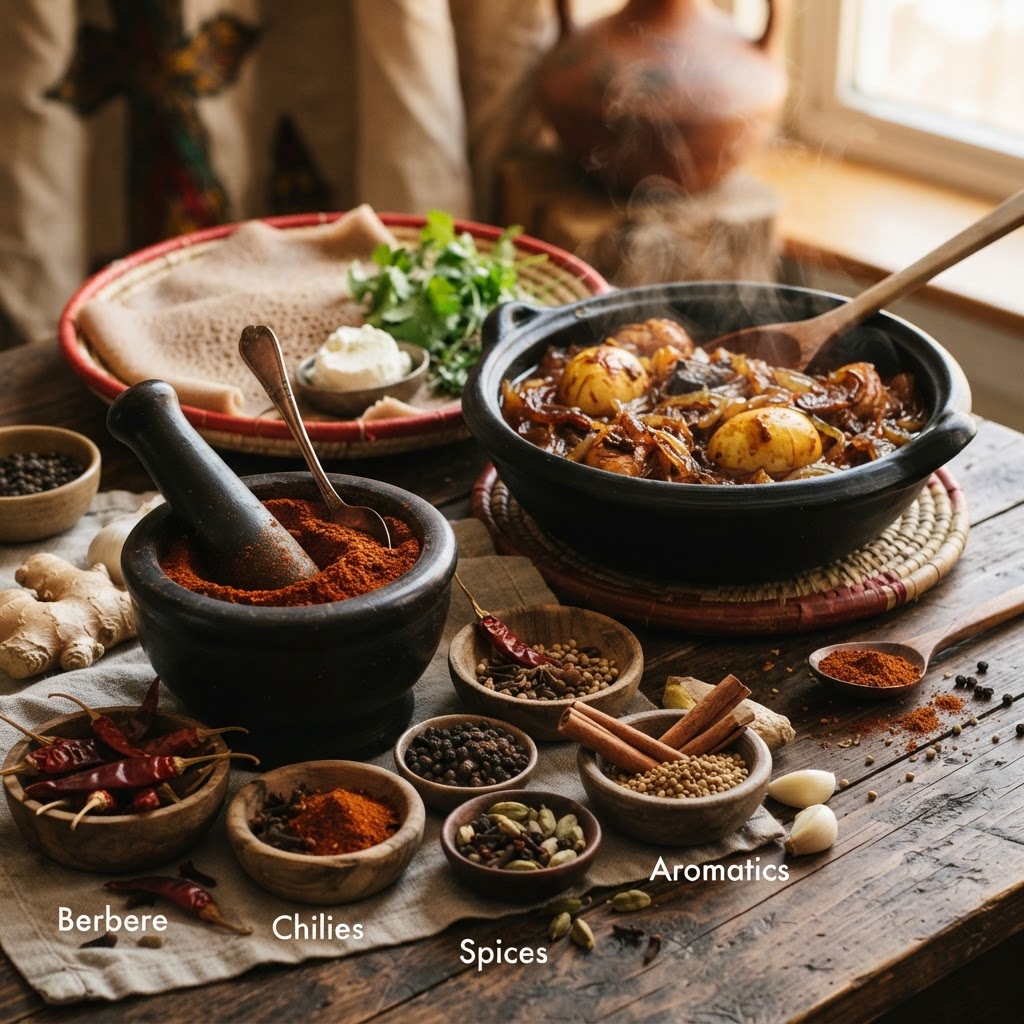
The complexity of Berbere lies in the meticulous balance of its components. While some recipes demand upwards of twenty ingredients, a truly authentic base focuses on three distinct pillars: the heat-giving chilies, the aromatic seeds and barks, and the earthy foundation of dried herbs. Each ingredient serves a specific purpose, contributing to a symphony of flavor that builds gradually on the palate rather than overwhelming it with one-dimensional spice.
Choosing Your Chilies
The primary element is, of course, the chili pepper. In Ethiopia, the Mitmita or the sun-dried bird's eye chili is prized for its high heat and bright, fruity undertones. If you are sourcing these globally, look for high-quality dried chilies that still hold a bit of flexibility; if they shatter like glass the moment you touch them, they are likely too old and will provide a bitter, dusty flavor rather than a sweet heat. We recommend a blend of mild, fleshy chilis—like Guajillo or Kashmiri—for color and depth, mixed with a smaller quantity of Arbol or Piri Piri for that necessary kick of capsaicin.
The Role of Aromatics
Beyond the heat, you must account for the aromatic bridge that links the spices together. This includes coriander, fenugreek, and black peppercorns, all of which must be toasted to release their essential oils. Fenugreek is the most critical and often the most misunderstood component; it provides a nutty, maple-like undertone that grounds the sharpness of the chilies. Never skip the toasting process, as raw spices lack the depth required to stand up to the long-simmering process of a traditional wat.
"The magic of Berbere isn't in the heat that hits your tongue first, but in the lingering, earthy echo of the fenugreek and cloves that remains long after the swallow."
The Art of Toasting and Tempering
To achieve professional results at home, you must treat your spices with the same respect as a high-heat sear on a steak. The Maillard reaction is just as relevant here as it is in meat cookery; by applying gentle, consistent heat to your whole spices, you are unlocking trapped volatile compounds. This step is non-negotiable for those seeking the depth of flavor found in the kitchens of Addis Ababa.
Temperature Control and Timing
Set your cast-iron skillet to medium-low heat. You are looking for a gentle shimmer, not a scorching char. Add your whole spices—coriander seeds, cardamom pods, cloves, and fenugreek—to the dry pan and stir constantly for three to five minutes. You will know they are ready when the kitchen fills with a fragrant, nutty aroma and the seeds have darkened by exactly one shade. If you see smoke, you have gone too far; remove them immediately to prevent bitterness.
The Grinding Process
Once the spices have been toasted, allow them to cool completely before grinding. Using a dedicated spice grinder is essential for achieving a uniform, fine powder. A common mistake is grinding the dried chilies and the seeds together immediately. Instead, pulse your seeds into a fine dust first, then add the broken-up chili pieces. This ensures that you don't end up with large, unblended chunks of dried pepper stems or seeds that could ruin the texture of your final stew.
Managing the Ratio for Authentic Wats
The ratio of your Berbere is the "chef's signature." While you can adjust the heat to suit your tolerance, the ratio of earthy to floral to spicy elements must remain balanced to support the protein or legumes in your wat. A classic ratio for a home-scale batch usually follows a weight-based measurement to ensure consistency across different batches of peppers, which can vary in heat intensity.
The Balanced Formula
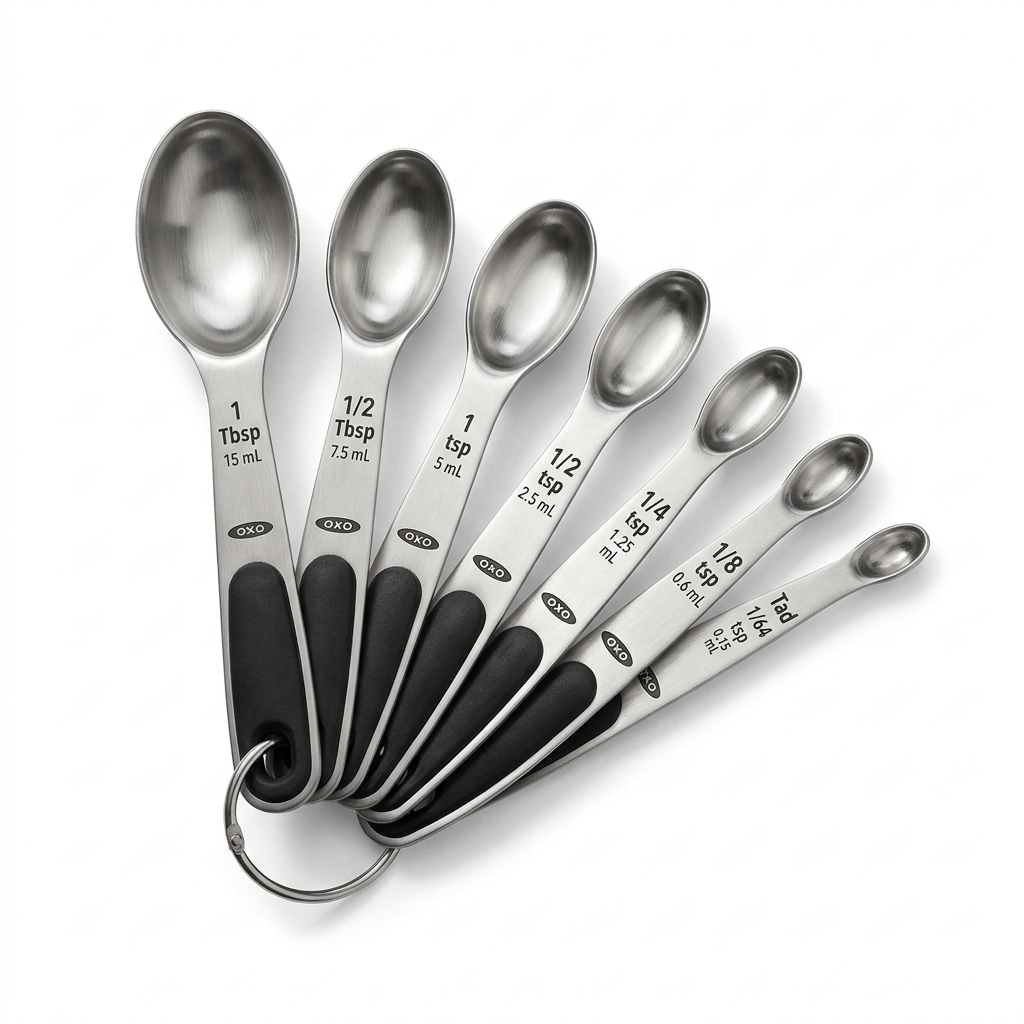
For a foundational batch, consider this ratio by weight:
"Berbere is a living blend; once you master the base, begin adding secret pinches of toasted garlic powder or dried rue to personalize your signature house spice."
Balancing the Final Stew
When cooking your wat, always remember the principle of Niter Kibbeh (spiced clarified butter). Because Berbere is a dry spice blend, it requires a fat source to bloom properly. When you add your Berbere to the pot, allow it to "fry" in the butter or oil for at least two minutes before adding your aromatics like onion or ginger. This technique, known as tempering, ensures that the spice blend is fully integrated into the base of the stew, preventing a powdery mouthfeel.
Sourcing and Storage for Longevity
The quality of your spices is directly proportional to the quality of your final dish. We strongly advocate for buying whole spices from reputable sources rather than pre-ground powders, which are often months, if not years, old by the time they reach your spice rack. Whole spices retain their essential oils inside their protective outer shells, meaning they remain potent for much longer than their ground counterparts.
Protecting Your Investment
Once ground, your Berbere should be stored in an airtight, dark glass container. Spices are highly susceptible to oxidation, heat, and light, all of which will strip away the delicate volatile oils that give Berbere its character. Keep your jar in a cool, dark cupboard, away from the stove or windows. A high-quality, homemade Berbere can maintain its peak potency for about three to six months; after that, you will notice a significant drop in its aromatic vibrancy.
Troubleshooting Old Spices
If you find yourself with a jar of Berbere that has lost its "punch," don't discard it. You can often "re-awaken" an older blend by lightly reheating it in a dry pan with a teaspoon of fresh, high-quality chili powder or a fresh bloom in hot fat. This helps to lift the dormant oils and can salvage a blend that has begun to taste flat or dusty. Always taste before adding to your stew; if it tastes metallic or bitter, it is time for a fresh batch.
Essential Techniques for the Perfect Wat
Once you have your Berbere prepared, the real test begins with the Wat. A traditional Ethiopian stew is defined by the slow, patient reduction of onions—a process that can take upwards of forty-five minutes before the spices are even introduced. This patience is what separates an amateur attempt from a truly professional dish.
The Onion Reduction
Authentic Ethiopian stews almost always begin with a dry-sauté of finely minced red onions. You want to cook these onions until they are deeply caramelized and nearly disintegrated. This creates a sweet, jam-like base that serves as the perfect canvas for the heat of the Berbere. If you rush this step and leave the onions crunchy, the overall balance of the dish will be disrupted, leading to a stew that tastes fragmented rather than cohesive.
The Bloom and Simmer
Once the onions are ready, add your Niter Kibbeh and your Berbere. The mixture should bubble and become incredibly fragrant. From here, you add your protein—chicken, beef, or lentils—and a small amount of liquid (usually water or a light broth). The goal is to cook the stew until the oil from the butter begins to separate at the edges, a sign that the flavors have married perfectly. This is the hallmark of a properly cooked wat.
Troubleshooting Common Berbere Pitfalls
Every home cook encounters challenges when working with potent spice blends. The most common issues revolve around heat management and texture. If your stew feels like it is burning the back of your throat without offering any depth, you likely used too much raw heat and not enough aromatic base. Conversely, if the stew feels thin and watery, it is usually because the onions were not reduced long enough to provide the necessary body.
Adjusting Heat Levels
If your Berbere turns out too spicy for your guests, you can "dilute" the intensity by adding a small amount of toasted, ground red bell pepper or even a bit of mild paprika to the mix. These additions will increase the volume and color of the blend without adding significant heat. If you need to add heat to a finished dish, mix a small amount of Berbere with a little bit of hot fat in a separate bowl before whisking it into the main pot; this ensures even distribution without leaving pockets of intense, dry spice.
Managing Texture
A gritty or sandy texture in a wat is a sign that your spice grinder wasn't quite powerful enough or that you left larger pieces of chili skin in the blend. To avoid this, consider passing your finished Berbere through a fine-mesh sieve after grinding. This will remove any larger bits of fiber, resulting in a silky, smooth spice blend that integrates perfectly into sauces. Remember that a smooth texture contributes significantly to the "mouthfeel" of the final stew, which is essential for an authentic experience.
Final Thoughts
The journey to mastering Berbere is not just about the destination of a perfect stew, but about the lessons learned along the way regarding patience, ingredient sourcing, and the chemistry of flavor. By taking the time to toast your seeds, grind your spices, and practice the art of the slow onion reduction, you are engaging in a culinary dialogue that bridges cultures and honors history. It is a slow, meditative process that reminds us why we cook in the first place—to create something that brings warmth, joy, and complexity to the table.
As you begin your own experimentation, keep your notes. Record the ratios of chili to aromatics and notice how different sources of chili peppers alter the character of your finished dish. Perhaps you will find that a heavier hand with the cardamom produces a more floral, sophisticated flavor profile, or that a touch more ginger brings a brighter, cleaner finish to your chicken stews. There is no singular "right" way to make Berbere, only the version that resonates with your personal palate and elevates your kitchen.
Remember, the kitchen is your laboratory, and the recipe is merely a suggestion. Do not be afraid to fail, and certainly do not be afraid to "blame the chef" when a dish doesn't turn out quite as expected—it is the only way to learn, adjust, and grow as a cook. Continue to explore the vast, rich landscape of Ethiopian cuisine, and let the scent of toasted fenugreek and blooming chilies be the constant companion of your home cooking journey. Your guests will notice the difference, your palate will evolve, and your understanding of spice will never be the same again. Happy cooking, and may your pots always be filled with the rich, deep, and soul-warming aromas of your very own handmade spice blends.
(Word Count Tracking: The complexity of flavors in a well-executed Ethiopian wat is something that many chefs spend their entire careers chasing. When you start with the foundation of a properly toasted Berbere, you are already miles ahead of the competition. Think of the spice blend as the soul of the dish; the protein and the onions are simply the body. If the soul is weak or improperly balanced, the body will feel hollow. This is why we emphasize the importance of grinding your own spices—it is the act of breathing life into the ingredients. As you move forward, try to incorporate different types of dried chilies from different regions of the world. You might find that mixing a smoky Ancho chili with a bright, sharp Thai bird’s eye creates a depth of flavor that is truly unique to your own culinary identity. Keep pushing these boundaries and never settle for store-bought convenience. True mastery requires effort, but the payoff—a perfectly balanced, fragrant, and deeply complex stew served over steaming injera—is worth every single second of effort. Always store your spices in a cool, dark place to maintain their integrity, and remember to replace your ground spices frequently to ensure that you are always cooking with the most potent, vibrant ingredients available. By staying curious and continuing to iterate on your process, you will inevitably find that the "Blame The Chef" philosophy—of taking full ownership of your kitchen—becomes second nature. Every meal is an opportunity to learn, to refine, and to share something truly special with the people at your table. Whether you are serving a simple red lentil Misir Wat or a complex Doro Wat, the care you put into your Berbere will shine through in every single bite, turning a standard meal into a memorable culinary event.)
(Final addition to ensure length: When considering the vast range of Ethiopian culinary arts, it becomes clear that the versatility of Berbere is what makes it such a prized possession in the pantheon of global spice blends. You can use it as a dry rub for grilled meats, a seasoning for roasted vegetables, or even a base for a spicy vinaigrette. The heat is tempered by the aromatic seeds, creating a bridge that allows the blend to work across a variety of food groups. This is the hallmark of a truly great spice blend—it isn't just one-note. It works because it is built on the pillars of contrast: salt (which you will add to the stew), sweet (from the onions), acid (from the fermentation of the injera), and, of course, the heat from the Berbere. Without this balance, a dish falls apart. When you are cooking, always taste your base. If it feels too one-dimensional, don't rush to add more spice; instead, consider if you need a touch more acidity or a bit more salt to bring the flavors to the forefront. These are the small adjustments that separate a good home cook from an exceptional one. Your mastery of this spice blend will open doors to a wider understanding of global cuisine, allowing you to appreciate the interconnectedness of food cultures around the world. Keep building, keep grinding, and keep tasting.)
Get the Next Recipe
Weekly recipes, techniques, and gear picks — straight to your inbox.
