
The Home Cook's Guide to Fat-Washing Spirits: Mastering Clarified Butter and Oil Infusions for Savory Cocktails
The alchemy of the home bar often feels like a series of carefully measured pours and chilled glassware, but true mastery lies in manipulating the molecular structure of your spirits. Fat-washing, a technique that sounds deceptively simple, is the secret weapon used by world-class mixologists to infuse spirits with the decadent, rounded mouthfeel of animal fats or the bright, aromatic punch of oils. By dissolving lipids into high-proof alcohol and then freezing the mixture to solidify the fats, you strip away the heavy grease while leaving behind the volatile flavor compounds that define the essence of the medium. This guide will walk you through the essential science of flavor extraction and help you elevate your home cocktail game to professional standards.
When we talk about fat-washing, we are discussing a process of flavor solubility and lipid infusion. Spirits like vodka, bourbon, and even aged rum are excellent solvents, capable of pulling the flavor molecules from butter, bacon fat, coconut oil, or even toasted sesame oil. The key to success is patience; you are not merely stirring these ingredients together, but rather allowing time for the alcohol to penetrate the fat and bind with its aromatic profile. As you embark on this culinary journey, remember that the quality of your base fat will dictate the quality of your finished spirit. Just as you wouldn’t cook with rancid oil, you should never attempt to fat-wash with low-quality fats.
Finally, consider the sensory experience of a fat-washed cocktail. It is not just about the taste; it is about the viscosity and the way the spirit coats the palate. When you perform this process correctly, you achieve a silky texture that balances the harshness of high-proof alcohol, turning a sharp drink into a rounded, velvet-like experience. This is the hallmark of the "Blame The Chef" philosophy—taking a standard practice and pushing it into the realm of the extraordinary through precision and technique. Prepare to transform your home bar into a lab of savory wonders, starting with the very foundation of flavor.
The Chemistry Behind the Fat-Wash
The fundamental principle of fat-washing relies on the different freezing points of lipids and ethanol. When you introduce a liquefied fat into a spirit, you are allowing the hydrophobic compounds in the alcohol to interact with the flavors housed within the fat. Because ethanol is a powerful solvent, it effectively strips the lipids of their aromatic components. This process is similar to how a perfumer might capture the scent of a flower using an enfleurage technique, albeit with much stronger, more savory notes that play beautifully in a glass.
Selecting Your Base Spirit
Not all spirits are created equal when it comes to extraction. The proof of the spirit is vital; ideally, you should stick to spirits that are at least 40% ABV (80 proof) or higher. The higher the alcohol content, the more effective the solvent properties will be. For bourbon or rye, a 50% ABV (100 proof) spirit is often preferred because it provides a stronger backbone for the richness of the fat, ensuring the spirit doesn't become "muted" by the infusion.
Understanding Solubility and Timing
The duration of the infusion is a common point of contention among experts. Some suggest a quick 30-minute sit, while others swear by a 24-hour maceration. For most home applications, a four-hour infusion at room temperature is the sweet spot. This duration allows for sufficient flavor migration without the spirit becoming overly oily. Keep in mind that as the temperature of the room increases, the extraction speed accelerates, so maintain a steady 70°F environment for the most consistent results.
The secret to a perfect fat-wash is not just in the infusion, but in the patience of the freeze. If you rush the solidification process, you will inevitably end up with a cloudy spirit that feels more like a vinaigrette than a cocktail.
Mastering the Clarified Butter Infusion
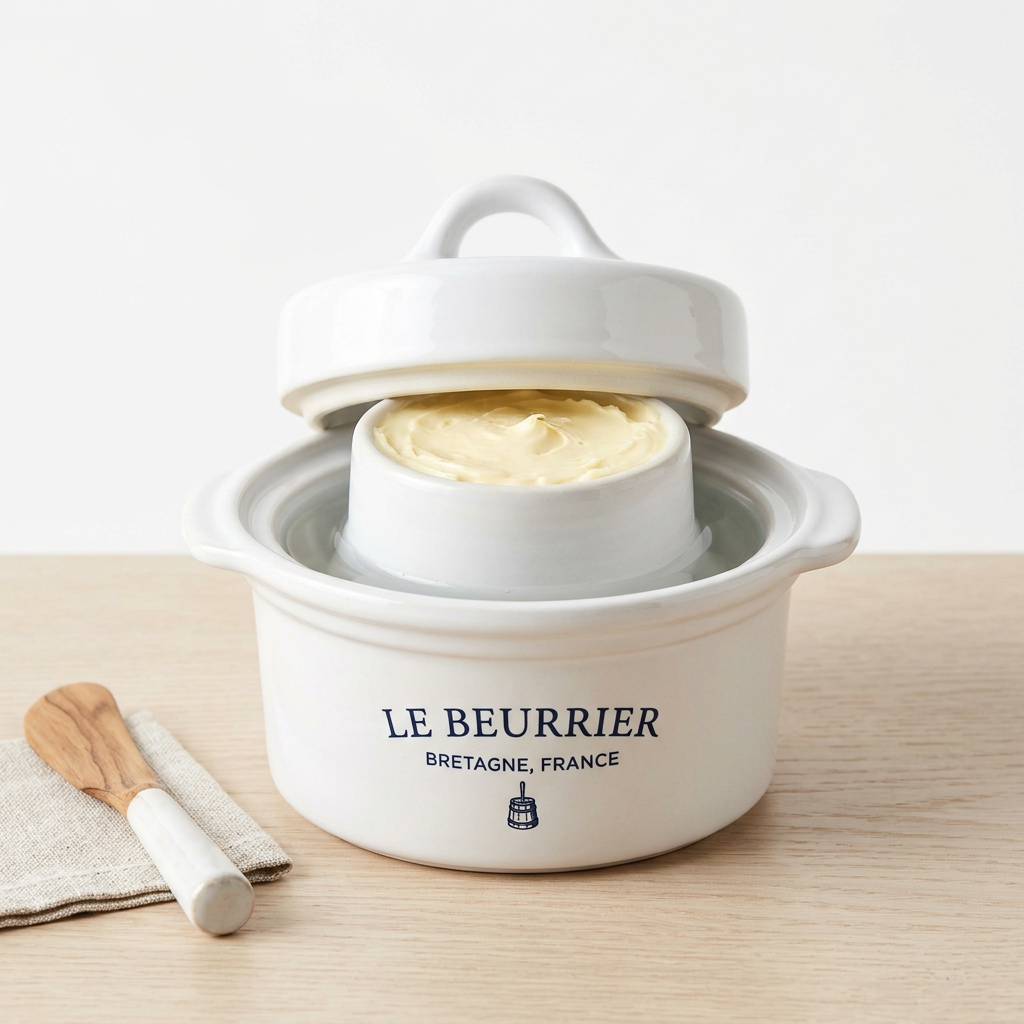
Clarified butter, or ghee, is the gold standard for adding a nutty, toasted richness to spirits like bourbon or aged rum. Because you have already removed the milk solids and water from the butter through the clarification process, you are left with pure butterfat, which acts as a clean slate for flavor transfer. This creates a base that pairs exquisitely with bitters, stone fruits, and warm spices, making it a perfect component for an autumn-inspired Old Fashioned.
Step-by-Step Clarification Process
To clarify your butter, place high-quality unsalted butter in a heavy-bottomed saucepan over low heat. Once it melts, do not stir it. You will see the white milk solids separate and sink to the bottom while the foam rises to the top. Carefully skim off the foam, then pour the golden liquid through a fine-mesh sieve lined with cheesecloth to remove the solids. You now have pure butterfat that is ready for infusion.
Ratio and Mixing
For a standard 750ml bottle of spirit, use roughly 2 to 3 ounces of clarified butter. This ratio ensures that the flavor is prominent but not overwhelming. Combine the room-temperature butter with the spirit in a glass jar, shake it vigorously to ensure maximum contact, and then seal the jar tight. Once the four-hour extraction period is complete, place the jar in the freezer overnight. The butter will solidify into a puck at the top, leaving the crystal-clear spirit underneath.
The Removal Technique
When removing the fat puck, perform the task quickly to prevent the fat from melting back into the spirit. Use a spoon to gently lift the edge of the fat and pour the liquid through a coffee filter. This final filtration step is essential for removing any microscopic particles of fat that could cause the spirit to go rancid or remain cloudy over time. Always store your finished spirit in a clean glass bottle in a cool, dark place.
The Versatility of Oil Infusions
While butter is classic, savory oil infusions open up a world of modernist mixology. Think beyond the dairy aisle—toasted sesame oil, extra virgin olive oil, and even duck fat can be used to create spirits that feel like an entire meal in a glass. These oils bring their own specific profiles: sesame offers a deep, earthy umami, olive oil provides a grassy, peppery finish, and duck fat adds a savory, gamey depth that is unmatched in a stirred drink.
Infusing with Toasted Sesame Oil
Toasted sesame oil is incredibly potent, so a little goes a long way. When working with this oil, use a ratio of only one tablespoon per 750ml of vodka or gin. The resulting spirit carries a warm, nutty aroma that makes for a transformative Bloody Mary or a savory Martini. Because sesame oil has such a high concentration of volatile oils, the freezing process is critical to ensure you get a clean separation.
Working with Duck Fat
Duck fat provides a luxurious, silky mouthfeel that is particularly effective when working with rye whiskey. If you are sourcing your own duck fat, ensure it is clean and rendered properly. If you are using store-bought, look for high-grade, filtered fat. The process remains the same as the butter wash, but the solidification time in the freezer may take a few hours longer due to the nature of the animal lipids compared to dairy fats.
Fat-washing is the bridge between the kitchen and the bar; it is the realization that the components of a great dish can—and should—inform the components of a great drink.
Advanced Filtration and Stabilization
Once you have mastered the basics of freezing and separating, you must consider the long-term stability of your creation. Any residual fat left in the spirit will eventually oxidize, leading to off-flavors. While filtration through a coffee filter is standard, sometimes you need to take it a step further if the spirit remains hazy or if you are working with particularly dense oils.
Using Agar-Agar for Clarification
If you are struggling to get a crystal-clear finish, consider using an agar-agar clarification. By dissolving a small amount of agar in hot water and whisking it into your spirit, you create a gel-like structure that traps the remaining fat particles as it sets. Once the mixture is set, you can pass it through a fine filter to separate the clear liquid from the trapped fats. This technique is often used in professional bars to achieve a "ghost-like" clarity in cocktails.
Managing Oxidation
Fat-washed spirits are generally shelf-stable for several months, but they are more susceptible to oxidation than their raw counterparts. Always store your infused spirits in airtight, opaque, or dark-tinted bottles. Keep them away from direct sunlight, which can catalyze the breakdown of lipids. If you notice the spirit taking on an "off" or metallic smell, it is a sign that the remaining fat has oxidized; in this case, it is best to discard the batch and start fresh.
Integrating Savory Cocktails into Your Menu
Now that you have your infused spirits, how do you use them? A common mistake is to treat a fat-washed spirit like a standard one. These spirits are rich, textured, and often possess a lower "perceived" alcohol bite. You should build your cocktails around the fat, focusing on ingredients that complement the savoriness rather than those that clash with it.
Pairing with Acids and Bitters
When building a drink with a butter-washed bourbon, avoid overly sweet liqueurs. Instead, reach for dry vermouths, amaro, or citrus juices that can cut through the richness of the lipids. A splash of lemon juice will act as a bright counterpoint to the velvet texture, while a high-quality walnut or chocolate bitter will pull out the toasted notes of the butter.
The "Velvet" Martini Concept
Consider a variation on the classic martini using an olive oil-washed gin. The oil replaces the need for a traditional olive garnish, as the essence of the olive is now integrated into the spirit itself. Serve this stir-chilled, garnished with a single lemon twist to highlight the aromatic brightness of the oil. The result is a martini that feels fuller, smoother, and more intentional than one made with a standard dry gin.
Troubleshooting Common Issues
Even the most experienced home cooks encounter hiccups in the fat-washing process. Perhaps the fat didn't separate cleanly, or the infusion tastes too thin. Most of these problems are easily corrected with a few simple adjustments to your environment or your timing. Understanding these nuances will separate you from the casual home bartender.
Why Your Spirit is Cloudy
Cloudiness is usually a sign of insufficient cooling. If your freezer is not cold enough, or if you removed the spirit from the cold environment before the fat fully solidified, you will end up with a cloudy mess. Always use a thermometer to check your freezer—it should be at or below 0°F. If you still see cloudiness, try a double-filtration method: first through a paper coffee filter, then through a wet cheesecloth to catch the finest sediment.
Flavor is Too Weak
If the infusion is too faint, your fat-to-spirit ratio is likely too low, or the spirit was too cold during the infusion process. Fat extraction is an endothermic process; the warmer the mixture, the better the flavor transfer. Try increasing the infusion time or slightly warming the fat (but not the spirit) before mixing. Remember, some fats, like coconut oil, are much more fragrant than others and require less volume to make an impact.
The Spirit Tastes Rancid
This is the most common reason for failure. If your starting fat is old, the resulting infusion will taste like old fat. Always use fresh, high-quality fats. Never reuse fat that has been previously used for frying, as it will contain impurities and charred bits that will ruin the taste of your expensive spirit. Always smell your fat before you infuse it; if it smells off, do not put it in your bottle.
A successful cocktail is a symphony of textures, and fat-washing provides the bass note that allows the other, more volatile flavors to sing.
Creating Your Own Signature Infusions
The beauty of this technique lies in its infinite customizability. Once you understand the core mechanics, you can begin to experiment with more exotic fats. Think of toasted nuts—macadamia nut oil, roasted hazelnut oil, or even peanut butter can create spirits that serve as the base for complex, dessert-inspired cocktails. The key is to keep a notebook and record your ratios, your timing, and your results.
Beyond Animal Fats
Don't be afraid to experiment with vegan fats. Coconut oil is a fantastic, accessible option that brings a tropical, creamy note to white rums. Avocado oil, while more subtle, provides a beautiful, buttery undertone that works wonders with silver tequila. As you explore these options, consider the smoking point and the natural flavor profile of the oil; an oil that smells great in the bottle will smell and taste great in the glass.
Keeping Records of Success
Create a simple log for your experiments. Note the date, the spirit brand, the fat type, the ratio of grams-to-milliliters, and the duration of the infusion. If you find a combination that works, you will want to recreate it exactly in the future. Culinary mastery is built upon the ability to replicate your successes, so treat your home bar like a professional lab.
* Always measure your fat using a kitchen scale rather than volume.
* Document the ambient temperature during the infusion process.
* Label every bottle with the date and the specific infusion used.
* Always filter your spirit twice to ensure longevity and clarity.
Final Thoughts
The journey into fat-washing is one of the most rewarding paths a home cook can take in the world of mixology. By mastering the interaction between alcohol and lipids, you are moving beyond simple recipes and into the realm of true craftsmanship. It requires a bit of patience, a steady hand, and a willingness to fail, but the result—a spirit that has been transformed into a velvety, aromatic masterpiece—is well worth the effort.
Remember that every great cocktail is a balance of science and art. Use these techniques not just as a set of rules, but as a framework for your own creative explorations. Whether you are butter-washing a premium bourbon for a rainy evening or sesame-washing a crisp gin for a summer gathering, the touch of a chef is what makes the experience memorable. Keep experimenting, keep tasting, and most importantly, keep blaming the chef when your guests ask how you possibly created something so sophisticated in your own kitchen. You have the tools, the technique, and the knowledge—now go forth and shake, stir, and infuse your way to a higher standard of home bartending. The art of the drink is in your hands, and the potential is truly limitless.
Get the Next Recipe
Weekly recipes, techniques, and gear picks — straight to your inbox.
