The Home Cook’s Guide to Fats: Understanding Smoke Points, Flavor Profiles, and Choosing the Right Oil for Every Technique
The world of cooking can sometimes feel like an intricate dance, a delicate balance of flavors, textures, and temperatures. At the heart of this dance, often unseen but undeniably crucial, lies the humble yet powerful ingredient: fat. From the subtle shimmer of olive oil in a salad dressing to the vigorous sizzle of butter browning in a pan, fats are the unsung heroes that transform raw ingredients into culinary masterpieces. They carry flavor, conduct heat, contribute to mouthfeel, and are essential for achieving that perfect golden crust or a lusciously tender crumb. Yet, for many home cooks, the sheer variety of fats available can be bewildering. Navigating the supermarket aisles, faced with rows of oils and butters, can lead to confusion: which one is best for sautéing, which for baking, and what on earth is a smoke point anyway?
Understanding the fundamental properties of different fats is not just for professional chefs; it's a gateway for home cooks to unlock a new level of culinary confidence and creativity. By demystifying concepts like smoke points, flavor profiles, and the unique functional properties of various fats, we can elevate our everyday cooking from routine to remarkable. This knowledge empowers us to make informed decisions, avoiding common pitfalls like burnt oil or bland baked goods, and instead, consistently achieving delicious results. Think of this as your personal culinary decoder ring, equipping you with the insights to choose the right fat for every dish, every technique, and every occasion.
In this comprehensive guide, we're going to embark on a journey through the fascinating world of cooking fats. We'll explore the science behind their behavior, delve into their diverse flavor characteristics, and provide practical advice on how to best utilize them in your kitchen. Whether you're a seasoned cook looking to refine your techniques or a beginner eager to build a solid foundation, this guide will equip you with the knowledge to harness the power of fats, ensuring your culinary endeavors are always a flavorful success. Get ready to transform your understanding and your cooking!
The Science of Sizzle: Understanding Smoke Points
The smoke point of a fat is arguably its most critical characteristic when it comes to cooking, especially at higher temperatures. In simple terms, it's the temperature at which a fat begins to break down and produce visible smoke. This breakdown isn't just unsightly; it signifies that the fat is degrading, releasing acrolein (a compound that causes that acrid, unpleasant smell) and other compounds that can impart a bitter, burnt flavor to your food. More importantly, when fats smoke, they can form free radicals and other potentially harmful compounds. Therefore, using a fat at or above its smoke point is a recipe for disaster, both in terms of taste and potentially for your health.
Different fats have vastly different smoke points due to their chemical composition, primarily the types and saturation of their fatty acids. Fats with a higher proportion of saturated and monounsaturated fatty acids tend to be more stable and have higher smoke points. Conversely, fats rich in polyunsaturated fatty acids are less stable and break down more easily, resulting in lower smoke points. For example, a highly refined vegetable oil like canola or grapeseed oil, with a relatively neutral flavor and a high proportion of monounsaturated and polyunsaturated fats, often has a high smoke point, making it versatile for many cooking methods. On the other hand, unrefined oils, like extra virgin olive oil, retain more natural compounds that contribute to flavor and antioxidants, but these also make them more susceptible to breaking down at lower temperatures.
"Choosing the right fat for your cooking temperature isn't just about flavor; it's about preventing your food from tasting like burnt toast and ensuring your oils perform optimally."
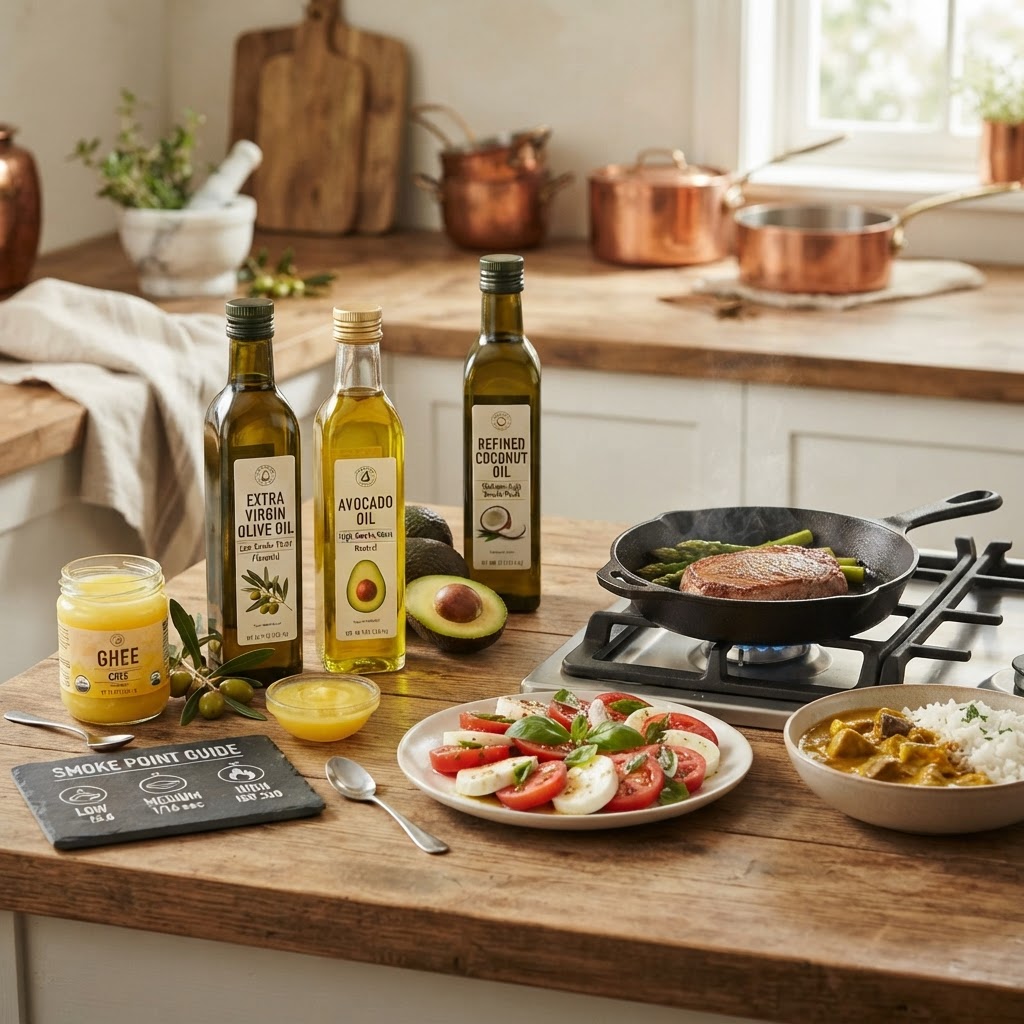
Knowing your smoke points allows you to select the appropriate fat for specific cooking techniques. For high-heat searing, frying, or deep-frying, you need an oil with a high smoke point that can withstand temperatures of 400°F (204°C) and above without breaking down. Think of oils like peanut oil, safflower oil, or refined avocado oil. For medium-heat sautéing or roasting, fats with moderate smoke points like canola oil, sunflower oil, or light olive oil are excellent choices. And for low-heat cooking, finishing dishes, or salad dressings, where delicate flavors are paramount and high heat is not involved, extra virgin olive oil, flaxseed oil, or butter (used carefully) can be employed.
Factors Influencing Smoke Point
While a fat has an inherent smoke point, several factors can influence it in practical cooking scenarios. Refinement is a key one; highly refined oils undergo processes that remove impurities, free fatty acids, and other compounds that can lower the smoke point. This is why "refined" versions of oils (like refined avocado oil or refined coconut oil) generally have higher smoke points than their "unrefined" or "virgin" counterparts. Age and storage also play a role. Fats exposed to light, air, and heat over time can degrade, lowering their smoke point and developing off-flavors. It’s always best to store oils in a cool, dark place and to use them within their recommended shelf life.
Furthermore, the presence of food particles in cooking oil can also lower its effective smoke point. When you fry something, small bits of food can remain in the oil, and these particles will burn at lower temperatures than the oil itself, creating smoke and off-flavors. This is why it's important to strain and filter cooking oils after use if you plan to reuse them for high-heat applications, and to always start with fresh oil for critical dishes.
Understanding the Scale: A Practical Guide to Smoke Points
To help you visualize, here's a general guide to the smoke points of common cooking fats. Remember, these are approximate and can vary slightly based on the specific brand and processing.
Unrefined Oils (Lower Smoke Points, High Flavor)*
Extra Virgin Olive Oil:* 325-375°F (163-190°C) - Best for dressings, finishing, low-heat sautéing.
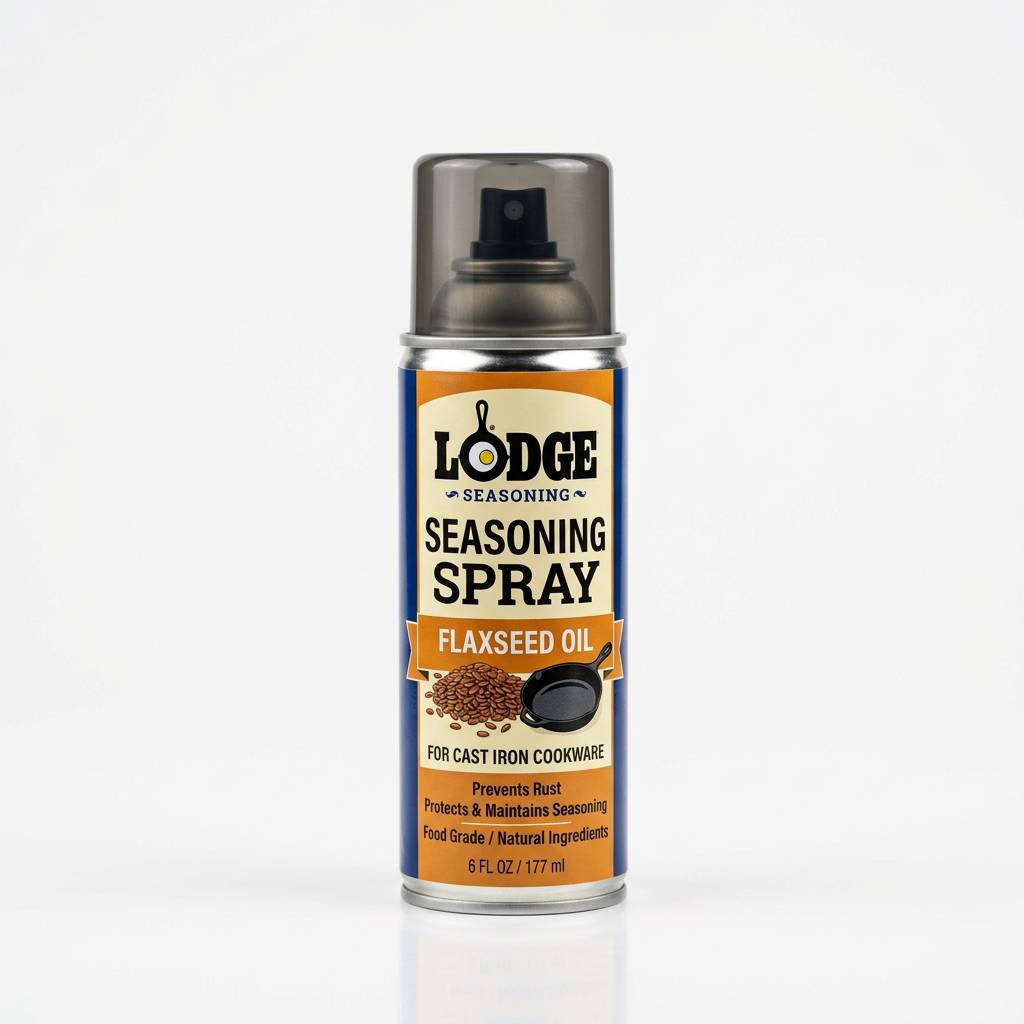
Flaxseed Oil:* 225°F (107°C) - For dressings and finishing only; very delicate.
Unrefined Coconut Oil:* 300-350°F (149-177°C) - Versatile for medium-heat cooking and baking.
Walnut Oil:* 320°F (160°C) - For dressings and finishing.
Refined Oils (Higher Smoke Points, Milder Flavor)*
Canola Oil:* 400-450°F (204-232°C) - All-purpose, good for sautéing, baking, light frying.
Vegetable Oil (Soybean/Corn blend):* 400-450°F (204-232°C) - Similar to canola.
Grapeseed Oil:* 420°F (216°C) - Excellent for sautéing and frying due to neutral flavor.
Sunflower Oil (Refined):* 450°F (232°C) - Good for high-heat applications.
Peanut Oil (Refined):* 450°F (232°C) - Ideal for deep-frying and stir-frying.
Avocado Oil (Refined):* 500-520°F (260-271°C) - The highest smoke point oil, superb for searing and frying.
Other Fats*
Butter: 302°F (150°C) - Prone to burning due to milk solids. Clarified butter (ghee)* has a much higher smoke point (around 450°F/232°C).
Lard:* 370°F (188°C) - Traditional, good for frying and baking.
Shortening:* 360-370°F (182-188°C) - Stable for baking and frying.
The Symphony of Flavors: Exploring Fat's Role in Taste
Fats are not just about their physical properties; they are also incredible flavor carriers. They can absorb and retain aromatic compounds from other ingredients, and they have a unique ability to coat our taste buds, enhancing and prolonging the perception of flavor. This is why many dishes simply wouldn't be the same without the richness and depth that fat provides. A lean steak, while flavorful, gains immense succulence and a richer, more complex taste when cooked with butter or seared in its own rendered fat. Similarly, the subtle nuttiness of toasted sesame oil in an Asian stir-fry or the fruity notes of a high-quality extra virgin olive oil in a Caprese salad are essential to the dish's identity.
The flavor profile of a fat is directly linked to its source and how it's processed. Animal fats like butter, lard, and bacon fat often bring a savory, rich, and sometimes distinct meaty or smoky character to food. Butter, with its dairy notes, can range from sweet and creamy to nutty and browned, depending on how it's cooked. Lard offers a pure, clean pork flavor that’s fantastic for pie crusts and fried chicken. Vegetable oils, on the other hand, can range from virtually flavorless to intensely aromatic. Highly refined oils like canola or grapeseed oil are prized for their neutrality, allowing the flavors of the food itself to shine. Unrefined oils, however, are packed with character. Extra virgin olive oil can be peppery, grassy, fruity, or even bitter. Coconut oil has a distinct tropical sweetness, and walnut oil imparts a rich, nutty essence.
"Fats don't just conduct heat; they conduct flavor. A good fat can amplify, meld, and carry the very essence of a dish."
When selecting a fat, consider what role you want its flavor to play. Do you want it to be a subtle background player, enhancing the primary ingredients without imposing its own taste? In that case, a neutral oil like canola, grapeseed, or refined avocado oil is your best bet. Or do you want the fat itself to be a star, contributing a distinct and delicious flavor? Then reach for extra virgin olive oil for a Mediterranean flair, sesame oil for an Asian touch, or even browned butter for a nutty depth in your cookies or sauces. This conscious choice in fat can dramatically alter the final taste of your dish.
The Magic of Flavor Infusion
Fats are also key to flavor infusion. When you gently heat aromatics like garlic, ginger, chilies, or herbs in a fat, their volatile flavor compounds dissolve into the fat. This process, often called blooming or tempering, releases their full aromatic potential and allows them to be evenly distributed throughout the dish. Imagine sautéing minced garlic in olive oil until it's fragrant – that fragrant oil then coats every other ingredient in the pan. This is a fundamental technique in cuisines worldwide, from the soffritto base in Italian cooking to the curry paste blooming in oil in Indian and Thai dishes.
Even in baking, the fat contributes to flavor. Butter, for instance, not only adds richness and tenderness to cakes and cookies but also develops complex, toasty flavors when creamed with sugar or browned. The choice of fat can therefore significantly impact the overall taste experience, turning a simple cake into an aromatic delight or a batch of cookies into a deeply satisfying treat.
Choosing the Right Fat for Every Cooking Technique
The functional properties of fats extend beyond just smoke points and flavor. They are essential for a variety of cooking techniques, each requiring specific characteristics. Understanding these nuances will help you achieve the desired texture and outcome for every dish you prepare.
Searing and High-Heat Cooking
For searing steaks, pan-frying chicken cutlets, or stir-frying vegetables, you need a fat that can withstand high temperatures without breaking down. This means a high smoke point is paramount.
Best Choices:* Refined avocado oil, peanut oil, grapeseed oil, safflower oil, or even clarified butter (ghee).
Technique: Heat the pan until shimmering (but not smoking). Add your chosen fat. Once the fat is hot (a drop of water should sizzle instantly), add your food. The high heat and the fat's ability to conduct it efficiently will create a beautiful Maillard reaction*, resulting in a browned, flavorful crust.
Chef's Tip:* Don't overcrowd the pan! This lowers the temperature and causes food to steam rather than sear, leading to a grey, unappealing surface. Use enough fat to lightly coat the bottom of the pan, and add more if needed. For even cooking, sear in batches.
Sautéing and Pan-Frying (Medium Heat)
Sautéing involves cooking food quickly in a moderate amount of fat over medium-high heat, while pan-frying uses a bit more fat and slightly lower heat for a more even cook.
Best Choices:* Canola oil, vegetable oil, light olive oil, sunflower oil, or even a blend of butter and oil. Using butter alone can lead to burning due to its milk solids, but a 50/50 blend with a high smoke point oil gives you the flavor of butter with added stability.
Technique:* Heat the fat over medium-high heat until it shimmers. Add your ingredients and cook, stirring or flipping occasionally, until they are tender and nicely browned.
Pro Tip:* For sautéed vegetables, consider adding them in stages according to their cooking time. Root vegetables might go in first, followed by softer vegetables like bell peppers and then delicate greens.
Roasting
Roasting involves cooking food in an oven, usually with dry heat. Fat is crucial here for browning, preventing sticking, and adding moisture.
Best Choices:* Olive oil (extra virgin for vegetables, lighter olive oil for meats), canola oil, or melted animal fats like lard or duck fat for richer flavor.
Technique:* Toss vegetables or meats with enough fat to lightly coat them. Spread them in a single layer on a baking sheet or roasting pan. The fat helps conduct the oven's heat, promoting even browning and creating crispy edges.
Baking Tip:* For roasted vegetables, ensure they aren't too crowded. This allows hot air to circulate, promoting crispness. If using herbs and spices, toss them with the fat before coating the food for maximum flavor distribution.
Baking
In baking, fats play a dual role: they tenderize baked goods by coating flour proteins (gluten) and preventing them from developing too much, and they contribute significantly to flavor and texture.
Best Choices:*
Butter:* Provides rich flavor, tenderness, and contributes to browning. Its water content affects texture (e.g., crisper cookies vs. softer cakes).
Shortening:* A solid fat, often hydrogenated vegetable oil, that creates very tender and flaky baked goods due to its high plasticity and lack of water. It's flavorless, so flavor comes from other ingredients.
Lard:* Excellent for flaky pastries like pie crusts and biscuits, providing a unique savory richness.
Oils (Vegetable, Canola, Coconut):* Tend to create moister, cake-like textures in baked goods because they are liquid at room temperature and coat flour more effectively, inhibiting gluten development.
Technique: The method of incorporating fat is critical. Creaming butter and sugar incorporates air, leading to lighter cakes. Cutting cold fat into flour (for pie crusts and biscuits) creates flaky layers. Melting fat* (for muffins and quick breads) results in a denser, moister crumb.
Baking Secret:* The temperature of your fat is as important as the type. For flaky pastries, cold butter is essential. For tender cakes, room temperature butter for creaming is key. For moist muffins, melted oil or butter is typical.
"In baking, fat is not just an ingredient; it's a structural engineer. It dictates tenderness, flakiness, and moisture."
Salad Dressings and Marinades
For applications where no heat is involved, the flavor and emulsifying properties of fats are paramount.
Best Choices:* Extra virgin olive oil, avocado oil, walnut oil, flaxseed oil, sesame oil.
Technique:* A classic vinaigrette is an emulsion of oil and an acidic liquid (like vinegar or lemon juice), usually in a 3:1 ratio of oil to acid. Whisking vigorously or using an immersion blender helps to break the oil into tiny droplets and suspend them in the acid. For marinades, the fat helps to carry flavor compounds from herbs, spices, and aromatics into the food.
Flavor Tip:* Don't be afraid to experiment! Infuse oils with garlic, chili, or herbs by gently warming them and letting them steep. Use toasted oils like sesame or walnut for a more intense nutty flavor.
The Marvels of Butter: More Than Just a Spread
Butter is one of the most beloved and versatile fats in the kitchen, prized for its rich flavor and ability to transform dishes. Made from churned cream, it contains about 80-82% butterfat, with the remainder being water and milk solids. This composition makes it wonderful for both cooking and baking, but also susceptible to burning at higher temperatures.
Butter vs. Clarified Butter (Ghee)
The main drawback of using butter for high-heat cooking is its milk solids, which contain proteins and sugars that scorch easily. When you heat butter past about 302°F (150°C), these solids begin to darken and burn, imparting an acrid taste. This is where clarified butter, or ghee (which is cooked slightly longer to remove all water and milk solids), becomes a superhero.
Clarifying Butter:* Melt unsalted butter gently over low heat. Skim off the white foam that rises to the surface (this is the milk solids). Carefully pour off the clear golden liquid fat, leaving the browned milk solids at the bottom of the pan.
Benefits of Clarified Butter:* It has a much higher smoke point (around 450°F/232°C), making it excellent for searing, frying, and sautéing without burning. It also has a pure, rich butter flavor without the risk of scorching.
Ghee:* If you continue to cook the butter even after clarifying, the milk solids at the bottom will brown. Once cooled and strained, this is ghee, which has a nutty, richer flavor than clarified butter and an even higher smoke point, often exceeding 485°F (252°C). It's a staple in Indian cuisine.
Browning Butter (Beurre Noisette)
Browning butter, or beurre noisette (French for "nutty butter"), is a magical transformation that unlocks an incredible depth of flavor. As butter melts and the water evaporates, the milk solids begin to toast in the remaining fat, turning from pale gold to a rich amber color and developing a delightful nutty, toasty aroma.
Technique:* Melt unsalted butter in a light-colored saucepan over medium heat. Swirl the pan occasionally. As the water evaporates, the butter will start to foam. Continue to cook, watching carefully, as the milk solids at the bottom turn golden brown and the butter takes on a nutty fragrance. This typically takes 5-8 minutes.
Uses:* Browned butter is incredible in cookies, cakes, financiers, madeleines, and sauces. It adds a complex, sophisticated flavor that is simply irresistible.
Caution:* Browning happens quickly! Once you see those golden-brown specks and smell the nutty aroma, immediately remove the pan from the heat or plunge the bottom into an ice bath to stop the cooking process.
The Versatility of Animal Fats: Lard, Tallow, and Duck Fat
While vegetable oils and butter often dominate modern kitchens, animal fats offer unique flavors and textures that are hard to replicate. Properly rendered and used, they are culinary treasures.
Lard: The Flaky Fat
Lard, rendered pork fat, has been a staple in kitchens for centuries, particularly prized for its role in creating incredibly flaky pastries and for frying.
Flavor:* Good quality lard has a clean, neutral to slightly savory pork flavor. Highly refined lard is virtually flavorless.
Functionality:* Lard has a unique crystalline structure that, when kept cold and worked into flour (as in pie crusts and biscuits), creates distinct layers of fat and dough. As it bakes, the water in the dough turns to steam, pushing apart these layers and creating incredible flakiness. Its smoke point is moderate, around 370°F (188°C), making it suitable for pan-frying and general cooking.
Chef's Tip: For the flakiest pie crusts, use leaf lard*, which is the highest grade rendered from around the pig's kidneys. It's the most neutral and produces the most tender and flaky results.
Tallow: Richness and Rendition
Tallow is rendered beef or mutton fat. It has a more robust, savory flavor than lard and is highly stable.
Flavor:* Can range from relatively neutral to distinctly beefy, depending on the source and rendering process.
Functionality: Tallow has a relatively high smoke point (around 400°F/204°C) and is excellent for roasting (think of roast potatoes cooked in beef drippings) and deep-frying*. It adds a rich, savory depth to dishes. It's also used in some traditional baking recipes, like suet puddings.
Pro Tip:* If you roast beef, save the rendered fat! It’s liquid gold for making incredibly flavorful roast potatoes or adding richness to gravies.
Duck Fat: The Gourmet Choice
Duck fat is a luxurious fat that imparts a distinct, rich, and slightly savory flavor. It's particularly famous for its use in rendering duck confit and for making incredibly crispy roasted potatoes.
Flavor:* Rich, slightly sweet, and savory. It has a distinct character that pairs beautifully with poultry and root vegetables.
Functionality:* Duck fat has a smoke point around 375°F (190°C), making it versatile for roasting and pan-frying. Its richness and unique flavor profile make it a gourmet choice for elevating everyday dishes.
Culinary Application:* Roast potatoes in duck fat are legendary for their crispy exterior and tender, flavorful interior. It's also used to make duck confit, where duck legs are slow-cooked in their own rendered fat until meltingly tender.
Emulsions and Emulsifiers: Binding Oil and Water
Many delicious things in cooking are emulsions, which are mixtures of two liquids that don't normally mix, like oil and water (or vinegar). Think of salad dressings, mayonnaise, hollandaise sauce, and even creamy pan sauces. Creating a stable emulsion requires a bit of science and the help of emulsifiers.
What Are Emulsifiers?
Emulsifiers are molecules that have both a water-attracting (hydrophilic) end and an oil-attracting (lipophilic) end. They act as a bridge, allowing oil and water to blend together and stay suspended.
Natural Emulsifiers in Foods:*
Egg Yolks:* The lecithin in egg yolks is a powerful emulsifier, making them the foundation of mayonnaise and hollandaise sauce.
Mustard:* Contains emulsifying compounds that help stabilize vinaigrettes.
Honey/Syrup:* The natural gums and proteins in these can help stabilize emulsions.
Milk/Cream:* Contain lecithin and proteins that aid emulsification.
Avocado:* The fats and proteins within avocado can help emulsify.
Creating Stable Emulsions
The key to a stable emulsion is breaking one liquid into very small droplets and dispersing them within the other, while the emulsifier keeps them from separating.
Vinaigrettes: The classic 3:1 oil-to-acid ratio* is a good starting point. Whisk vigorously or use an immersion blender to break the oil into tiny droplets. A pinch of Dijon mustard or a bit of honey will help keep it from separating too quickly.
Mayonnaise:* This is a high-fat emulsion made by slowly drizzling oil into egg yolks and acid (like lemon juice or vinegar) while whisking or blending constantly. Adding the oil very slowly, especially at the beginning, is crucial to allow the emulsifier to work.
Sauces (e.g., Pan Sauces, Hollandaise):* After deglazing a pan, whisk in a bit of liquid (stock, wine). To make it richer and creamier, you can whisk in a knob of cold butter off the heat. The butterfat emulsifies into the liquid, creating a smooth, glossy sauce. For hollandaise, whisked egg yolks are emulsified with melted butter.
"An emulsion is a delicate dance between oil and water, guided by the magic of an emulsifier. Master this, and you unlock a world of creamy sauces and luscious dressings."
Troubleshooting Emulsions
What happens when your emulsion breaks (i.e., the oil and water separate)? Don't despair!
For Vinaigrettes:* If it separates, simply whisk vigorously again. If it’s very stubborn, add a tiny bit more mustard or honey and whisk to re-emulsify.
For Mayonnaise/Hollandaise:* If it breaks, start with a fresh egg yolk (or a tablespoon of water/mustard) in a clean bowl. Very slowly, a drop at a time, whisk the broken emulsion into the new yolk/water until it starts to come back together. Then, continue adding the rest of the broken emulsion very gradually, as you would have added the oil initially.
The Health and Nuance of Cooking Oils
Beyond their culinary roles, cooking oils also have nutritional profiles that are worth considering. Fats are an essential part of a healthy diet, providing energy, aiding in the absorption of fat-soluble vitamins (A, D, E, K), and playing vital roles in cell function. The type of fat you consume can have different health implications.
Saturated, Unsaturated, and Trans Fats
Saturated Fats:* Primarily found in animal products (butter, lard, meat fat) and some tropical oils (coconut oil, palm oil). They are solid at room temperature. While historically viewed negatively, recent research suggests moderate consumption of saturated fats from whole food sources can be part of a balanced diet for many.
Unsaturated Fats:*
Monounsaturated Fats (MUFAs):* Found in olive oil, avocado oil, nuts (almonds, cashews), and seeds. They are generally considered heart-healthy and are liquid at room temperature.
Polyunsaturated Fats (PUFAs):* Found in vegetable oils like soybean, corn, and sunflower oil, as well as fatty fish (omega-3s) and walnuts (omega-3s). They are also liquid at room temperature. Essential fatty acids (like omega-3 and omega-6) are PUFAs that the body cannot produce.
Trans Fats: Primarily created through a process called hydrogenation, which makes liquid oils more solid and stable. These are widely considered unhealthy, linked to increased risk of heart disease, and are being phased out of many food products. Naturally occurring trans fats* in small amounts in animal products are not thought to have the same negative effects.
The Importance of Omega-3 and Omega-6 Fatty Acids
Our bodies need a balance of omega-3 and omega-6 fatty acids, both of which are polyunsaturated.
Omega-3 Fatty Acids: Known for their anti-inflammatory properties. Good sources include fatty fish (salmon, mackerel, sardines), flaxseeds, chia seeds, and walnuts. Flaxseed oil and fish oil* are concentrated sources.
Omega-6 Fatty Acids:* Also essential, but most Western diets tend to have an excessive intake of omega-6s, often from processed foods and oils like corn and soybean oil, relative to omega-3s. While necessary, an imbalanced ratio can potentially promote inflammation.
Choosing Oils for Health and Flavor
When making your selection, consider both culinary needs and nutritional goals.
For everyday cooking and good all-around health: Olive oil (especially extra virgin for its antioxidants and MUFAs) is a fantastic choice. Avocado oil* is also excellent, offering high MUFAs and a high smoke point.
For baking and where neutral flavor is needed: Canola oil* is a common choice, offering a good balance of MUFAs and PUFAs.
For Omega-3 intake: Incorporate flaxseed oil (use in dressings or smoothies, do not heat), chia seeds, flaxseeds, and fatty fish* into your diet.
Avoid:* Highly processed vegetable oils that are primarily omega-6 and often found in processed snacks and fried foods, unless they are part of a balanced meal. Minimizing intake of hydrogenated oils (trans fats) is also a key health goal.
Final Thoughts
Navigating the world of culinary fats might seem complex at first, but by understanding a few key principles – smoke points, flavor profiles, and functional properties – you can elevate your cooking with confidence and creativity. Fats are not merely cooking mediums; they are flavor enhancers, texture modifiers, and essential components of a delicious and satisfying meal. Whether you’re searing a steak to perfection, baking a tender cake, or whisking together a vibrant salad dressing, the right fat choice makes all the difference.
Don't be afraid to experiment! Keep a well-stocked pantry with a few essential oils and fats – perhaps an extra virgin olive oil for dressings and low-heat cooking, a neutral high-smoke point oil like canola or avocado for everyday sautéing and frying, and some butter for baking and finishing. Explore the unique qualities of animal fats like lard or duck fat for special occasions. Pay attention to how each fat behaves and how it impacts the final dish. With this knowledge, you’ll move beyond simply following recipes to truly understanding the 'why' behind them, allowing you to adapt, improvise, and ultimately, cook with greater skill and enjoyment. So, go forth and embrace the power of fat – your taste buds will thank you!
Get the Next Recipe
Weekly recipes, techniques, and gear picks — straight to your inbox.
