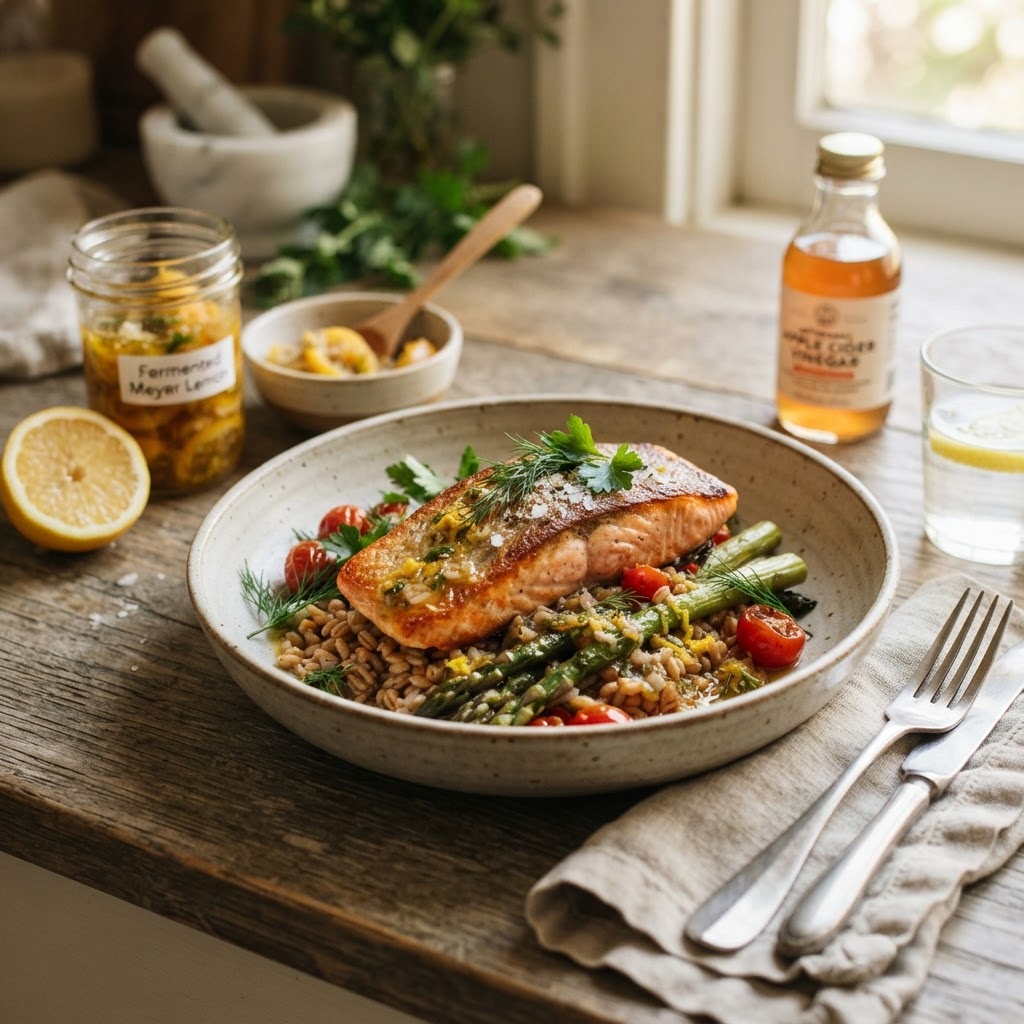
The Home Cook’s Guide to Fermentation Acids: Mastering Vinegar and Citrus Paring for Perfect Flavor Balance
In the modern home kitchen, we often obsess over the application of heat. We learn how to sear a scallop, roast a chicken to golden perfection, or temper chocolate until it gleams. Yet, the most profound transformation in a dish rarely happens on the stovetop; it happens in the balancing act of acidity. When a plate feels "heavy" or "flat," the amateur reaches for more salt, but the seasoned professional reaches for the fermentation acids and citrus. Mastering the delicate interplay between pH levels and palate receptors is the singular secret that elevates a home-cooked meal to restaurant quality.
Fermentation is not merely a method of preservation; it is a sophisticated chemical process that breathes life into mundane ingredients. By allowing time and microorganisms to work their magic, we generate complex, nuanced acids—lactic, acetic, and succinic—that interact with fats and proteins in ways that simple table vinegar cannot replicate. When we talk about "brightening" a dish, we are discussing the scientific stimulation of the salivary glands, which primes the palate for the next bite. Understanding the architecture of these acids allows you to build layers of flavor that feel intentional, harmonious, and deeply satisfying.
This guide is designed to move you beyond the "squeeze of lemon" mentality and into a realm of intentional seasoning. We will explore the chemistry of vinegars, the nuance of lacto-fermentation, and the strategic pairing of citrus to manipulate the perception of sweetness and fat. Whether you are crafting a simple vinaigrette or tackling a long-term pickle, the goal remains the same: achieving that elusive, perfect flavor balance. Prepare to change the way you taste, season, and perceive the components of your culinary creations.
The Chemistry of Acid: Why Your Palate Needs Balance
At its core, acid acts as the structural foundation of a dish. It cuts through the rich, coating nature of lipids, effectively "resetting" the tongue so that the savoriness of the next bite feels just as vibrant as the first. When you bite into a piece of roasted pork belly or a rich pasta carbonara, your tongue is coated in oils that can mask the delicate nuances of herbs or aromatics. An acidic agent acts as a surfactant, stripping away that lingering fat and clearing the path for the brain to register the complex flavor profile of the dish once again.
However, the type of acid you introduce changes the "shape" of the flavor. Acetic acid, the primary component in distilled white vinegar, is sharp, aggressive, and linear; it hits the front of the tongue and dissipates quickly. Lactic acid, by contrast, is rounded, milky, and persistent; it creates a depth that feels native to the food itself. By selecting the right acid for the right application, you control how the diner experiences the food, whether you want a sharp, immediate shock to the senses or a lingering, elegant finish that rounds out a hearty stew.
"Acid is the light switch of the culinary world. Without it, your food is simply sitting in the dark, waiting for the flavor to be turned on."
Understanding pH and Intensity
The intensity of an acid is measured by its pH level, but in the kitchen, we perceive it through a combination of titratable acidity and the presence of other flavor compounds. A 5% acidity vinegar might be functionally the same across different brands, but the "flavor load"—the tannins in a balsamic, the fruitiness in an apple cider vinegar, or the floral notes in a champagne vinegar—changes how that acid interacts with the dish. Always taste your acid source on its own before adding it to your sauce or marinade to ensure it complements the base ingredients.
The Role of Fermentation
Lacto-fermentation is perhaps the most powerful tool in the home cook’s arsenal. By creating an environment where Lactobacillus bacteria can thrive—typically through a 2% to 3% salt concentration relative to the weight of the vegetables—you produce a complex, tangy acid that pairs perfectly with almost anything. Unlike vinegar, which is an external addition, lacto-fermented ingredients bring their own cellular breakdown products to the party, adding a "funky" complexity that vinegar simply cannot provide.
Vinegar Mastery: Beyond the White Distilled Bottle
Many home cooks are stuck in a cycle of using only one or two types of vinegar, typically white distilled or balsamic. This is a missed opportunity. Your pantry should be treated like a spice rack, filled with a diverse array of acids that vary in intensity and origin. Sherry vinegar, for instance, possesses a nuttiness and depth that makes it the superior choice for chicken pan sauces and sautéed mushrooms, while rice vinegar offers a delicate, clean sharpness that is essential for raw fish and crisp, cold salads.
When working with vinegar, the technique of reduction is vital. When you simmer a vinegar-based sauce, you are not just thickening the liquid; you are concentrating the acidic compounds and mellowing the sharpest edges of the acetic acid. This turns a biting liquid into a syrupy, concentrated flavor bomb. Always add your vinegar in stages: a splash during the initial sauté for deglazing, and a final adjustment at the end of the cooking process to "wake up" the finished dish.
Stocking Your Vinegar Pantry
Aged Balsamic:* Use for finishing, not cooking. Its sweetness is destroyed by high heat.
Champagne Vinegar:* The most versatile, elegant acid for delicate vinaigrettes.
Red Wine Vinegar:* Ideal for hearty stews, beef, and robust bean dishes.
Rice Vinegar (Unseasoned):* Essential for Asian-inspired marinades and quick pickles.
Apple Cider Vinegar:* Provides a fruity, earthy tang that stands up well to pork and heavy root vegetables.
The Art of the Vinaigrette
A perfect vinaigrette is a study in stable emulsification. The standard ratio is 3 parts oil to 1 part acid, but in the modern kitchen, we often lean closer to 2:1 to ensure the acidity is prominent. To build a robust emulsion, start by dissolving your salt and aromatics—minced shallots, mustard, or honey—directly into the vinegar. Only once the salt has dissolved should you slowly whisk in your oil, drop by drop, to create a stable, creamy suspension that will cling to every leaf of lettuce.
The Citrus Spectrum: Strategic Paring for Brightness
Citrus is the primary source of citric acid in the home kitchen, but not all citrus is created equal. The bright, high-pitched acidity of a Meyer lemon is vastly different from the deep, floral complexity of a blood orange or the intense, slightly bitter punch of a lime. When you are looking to balance a dish, consider the "pitch" of the acid. High-pitched acids (lemon, yuzu, lime) cut through salt and fat with precision, while lower-pitched acids (orange, tangerine) add sweetness and complexity alongside the acid.
One professional chef secret is the use of the citrus zest. While the juice contains the acid, the zest contains the essential oils. By incorporating both into a recipe, you gain both the chemical adjustment of the pH (the juice) and the aromatic experience of the fruit (the zest). When grating citrus, ensure you stop before hitting the white, bitter pith, as this can introduce an unpleasant tannic quality that disrupts the balance you are working so hard to achieve.
"The difference between a good dish and a great dish is often the difference between a squeeze of bottled juice and the fresh, aromatic zest of a ripe citrus fruit."
Zesting and Juicing Techniques
Balancing with Sweetness
Citrus is frequently used to highlight natural sugars in ingredients. Think of a charred carrot dish; the sweetness of the carrot is enhanced when met with the sharp acid of lemon juice. The contrast creates a "pop" that makes the sweetness seem more intense. When a dish feels like it is missing "something," try adding a squeeze of citrus and a tiny pinch of salt simultaneously. Often, it is not more spice that is needed, but the activation of the ingredients you already have on the plate.
Lacto-Fermentation: The Home Cook’s Secret Weapon
If you want to move from "home cook" to "culinary artist," you must begin experimenting with lacto-fermentation. The process is simple: take a vegetable, add 2% to 3% of its weight in salt, pack it into a jar, and keep it submerged in its own juices. Over the course of a week at room temperature, the natural bacteria on the surface of the vegetable will convert the sugars into lactic acid. The result is a crunch, a tang, and a complexity that will leave your guests asking, "What is that special ingredient?"
This technique works for almost any vegetable. Green beans, cauliflower, carrots, and even chili peppers for hot sauce can be fermented. The key is to keep the environment anaerobic—meaning no air can reach the vegetables. If oxygen reaches the brine, unwanted molds can grow. Use a glass weight or a dedicated fermentation kit to keep your produce submerged, and store your jars in a cool, dark place. The "funk" that develops is the hallmark of professional-grade pantry items.
The 3% Brine Rule
To ensure safety and flavor, follow the weight-based approach. If you have 500 grams of sliced carrots, you need 15 grams of salt (3%). Mix the salt thoroughly with the vegetables and let them sit for 30 minutes until they release their own brine. Pack them tightly into your jar, ensuring the brine covers the vegetables entirely. If the vegetables don't produce enough liquid, add a 3% saltwater solution (3 grams of salt per 100 grams of water) to the jar until submerged.
Timing for Depth
3-5 days:* Light fermentation. Good for crisp salads and quick pickles.
1-2 weeks:* Medium fermentation. Developing "sour" notes and deeper complexity.
4+ weeks:* Deep fermentation. Used for pastes, hot sauces, and long-term preservation.
Advanced Flavor Balancing: The "Acid-Fat-Salt" Triangle
The most important takeaway for any cook is that no single element can carry a dish on its own. The Acid-Fat-Salt triangle is the rule of thumb for every recipe. If you have fat (butter, oil, cream, meat drippings), you must have acid to cut it. If you have acid, you must have fat to mellow it. And salt, the great integrator, acts as the bridge that connects the two. If a dish is technically correct but tastes "flat," you are almost certainly missing the acid component.
Consider a classic pan sauce. You have the fat (rendered butter or oil), the aromatics (shallots, garlic), and the fond (the browned bits on the bottom of the pan). When you deglaze with wine or vinegar, you are essentially introducing the acid that unlocks all the other flavors. If you don't deglaze, you have separate, competing elements. If you deglaze but don't finish with a knob of cold butter (the fat), the sauce will be too sharp. It is the marriage of these two that creates the velvety, balanced mouthfeel we crave.
"A chef's palate is not a static instrument; it is a dynamic judge that must be constantly recalibrated. When in doubt, taste the sauce, add acid, and taste again."
The "Spoon Test" for Balance
To test if a dish is properly balanced, take a spoonful and eat it slowly. Ask yourself three questions:
Fixing Over-Acidic Dishes
Sometimes, we over-zealously add vinegar or citrus. Don't panic. You can temper excess acidity in three ways:
Sweetness:* A tiny touch of honey or maple syrup can mask sharp acetic notes.
Fats:* Add more dairy (cream, butter) to coat the palate and neutralize the sensation of acid.
Dilution/Bulk:* If it's a sauce, add more base liquid or vegetables to spread the acidity across a larger volume.
Mastering Texture Through Acidification
Acid is not just about flavor; it is also about structure. In the world of proteins, acids can be used to "cook" or tenderize. A ceviche, for example, uses the citric acid of lime juice to denature the proteins in raw fish, effectively "cooking" the meat without the application of heat. This process creates a texture that is firm yet delicate—a feat impossible to achieve with a grill or oven. However, timing is everything. Leave fish in acid too long, and it becomes mushy and dry.
In tougher cuts of meat, such as brisket or lamb shoulder, acids (especially those from dairy or vinegar-based marinades) help to break down collagen over long, slow cooking times. While heat does the heavy lifting, the presence of acid ensures that the meat remains tender rather than stringy. Using yogurt-based marinades is a classic Indian technique that exploits the lactic acid in the yogurt to soften tough fibers, resulting in melt-in-your-mouth skewers and roasts that are consistently perfect.
Tips for Acidic Tenderization
Dairy Marinades:* Use full-fat Greek yogurt or buttermilk. These contain lactic acid that is gentler than vinegar, making them ideal for long marination periods of 12-24 hours.
Vinegar Marinades:* Reserve these for harder, denser cuts of meat. Use them in conjunction with oil to prevent the surface from drying out.
Ceviche Timing:* Never exceed 45 minutes to one hour for delicate seafood. For firmer fish, you can stretch it to two hours, but watch the texture carefully.
Integrating Acid in Vegetable Cookery
Vegetables are the category that benefits most from the strategic use of acid. Many home cooks make the mistake of over-steaming or over-boiling vegetables, which strips them of their natural flavor and leaves them mushy. Instead, try roasting or sautéing your vegetables until they reach peak caramelization, and then finishing them with a high-quality vinegar or a fresh citrus squeeze. The contrast between the caramelized sugars and the sharp acid is the hallmark of modern vegetable-forward cooking.
Consider the humble green bean. Boiled, it is boring. Sautéed with bacon (fat) and finished with a splash of sherry vinegar (acid), it becomes a star. The vinegar cuts through the smokiness of the bacon, while the salt in the bacon pulls the sweetness out of the beans. This is the essence of balance. When working with bitter greens like kale or radicchio, acid is particularly important, as it helps to neutralize the natural bitter compounds, making the greens more approachable and delicious.
A Formula for Perfect Vegetables
Final Thoughts
The journey to becoming a master of flavor is not about memorizing complex chemical formulas, but about cultivating a deeper relationship with your ingredients. By recognizing that acid is a structural component of your cooking—equal in importance to salt and heat—you unlock the ability to make food that resonates on a deeper, more satisfying level. Whether you are experimenting with the tangy, complex profile of a long-term lacto-fermented pickle or simply learning to choose the right vinegar for a pan sauce, each step you take moves you closer to the confidence of a professional chef.
Remember that balance is subjective. What one diner finds perfectly bright, another might find too sharp. This is where your own "chef’s intuition" comes into play. Keep tasting, keep adjusting, and never be afraid to blame the chef—in this case, yourself—for the bold, acidic, and vibrant choices that make a meal truly memorable. The home kitchen is a laboratory of taste, and you are the lead scientist. Treat your acids with respect, use them with purpose, and watch as your culinary repertoire transforms from merely "good" into something truly extraordinary.
As you continue your culinary education, try to limit your reliance on store-bought, pre-bottled salad dressings or marinades. The moment you start making your own vinegars, pickling your own seasonal vegetables, and sourcing high-quality citrus, you stop following someone else’s recipe and start creating your own. Mastery is not a destination; it is the daily act of tasting, observing, and refining. Go forth, open your pantry, reach for that bottle of vinegar or that fresh lemon, and start balancing your plate with intent. Your diners will thank you, and your palate will never be the same.


Get the Next Recipe
Weekly recipes, techniques, and gear picks — straight to your inbox.
