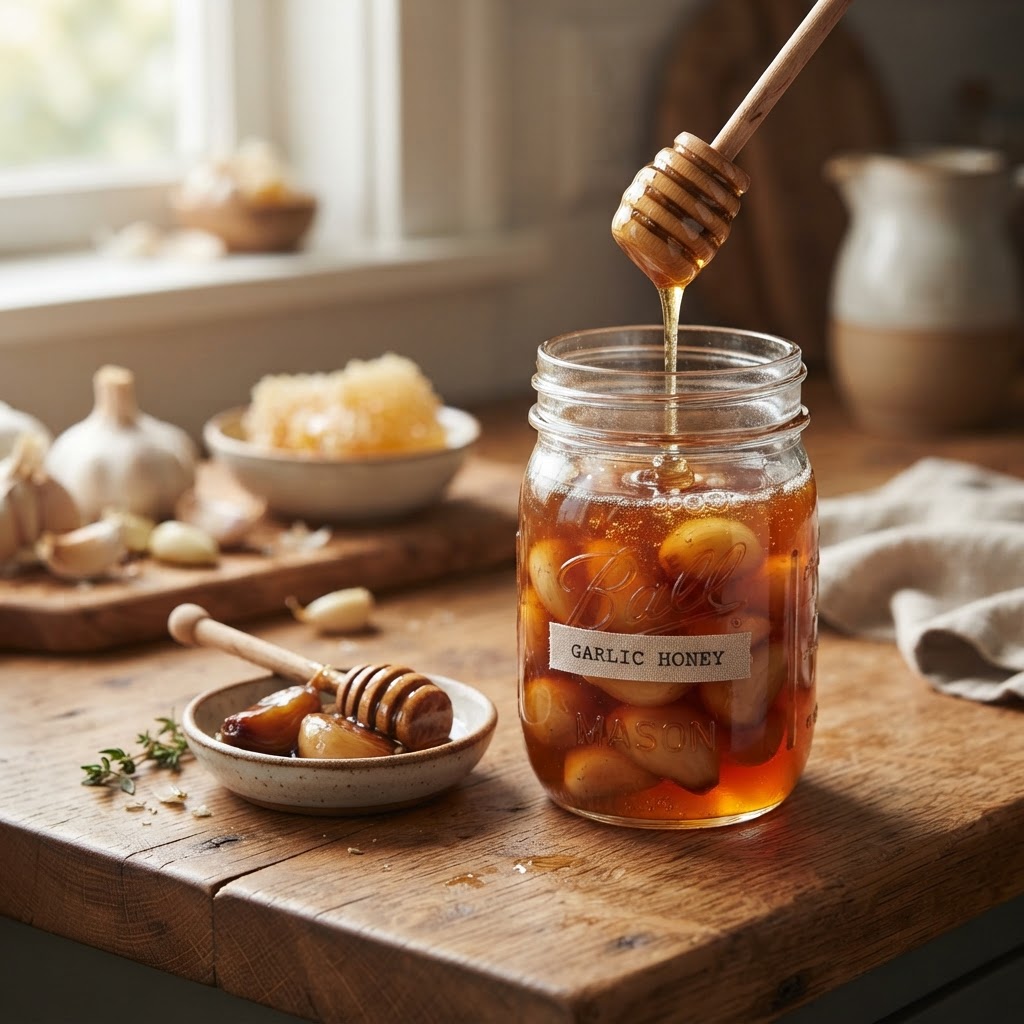
The Home Cook’s Guide to Fermented Garlic Honey: Mastering Infusion Ratios for the Ultimate Sweet-Savory Immune Booster
In the modern culinary landscape, we are constantly hunting for the next great flavor enhancer, something that bridges the gap between deep, complex savory notes and a subtle, honeyed sweetness. Fermented garlic honey is not merely a trend or a passing fad; it is a time-honored preservation technique that transforms two humble, pantry-stable ingredients into a powerhouse of medicinal and culinary potential. When you submerge raw garlic cloves in high-quality raw honey, you initiate a natural lacto-fermentation process that mellows the sharp, aggressive bite of the garlic while infusing the honey with a complex, umami-rich syrup. This guide is designed to walk you through the precise science and art of this infusion, ensuring that your home kitchen produces a jar of liquid gold that you will find yourself reaching for on a daily basis.
The beauty of this recipe lies in its elegant simplicity and the patience it demands of the cook, which is exactly why it fits perfectly into the philosophy here at Blame The Chef. You do not need expensive laboratory equipment or rare, hard-to-find ingredients to achieve professional-grade results; you simply need a clean glass jar, patience, and a basic understanding of microbial activity. As the honey draws water out of the garlic through osmosis, it creates the perfect environment for beneficial bacteria to flourish, effectively lowering the pH of the mixture and ensuring long-term safety. This is not just a condiment; it is a functional food that serves as a cornerstone for immune support, particularly during the colder months when a spoonful in a cup of hot tea can soothe a scratchy throat almost instantly.
As we dive deeper into the mechanics of this ferment, I want you to remember that the goal is to master the infusion ratios that dictate the texture, flavor profile, and overall stability of your final product. Too little honey, and you risk spoilage; too much garlic, and the ferment may become volatile or overflow unexpectedly. By following these guidelines, you will gain the confidence to manipulate the ratio based on your own preferences, whether you prefer a sharper garlic intensity or a more delicate, syrupy consistency. We are embarking on a journey that respects the ancient wisdom of preservation while equipping you with the technical precision required for the modern home cook who refuses to compromise on quality or flavor.
The Science Behind the Ferment: Why It Works
At its core, fermented garlic honey is an exercise in osmotic pressure and microbial regulation. When you introduce raw garlic into raw honey, the high sugar concentration of the honey acts as a dehydrating agent. The honey pulls the moisture out of the garlic cloves, which in turn dilutes the honey just enough to allow naturally occurring bacteria—specifically Lactobacillus—to begin consuming the sugars and producing lactic acid. This process is what gives the garlic its distinctively "mellowed" taste, as the volatile sulfur compounds that give raw garlic its fiery heat are broken down and transformed into a sweeter, more approachable flavor profile.
The Role of Raw Ingredients
It is absolutely critical that you utilize raw, unfiltered honey and fresh garlic for this project. Commercially processed, pasteurized honey has been heated to a point where the natural yeasts and beneficial enzymes have been neutralized; while it might eventually ferment, it will do so sluggishly and without the complexity of a truly alive culture. Similarly, the garlic should be as fresh as possible, ideally sourced from a local farmer’s market or your own garden. The fresher the garlic, the higher its moisture content and the more active the enzymes, which are the catalysts for your fermentation journey.
Understanding Osmotic Pressure
The interplay between the garlic and the honey is entirely dependent on the balance of sugars and water. If you were to add water to this mix, the balance would shift, creating a risk for pathogenic growth. However, by relying solely on the moisture held within the garlic cloves, you keep the water activity low enough to prevent spoilage while still providing a hospitable home for the good bacteria. Think of this as a controlled environment; once the osmotic pressure equalizes, the fermentation slows down, resulting in a stable, shelf-stable product that can improve with age for months, or even years.
The magic of fermented garlic honey lies not in speed, but in the slow, quiet transformation of sharp, pungent aromatics into a harmonious syrup that bridges the divide between medicine and haute cuisine.
Essential Ratios and Equipment Selection
When preparing for your first batch, you might be tempted to eyeball the measurements, but I urge you to use a digital kitchen scale for consistency. In the world of professional cooking, ratios are the foundation of repeatability, and for this infusion, the gold standard is a weight ratio of approximately 1:1 or 2 parts honey to 1 part garlic by weight. This ensures that the garlic is fully submerged, preventing any exposure to the air, which is the primary cause of surface mold. Always err on the side of caution—it is better to have extra honey covering the garlic than to have a single clove poking out above the surface.
Choosing the Right Vessel
The choice of a glass jar is paramount. I strongly recommend using a mason jar with a wide mouth to make the packing of the garlic much easier. A wide mouth also makes it simple to retrieve the garlic cloves once the fermentation has fully taken hold. Ensure your jar has been thoroughly cleaned and sanitized, either in a dishwasher on a high-heat cycle or by boiling it for ten minutes. Avoid plastic containers, as they can hold onto odors and may not provide the same airtight seal required to keep the environment perfectly controlled during the initial, more active phase of fermentation.
The Importance of Headspace
One of the most common mistakes home cooks make is filling the jar to the brim. During the first week of fermentation, the garlic will release carbon dioxide, causing the honey to bubble and rise significantly. Always leave at least one to two inches of headspace at the top of your jar. If you do not provide this buffer, your jar may leak, creating a sticky mess on your counter and potentially introducing unwanted contaminants. If the mixture rises too much, you can simply open the jar, "burp" it, and stir it down with a sanitized spoon.
Step-by-Step Execution: Preparing the Garlic
Before you begin, consider how you intend to use the final product. If you want to use the garlic cloves as a garnish for charcuterie boards or in salad dressings, leaving them whole is your best option. However, if you want a more potent honey, slicing the garlic or giving it a gentle smash with the flat of a knife will increase the surface area, allowing the honey to penetrate more deeply and speeding up the extraction process. Whichever method you choose, ensure the garlic is peeled and clean; any papery skin that remains will float to the top and can become a magnet for unwanted mold.
The Preparation Workflow
Managing the Fermentation Timeline
The fermentation process is not instantaneous. In the first 48 to 72 hours, you likely won't see much action. However, around day four or five, you will start to notice bubbles forming as the Lactobacillus begins to do its work. It is essential that you "burp" your jar daily during this initial week. This releases the built-up gas and allows you to stir the mixture, which redistributes the garlic and ensures that no cloves remain exposed to the air. After the first week, the bubbles will slow down, but the transformation of flavor is just beginning.
Fermentation is a living process; treat your jar of garlic honey as a guest in your kitchen, checking on it daily to ensure it has the air and space it needs to thrive.
Flavor Profiles and Culinary Applications
Once your honey has fermented for at least three to four weeks, the flavor will have shifted dramatically. The sharp, volatile sulfur notes of the fresh garlic will have mellowed into a deep, savory sweetness that feels almost like a balsamic reduction. At this stage, the honey will be much thinner—a result of the moisture released by the garlic—making it an ideal candidate for glazes, drizzles, and marinades. The garlic cloves themselves will be soft, tender, and intensely flavorful, serving as a unique ingredient that can elevate even the simplest dishes.
Savory Pairings
This infusion shines brightest when used in savory applications. Try brushing it over roasted carrots or parsnips during the final ten minutes of cooking to create a caramelized, umami-rich glaze. It also works brilliantly as a component in a salad dressing; whisk a tablespoon of the honey with high-quality apple cider vinegar, Dijon mustard, and a splash of extra virgin olive oil. The garlic-infused honey provides a complexity that balances the acidity of the vinegar, creating a dressing that feels far more sophisticated than a standard vinaigrette.
Sweet-Savory Combinations
Don’t be afraid to experiment with sweet-savory profiles. A common mistake is to view garlic as purely a savory ingredient, but when paired with the sweetness of honey, it becomes a versatile element for cheese boards. A small drizzle over a wedge of salty, funky blue cheese or a creamy, pungent camembert creates an explosion of flavor that is truly remarkable. You can also incorporate the fermented garlic cloves into a savory compound butter, mashing them into soft grass-fed butter along with some fresh thyme or rosemary for the ultimate topping for a pan-seared steak.
Glazes:* Use as a finishing glaze for roasted pork or poultry.
Marinades:* Whisk into soy sauce and ginger for an Asian-inspired stir-fry base.
Dips:* Combine with Greek yogurt or tahini for a quick, complex dip for crudités.
Wellness:* Take a spoonful directly when you feel a cold coming on—it is a traditional, powerful immune booster.
Troubleshooting Common Issues
Even with the most careful preparation, you may encounter a few bumps in the road. The most common concern for home cooks is the appearance of surface mold. If you see fuzzy growth that is anything other than the natural bubbling of the honey, it is likely that a clove was exposed to air or that your jar wasn't sufficiently clean. If you see signs of mold, it is safest to discard the entire batch. Do not try to scoop the mold out, as the spores will have already permeated the mixture, and your safety should always take precedence over your ingredient investment.
When to Worry
It is important to distinguish between mold and natural fermentation activity. Sometimes, the garlic cloves might turn a slightly different color, perhaps a light green or bluish hue. This is a common chemical reaction between the enzymes in the garlic and the sulfur compounds in the honey, and it is entirely safe. It does not indicate spoilage. If, however, you notice a strong, unpleasant, or "off" odor—anything that smells distinctly rotten or like gasoline—trust your nose and discard the batch.
Achieving Stability
If your honey remains too thin for your liking, you can always allow it to ferment longer or keep it in a slightly warmer environment to encourage the process. Conversely, if you find that the garlic is getting too soft or losing its structural integrity, you can move the jar to the refrigerator. While the cold will significantly slow down the fermentation process, it will not stop it entirely. It acts as a preservation "pause button," allowing you to keep the honey in its current state of deliciousness for a much longer period.
The goal of the home cook is not to reach perfection, but to achieve a consistent, safe, and flavorful result that reflects the natural environment of their own kitchen.
Advanced Techniques: Infusing Aromatics
Once you have mastered the basic ratio of garlic and honey, you can start to experiment with adding other aromatics to your jar. Think of this as an infusion layering process. Adding a sprig of fresh rosemary, a few dried chili flakes for heat, or even a star anise pod can create a unique flavor profile that makes your fermented garlic honey truly one-of-a-kind. However, ensure that any additional ingredients are thoroughly dried; moisture is the enemy of stability in this specific ferment, and you want to keep the water activity within the safe zone.
Incorporating Spices
When adding dry spices, it is best to place them at the very bottom of the jar before adding the garlic. This keeps them from floating to the surface and makes the act of stirring or "burping" the honey much cleaner. A pinch of black peppercorns can add a lovely bite, while a small piece of fresh ginger can enhance the immune-boosting properties of the mixture. Remember to always work in small batches when experimenting; keep a log of your ratios and the exact ingredients used so you can replicate your favorites later.
Aging for Complexity
Just like a fine wine or a complex balsamic vinegar, fermented garlic honey benefits from time. While it is ready to use after a few weeks, the flavor continues to evolve over months. I have jars in my own pantry that are over a year old, and the honey has taken on a dark, mahogany color while the garlic has become nearly translucent. The sharp, garlicky flavor has completely smoothed out, leaving behind a deep, rich, and mellow sweetness that is incredibly rewarding. Patience, in this case, is truly a culinary virtue.
Final Thoughts
Mastering fermented garlic honey is a milestone for any home cook, serving as an introduction to the vast and rewarding world of lacto-fermentation. By understanding the balance between osmotic pressure, sugar concentrations, and microbial safety, you move beyond simply following recipes and into the realm of crafting ingredients with intention. This guide is meant to be a starting point, a foundation upon which you can build your own repertoire of infusions, ferments, and culinary secrets.
Always remember that the best tools in your kitchen are your senses: your eyes to observe the activity of the ferment, your nose to check for freshness, and your palate to understand when the flavors have reached their peak. Do not be intimidated by the process; nature has been doing this for millennia, and with the proper care and sanitation, you are simply facilitating a natural process that results in something profoundly delicious. Whether you use your honey to stave off winter germs or to bring a professional touch to your weekend roasts, you are now equipped to produce something that is both functional and deeply flavorful.
Finally, keep a kitchen journal. Write down your ratios, the date you started the ferment, and your notes on the flavor after one month, three months, and six months. This record-keeping will become your most valuable resource as you refine your technique and discover your own signature style. At Blame The Chef, we believe that the kitchen is a laboratory of potential, and this fermented garlic honey is just the beginning of your journey into the transformative power of preservation. Happy fermenting, and enjoy the delicious fruits—and honey—of your labor.

Get the Next Recipe
Weekly recipes, techniques, and gear picks — straight to your inbox.
