
The Home Cook's Guide to Filipino Adobo: Mastering Vinegar-Braised Chicken and Pork in Soy Garlic Sauce
Filipino Adobo is more than just a dish; it is the heartbeat of a nation’s kitchen, a culinary identity captured in a humble clay pot. To outsiders, it might appear to be a simple stew of meat, soy sauce, and vinegar, but to the Filipino palate, it is a complex balancing act of acid, salt, and aromatics. Every household has its own version, handed down through generations, often debated with the ferocity of a family argument during the holidays. Mastering this dish requires you to step away from rigid measurements and instead rely on your senses: the smell of the vinegar hitting the hot pan, the color of the reduction, and the tender texture of the meat as it yields to your fork.
In the realm of global cuisine, Adobo stands out because of its preservation history. Before the advent of modern refrigeration, the combination of vinegar and salt—the primary components of the sauce—acted as a natural preservative, allowing the meat to stay safe for consumption in the tropical heat of the Philippines. Today, we don't cook it for preservation, but for the profound depth of flavor that develops as the ingredients permeate the fibers of the chicken and pork. The beauty of this recipe lies in its restraint; it is not meant to be drowned in a thin, watery liquid, but rather coated in a rich, velvety glaze that clings to the meat.
As a home cook, your journey into making the perfect Adobo is a lesson in patience and heat management. We are not just boiling meat here; we are performing a controlled reduction that concentrates sugars and proteins into a savory, tangy essence. Whether you choose to incorporate the traditional bone-in chicken thighs or the fatty belly of pork, the rules remain the same: sear hard, simmer slow, and let the liquid transform. This guide will walk you through the nuances of the "adobo technique," ensuring that your kitchen is filled with that unmistakable, mouth-watering aroma of garlic and peppercorns.
The Chemistry of Acid and Salt
The fundamental interaction in Adobo occurs between the acidity of the vinegar and the salinity of the soy sauce. This is a scientific marriage that creates a "flavor bridge," softening the connective tissues in the meat while providing a sharp, acidic counterpoint to the richness of the fat. To achieve professional results, you must choose your components wisely. Do not reach for the cheapest distilled vinegar you can find; instead, seek out cane vinegar or, if you want a deeper, more mellow profile, coconut vinegar. These options provide a floral, rounded acidity that elevates the dish far beyond the harsh sting of white vinegar.
The Role of Soy Sauce
When selecting your soy sauce, look for a balance between saltiness and sweetness. If your soy sauce is particularly thin or overly salty, you may need to supplement it with a touch of brown sugar or palm sugar to round out the sharp edges. I prefer using a low-sodium tamari or a high-quality Filipino soy sauce brand, which offers a robust umami profile without being overly aggressive on the palate. Remember, the sauce should not overpower the natural flavor of the protein; it should act as a supporting character, highlighting the meat’s texture and richness.
Managing the Vinegar
One of the most important technical rules in making Adobo is to resist the urge to stir the vinegar once it has been added to the pan. If you stir too early, the vinegar creates a raw, metallic taste that ruins the final braise. You must let the vinegar reach a rolling boil undisturbed for at least three to four minutes. This allows the volatile compounds in the acetic acid to mellow, transforming that sharp "bite" into a sophisticated tang that permeates the meat. Only after this initial cook time should you introduce your aromatics and allow the liquid to reduce to its final, luscious consistency.
"Cooking is not just about following a recipe; it is about understanding the chemical interactions that occur in your pan. In Adobo, the vinegar is the conductor, and the heat is the tempo—if you rush the conductor, the symphony will fall apart."
Selecting the Right Cuts of Meat
The best Adobo is almost always a combination of chicken and pork. By using both, you create a layer of complexity; the chicken brings a clean, delicate flavor, while the pork belly—with its layers of fat and collagen—adds body to the sauce. When you braise pork belly, the fat renders down, creating a silky mouthfeel that is impossible to replicate with chicken alone. When selecting your chicken, prioritize bone-in, skin-on thighs. The bones impart a depth of flavor during the long simmer, and the skin provides the rendered fat needed to sauté your aromatics.
The Importance of the Sear
Before the braising process begins, you must commit to a hard sear. Place your chicken and pork into a heavy-bottomed Dutch oven or a deep skillet over medium-high heat. Do not crowd the pan. You want a deep, golden-brown crust on the meat, which is known as the Maillard reaction. This browning process is where the real flavor starts; the bits of caramelized protein stuck to the bottom of the pan—the fond—are what will eventually thicken and flavor your sauce. If you skip this step, your final dish will taste like boiled meat rather than a braised masterpiece.
Managing Temperature and Time
Once the meat is seared, the heat should be dropped to a gentle simmer. High heat throughout the process will toughen the proteins and cause the sauce to evaporate before the flavors have properly melded. Aim for a temperature that allows the liquid to barely bubble. For chicken thighs, this process usually takes about 35 to 45 minutes; for pork, you may need upwards of an hour to ensure the fat has fully rendered and the meat is fork-tender. Use a meat thermometer to check your progress: you are looking for an internal temperature of roughly 175°F (80°C) to ensure the collagen has broken down effectively.
The Aromatics: Garlic, Peppercorns, and Beyond
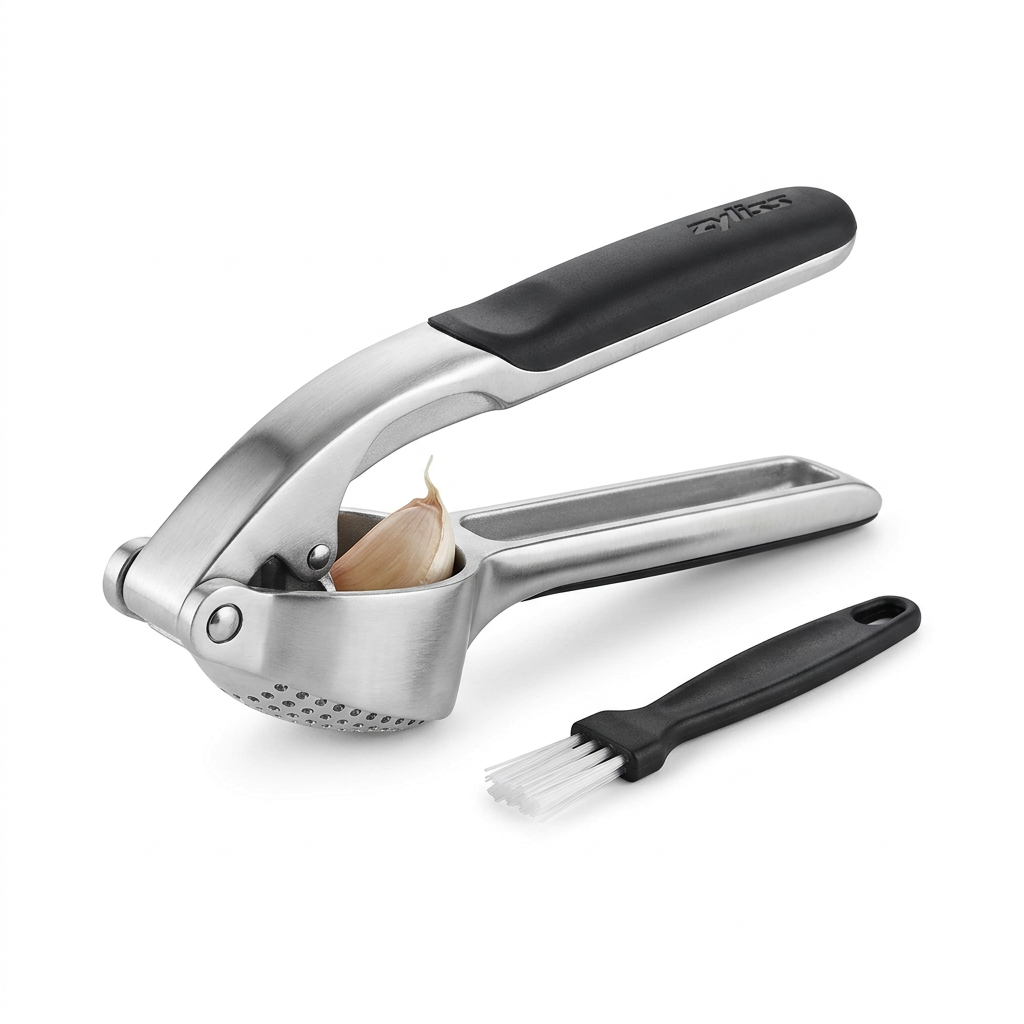
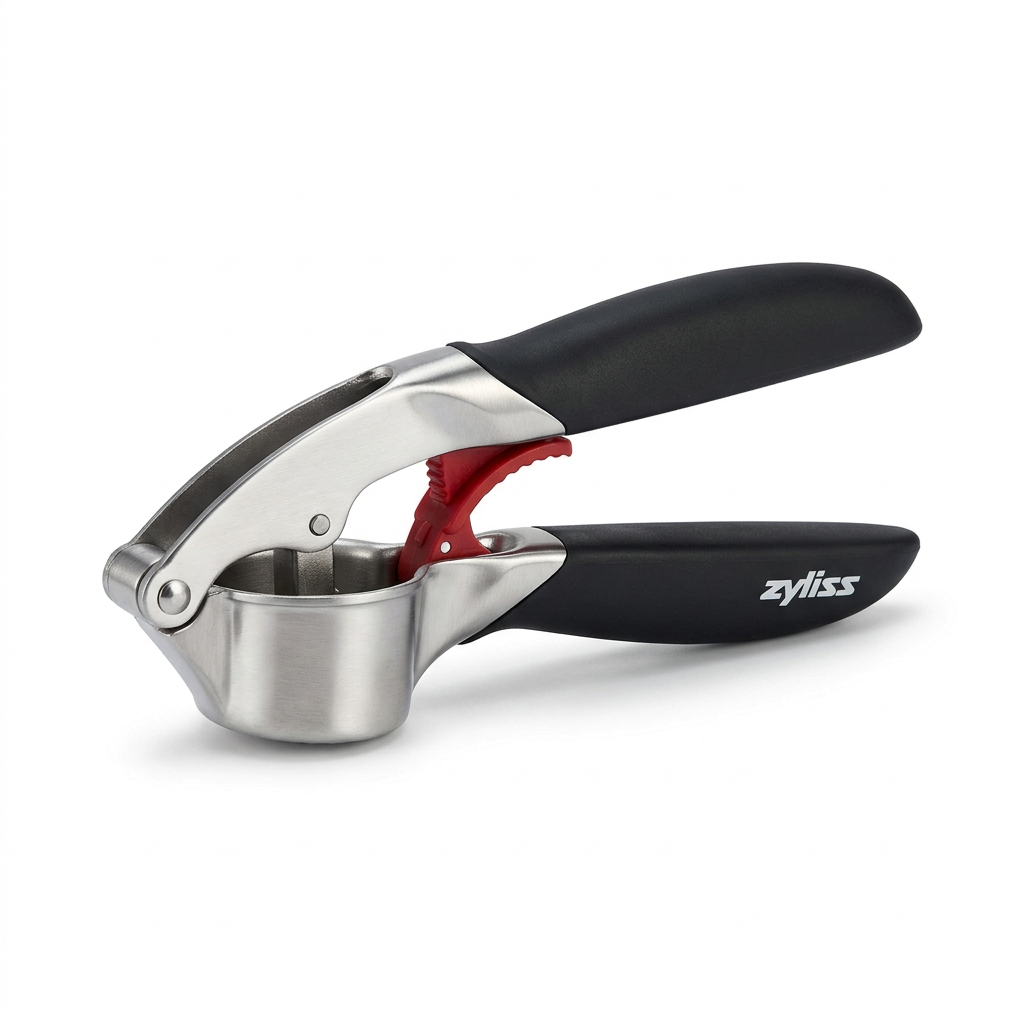
If vinegar is the acid and soy sauce is the base, garlic is the soul of Adobo. You cannot use too much garlic in this dish. I recommend roughly a full head of garlic, peeled and smashed, rather than minced. Smashing the garlic cloves releases their oils while allowing them to remain intact enough to provide bursts of flavor as they soften in the braising liquid. Along with the garlic, whole black peppercorns are essential. Do not use ground pepper; the whole peppercorns offer a gentle heat that punctuates the richness of the soy sauce and vinegar mixture without turning the entire sauce into a spicy mess.
The Secret Additions
While the standard trinity of soy, vinegar, and garlic is sufficient, many chefs include a secret weapon to balance the profile. A bay leaf is standard, but have you considered adding a small piece of crushed ginger? The ginger introduces a subtle, earthy brightness that cuts through the pork fat beautifully. Some regions also add a splash of coconut milk toward the very end of the cooking process. This turns the sauce into a creamy, luxurious gravy that is truly decadent. If you are a purist, start with the basics, but don't be afraid to experiment with these small, incremental additions.
The Technique of Layering Aromatics
To get the most out of your aromatics, add them in stages. Add half of your smashed garlic during the initial sear to infuse the oil with flavor. Add the remaining garlic, the bay leaves, and the peppercorns right as you pour in your liquid mixture. This ensures that some of the garlic provides a base note, while the rest remains fresh and pungent. This multi-layered approach to aromatics is what separates a standard home-cooked meal from a dish that tastes like it came from a professional kitchen.
"A great dish is built in layers. When you think about flavor development, consider how your aromatics change as they transition from raw to sautéed, and finally to braised. Each state offers a different profile that contributes to the final, cohesive whole."
Mastering the Reduction: Creating the Glaze
The difference between a mediocre Adobo and a legendary one lies entirely in the reduction. Many home cooks make the mistake of leaving the sauce too thin. Your goal is a glaze—something that coats the back of a spoon and clings to the meat when you serve it. Once the meat is perfectly tender, remove it from the pan and set it aside. Crank the heat to high and reduce the remaining liquid by half or even two-thirds. This process evaporates the excess water, leaving behind a concentrated essence of soy, vinegar, and rendered meat juices.
Finishing the Dish
As the sauce reduces, it will naturally thicken because of the proteins and fats that were released during the braising process. You want the consistency to be syrupy and shiny. This is the moment to taste and adjust. Does it need more acidity? Add a teaspoon of vinegar. Is it too salty? Add a tiny bit of sugar or a splash of water to stretch the glaze. Once the consistency is correct, return the meat to the pan and toss it gently, allowing the glaze to coat every surface. This finishing step makes all the difference in the final presentation.
The "Crispy Finish" Variation
For those who prefer a textural contrast, there is a professional technique known as the "Crispy Adobo" finish. After your meat has braised and is tender, remove it from the sauce and place it under a broiler or in a very hot frying pan for two to three minutes. This crisps up the skin of the chicken and the fat on the pork, creating a delicious crunch that contrasts with the tender, sauce-soaked interior. Simply pour the reduced glaze over the crisped meat right before serving. It is a stunning way to present the dish to guests and shows a higher level of culinary technicality.
Serving and Pairings: Elevating the Experience
Adobo is a dish designed for rice. You need the neutral, fluffy canvas of steamed jasmine rice to balance the intense saltiness and acidity of the sauce. For the best experience, use a rice cooker to get the perfect texture—slightly sticky but individual grains that can soak up that precious glaze. In the Philippines, it is common to serve Adobo with a side of sliced tomatoes or a simple cucumber salad dressed in a little vinegar and sugar. The freshness of the vegetables provides a necessary palate cleanser between bites of the rich, savory meat.
The Rice Ritual
The way you plate your meal matters. Serve a generous mound of steaming rice, place the meat directly on top or to the side, and then spoon the reduced sauce over both the meat and the rice. The sauce that seeps into the rice is arguably the best part of the entire meal. If you want to take it to the next level, fry a sunny-side-up egg and place it on top of the rice. The runny yolk mixes with the adobo glaze to create a creamy, emulsified sauce that is nothing short of heavenly.
Wine and Drink Pairings
Because Adobo is high in salt and acid, it can be tricky to pair with wine. Avoid high-tannin reds, which will clash with the vinegar. Instead, lean toward high-acid white wines like an Off-Dry Riesling or a Chenin Blanc. The residual sugar in these wines balances the intense acidity of the dish, while the vibrant fruit notes stand up to the garlic and soy. If you prefer beer, a crisp, refreshing Lager or a Pilsner is the perfect companion. The carbonation cuts through the fat of the pork belly, cleaning your palate for the next bite.
Troubleshooting Common Adobo Mistakes
Even the best cooks run into trouble sometimes. Perhaps the sauce is too salty, or the vinegar flavor is too harsh. Do not worry; these issues are easily corrected if you know the techniques. If the dish is too salty, do not just add more water, as this will dilute the other flavors. Instead, try adding a small amount of unsalted chicken stock or even a dash of coconut cream to mellow the salinity. If the sauce is too acidic, a pinch of sugar or a tablespoon of honey will help counteract that sharp bite without compromising the integrity of the sauce.
The Overcooked Meat Dilemma
If you have accidentally overcooked your meat, it will likely begin to shred or fall off the bone. While this might look less than perfect, it is actually an opportunity to transform the dish. Shred the meat completely, toss it back into the reduced sauce, and serve it as a "pulled adobo" over rice. Top it with some crispy fried garlic and green onions. It is a modern take on the traditional dish that focuses on texture and sauce absorption. There is no such thing as a ruined batch of Adobo, only a different way to enjoy it.
Consistency in Results
To ensure consistency every time you cook, keep a kitchen journal. Write down the type of vinegar you used, the ratio of soy sauce, and the total cooking time. Over time, you will find that "sweet spot" that works perfectly for your specific palate. Remember that professional cooking is just the repetition of successful techniques until they become second nature. Don't be discouraged if your first attempt isn't exactly what you hoped for—part of the beauty of Adobo is that it encourages you to keep trying, keep tasting, and keep refining your process.
"True culinary mastery is not found in the perfection of a single attempt, but in the evolution of your technique through trial, error, and an unwavering commitment to quality ingredients."
Final Thoughts: The Legacy of the Pot
As you sit down to enjoy your homemade Adobo, take a moment to appreciate the history contained within the bowl. This dish has survived centuries, adapting to the ingredients available in various regions, yet it has retained its soul. It is a dish of the people, meant to be shared with family and friends. When you master the balance of acid and salt, you aren't just following a recipe; you are participating in a living tradition. Whether you serve it for a simple weeknight dinner or as the centerpiece of a weekend feast, you are bringing a piece of Filipino culture into your home.
The most important advice I can give you as a home cook is to trust your instincts. Once you understand the fundamental mechanics—the searing, the reduction, and the flavoring—you are no longer bound by the recipe. You can adjust the heat, tweak the aromatics, and refine the glaze to suit your preferences. Your kitchen is your laboratory, and Adobo is the perfect subject for experimentation. So, take your time, respect the ingredients, and don't be afraid to make a mess along the way. That is where the best meals are born.
Finally, remember that the best Adobo is often even better the next day. The flavors continue to meld and deepen as they sit in the refrigerator overnight. If you have leftovers, do not hesitate to reheat them the following evening. You might find that the extra day of marination creates an even more profound depth of flavor. May your pots always be full, your sauce always perfectly reduced, and your table always surrounded by people you love. Happy cooking, and keep exploring the incredible potential of the humble, yet legendary, Filipino Adobo.
A Quick Summary Checklist for Success
By following these guidelines and maintaining a mindful approach to your heat and timing, you will elevate your home cooking to new heights. Adobo is a dish that rewards the patient, curious, and experimental cook. It is a journey of flavors, a historical narrative, and a testament to the power of simple ingredients transformed by heat. Enjoy the process of becoming an Adobo master, and let the flavors speak for themselves as you refine your technique in the comfort of your own kitchen. You have all the tools, knowledge, and passion needed to create something truly exceptional. Now, go to the store, pick up your ingredients, and let the magic of the braise begin. Your kitchen is about to smell better than it ever has before, and I promise you, the effort will be worth every single bite. Happy eating!

Get the Next Recipe
Weekly recipes, techniques, and gear picks — straight to your inbox.
