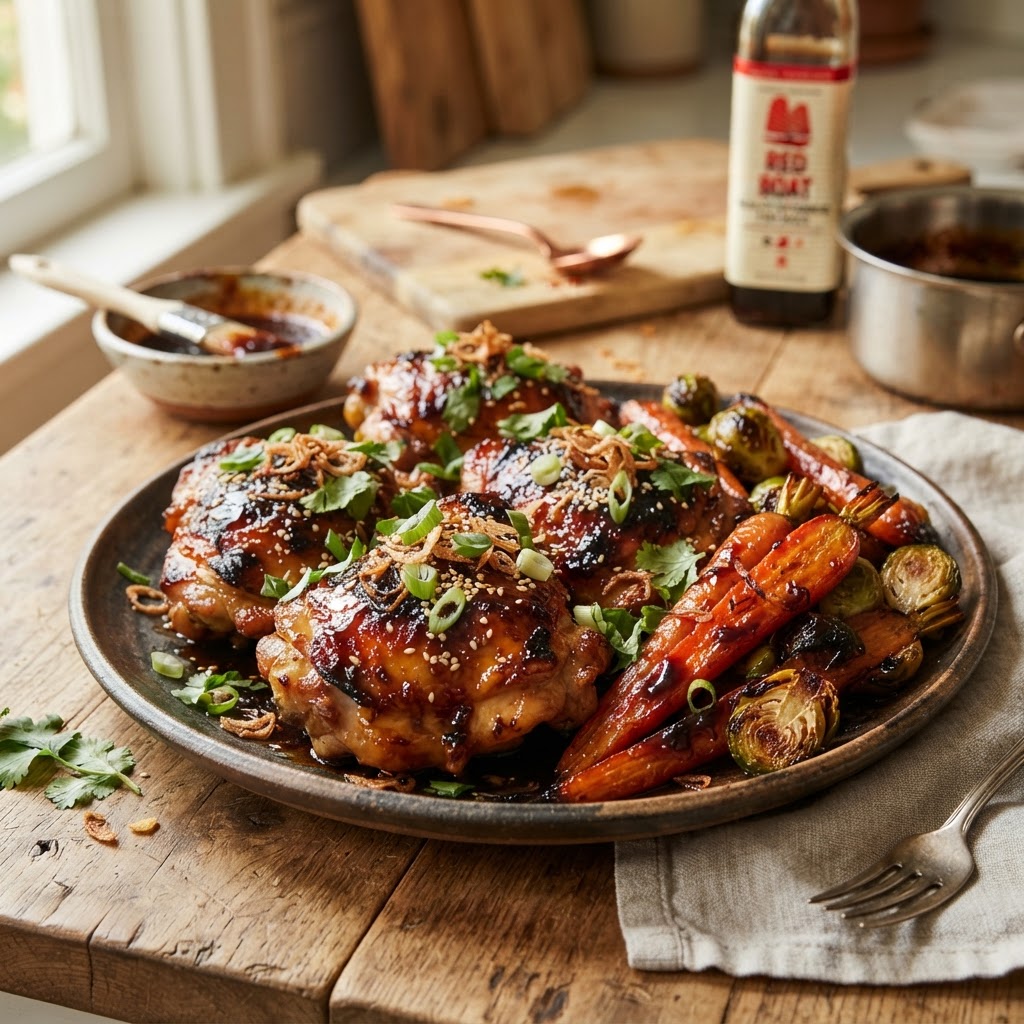
The Home Cook’s Guide to Fish Sauce Caramel: Mastering Reduction Ratios for Savory-Sweet Glazing on Roasted Meats and Vegetables
There is a distinct moment in every home cook’s journey when they move beyond simply following a recipe to understanding the underlying mechanics of flavor. For many, that epiphany arrives through the marriage of salt and sugar, specifically in the form of a high-gloss, deeply savory reduction. Fish sauce caramel is perhaps the ultimate expression of this alchemical transformation, bridging the gap between Southeast Asian tradition and global culinary versatility. When you simmer the pungent, funky depth of a premium fish sauce with the golden, caramelized notes of sugar, you create something that transcends its humble components. It is an assertive, umami-rich syrup that can transform a mundane roasted chicken or a bland tray of charred broccoli into a dish that demands attention.
To master this glaze, one must move past the fear of burning sugar and embrace the nuances of the Maillard reaction alongside the intense salinity of fermented anchovies. Many beginners find themselves hesitant when working with sugar in a hot pan, often pulling the caramel too early, which results in a cloying sweetness that lacks depth. The secret lies in the patience to let the sugar darken to a deep amber hue before introducing the liquid. Once the fish sauce is added, the pan will hiss and steam, releasing a concentrated aroma that tells you the emulsion is happening correctly. It is a sensory process, requiring you to trust your eyes and nose just as much as your kitchen timer.
At "Blame The Chef," we believe that confidence in the kitchen comes from understanding the "why" behind the "how," and fish sauce caramel is the perfect case study for this approach. By mastering the reduction ratio, you gain a tool that works across an immense range of ingredients, from the fattiness of pork belly to the bitterness of charred cruciferous vegetables. This guide is designed to take you from tentative beginner to a confident glaze master, providing you with the technical framework to manipulate sweetness and salinity to your exact preference. Whether you are prepping for a dinner party or simply looking to elevate your weeknight dinner, this preparation will become a foundational skill in your culinary arsenal.
Understanding the Chemistry of the Reduction
The magic of a fish sauce caramel lies in the relationship between sucrose and amino acids. As the sugar heats, it undergoes caramelization, breaking down into complex flavor compounds that provide bitterness and color. Simultaneously, the fish sauce provides a high concentration of glutamates, which act as flavor enhancers, rounding out the sharpness of the caramel. When you reduce these two components together, you are effectively creating a bridge between savory, sweet, and bitter, which is the cornerstone of a balanced palate.
The Importance of Ratios
The standard baseline for a functional caramel glaze is a 1:1 ratio of sugar to fish sauce by weight. However, this is merely a starting point. For those who prefer a more aggressive, punchy glaze, you might shift to a 1:0.75 ratio, increasing the fish sauce content. Conversely, if you are working with delicate vegetables and want a softer, more honeyed finish, you can lean toward a 1:1.25 ratio. Keeping these ratios in mind ensures that no matter your ingredient choices, you maintain a structural consistency that won't result in a thin, watery mess or a hardened, candy-like coating.
The Role of Heat Control
Temperature management is the single most critical factor in this recipe. Sugar burns quickly, and once it crosses the threshold from a dark amber to black, it is irrevocably bitter. You should aim to heat your sugar in a wide, light-colored saucepan; this allows you to monitor the color change effectively. Avoid high heat, which causes uneven browning and localized scorching. Instead, use a medium-low heat and resist the urge to stir constantly. Swirling the pan occasionally is the best way to ensure even distribution without introducing air bubbles or unwanted crystallization.
"The secret to a perfect caramel is not in the recipe, but in the observation. Watch for the color to shift from a pale straw to a deep, mahogany-colored syrup; that is the precise moment the flavor profile shifts from sweet to complex."
Essential Ingredients for the Perfect Glaze
You cannot hide behind cheap ingredients when making a sauce as simple as this. Because the caramel relies on so few components, the quality of your fish sauce will dictate the final outcome. Look for labels that indicate a high protein content—typically measured in degrees nitrogen—which signifies the fermentation duration. A high-quality First Press fish sauce will possess a clean, oceanic salinity without the harsh, metallic aftertaste often found in mass-produced, budget brands.
Selecting Your Sugar
While granulated white sugar is the standard choice for its clean, neutral sweetness, it is not your only option. Palm sugar or coconut sugar can introduce a deeper, more earthy complexity that complements the funk of the fish sauce exceptionally well. However, be aware that these unrefined sugars have different melting points and are often sold in blocks, which must be chopped finely to ensure they melt at the same rate. If you are experimenting for the first time, stick with a high-quality organic cane sugar before branching out into the deeper, more temperamental varieties.
Flavor Enhancers
While the base is binary, the aromatics are where you make the dish yours. Fresh ginger, bird’s eye chilies, and garlic cloves are the classic trio used to finish the reduction. Adding these during the final minute of cooking infuses the caramel with a bright, spicy baseline that cuts through the richness of the glaze. Some chefs also opt for a splash of lime juice or rice vinegar at the very end of the process. This acidity is crucial; it acts as a "brightener," ensuring that the thick, heavy glaze does not coat the tongue in a way that feels cloying or overwhelming.
The Step-by-Step Glazing Technique
Once you have your mise en place ready, the actual cooking process moves quite quickly. You should have your aromatics prepped, your fish sauce measured, and your protein or vegetables ready to be glazed. Because sugar caramelizes in seconds, you will not have time to chop garlic while your pan is on the stove. Start by heating your sugar in a dry, heavy-bottomed pan. Watch it closely; as it melts, it will turn into a clear liquid before beginning to transition into the characteristic amber shade.
The Emulsification Phase
When the sugar reaches a deep, dark amber, carefully pour in the fish sauce. Warning: the mixture will sputter violently. This is the reaction between the water content in the fish sauce and the high-temperature sugar. Use a long-handled spoon to stir the mixture, smoothing out any clumps of sugar that may have seized up during the initial pour. Once the mixture is smooth and bubbling gently, it is ready for the aromatics. Lower the heat slightly and add your minced garlic, sliced chilies, and ginger. Let these simmer for about thirty to sixty seconds—just enough to soften them and release their essential oils into the glaze.
Balancing the Consistency
If your glaze looks too thin, continue to simmer it; it will thicken significantly as it cools. If it looks too thick, a tiny splash of water or lime juice will bring it back to a pourable consistency. Keep in mind that as this glaze cools on your roasted meats or vegetables, it will tighten up. You are looking for a nappé consistency, where the sauce coats the back of a spoon cleanly. If you can draw a line through the sauce on the spoon with your finger and the line stays clean, you have achieved the perfect viscosity for glazing.
"A glaze should never be a mask; it should be a thin, luminous veil that enhances the natural texture of the food rather than burying it under a sticky, sugary layer."
Applying the Glaze to Roasted Meats
When applying this glaze to meats like chicken thighs, pork chops, or even hearty cuts of beef, timing is everything. You should not glaze your meat at the beginning of the roasting process, as the sugars in the caramel will burn long before the protein is cooked through. Instead, use the glaze as a finishing step. Roast your protein until it is nearly cooked through, then pull it from the oven and brush the caramel generously over the surface.
The Glaze and Broil Technique
To achieve that iconic, sticky-crisp texture, return the glazed meat to the oven under the broiler for two to three minutes. Watch it with extreme vigilance; the high sugar content means the glaze can go from beautifully caramelized to burnt in less than 60 seconds. This brief blast of heat helps the glaze bond to the meat, creating a dark, shiny lacquer that is both visually stunning and texturally satisfying. If you are working with a delicate meat like fish, skip the broiler and simply drizzle the glaze over the fillets right before serving.
Resting the Meat
Regardless of the cut, ensure you allow the meat to rest for at least five to ten minutes after the final glazing. This resting period is not just for the protein; it is for the glaze as well. As the meat cools slightly, the glaze will set, creating a tacky surface that clings to the meat rather than sliding off onto the plate. If you cut into the meat immediately, the heat and juices will thin out your careful reduction, turning a masterpiece into a puddle of sauce.
Elevating Roasted Vegetables
Vegetables like carrots, Brussels sprouts, and cauliflower respond beautifully to a fish sauce caramel. The bitterness of roasted cruciferous vegetables, in particular, pairs perfectly with the sweet-salty profile of the glaze. Start by roasting your vegetables with a neutral oil, salt, and black pepper until they are tender and have developed a good, dark char. The char provides the necessary bitterness to balance the sugar in your glaze.
Toss vs. Brush
For smaller vegetables like Brussels sprouts or florets of cauliflower, it is better to toss them in the glaze rather than brushing them individually. Once the vegetables are roasted, remove them from the oven, place them in a bowl, and pour a generous amount of the warm caramel over the top. Use a rubber spatula to gently fold the vegetables until every surface is coated. The heat from the vegetables will continue to thicken the glaze, allowing it to cling perfectly to every crevice.
Adding Crunch
To finish the dish, consider adding a textural element that plays against the smooth, sticky quality of the glaze. Toasted sesame seeds, crushed peanuts, or crispy fried shallots are traditional pairings that add a necessary crunch. These additions not only provide contrast but also reinforce the Southeast Asian flavor profile of the sauce. Sprinkle these liberally over the glazed vegetables just before serving to ensure they retain their crispness and do not absorb moisture from the glaze.
Roasted Carrots:* Use a touch more ginger in the glaze to bring out the natural sweetness of the carrots.
Brussels Sprouts:* Add a generous amount of lime juice to the glaze to cut through the heavy, earthy notes of the charred leaves.
Cauliflower:* Pair with toasted peanuts and cilantro for a fresh, vibrant finish.
Green Beans:* Use a slightly thinner glaze and toss with toasted sesame oil for a glossy, side-dish-worthy texture.
Troubleshooting Common Glazing Mistakes
Even with the best instructions, problems can arise. The most common error is seizing, where the sugar crystallizes into a solid lump rather than melting into a smooth liquid. This usually happens if you stir the sugar too aggressively while it is melting or if you have impurities in your pan. If the sugar crystallizes, do not panic. Add a small amount of water and return the pan to low heat, stirring gently to dissolve the crystals. It will take a bit of extra time, but you can save the caramel if you are patient.
If the Glaze is Too Bitter
If you accidentally let the caramel get too dark, the flavor will veer toward an acrid bitterness. While you cannot "un-burn" sugar, you can mitigate the impact by increasing the acidity and the sweetness. A squeeze of fresh lime juice and a tablespoon of brown sugar can help rebalance the profile. However, if the caramel is truly burnt, it is best to discard it and start over. The base ingredients are inexpensive, and a bitter glaze will ruin an otherwise perfectly roasted meal.
Preventing a Sticky Mess
If your glaze isn't sticking to the food, it is almost certainly because the glaze was too thin or the food was too wet. Ensure that your roasted vegetables or meats are well-drained of any excess oil or rendered juices before adding the glaze. If you find that the glaze is sliding off the plate, your reduction process simply didn't go far enough. Remember that the glaze will always be thinner when hot than it is at room temperature. Always do a "spoon test" before pulling the pan off the heat to ensure you have achieved the correct consistency.
Mastering the Art of Balance
Ultimately, fish sauce caramel is an exercise in balance. It is a dish that forces you to respect the power of salt and the volatility of sugar. When you successfully navigate the reduction, you are rewarded with a depth of flavor that feels sophisticated and deeply layered, yet entirely accessible. It is the kind of culinary technique that elevates a home cook’s reputation, turning an ordinary dinner into a restaurant-quality experience.
Do not be afraid to experiment with the ratios or the aromatics. Use this guide as a framework, but listen to your own palate. Do you prefer it saltier? Add more fish sauce. Do you want more heat? Increase the chili content. The beauty of the kitchen is that recipes are living documents, meant to be adjusted, perfected, and shared. Keep your heat low, watch your color, and don't be afraid to blame the chef if things don't go perfectly the first time—that is simply the cost of learning.
Final Thoughts
The journey to mastering fish sauce caramel is one of patience and sensory intuition. By focusing on the fundamentals—understanding the chemical reaction between sugar and fish sauce, respecting heat management, and learning how to adjust ratios—you possess the tools to transform your home cooking. This glaze is more than just a sauce; it is a bridge between worlds, offering a depth of umami that creates an unforgettable dining experience.
As you continue to practice, you will find that your confidence grows with every batch. You will stop looking at the clock and start looking at the color of the bubbling syrup. You will stop measuring every drop and start trusting the "nappé" test. This transition from following instructions to understanding techniques is exactly what separates a casual cook from a true culinary enthusiast. The next time you roast a chicken, char a tray of broccoli, or experiment with a new protein, reach for the fish sauce and sugar. You’ll be surprised at how quickly you become the master of your own glaze, creating dishes that are as bold and complex as they are delicious. Keep cooking, keep tasting, and above all, enjoy the process of bringing these vibrant flavors to life in your own kitchen. You have the guide, you have the ingredients, and now, you have the technique. The rest is just experience, one pan at a time. Enjoy your culinary adventure, and remember: if the dish turns out perfect, that is all you; if you experiment and it takes a few tries to get it just right, you can always blame the chef. Happy cooking, and may your glazes always be glossy, perfectly balanced, and full of that incredible umami depth that makes fish sauce caramel a true masterpiece of home cooking.
Get the Next Recipe
Weekly recipes, techniques, and gear picks — straight to your inbox.
