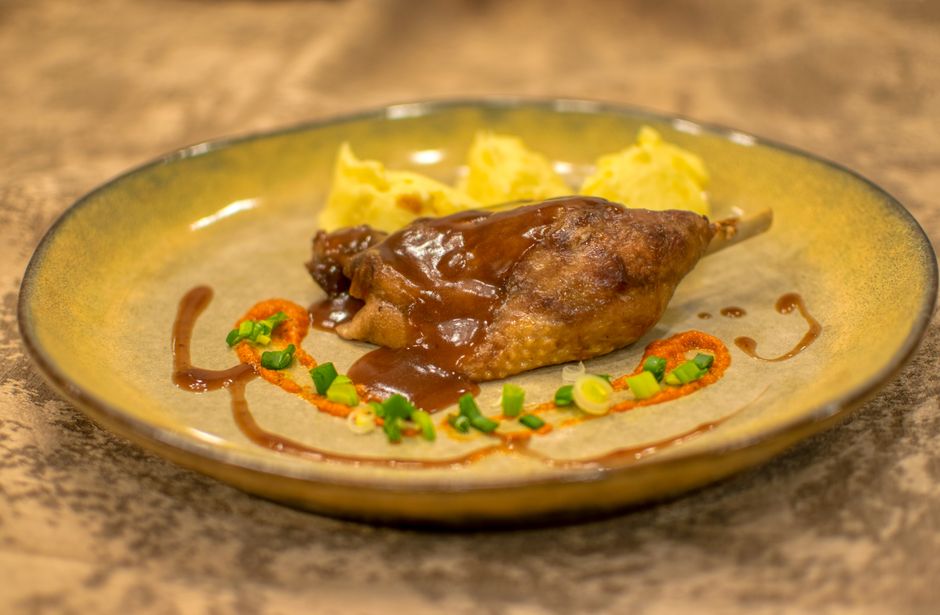
The Home Cook's Guide to French Confit: Mastering Slow-Fat Cooking for Silky Duck, Garlic, and Vegetables
The art of confit is perhaps the most misunderstood yet deeply rewarding technique in the traditional French culinary canon. Derived from the French verb confire, meaning "to preserve," this method is far more than a simple way to store meat; it is a masterclass in the transformative power of slow, low-temperature fat immersion. While many home cooks associate the term solely with duck legs, the principle remains the same whether you are working with succulent poultry, punchy heads of garlic, or seasonal root vegetables. By submerging ingredients in their own rendered fat or a high-quality oil and cooking them at a gentle, barely-there heat, you effectively break down tough connective tissues while infusing every fiber with unparalleled moisture. It is a slow game, one that requires patience and a surrender to the clock, but the result is a texture that borders on the miraculous—silky, tender, and intensely flavored.
When you master the technique of confit, you stop viewing cooking as a chore of immediate heat and start viewing it as a deliberate act of structural transformation. You are not just roasting or braising; you are poaching in a medium that protects the integrity of the ingredient while seasoning it from the inside out. For the home cook, this is an incredible tool because it is inherently forgiving. Unlike a quick sear that can turn a steak into leather in seconds, the low-temperature environment of a confit pot provides a wide margin of error. It is the ultimate insurance policy against dryness, allowing you to prepare meals in advance and improve them through the magic of a long, slow bath. Once you have tasted a duck leg that pulls away from the bone with the slightest nudge of a fork, you will realize why this technique has been the secret weapon of French grandmothers and professional chefs for centuries.
In this comprehensive guide, we will dismantle the mystery of the confit process and provide you with a roadmap to achieve restaurant-quality results in your own kitchen. We will look beyond the classic confit de canard to explore the subtle nuances of vegetable confit, which can elevate a humble side dish into the highlight of your dinner party. We will cover the crucial role of curing, the importance of fat selection, and the science behind the precise temperatures that define a perfect cook. By the end of this journey, you will no longer blame the chef for your kitchen mishaps—you will possess the technical knowledge and the culinary intuition to command the fat, control the heat, and create dishes that define the very essence of French luxury. Prepare to embrace the slow burn, because your journey into the world of fat-submerged cooking starts here.
The Chemistry of Confit: Why Low and Slow Wins
The magic of confit lies in the science of gentle heat transfer. When you submerge an ingredient in fat, you are creating a thermal environment that distributes heat far more evenly than air or water ever could. Because fat has a much higher boiling point than water, it can hold a consistent, low temperature without the violent bubbling or evaporation that tends to dehydrate delicate proteins or vegetables. This is the secret to the silky texture that defines a true confit.
Furthermore, fat acts as a beautiful, flavor-neutral carrier. While the exterior of the meat or vegetable is protected from the direct heat of an oven wall or a pan, the fat slowly absorbs the volatile aromatics—the herbs, the spices, and the juices leaching from the ingredient itself. This is why a confit of garlic or leeks becomes a prized ingredient in professional kitchens; the fat becomes infused with a deep, savory essence that can be reused for future cooking, effectively layering flavor over time.
For the home cook, it is essential to understand that this is not a technique for speed. You are looking to maintain a temperature range typically between 180°F and 200°F (82°C to 93°C). Anything higher than this and you begin to fry the ingredient, resulting in a crispy exterior and a dry interior. Anything lower, and you run the risk of safety concerns regarding bacterial growth. Precision is your best friend here, so a reliable probe thermometer is non-negotiable.
The Importance of the Cure
Before the fat ever touches the meat, you must address the cure. Curing is the foundation upon which the flavor of your confit is built. By coating your proteins in a mixture of coarse sea salt, herbs, and aromatics for several hours—or even overnight—you are drawing out excess moisture and seasoning the meat deep to the bone. This process tightens the muscle fibers, which ensures that they do not turn mushy during the long cooking process.
* Always use coarse kosher salt rather than fine table salt to ensure even coverage.
* Incorporate aromatics like thyme, bay leaves, and cracked black pepper into your cure.
* Rinse the cure thoroughly before cooking to prevent the final product from becoming overly salty.
The secret to a perfect confit is the marriage of time and temperature. You are not just cooking; you are allowing the fat to reorganize the structure of the ingredients into something far more tender than nature originally intended.
Selecting Your Fats: From Duck to Oil
The choice of fat is perhaps the most debated aspect of the confit process. Traditionally, duck fat or goose fat is the gold standard for meat. These fats are rich, creamy, and offer a specific mouthfeel that simply cannot be replicated by butter or vegetable oil. However, they are also expensive and not always readily available. For the home cook, blending fats is a perfectly acceptable and often encouraged professional hack.
If you are just starting out, you might consider using a mix of duck fat and a high-quality, neutral oil like grapeseed oil or canola oil. The duck fat provides the deep, savory profile, while the neutral oil stretches the volume and keeps the cost manageable. It is important to avoid fats with low smoke points or strong, distinct flavors like extra virgin olive oil, which can become bitter when heated for extended periods.
When preparing vegetable confit—such as cherry tomatoes, garlic cloves, or small carrots—an extra virgin olive oil is actually a wonderful choice because the cooking time is shorter and the flavor profile of the oil complements the natural sweetness of the vegetables. The key is to ensure the fat is pure, clear, and free from impurities that could burn or spoil during the cooking process.
The Lifecycle of Your Cooking Fat
One of the best benefits of mastering confit is the ability to recycle your fat. After you have finished cooking, allow the fat to cool completely, then strain it through a fine-mesh sieve or a piece of cheesecloth to remove any browned bits or solid particles. If you have done this correctly, the fat will remain shelf-stable in the refrigerator for months.
Duck Confit: The Crown Jewel of French Cuisine
If you are going to master one confit, let it be the classic duck leg. This dish is the ultimate test of patience, requiring a two-day commitment that pays off in dividends. The goal is to achieve meat that is so tender it falls away from the bone with zero resistance, coupled with skin that can be rendered to a perfect, glass-like crispiness in a hot pan right before serving.
Begin by purchasing high-quality, humanely raised duck legs. Trim away excess fat from the edges, but do not discard it; render this down separately to use as your cooking fat. Apply your cure of salt, sugar, herbs, and smashed garlic to the legs and refrigerate them for 12 to 24 hours. This step is non-negotiable for texture. When you are ready to cook, rinse the legs and pat them completely dry—moisture is the enemy of a clean, silky confit.
Place the legs in a heavy-duty Dutch oven or an enameled cast iron pan. Arrange them skin-side up and pour your rendered fat over them until they are just barely covered. If you don't have enough fat, do not worry; you can supplement with a high-quality duck fat or a neutral oil. The goal is complete immersion so that the fat acts as a thermal blanket, preventing any part of the meat from being exposed to the harsh, direct air of the oven.
The Oven Technique
Preheat your oven to a low 225°F (107°C). Cover the pot with a tight-fitting lid or a piece of parchment paper pressed directly onto the surface of the fat, followed by a layer of foil. This prevents evaporation and ensures that the moisture remains trapped. Cook for approximately 3 to 4 hours. You will know they are finished when the meat begins to pull away from the end of the bone, commonly referred to as "exposing the knuckle."
* Check the tenderness by gently pressing the thickest part of the meat; it should feel completely soft.
* Once cooked, allow the legs to cool in the fat. This cooling period is crucial; it allows the fibers to reabsorb some of the juices, resulting in a more succulent final product.
* To serve, carefully remove the legs, wipe off the excess fat, and sear in a dry cast-iron skillet until the skin is golden brown and crackling.
Vegetable Confit: Elevated Side Dishes
While meat steals the spotlight, vegetable confit is where the technique truly shines in terms of creativity. Imagine a bowl of cherry tomatoes slow-poached in garlic-infused olive oil, or small, firm carrots cooked until they are sweet, buttery, and incredibly tender. These preparations can be served as a sophisticated side dish or used to build the base of an incredible pasta sauce or tart.
The secret to vegetable confit is balancing the intensity of the fat with the natural texture of the produce. Unlike meat, which requires long hours to break down connective tissue, vegetables only need to become soft and translucent. You should aim for a slightly lower temperature than you would for meat, usually around 160°F to 180°F (70°C to 82°C). This preserves the color and the structural integrity of the vegetable.
For a classic garlic confit, peel two or three heads of garlic and place them in a small saucepan. Cover them with cold olive oil and add a sprig of rosemary and a pinch of dried chili flakes. Place the pan in a low oven or on the lowest possible setting on your stovetop. After about an hour, the cloves will be golden, spreadable like butter, and possess a mellow, sweet flavor completely void of the sharp bite of raw garlic.
Pairing and Serving Suggestions
Vegetable confit provides a complex, rich background that balances bright, acidic ingredients. For example, a tomato confit is beautiful when tossed with fresh basil, burrata, and toasted sourdough. The richness of the oil-poached tomatoes cuts through the creaminess of the cheese, creating a balance of textures that is simple yet elegant.
"Cooking is the art of manipulating time. When you confit a vegetable, you are stretching its flavor profile, moving it from the garden-fresh brightness to a deep, savory, and almost caramelized depth that you simply cannot achieve with roasting."
* Consider poaching leeks in butter for an incredibly silky side dish.
* Use confit mushrooms as a topping for polenta or soft-scrambled eggs.
* Always save the poaching oil, as it becomes a flavored condiment in its own right.
Troubleshooting Your Confit
Every chef, regardless of experience, encounters hiccups when mastering a new technique. The most common mistake with confit is excessive browning. If you peek into your pot and see the bottom becoming dark or the fat starting to darken, your temperature is too high. This is usually caused by an inaccurate oven thermostat. If you suspect your oven runs hot, drop the temperature by 15-20 degrees.
Another issue is the salt level. It is incredibly easy to over-salt a confit, especially if you leave the cure on for too long. If you are using a very heavy cure, stick to a shorter duration, perhaps closer to 8 hours rather than 24. Remember, you can always season the finished product with a final sprinkle of Maldon sea salt, but you cannot remove salt from the deep fibers of the meat once it has permeated the protein.
Finally, do not be alarmed if the fat solidifies in the refrigerator. This is natural, especially with duck or goose fat. When you are ready to serve, simply place the pot on the stove over low heat to melt the fat, then carefully lift the ingredients out. If you are not serving immediately, store the meat submerged in the fat; it acts as a seal, keeping the product fresh for several weeks if kept in a cool, dark environment.
Safety and Preservation
Since confit is a form of preservation, it is worth noting the basics of food safety. While the high salt content and fat immersion create an environment that inhibits bacterial growth, you must still treat your confit with care. Always store your finished confit in a clean, sterilized container in the coldest part of your refrigerator.
The Professional Chef’s Workflow
To work like a professional, you must master the workflow. Professional kitchens do not treat confit as a last-minute decision; it is a planned process. Start by writing down your timeline. If you want to serve duck for dinner on Saturday, you must start your cure on Thursday night. This removes the stress from the kitchen and allows you to enjoy the process rather than feeling rushed.
Once you have completed your cooking, have a plan for the rendered fat. It is liquid gold. I recommend keeping a dedicated jar in the fridge labeled "Liquid Gold." Use it to roast potatoes, to sauté mushrooms, or to add a spoonful to your pan sauces for an instant upgrade in mouthfeel. Learning to manage the byproducts of your techniques is what separates a home cook from a true chef.
When you are ready to plate, think about texture contrast. A confit is inherently soft, so you must pair it with something crunchy. Serve your duck with crispy roasted potatoes or a fresh, crisp green salad dressed in a sharp vinaigrette. The brightness of the salad dressing will cut through the richness of the duck, creating a harmonious bite that feels balanced and well-composed.
Scaling the Technique
You can easily scale these techniques for a crowd. If you are cooking for ten, don't try to use one massive pot where the temperature will fluctuate too much. Use multiple smaller dishes to ensure even heat distribution. The benefit of confit is that it is the ultimate "prepare-ahead" dish—the flavors actually improve over 24 to 48 hours as they sit in the fat.
* Prepare your confit days in advance of your gathering.
* Store it in the fat to keep it succulent.
* Simply crisp the skin in a hot pan while your guests are having drinks.
* Spend less time in the kitchen and more time enjoying your own event.
Conclusion
Mastering the art of confit is an investment in your culinary future. It is a technique that teaches you the value of patience, the importance of temperature control, and the beauty of working with simple, honest ingredients to create profound depth of flavor. By moving away from the need for high-heat, high-stress cooking, you open the door to a world of textures and flavors that define the heart of French cuisine.
Whether you are perfecting the classic duck leg or experimenting with the surprising sweetness of garlic and tomato confit, you are now equipped with the technical knowledge to excel. You have learned about the chemistry of the cure, the nuances of fat selection, the importance of low-temperature immersion, and the professional workflows that turn a complex-sounding project into a seamless part of your kitchen routine.
Do not let the fear of "doing it wrong" stop you. The beauty of the confit method is its inherent stability; it is a forgiving, generous technique that rewards the curious and the patient. So, go ahead and clear some space in your Dutch oven. Gather your aromatics, choose your protein or vegetables, and embrace the slow, rhythmic transformation of the confit. You are no longer just following a recipe; you are engaging in a time-honored culinary tradition, and the results will speak for themselves on the plate. Remember, if something doesn't turn out perfectly the first time, don't blame the chef—blame the heat, adjust your thermometer, and try again. Excellence is a process, and you are well on your way. Happy cooking.
Final Thoughts
As you continue to refine your skills, remember that cooking is a cumulative experience. Each time you prepare a confit, you will learn a little more about how your specific oven handles low temperatures and how long your cure needs to be for your personal salt preference. Take notes, keep a log of what worked and what didn't, and never stop experimenting. The goal is to reach a level of intuition where you don't need a timer to know when the fat is ready or when the meat is done.
Consider this guide your starting point. Explore different herbs in your fat—thyme is traditional, but rosemary, sage, or even a star anise pod can change the personality of your confit entirely. Think about the textures you can add to the final plate to complement that signature silkiness. Whether it is a crusty baguette to sop up the garlic-infused oil or a bitter endive salad to balance the duck, the final presentation is where you make these techniques your own.
The kitchen should be a place of discovery and comfort, and there is nothing more comforting than the aroma of garlic or duck slowly rendering in a warm kitchen. You have the tools, the technique, and the perspective to master this art. Take your time, trust the process, and enjoy the incredible, silky results that await. You are now part of a long lineage of cooks who understand that sometimes, the best way to move forward in the kitchen is to slow everything down. Enjoy every tender, flavorful bite.
Get the Next Recipe
Weekly recipes, techniques, and gear picks — straight to your inbox.
