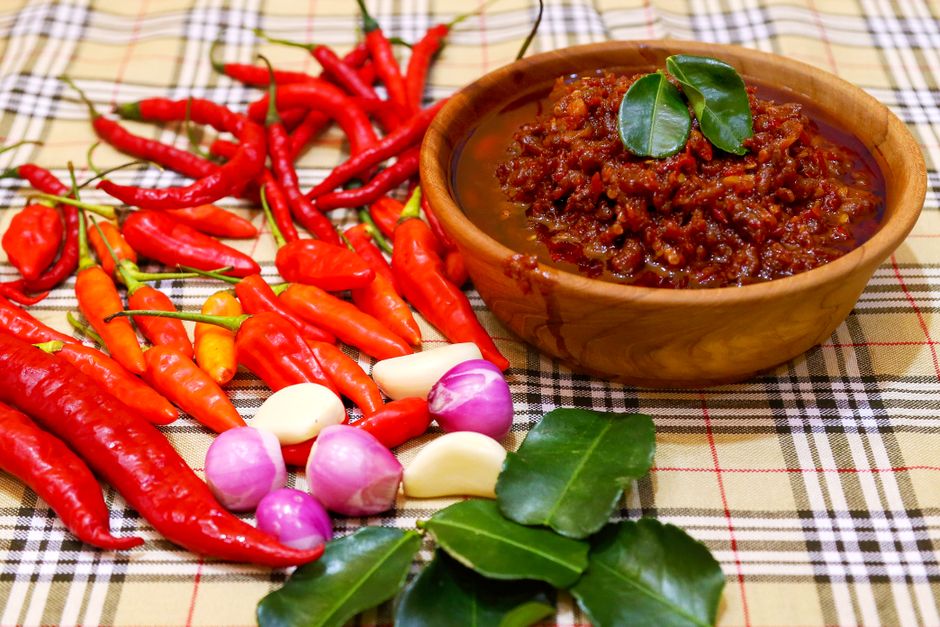
The Home Cook's Guide to Harissa: Building North Africa's Fiery Chili Paste from Scratch
There is something fundamentally transformative about moving beyond the convenience of a jarred sauce and committing yourself to the process of building a complex, vibrant condiment from scratch. Harissa, the backbone of Tunisian cuisine and a revered staple across the Maghreb, is far more than just "chili paste." It is a symphony of heat, aromatic spice, garlic, and citrus that can elevate a mundane weeknight dinner into a culinary event that feels both ancient and deeply personal. When you take the time to toast whole spices, rehydrate dried chilies, and emulsify the mixture with high-quality olive oil, you aren’t just following a recipe; you are engaging in a centuries-old tradition of preserving the fire of the sun in a jar.
For the home cook, the beauty of harissa lies in its forgiving nature and its immense versatility. Unlike delicate French mother sauces that demand surgical precision and constant attention, harissa invites you to play with the ratios until you find the exact balance of smoke, acidity, and heat that makes your palate sing. It is a forgiving medium, yet it rewards those who pay attention to the fundamental chemistry of the ingredients involved. By mastering the art of the mortar and pestle—or even a high-powered blender—you unlock a world of flavor that store-bought versions, often laden with preservatives and stabilizers, simply cannot replicate.
This guide is designed to move you from a hesitant experimenter to a confident maker of your own house-blend harissa. We will explore the specific varietals of dried peppers that provide depth, the crucial importance of toasting spices to unlock essential oils, and the precise emulsification techniques that ensure your final product is velvety and shelf-stable. Whether you intend to use this fiery paste as a marinade for grilled lamb, a base for a shakshuka, or a secret ingredient in your salad dressings, the following pages will provide the technical foundation you need. Prepare your pantry, clear your counters, and get ready to invite the bold, unapologetic heat of North Africa into your kitchen.
Understanding the Anatomy of Harissa
At its core, harissa is a balance of capsaicin intensity and aromatic depth. If you think of it only as a spicy condiment, you are missing half the equation. The profile should be layered: the initial punch of chili should be immediately softened by the earthy sweetness of toasted cumin and coriander, the floral notes of caraway seeds, and the sharp, bright bite of fresh or preserved lemon. Achieving this harmony requires you to source high-quality, whole ingredients whenever possible, as ground spices lose their volatile oils and complexity rapidly once exposed to light and air.
The peppers themselves are the primary decision point. While many Western recipes suggest generic "dried red chilis," the professional approach is to blend varietals to achieve a multi-dimensional heat profile. For a traditional, accessible profile, aim for a combination of Guajillo for sweetness and body, Ancho for a deep, prune-like richness, and Arbol for that sharp, aggressive heat that tickles the back of the throat. This combination allows you to control the Scoville level of your final product while maintaining a robust, savory backbone.
"A truly exceptional harissa is not merely a test of endurance against heat; it is an exploration of how sunlight, earth, and patience manifest in the form of a dried fruit. Treat your chilies with the same reverence a baker treats their flour, and you will never go back to the jar."
The Role of Aromatics
Garlic is the aromatic soul of harissa, but its role changes based on how it is prepared. If you roast the garlic heads before blending, you gain a mellow, caramelized sweetness that rounds out the sharp edges of the peppers. If you use raw garlic, you achieve a punchy, aggressive bite that works exceptionally well if you plan to use the harissa as a marinade for fatty meats like lamb or chicken thighs. I recommend a 50/50 approach: roast half the garlic to provide a base, and add the other half raw to provide the necessary piquancy.
The Power of Seeds
Never underestimate the importance of seeds in your spice blend. Coriander seeds provide a citrusy, floral note that cuts through the fat of the olive oil. Cumin, when toasted, provides the smokiness that acts as a bridge between the fruitiness of the dried chilies and the acidity of the citrus. Caraway is the traditional secret ingredient that adds a distinct, slightly nutty, and anise-like finish. Always toast these whole in a dry skillet over medium-low heat until fragrant—about 60 to 90 seconds—before grinding.
The Chemistry of Proper Hydration
The most critical technical step in making harissa is the rehydration of the dried chilies. Many beginners make the mistake of using boiling water and letting the chilies sit for too long, which results in a mushy, water-logged product that lacks intensity. Instead, you should aim for a controlled maceration. By using hot—not boiling—water and keeping the chilies submerged just long enough to become pliable, you ensure that you aren't leaching all of the flavorful oils out into the soaking liquid, which is often discarded.
Timing is everything here. Depending on the thickness of the skins, most dried chilies will reach their peak hydration in about 20 to 30 minutes. You want them to be soft enough to break easily with a fingernail, but not so soft that they disintegrate. Once they are ready, discard the stems and the bulk of the seeds—unless you are aiming for a significantly higher heat level—and drain them thoroughly. Patting them dry with a clean kitchen towel before processing is a professional trick that allows you to control the final moisture content of your paste.
Controlling Moisture Content
The final texture of your harissa is dictated by how much liquid you introduce during the blending process. If you want a spreadable, butter-like consistency, you need to rely on the fat—specifically, high-quality extra virgin olive oil—rather than water. Excess water promotes spoilage and prevents the paste from forming a stable emulsion. By using only the residual moisture on the chilies and a generous stream of oil, you create a shelf-stable, velvety emulsion that is far superior to any watery sauce.
The Importance of Acid
Every great condiment needs an acid to brighten the palate. In harissa, this usually comes in the form of lemon juice or, more traditionally, preserved lemon. The fermentation process inherent in preserved lemons adds a funk and depth that fresh lemon juice simply cannot replicate. If you have the foresight to prepare preserved lemons, incorporate the rind, minced finely, into your blend. If you are in a pinch, fresh lemon zest and juice will suffice, but do not skip this step; without acid, the heat and fat will feel heavy and flat on the tongue.
The Art of the Blend
When it comes to processing your harissa, the tool you choose changes the mouthfeel. A mortar and pestle is the gold standard for traditionalists. The grinding action breaks down the chili fibers and integrates the garlic and spices in a way that respects their cellular structure. However, in a modern home kitchen, a high-powered blender or a robust food processor is entirely acceptable and often more practical for larger batches. The key is to start slow and increase speed gradually, adding your olive oil in a steady, thin stream.
Professional chefs utilize a process called stage-blending. First, pulse the hydrated peppers with the garlic and toasted spices to create a coarse, uniform paste. Once the texture is homogenous, slowly drizzle in the oil while the processor is running on low. This is the moment of emulsification. You will watch the color of the paste change from a matte, brick-red to a glossy, vibrant scarlet. This change in color indicates that the oil has successfully bound with the pulp, creating a richer, more luxurious mouthfeel.
"True emulsification is the difference between a loose mixture of chili bits and a cohesive, vibrant condiment that clings to food as if it were born there. Take your time, trust the process, and let the oil do the work."
Salt: The Great Enhancer
Salt is not just a seasoning; it is a preservative and a flavor enhancer that bridges the gap between the heat of the chilis and the aromatics. When making harissa, use a fine-grain sea salt. Because salt levels can vary wildly depending on the variety of chili and the hydration method, start with a conservative ratio: 1 teaspoon per cup of paste. You can always add more salt, but you cannot remove it. Remember that as the harissa sits in the refrigerator, the flavors will meld and the saltiness may intensify slightly as moisture evaporates.
Temperature Control
Do not let your blender or food processor run for too long. High-speed blending generates heat, and that heat can begin to "cook" your garlic and spices, potentially introducing a slightly metallic or bitter note to the final product. If you find your paste is getting warm, stop the machine, scrape down the sides, and let it rest for a few minutes. Working with cool ingredients helps maintain the brightness and the raw, vibrant character of the peppers.
Storage and Maturation
Harissa is a living product. Much like a fine wine or a complex curry, it tastes significantly better 24 to 48 hours after it is made. During this time, the oils fully extract the aromatics from the spices, and the heat begins to mellow into a more rounded, lingering experience. Store your finished harissa in a sterilized glass jar. Glass is non-reactive, which is vital when dealing with such an acidic, oil-heavy mixture. A plastic container can absorb the oils and odors, which will be impossible to remove later.
To ensure the longevity of your harissa, always top off the jar with a thin layer of olive oil after each use. This creates a seal that prevents air from reaching the paste, which protects the integrity of the aromatics and prevents the surface from darkening. When properly sealed and stored in the back of your refrigerator, a fresh, homemade harissa can last for up to three months. If you find yourself making large batches, you can safely freeze portions in ice cube trays, then transfer the cubes to a freezer-safe bag for long-term storage.
Recognizing Spoilage
While the oil barrier and the natural acidity of the peppers help preserve the harissa, it is important to be vigilant. If you notice any mold growth on the surface, or if the paste develops a sour, fermented smell that wasn't there initially, discard the entire batch. Using clean, dry utensils every time you scoop from the jar is the best way to prevent the introduction of bacteria. Treat your harissa with the same hygiene standards you would apply to canning or fermenting.
Scaling for Success
When scaling your recipe up, do not simply multiply the garlic and the salt without tasting. Aromatics can become overwhelming when amplified. If you are moving from a small batch intended for a weekend feast to a large batch for long-term storage, keep the chili-to-oil ratio consistent, but temper the garlic and the caraway seeds slightly to ensure that the balance remains elegant rather than aggressive.
Versatility in the Kitchen
Once your harissa is prepared, the question is how to best utilize it. Think of harissa as a flavor foundation rather than just a garnish. It acts as a powerful rub for roasted vegetables—tossed with carrots or cauliflower before they hit a 400-degree oven, the natural sugars of the vegetables caramelize with the heat of the chilis. It also functions beautifully as a base for braising liquids. A tablespoon stirred into a tomato-based tagine or a slow-cooked lamb shoulder adds a depth that standard chili flakes or powders simply cannot achieve.
For a quick and effective marinade, whisk three tablespoons of harissa with half a cup of Greek yogurt and a splash of lemon juice. The acidity of the yogurt tenderizes the meat while the fat in the harissa helps distribute the heat evenly. This is particularly effective for chicken skewers or lamb chops, as the yogurt prevents the chilis from burning too quickly under high heat. You are essentially creating a North African-inspired tandoori marinade, where the boldness of the harissa takes center stage.
Beyond Savory
For the truly adventurous home cook, consider the role of harissa in unexpected places. A tiny, barely-there smear of harissa in a dark chocolate ganache can provide a surprising, sophisticated warmth that delights the palate. Similarly, stirring a small amount into a maple syrup glaze for roasted squash or sweet potatoes creates a savory-sweet profile that is incredibly addictive. The goal is to understand how the heat and smoke can be used as a contrasting note in dishes that are otherwise quite rich or sweet.
Pairing with Herbs
Harissa pairs exceptionally well with fresh, green herbs. As you plate your dishes, consider topping them with generous amounts of chopped parsley, cilantro, or mint. The brightness of these herbs cuts through the heavy, oily nature of the chili paste, providing a refreshing relief that allows you to enjoy the complexity of the harissa without your palate becoming fatigued. A dish finished with a dollop of harissa, a sprinkle of fresh herbs, and a drizzle of cool yogurt is a study in balance.
Troubleshooting Your Harissa
If your harissa turns out too spicy for your guests, don't panic. You can easily moderate the heat by incorporating more roasted red peppers—the jarred, fire-roasted variety works in a pinch—or by adding a small amount of roasted carrot. The sweetness of the carrot will mask the sharpness of the chilis without diluting the overall flavor profile. If your paste is too thick, add a small amount of warm water or additional olive oil, but do so very slowly; you don't want to turn your paste into a soup.
If you find that the flavor is lacking depth, it is almost certainly a problem with the toasting of the spices. Did you use pre-ground spices? Did you rush the toasting process? If the spices were not properly bloomed, the flavor will be one-dimensional. To fix a "flat" harissa, lightly toast a new batch of cumin and coriander in a dry pan, grind them to a fine powder, and fold them into your finished paste. Let it sit for a few hours in the fridge, and you will notice a significant improvement in the aromatic profile.
"In the kitchen, there are no true failures, only opportunities to calibrate your palate. Every batch of harissa you make teaches you something new about the ingredients, the heat, and your own personal preferences."
Texture Corrections
If the texture is too grainy for your liking, you likely didn't process the skins of the dried chilis enough. Dried chilies can be tough. Ensure that your initial rehydration was sufficient. If the paste is already finished, you can pass it through a fine-mesh sieve with the back of a spoon to remove the tough skin particles. This will leave you with a refined, smooth puree. While this loses some of the "rustic" character, it makes for a much more elegant experience when using the harissa in emulsions or sauces.
The "Too Smoky" Problem
Sometimes, depending on the chilis you use, the flavor can lean too heavily into the smoke, masking the brighter notes of the lemon and coriander. If this happens, increase the amount of citrus. Adding a bit more preserved lemon or even a touch of high-quality red wine vinegar can lift the flavor profile and push the smokiness into the background. The goal is always equilibrium. Think of it like tuning a guitar—a tweak here, a slight adjustment there—until the sound is exactly what you want it to be.
Final Thoughts
The process of crafting your own harissa is a profound exercise in intentional cooking. By selecting the specific chilies, toasting your own aromatics, and controlling the emulsification, you are taking ownership of the flavor profile in a way that is increasingly rare in our modern, convenience-driven world. This paste is not just a recipe; it is a testament to the home cook’s ability to manipulate raw, humble ingredients into something vibrant, complex, and deeply satisfying.
I encourage you to use this guide as a starting point rather than a rigid set of instructions. Once you understand the technical requirements—proper hydration, the importance of toasting spices, and the emulsification of fats—the world of harissa is yours to conquer. Experiment with the addition of smoked paprika for a deeper charred flavor, or try blending in different types of peppers like Aleppo or Aleppo-style for a more nuanced, fruity heat. The variations are endless, and each one tells a different story about your preferences as a chef.
Building this culinary bridge to North Africa in your own kitchen brings a warmth and complexity to your table that is truly singular. Whether you are marinating a leg of lamb for a holiday feast or simply adding a teaspoon to your morning eggs to jumpstart your day, your homemade harissa will stand out as a labor of love. As you store your jars and clean your workspace, take pride in the fact that you have mastered a foundational technique that honors tradition while allowing for personal expression. Now, go forth and add a little fire to your life—your cooking will thank you for it. Happy blending, and remember: if it’s too spicy, just blame the chef, but make sure you’re the one holding the spoon!


Get the Next Recipe
Weekly recipes, techniques, and gear picks — straight to your inbox.
