
The Home Cook’s Guide to Hydration-Balanced Marinades: Mastering Salt-to-Acid Ratios for Perfectly Tenderized and Flavor-Infused Proteins
We have all been there: standing before a beautiful, expensive cut of protein, dreaming of a restaurant-quality sear, only to be left with something that resembles a dry, flavorless kitchen sponge. The frustration of an over-marinated piece of chicken or a steak that has turned mushy is a rite of passage for every home cook, yet it is a tragedy that is entirely avoidable. We often think of marinades as magical baths that infuse flavor into the deepest fibers of our food, but the reality is that they are complex chemical reactions involving osmosis, protein denaturing, and surface tension. Understanding how your ingredients interact is the difference between a mediocre weeknight meal and a dish that guests will be talking about for months. Welcome to the masterclass on hydration-balanced marinades, where we stop guessing and start mastering the science of the kitchen.
When we talk about marinades, the most common error is the assumption that more is better. You might believe that letting a steak sit in lemon juice and soy sauce for twenty-four hours will yield a more flavorful result, but culinary science tells us otherwise. Acids will begin to break down the connective tissue and muscle fibers, turning a firm protein into a granular, mealy mess if left unchecked. Simultaneously, salt acts as both a flavor enhancer and a moisture-drainer depending on the concentration and the timing. If you have ever wondered why your pork chops lost all their internal juices despite being submerged in liquid, you have likely fallen victim to the dehydration effect caused by an imbalanced ratio.
The goal of this guide is to demystify these variables, providing you with a reliable framework that you can adapt to any protein, whether you are preparing a delicate white fish, a hearty brisket, or firm tofu. We will break down the essential components—salt, acid, oil, aromatics, and moisture—to ensure that your proteins remain succulent, perfectly seasoned, and structurally sound. By the end of this journey, you will no longer blame the chef when things go wrong because you will be the chef who understands the molecular architecture of every marinade. Let us move past the hearsay and dive into the precise ratios and techniques that define professional-level marinating.
The Chemistry of Salt: Controlling Moisture and Seasoning
Salt is the most important element in any kitchen, but in the context of marinating, it behaves differently than it does on a steak right before searing. Through the process of osmosis, salt will pull moisture out of the meat initially, only for that moisture to be reabsorbed back into the fibers—along with any dissolved flavor compounds—as the protein rests. If your salt concentration is too high, you create an environment that draws too much moisture out, resulting in a protein that feels tight, dry, and over-cured.
The ideal concentration for a wet marinade is typically between 1% and 2% salt by total weight of the liquid and protein combined. This is a culinary sweet spot; it is salty enough to penetrate the outer layers of the tissue without forcing the interior to lose its structural integrity. If you are using ingredients like soy sauce, fish sauce, or miso, you must account for the high saline content of these ingredients before adding granular table or sea salt.
Why Timing Matters
Timing is the bridge between a tender piece of meat and a ruined one. For thin cuts like chicken breast or pork loin, two to four hours is the maximum effective window. If you exceed this, you risk the salt drawing out the moisture faster than the fibers can reabsorb it. For larger, thicker cuts like a roast or a whole bird, you can extend the time up to eight hours, provided the temperature remains controlled. Always ensure your marinating protein is kept in the refrigerator at a temperature between 34°F and 38°F to prevent bacterial growth while allowing the molecular movement to occur safely.
"A marinade is not a miracle cure for low-quality ingredients; it is a precision tool designed to enhance texture and build depth of flavor through calculated molecular interaction."
Mastering the Acid-to-Fat Equilibrium
Acid is the brightness that cuts through the richness of fat, but it is also the primary driver of protein denaturing. Think of acids like lemon juice, vinegar, or yogurt as "softeners." They work by changing the structure of the proteins in the meat, which can make it tender, but if pushed too far, they will cause the muscle fibers to clump together and lose their capacity to hold liquid. A good rule of thumb is to maintain an acid-to-oil ratio of 1:3. The oil acts as a barrier, slowing down the penetration of the acid, which prevents that dreaded "mushy" texture on the outer layer of the protein.
Choosing Your Acid
The type of acid you select depends on the desired outcome and the type of protein you are using. For poultry, citrus juices provide a clean, vibrant profile but can become aggressive quickly due to their high concentration of citric acid. Vinegars, such as apple cider or sherry vinegar, offer a more complex, mellow acidity that pairs beautifully with pork or beef. If you are working with delicate proteins like white fish or scallops, stick to very mild acids like a light rice vinegar or even just citrus zest, as these proteins will denature in as little as thirty minutes.
The Role of Aromatics and Emulsification
An aromatic-heavy marinade is what gives a dish its identity. We are talking about garlic, ginger, shallots, fresh herbs, and spices. However, it is important to remember that most of these flavors are oil-soluble, not water-soluble. By emulsifying your marinade—blending your oil, acid, and aromatics until they form a stable mixture—you ensure that the flavors coat the protein evenly rather than settling at the bottom of your container.
Techniques for Flavor Extraction
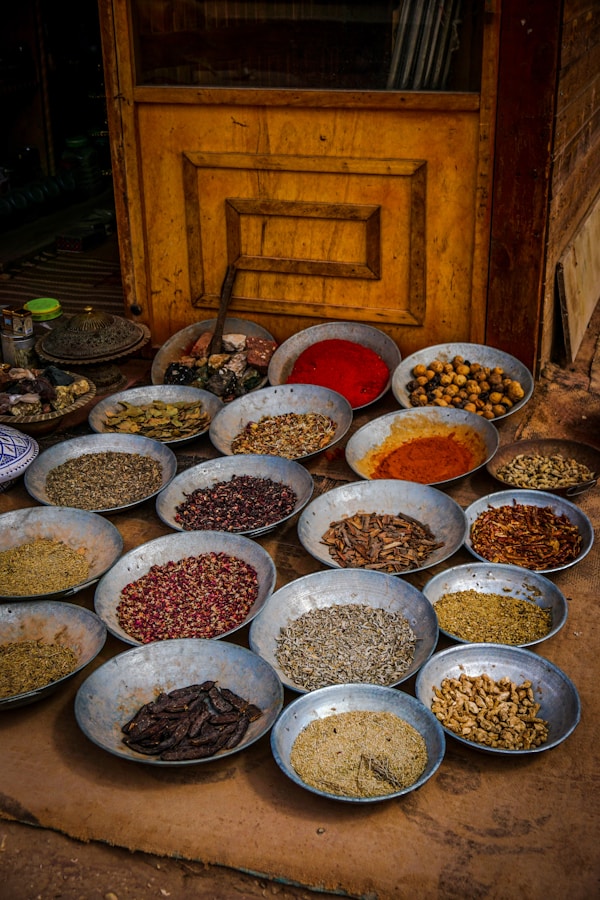
To extract the most flavor from your aromatics, always crush your garlic, bruise your fresh herbs, and toast your dry spices before introducing them to the liquid base. Toasting spices releases essential oils that might otherwise remain dormant. Once you have combined your ingredients, let them sit for at least thirty minutes before adding your protein. This allows the flavors to integrate and "marry," ensuring that the first piece of meat you pull out of the bag tastes exactly the same as the last one.
Garlic and Ginger:* Always smash or grate to maximize the surface area and oil release.
Fresh Herbs:* Woody herbs like rosemary and thyme can withstand longer marinating times, while delicate herbs like cilantro or basil should be reserved for the final hour or added as a garnish after cooking.
Dried Spices:* Always toast briefly in a dry pan until fragrant, then grind into a fine powder for the best distribution of flavor.
Temperature Control: The Hidden Variable
We often talk about the temperature of the oven or the grill, but we rarely discuss the temperature of the marinade itself. If you take a cold protein directly from the fridge and drop it into a room-temperature marinade, the sudden change can negatively impact the surface texture. Ideally, your marinade should be refrigerated along with the protein. If you are in a rush, do not be tempted to let the protein marinate on the counter at room temperature; this is a food safety hazard that provides a breeding ground for bacteria while simultaneously encouraging the acid to degrade the surface of the meat too rapidly.
Bringing it to Room Temperature
Before you cook, remove the protein from the marinade and pat it thoroughly dry with paper towels. Moisture is the enemy of the sear. If the surface of the meat is wet, it will steam rather than brown. By patting it dry, you ensure that the Maillard reaction—the browning process that creates deep, complex flavors—can occur as soon as the meat hits the hot surface of your pan or grill. The goal is to have the aromatics from the marinade "stuck" to the meat, not to have the meat dripping in excess liquid.
"If you want a professional sear, you must sacrifice the liquid. A dry surface is the prerequisite for a golden-brown crust."
The Art of the Delivery System: Bags vs. Bowls
The vessel you choose for marinating is more than just a matter of convenience; it determines how much of the marinade actually makes contact with the protein. Vacuum-sealing bags are, by far, the most efficient method for marinating. By removing the air, you force the marinade into the pores of the meat, significantly reducing the required marinating time. If you do not have a vacuum sealer, a heavy-duty zip-top bag with the air squeezed out is a fantastic alternative.
When to Use a Bowl
Glass or ceramic bowls are excellent if you are working with large, delicate pieces of meat that you do not want to crush or if you are marinating items that need to be carefully layered. However, be aware that you will need more marinade volume to ensure the protein is completely submerged, as you have to account for the gaps between the pieces. If you choose a bowl, place a piece of plastic wrap directly on the surface of the liquid to prevent oxidation and ensure even contact.
Zip-top bags:* Best for efficiency, flavor penetration, and minimal cleanup.
Glass bowls:* Best for maintaining temperature and preventing chemical reactions with acidic ingredients.
Stainless steel:* Avoid using for long marinating sessions, especially with highly acidic mixtures, as the acid can react with the metal and impart a metallic taste to your food.
Advanced Techniques: Dry Brining and Injection
While this guide focuses on hydration-balanced marinades, it is worth noting that sometimes, the best "marinade" is actually a dry brine. Dry brining involves coating the protein in a layer of salt and spices and letting it rest uncovered in the refrigerator. This draws out moisture, which then dissolves the salt, creating a concentrated brine that is pulled back into the meat through osmosis. This method produces a significantly crispier skin on poultry and a more intense, beefy flavor in red meats because there is no excess water to evaporate during the cooking process.
The Power of Injection
For large cuts of meat like briskets, turkeys, or hams, surface-level marinating simply cannot reach the center. In these instances, a marinade injector is your best friend. By injecting a balanced salt/acid/aromatic solution directly into the thickest parts of the muscle, you guarantee moisture and flavor from the inside out. When injecting, use a solution that is thin enough to pass through the needle without clogging—strain your liquid through a fine-mesh sieve to remove any large particles of garlic or spice that could obstruct the flow.
Avoiding Common Pitfalls
The most frequent "Blame The Chef" moment comes from overestimating the power of the marinade. Remember that a marinade is an external treatment. It will never replace the quality of the raw ingredient. If you start with a tough, low-quality cut of meat, a marinade might help with flavor and slight tenderization, but it cannot fix the fundamental composition of the protein. Focus on selecting high-quality, well-marbled cuts, and let the marinade simply act as the final layer of polish on a great foundation.
Another common mistake is discarding the marinade too early. If you are making a marinade that you intend to use as a sauce, you must boil it for at least five minutes to ensure any bacteria from the raw meat are killed. Better yet, set aside a portion of the marinade before it ever touches the raw protein and store it in the refrigerator to be used as a finishing glaze. This adds a punch of fresh flavor that a long-cooked marinade often loses during the heat of the grilling or searing process.
Final Thoughts
Mastering the balance of a marinade is about respect—respect for the chemistry of the ingredients and respect for the time it takes to develop flavor. By balancing your salt content, keeping your acid-to-oil ratios in check, and paying attention to the temperature and surface moisture of your proteins, you can transform the way you cook. You are no longer just "soaking" your meat; you are engineering the flavor and texture of your meal. The kitchen is a laboratory, and you now have the tools to ensure that every experiment yields a delicious result.
Remember to start with these foundational rules, and as you grow more confident, begin to experiment with your own flavor profiles. Swap the vinegar for citrus, incorporate different fats like sesame oil or herb-infused olive oil, and play with the spice blends. When you understand the "why" behind the "how," you remove the guesswork and the fear of failure. The next time you set out to prepare a meal, do so with the precision of a professional and the heart of a home cook. You now hold the keys to perfectly tenderized, beautifully flavored, and reliably delicious proteins every single time you step up to the stove. Keep experimenting, keep tasting, and above all, keep cooking with purpose. The journey to culinary excellence is a long one, but with these principles of hydration and balance as your guide, you are already miles ahead of the crowd. Every meal is an opportunity to practice, and every piece of protein is a canvas for your newly honed skills. Now, go forth and create something extraordinary.
Get the Next Recipe
Weekly recipes, techniques, and gear picks — straight to your inbox.