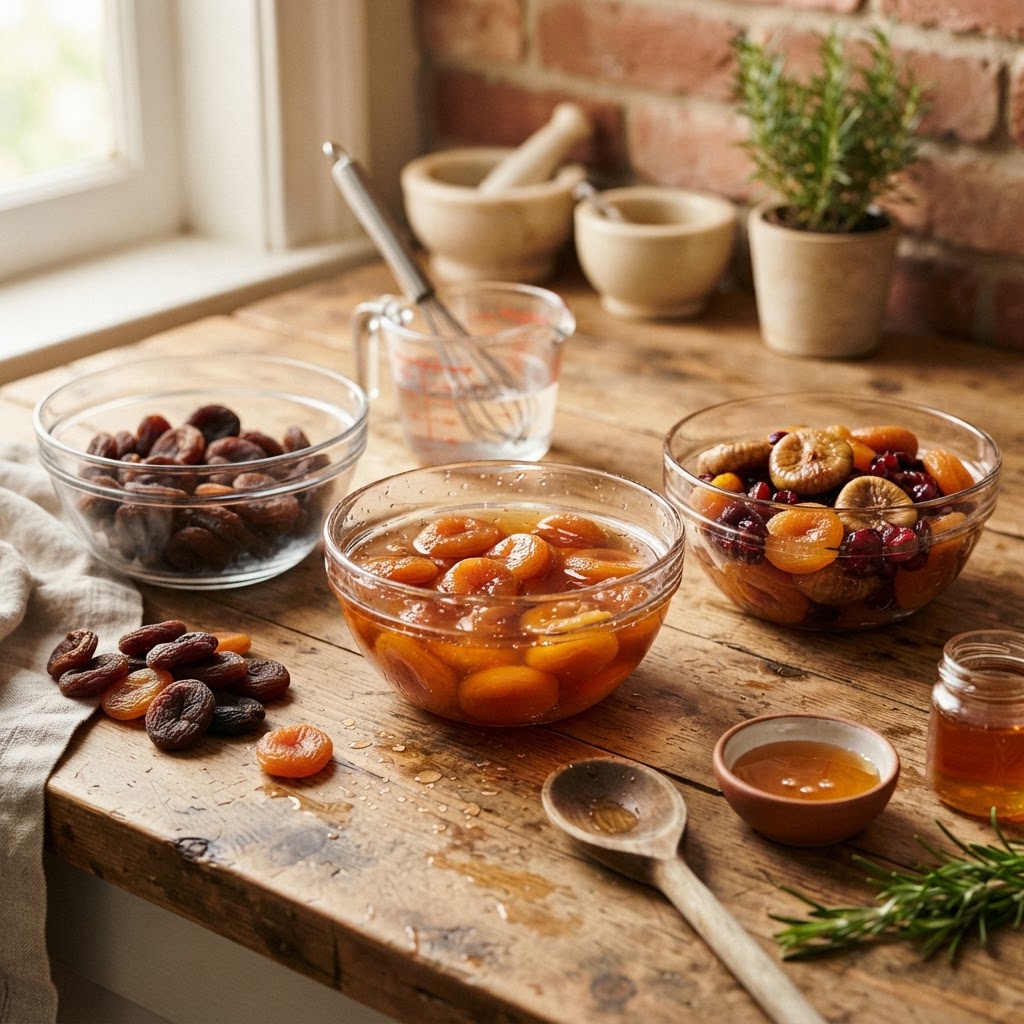
The Home Cook’s Guide to Hydration: Mastering Water-to-Dried-Fruit Ratios for Perfect Rehydration and Texture in Baking and Savory Dishes
If you have ever bitten into a slice of fruitcake that felt like a nutritional brick, or struggled with raisins that sucked all the moisture out of your oatmeal cookies, you have likely encountered the complex science of dried fruit hydration. Many home cooks view dried fruit as a shelf-stable ingredient that is ready to use straight from the bag, but this is a fundamental misconception that limits your culinary potential. When fruit is dehydrated, its cell walls collapse and the sugars become concentrated, creating a barrier that is often resistant to immediate rehydration. Understanding how to coax moisture back into these shriveled treasures is the secret difference between a mediocre kitchen experiment and a pastry that feels professionally crafted. Today, we are going to dive deep into the chemistry of hydration and how you can manipulate ratios to ensure your ingredients remain succulent, vibrant, and perfectly integrated into your dishes.
The process of rehydration is essentially a game of osmosis, where liquid migrates into the fruit tissue to restore its original, plump structure. Without proper preparation, your dried fruit will act like a culinary sponge, stealing moisture from your doughs, batters, or sauces while they bake or simmer. This unintended moisture theft can ruin the structural integrity of your cakes and turn a delicate sauce into a gummy, over-thickened mess. By mastering the art of the soak, you shift from being a passive cook to a proactive architect of flavor and texture. We will cover everything from basic water soaks to advanced infusions, providing you with the technical ratios that every serious home kitchen needs to achieve consistency in every single recipe.
As we journey through this guide, keep in mind that not all dried fruits are created equal, as their size, sugar content, and drying method drastically affect their behavior. A sun-dried apricot has a vastly different cell density than a soft, plump medjool date or a brittle, industrial-grade cranberry. We will explore how these variables influence your liquid-to-fruit ratios and provide you with a reliable framework to adjust your methods on the fly. Whether you are folding currants into a sophisticated sourdough loaf, building the base for a savory Moroccan tagine, or creating a festive fruit compote, the techniques outlined here will ensure your ingredients sing with the brightness and tenderness they deserve. It is time to stop blaming the recipe and start understanding the ingredients, so let’s get our hands dirty in the pursuit of the perfectly hydrated bite.
The Chemistry of Rehydration: Why It Matters
At the heart of dried fruit usage is the concept of equilibrium. When you add a dehydrated ingredient to a moist environment—like a muffin batter—the water naturally moves from the area of high concentration (your batter) to the area of low concentration (the fruit). This process occurs rapidly during the initial stages of baking, which is why your cakes often turn out dry or unevenly textured. By pre-hydrating your fruit, you essentially fill those cellular voids with the liquid of your choice before the cooking process even begins. This ensures that the fruit stays plump and the surrounding medium remains at its intended moisture level.
The Role of Osmotic Pressure
When you soak fruit, you are exploiting osmotic pressure. Depending on the liquid you use—be it water, fruit juice, tea, or alcohol—you can force molecules into the fruit tissue. If you use pure water, the process is straightforward. However, if you use a liquid with a high sugar or alcohol concentration, you are simultaneously flavoring the fruit while rehydrating it. This is why professional chefs often advocate for a long, slow soak rather than a quick microwave burst, as the slow introduction of moisture allows the cell walls to relax and expand gradually without bursting.
Structural Integrity and Cell Walls
The goal is to move from a shriveled state to a turgid state. When fruit is dried, it loses its water content, causing the internal structure to collapse. If you rehydrate too quickly or with too much heat, the tissue can become mushy, losing the textural resistance that makes a dried cherry or currant interesting in a finished dish. By keeping your rehydration temperatures controlled, you maintain the structural integrity of the fruit, ensuring that when a diner bites into your dish, they get a satisfying burst of flavor rather than a disintegrated paste.
"Rehydration is not merely adding water; it is a culinary reclamation project. You are restoring the soul of the fruit to its rightful place within the dish, ensuring that the texture becomes a feature rather than a fault."
Selecting the Right Soaking Liquid
While water is the most accessible choice for hydration, it is rarely the most flavorful. The liquid you choose acts as a carrier for aromatics, acidity, and sweetness. For savory dishes, think about using stocks, vinegars, or dry wines. For baking, consider teas, fruit juices, or spirits. The liquid should be treated as an ingredient in its own right, as the fruit will absorb a significant amount of the soaking medium, effectively becoming a vessel for that flavor.
Aqueous Solutions vs. Alcohol Infusions
Water, being a polar solvent, is excellent at penetrating fruit tissue quickly. However, alcohol infusions require a longer lead time. Because alcohol molecules are larger and interfere with the osmosis process, you will find that macerating fruit in brandy or rum takes significantly longer than soaking in warm water or apple juice. If you are in a rush, a "hybrid" approach works best: soak the fruit in hot tea for 20 minutes to restore moisture, then finish by macerating in alcohol to layer in the complexity.
Adjusting for Acidity
The pH of your soaking liquid also influences the final outcome. Highly acidic liquids, such as citrus juice or vinegar, will actually firm up the pectin in the fruit, preventing it from turning into mush. This is a vital chef’s secret for ingredients like dried apricots or cherries, which have a tendency to soften too much during long bakes. If you find your fruit is becoming too mushy, add a splash of lemon juice to your soak to provide a structural buffer.
Standard Ratios for Perfect Hydration
Precision is key when rehydrating. A general rule of thumb for most dried fruits—like raisins, cranberries, and cherries—is a ratio of 1:2 by weight. This means one part dried fruit to two parts liquid. However, for dense, fibrous fruits like dried figs or apricots, you may need a ratio of 1:3 to account for the deeper dehydration levels. These ratios ensure there is enough liquid to fully submerge the fruit while providing a surplus that can be used later in your recipe.
Step-by-Step Soaking Protocol
The "Plumpness" Test
How do you know when your fruit is finished? It should feel pliant and uniform throughout, with no hard, dry center. If you press a raisin between your thumb and forefinger, it should give easily and bounce back slightly. If it feels leathery or stiff in the center, it needs more time. Do not skip this step; a few extra minutes of patience here will save you from the disappointment of a gritty finished product.
Managing Temperature: The Hot vs. Cold Debate
Temperature dictates the speed of the molecular movement. Hot soaks utilize the kinetic energy of boiling liquid to drive moisture into the cells almost instantly. This is ideal for when you are short on time or when the fruit is particularly stubborn. Cold soaks, conversely, are a slow, steady process that minimizes the risk of breaking down the fruit’s structure, making it the preferred method for delicate fruits like raspberries or blueberries.
The Dangers of Overheating
One common mistake home cooks make is boiling the fruit in the liquid. This effectively cooks the fruit, turning it into a compote before it even hits your batter. Unless you are specifically making a jam or a filling, avoid applying direct heat to the fruit during the soaking process. Simply pour the hot liquid over the fruit and let it stand off the heat. This "steeping" method retains the vibrant color and individual shape of the fruit pieces.
Utilizing Residual Heat
When working with very hard fruits, like dried mango or ginger, try a "gradual heat" approach. Pour near-boiling water over the fruit and immediately cover the bowl tightly with plastic wrap. The steam trapped inside creates a humid environment that accelerates the hydration process from all sides. This technique is particularly effective for thick, chewy dried fruits that seem resistant to a standard room-temperature soak.
"The difference between a home-baked good and a professional pastry is often found in the preparation of the smallest components. By controlling the temperature of your rehydration, you are not just preparing fruit; you are controlling the outcome of the entire bake."
Advanced Techniques: Alcohol Maceration and Infusions
For holiday baking, alcohol maceration is the gold standard. When you soak dried fruits in rum, bourbon, or brandy, you are not just hydrating them; you are preserving them. The alcohol replaces some of the water content while the sugars in the fruit leach out into the spirit, creating a beautiful, nuanced syrup. This method is legendary for fruitcakes and puddings, where the fruit is often soaked for weeks or even months to achieve maximum depth of flavor.
Building Complex Profiles
Do not feel limited to just one liquid. You can create complex infusions by adding spices, citrus zest, or herbs to your soaking liquid. For example, soaking raisins in earl grey tea with a cinnamon stick provides a sophisticated, floral note that pairs beautifully with autumnal spices. For savory applications, try soaking dried currants in a mixture of red wine vinegar and beef stock with a bay leaf before folding them into a lamb stuffing.
The "Syrup Recovery" Method
Never discard your soaking liquid. Even after the fruit has absorbed its fill, the remaining liquid is often packed with flavor and natural sugars leached from the fruit. Reduce this liquid on the stovetop to create a concentrated glaze or syrup. You can drizzle this over the finished cake, stir it into a pan sauce, or use it to sweeten a morning porridge. It is a fantastic way to maximize flavor efficiency in your kitchen.
Handling Specific Fruit Varieties
Different fruits have different cell structures, which means they react to hydration differently. Understanding these nuances will make you a much more versatile baker. For instance, raisins and currants are highly absorbent and can easily turn into mush if soaked too long. They only require a brief rinse and a short soak to regain their plumpness. Conversely, dried apricots and dates are dense and fibrous, requiring a much longer soak—sometimes overnight—to reach true hydration.
Table: Hydration Guide by Fruit Type
Raisins/Currants:* 1:1.5 ratio, 15 minutes in warm water.
Dried Cherries:* 1:2 ratio, 30 minutes in warm liquid (juice or tea).
Apricots/Dates:* 1:3 ratio, 2-4 hours in room temperature liquid.
Dried Mango/Pineapple:* 1:3 ratio, 4+ hours or overnight (soak in fruit juice for flavor).
Cranberries:* 1:2 ratio, 20 minutes in hot water (the acidity in these requires longer to soften the skins).
Dealing with Sulfur-Treated Fruit
Many commercially dried fruits are treated with sulfur dioxide to maintain their bright colors. If you find that your dried fruit leaves an unpleasant, chemical aftertaste, always rinse the fruit thoroughly under cold running water before you begin your soak. This extra step removes surface residue and ensures that your final dish has a clean, pure taste that isn’t tainted by processing chemicals.
Troubleshooting Common Issues
Even with the best techniques, things can occasionally go wrong. If your fruit is too soft, you have likely over-soaked it. In this case, you can drain the fruit thoroughly and spread it on a paper towel for 30 minutes to let the surface moisture evaporate. If your fruit is still hard after the recommended soak, you may have an older, very dry batch. Increase your soak time, move the bowl to a warmer area of the kitchen, or consider "shocking" the fruit with another 15 minutes in fresh boiling liquid.
Managing Batter Texture
If you are adding hydrated fruit to a batter, dust them lightly with flour before folding them in. This is a classic professional technique that prevents the fruit from sinking to the bottom of the tin during the bake. The flour coating helps the fruit adhere to the batter, ensuring even distribution throughout the loaf or cake. This is particularly important for heavy, fruit-laden recipes like heavy fruitcake or dense morning muffins.
When to Use Rehydrated Fruit in Savory Dishes
In savory cooking, the rehydration process should be integrated into the foundation of the dish. For tagines or stews, don’t just add the fruit at the end. Hydrate your dried apricots or prunes in the cooking liquid of the dish itself. This allows the fruit to absorb the spices and fats from the sauce, while the fruit, in turn, releases its sugars to balance the salt and acidity of the stew. It is a harmonious exchange that creates a much deeper, more cohesive final flavor profile.
"Culinary mastery is found in the details that most people ignore. By taking the time to understand the hydration needs of dried fruit, you are elevating your cooking from a chore to a craft."
Final Thoughts
Mastering the art of rehydration is a quiet, transformative skill. It takes the guesswork out of your baking and elevates the complexity of your savory dishes. When you move from tossing dry, shriveled bits into your mixing bowl to carefully hydrating your fruit with intentionality, you are taking control of the final texture and flavor of your creations. You are no longer fighting the ingredients; you are working in partnership with them.
Remember that patience is your greatest tool in the kitchen. Whether you are using a quick hot-soak method for a last-minute dinner or a slow, overnight maceration for a special holiday dessert, the time you invest is returned tenfold in the quality of your finished dish. Do not be afraid to experiment with different liquids, spices, and soaking times—that is where the joy of cooking truly lives.
As you move forward, keep a small notebook of your results. Note which fruits took the longest to hydrate and which liquids provided the best flavor pairing. Over time, this guide will become your own personal culinary manifesto. You will find yourself reaching for dried fruits not just as an afterthought, but as a primary, intentional element in your recipes. And the next time your cake comes out perfectly moist, or your lamb tagine boasts the perfect balance of sweet and savory, you will know exactly why—and you certainly won’t have to blame the chef. Happy cooking!



Get the Next Recipe
Weekly recipes, techniques, and gear picks — straight to your inbox.
