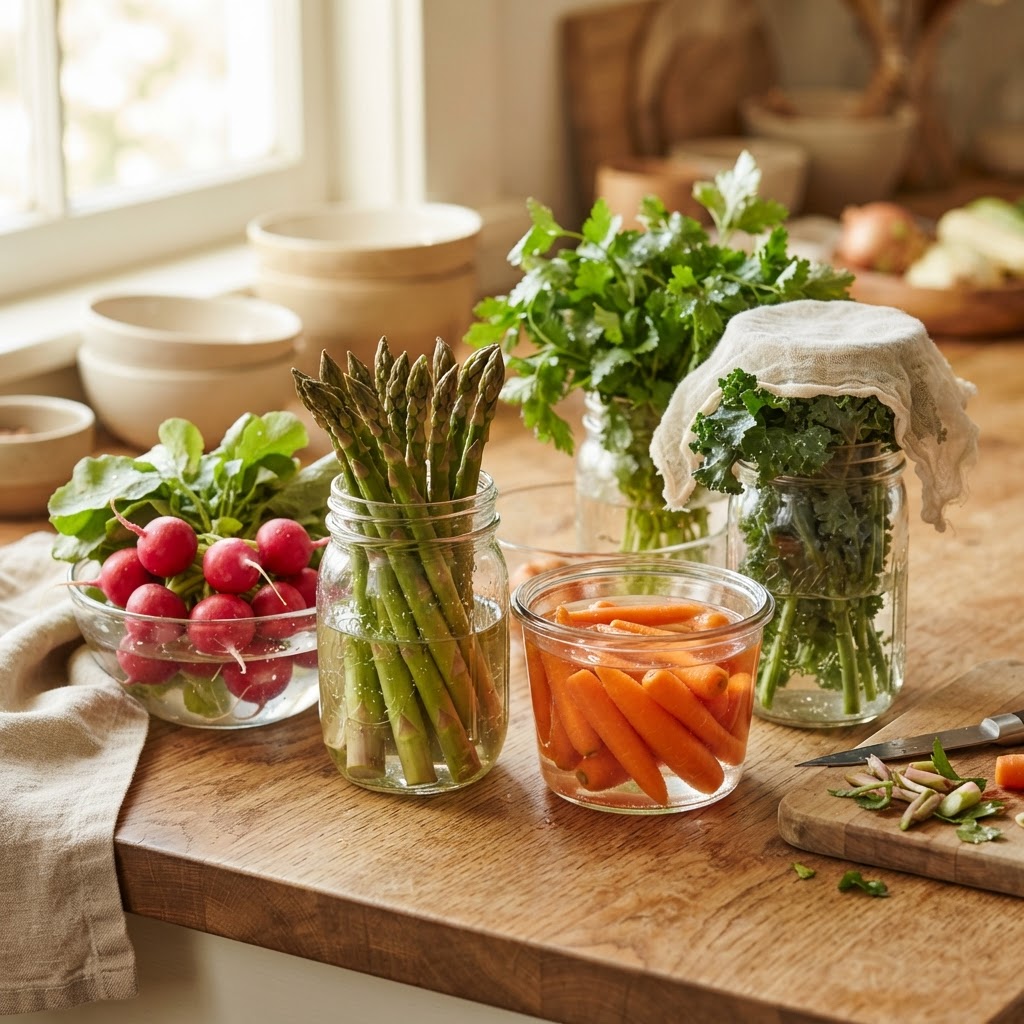
The Home Cook’s Guide to Hydration: Mastering Water-to-Produce Ratios for Perfectly Crisp and Vibrant Vegetable Storage
Every home cook has experienced that sinking feeling of opening the crisper drawer to find a head of lettuce that has surrendered to a slimy, wilted fate or carrots that have gone soft and bendy instead of retaining their signature snap. We spend our hard-earned money at farmers' markets and grocery stores, selecting the most vibrant produce, only to watch it lose its vitality within days due to improper storage. The truth is that most domestic refrigerators are designed for convenience rather than the biological needs of delicate plant tissues. Understanding the delicate balance of moisture, temperature, and airflow is the difference between a wasted grocery budget and a kitchen stocked with ready-to-use, restaurant-quality ingredients. Mastering these variables is not just a logistical necessity; it is an act of respect for the food you intend to serve.
At the heart of the issue lies the concept of transpiration, the process by which water evaporates from the leaves, stems, and fruits of produce. Once harvested, vegetables are essentially living organisms that are still breathing and losing moisture to their environment. If the air in your refrigerator is too dry, the vegetable loses too much water, resulting in the dreaded limpness that ruins your salads and stir-fries. Conversely, if there is too much trapped humidity without adequate airflow, you create a breeding ground for mold, rot, and bacterial decay. The "Blame The Chef" approach isn't about being perfect; it’s about understanding the internal chemistry of your produce so you can adjust your storage environment to keep those cell walls turgid and crisp for as long as possible.
In this guide, we are going to move beyond the generic "put it in the drawer" advice and dive into the hydration-to-produce ratios that professionals use to maintain peak freshness. We will explore the science of respiration rates, the impact of ethylene gas, and the specific hacks that turn standard kitchen tools—like paper towels, airtight containers, and humidity vents—into precision storage instruments. By the end of this post, you will view your vegetable bin not as a graveyard for good intentions, but as a carefully calibrated pantry for your fresh ingredients. It is time to stop letting your produce dictate your cooking schedule and start mastering the variables that keep your kitchen vibrant, crunchy, and ready for action.
The Science of Plant Hydration and Cell Turgor
To truly master produce storage, you must first understand the concept of turgor pressure. This is the force exerted by the water inside a plant cell against its cell wall, acting much like the air inside a bicycle tire. When a vegetable is fully hydrated, the cells are plump, the tissues are stiff, and the produce feels firm and crisp. When the environment surrounding the vegetable is dryer than the interior of the plant, water molecules migrate outward through osmosis, causing the cells to lose their internal pressure. This is precisely when you see wilting, wrinkling, and a total loss of structural integrity.
Maintaining this equilibrium requires us to control the relative humidity (RH) surrounding our produce. Most leafy greens and cruciferous vegetables prefer a high-humidity environment, ideally between 90% and 95% RH. However, simply tossing them into a plastic bag isn't enough, as that creates a stagnant microclimate that encourages decay. You need to provide enough moisture to prevent transpiration while allowing just enough gas exchange to keep the vegetable "breathing" without suffocating it. It is a balancing act that requires an appreciation for the unique biology of each category of vegetable.
Why Transpiration Is Your Biggest Enemy
The rate at which a vegetable loses water is directly tied to its surface-area-to-volume ratio. Think of a leaf of spinach versus a hearty potato. The spinach has a massive surface area and very thin walls, meaning it will dehydrate in hours if left out. The potato, however, has a thick, protective skin that acts as a barrier to moisture loss. Understanding your produce's skin-to-flesh ratio helps you decide how much extra protection you need to provide.
"A refrigerator is not just a cold box; it is an environment of extreme dryness that actively leaches the life out of your fresh produce. You must learn to build a protective shield around your ingredients, or you are simply feeding the bin."
The Professional Toolkit for Moisture Management
You don't need expensive equipment to replicate the conditions of a professional cold room. In fact, some of the best tools are already in your kitchen junk drawer. The goal of professional storage is to create a controlled micro-environment. This involves layering, which allows you to separate the produce from excess moisture, preventing the "slimy" phase while maintaining high humidity. By using absorbent materials like clean kitchen towels or paper towels, you can regulate the moisture levels surrounding the item.
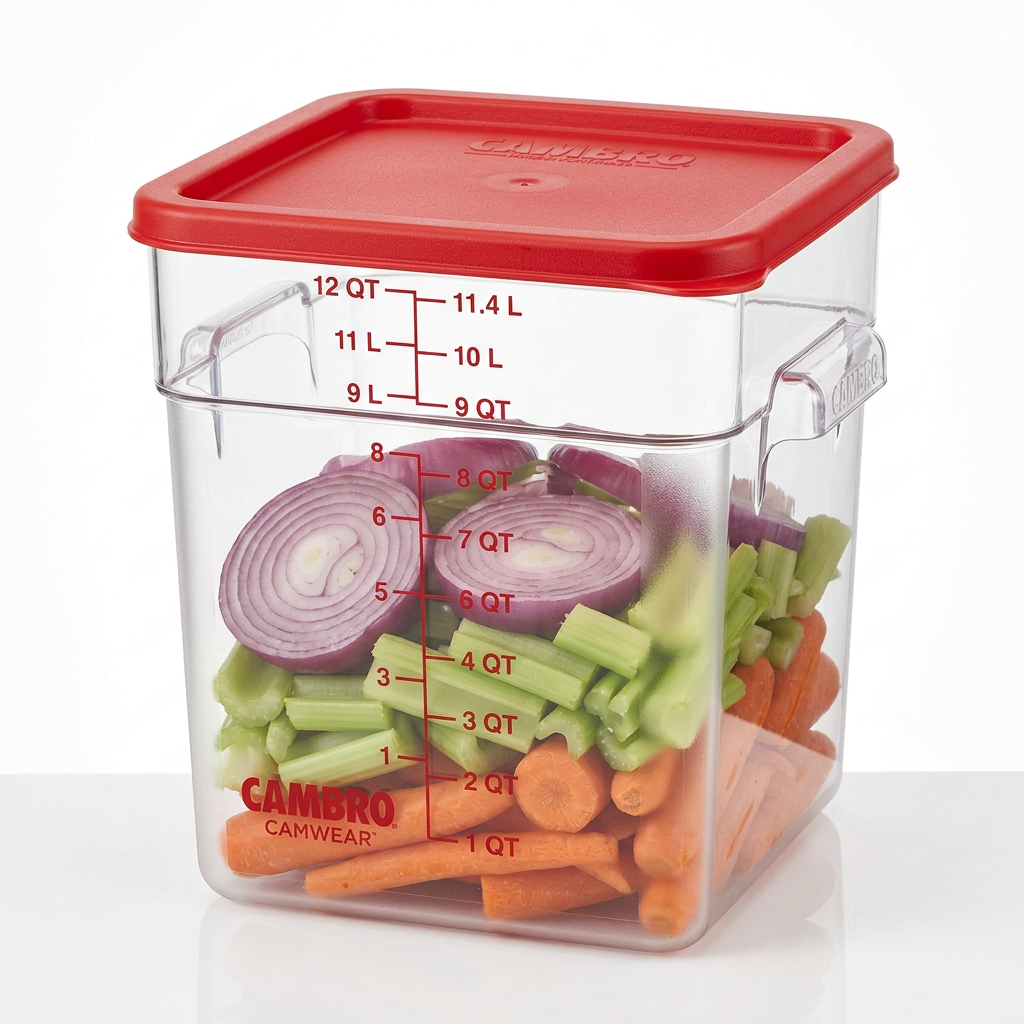
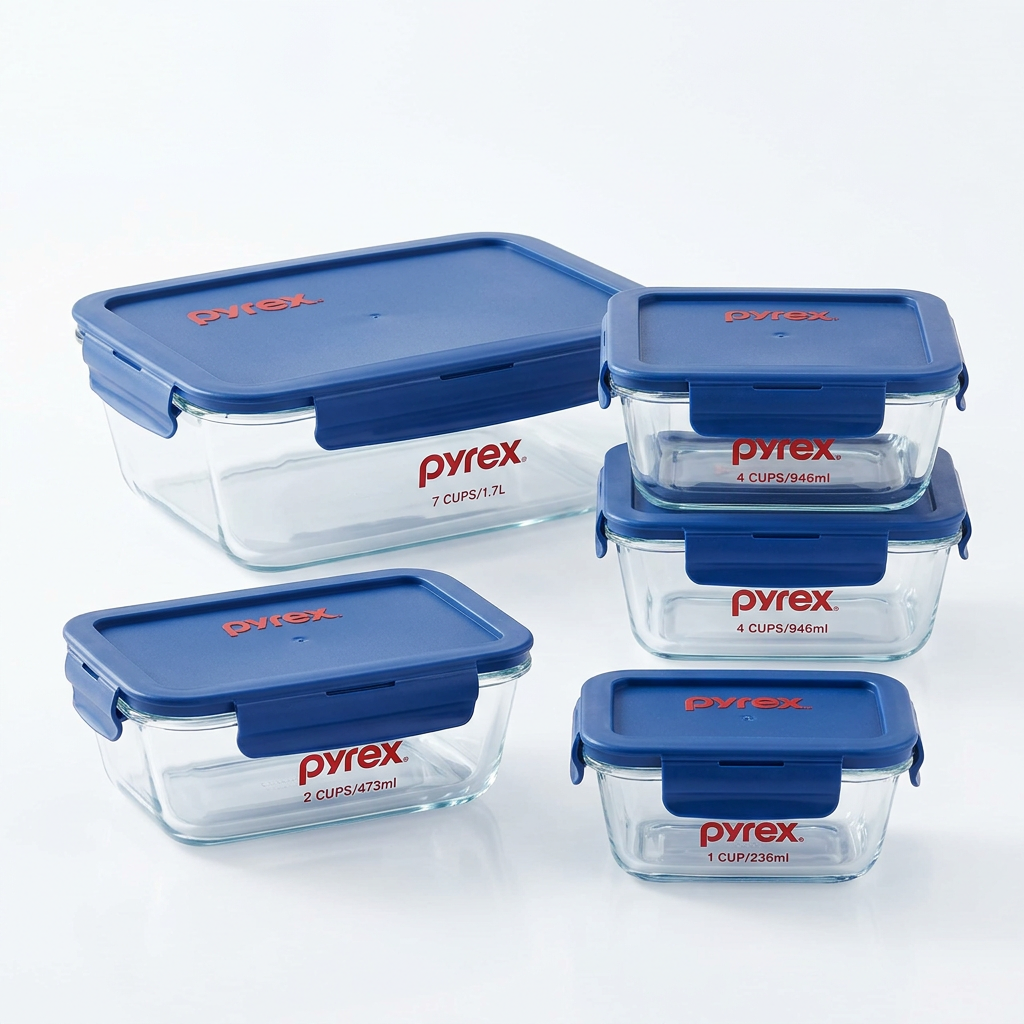
The secret weapon for most chefs is the sealed-container technique. While many home cooks rely on the flimsy plastic bags from the grocery store, these bags are often inefficient at moisture regulation. Switching to rigid, food-grade storage containers allows you to create a controlled environment where you can manage both humidity and airflow. When you combine these containers with a moisture-wicking layer, you effectively stabilize the hydration levels of your greens, keeping them crisp for up to two weeks.
Essential Storage Equipment Checklist
Airtight glass or BPA-free plastic containers:* These provide a consistent physical barrier.
High-quality paper towels:* Used to soak up excess condensation.
Micro-perforated bags:* These allow for controlled gas exchange if you prefer bags over containers.
A simple digital scale:* Useful for checking if produce has significantly lost moisture weight over time.
Decoding the Humidity Requirements of Common Produce
Not all vegetables play by the same rules. Some, like root vegetables, are designed by nature to be dormant and need to be kept dry and cool, often in a cellar-like environment. Others, like leafy greens, are metabolic powerhouses that demand constant moisture. If you treat your carrots like your kale, you will end up with either moldy carrots or dry, papery greens. Learning these categories is the first step toward storage proficiency.
Category 1: The High-Hydration Lovers
These items, including spinach, arugula, lettuce, and herbs, require high humidity but low condensation. The best technique here is the dry-towel wrap. Place a slightly damp paper towel at the bottom of a container, layer your greens, and place another dry towel on top to catch excess condensation. This prevents the leaves from sitting in water, which is the primary cause of wilting and rot.
Category 2: The Resilient Crucifers
Vegetables like broccoli, cauliflower, and Brussels sprouts are slightly more robust but still thrive in high humidity. These benefit from being stored in a perforated bag or a container with the lid cracked slightly open. Never store these in a completely airtight container, as they produce sulfur-containing gases that can accelerate spoilage if not allowed to vent.
"The most common mistake home cooks make is washing produce before storage. Unless you are going to eat it within 24 hours, moisture on the surface of the leaf is an invitation for bacterial growth. Wash it only when you are ready to prepare it."
Temperature Control: The Hidden Variable
We often assume that colder is always better, but this is a dangerous misconception. Many vegetables, particularly those originating from warmer climates like cucumbers, tomatoes, and bell peppers, are susceptible to chilling injury. If stored at temperatures below 50°F (10°C) for too long, their cell membranes break down, leading to pitting, discoloration, and a loss of flavor. These vegetables are better off stored in a cool corner of the kitchen rather than the back of the refrigerator.
Conversely, cold-weather crops like carrots, kale, and celery actually benefit from being kept as close to 32°F (0°C) as possible without freezing. The colder the temperature, the slower the rate of respiration, meaning the vegetable consumes its own internal sugars much more slowly. By fine-tuning your refrigerator settings and knowing which vegetables can handle the "cold zone" versus the "crisp zone," you can significantly extend the shelf life of your ingredients.
Optimizing Your Refrigerator Zones
The Impact of Ethylene Gas and How to Manage It
If you have ever noticed that your bananas make your apples go soft or that your broccoli yellows overnight next to your avocados, you have encountered ethylene gas. Ethylene is a naturally occurring plant hormone that signals the fruit or vegetable to ripen and, eventually, to decay. While this is great for ripening a firm peach, it is the enemy of longevity for many other vegetables.
Managing ethylene is all about segregation. You should never store high-ethylene producers with sensitive items. For example, apples are notorious ethylene producers. If you store them in the same drawer as your lettuce, the lettuce will inevitably yellow and decay much faster than if it were stored alone. Understanding these groupings is vital for a well-organized refrigerator.
The Ethylene Hierarchy
High Producers:* Apples, avocados, bananas, tomatoes, melons, and stone fruits.
High Sensitives:* Leafy greens, broccoli, carrots, cauliflower, and cucumbers.
Pro Tip:* Keep these two groups in separate drawers or, at the very least, physically separated by using storage containers as barriers.
Reviving Wilted Produce: The Chef’s Secret Recovery Method
Sometimes, despite our best efforts, we end up with slightly limp vegetables. Do not throw them away! Most vegetables that have lost their turgor pressure can be "shocked" back to life. The ice water bath method is a professional technique used to restore the crispness of greens and roots that have started to soften. It sounds simple, but the science behind it is fascinating.
When you submerge a limp vegetable in an ice bath, the water temperature causes a rapid intake of moisture through the cell walls via osmosis. If the cell structure hasn't been permanently compromised by decay, the vegetable will regain its turgidity within 30 to 60 minutes. This is a life-saver for tired-looking lettuce, carrot sticks, or celery. Always pat them completely dry after the soak before putting them back into storage to ensure they stay fresh.
The Step-by-Step Revival Process
"A kitchen is not just a place where cooking happens; it is a laboratory of biological preservation. When you master the art of the ice bath, you stop being a consumer of food and start becoming a curator of your own ingredients."
Culinary Efficiency and Future-Proofing Your Kitchen
Ultimately, the goal of mastering hydration-to-produce ratios is to reclaim your time and reduce your food waste. When you know exactly how your vegetables behave, you can shop with more confidence, knowing that you aren't going to have to race against the clock to cook everything before it turns. This level of control allows you to prep components in advance—like washing, chopping, and containerizing—so that weeknight dinners become a breeze rather than a chore.
Consider incorporating a storage log for your refrigerator. Note which items tend to go bad first and adjust your hydration techniques accordingly. Maybe you need to use a slightly more absorbent towel for your kale, or perhaps your refrigerator is running too cold and your tomatoes are suffering. By iterating on your process, you will eventually find the perfect system for your specific kitchen, your specific climate, and your specific grocery habits.
Final Steps to Success
Audit your fridge:* What is currently in there, and is it stored in the right zone?
Invest in storage:* Get the right containers; don't rely on flimsy store bags.
Practice patience:* Take the extra two minutes to wrap your herbs or dry your leaves after a rinse.
Observe:* Watch how your produce reacts to different methods and adjust your techniques.
Final Thoughts
Mastering the art of produce storage is one of the most underrated skills a home cook can develop. It is not about buying more gadgets or following complicated rituals; it is about respecting the biological life of the food you bring home. By understanding that vegetables are living, breathing entities, you can create a home environment that keeps them vibrant, nutrient-dense, and ready for the pan. Every time you open your refrigerator to find crisp, cold, and fresh ingredients, you are seeing the results of your dedication to the craft of cooking.
"Blame The Chef" is built on the idea that knowledge is the best ingredient in any recipe. When you store your produce properly, you are setting yourself up for culinary success before you even turn on the stove. Your salads will have a better crunch, your stir-fries will retain their color, and your soups will be flavored with the freshest possible aromatics. Embrace these techniques, practice the hydration balance, and take control of your pantry. Your future self—and your grocery budget—will thank you for the diligence.
Stay curious about your ingredients. The more you know about the cellular structure of a bell pepper or the transpiration rate of a bundle of cilantro, the better your final dish will taste. Cooking is a journey of continuous learning, and mastering the foundational elements of storage is the perfect place to start. Keep experimenting, keep observing, and most importantly, keep cooking with the confidence that comes from knowing your ingredients are at their absolute peak potential. You are the master of your kitchen; make sure your produce reflects that authority.
The journey to perfectly crisp vegetables doesn't end here; it evolves every time you go to the market. Pay attention to the seasons, as winter produce often requires different handling than summer bounty. Local, seasonal produce is often more resilient, but even the best-grown ingredients need a little help to stay at their best once they reach your home. Use your eyes, your hands, and your knowledge to guide your decisions. If something feels a bit soft, use it tonight. If it is crisp and vibrant, protect it for later.
As you continue to refine your storage methods, share your findings with fellow home cooks. We are a community of learners, and the tips that work in your climate might be just what someone else needs to save their produce from the bin. The kitchen is a space for connection, innovation, and, above all, the joy of creating something wonderful from raw, natural ingredients. Thank you for trusting "Blame The Chef" with your culinary education; now, go forth and keep those vegetables crisp.

Get the Next Recipe
Weekly recipes, techniques, and gear picks — straight to your inbox.
