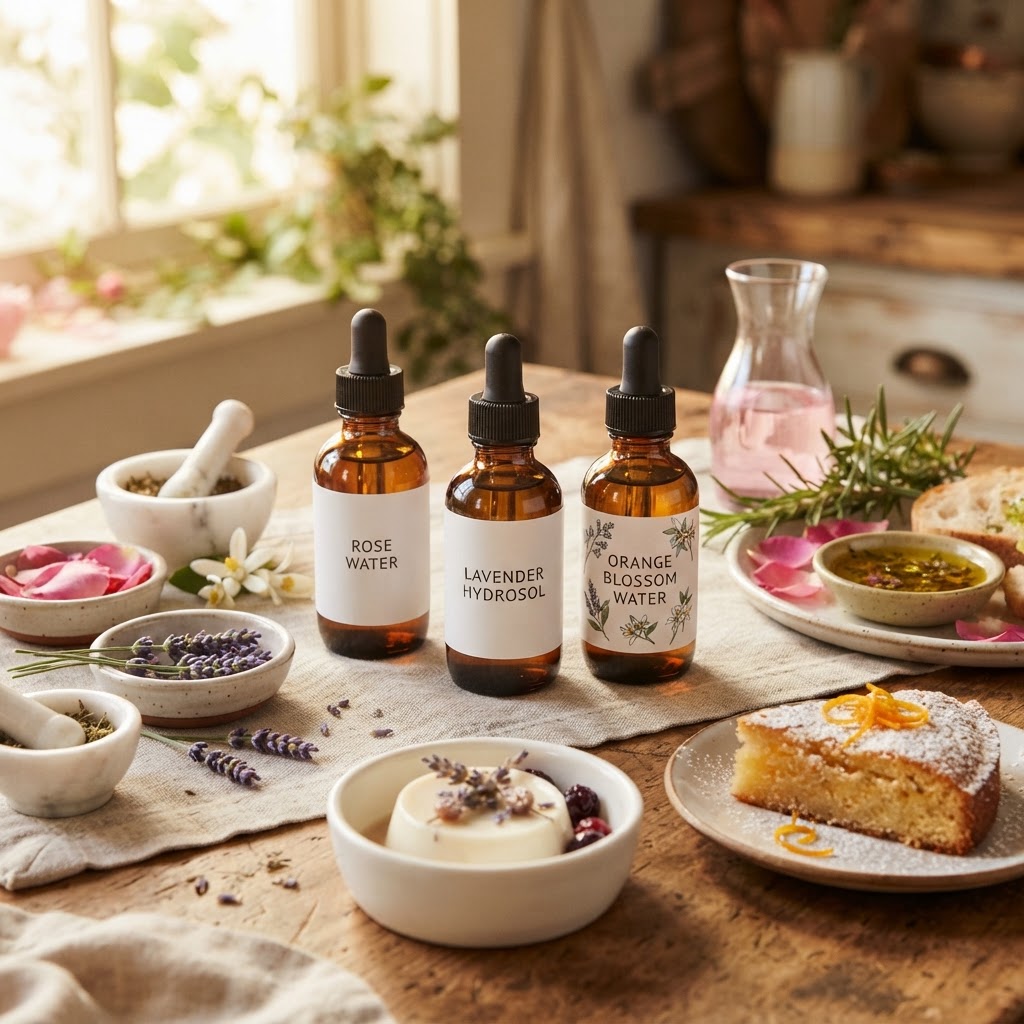
The Home Cook’s Guide to Hydrosols and Floral Waters: Enhancing Savory and Sweet Dishes with Botanical Infusions
In the high-stakes world of professional kitchens, we are often obsessed with the aggressive elements of flavor: the char of a searing steak, the pungent bite of aged garlic, or the sharp acidity of a reduction. Yet, some of the most profound culinary transformations happen in the quietest, most ephemeral corners of the flavor spectrum. Hydrosols and floral waters are the secret weapons of pastry chefs and avant-garde savory cooks, offering a bridge between the botanical essence of a plant and the plate. By capturing the volatile aromatic compounds released during the steam distillation of flowers, herbs, and barks, these waters provide a concentrated, clean, and sophisticated flavor profile that cannot be achieved through oils or extracts alone.
For the home cook, incorporating these ingredients might feel like stepping into an alchemist’s laboratory, but the learning curve is surprisingly gentle once you understand the basic principles. These infusions are not merely about making a dish taste like a garden; they are about adding a layer of top-note complexity that lingers on the palate long after the main flavor has subsided. Whether you are using a commercially sourced rose water to anchor a complex Middle Eastern spice blend or distilling your own lavender water in the peak of summer, you are tapping into a tradition that dates back centuries. The magic lies in the subtlety, requiring a disciplined hand to ensure the botanical notes enhance the dish rather than overwhelm it with a soapy, artificial quality.
Understanding the distinction between true distilled hydrosols and common flavor extracts is the first step toward culinary mastery. While extracts are typically alcohol-based solvents that pull essential oils from a source, a hydrosol is the water-based byproduct of distillation, containing water-soluble plant components that impart a much more nuanced, delicate character. This makes them inherently more versatile in both savory and sweet applications, as they don't carry the harsh burn of alcohol or the heavy density of carrier oils. In the following sections, we will explore how to source, store, and—most importantly—utilize these botanical wonders to elevate your home cooking from the mundane to the extraordinary.
The Chemistry and Sourcing of Botanical Waters
To truly grasp why hydrosols work, you must think of them as the "soul" of the plant in a liquid medium. During the distillation process, steam passes through plant matter, breaking down cell walls and carrying away both microscopic droplets of essential oil and the water-soluble compounds that make a plant smell exactly like itself. When the steam condenses, you get a separation: the oil floats to the top, and the water—the hydrosol—remains below. This water carries a fraction of the plant’s essence, making it perfectly calibrated for culinary dilution without needing to be heavily concentrated.
When shopping for these ingredients, the most critical factor is purity. Many products sold in grocery stores under the label "rose water" or "orange blossom water" are actually artificial flavorings mixed with water and synthetic additives. As a home cook, you should look for products labeled as "food grade" and "steam distilled." If the ingredient list contains anything other than the plant material and water, put it back on the shelf. The best sources are often specialized Middle Eastern markets, high-end organic grocers, or dedicated artisan distillers who prioritize the integrity of the raw botanical material.
"True culinary artistry begins with the purity of the source material. If you cannot identify the origin of your botanical water, you are building your flavor profile on a foundation of chemical imitation rather than garden-fresh reality."
Identifying Quality Markers
Aroma:* It should be subtle, evocative, and clean. If it smells like a high-school perfume or a cleaning product, it is likely synthetic.
Shelf Stability:* Genuine floral waters are sensitive to light and heat; look for dark, amber, or cobalt glass bottles.
Clarity:* The liquid should be perfectly clear, free of sediment or cloudiness, unless it is a fresh, small-batch extract.
Proper Storage Techniques
Once opened, the clock starts ticking on your hydrosols. Because they are organic, they are subject to spoilage over time if not handled correctly. Keep your bottles in a cool, dark pantry, or preferably in the refrigerator to extend their shelf life by up to six months. Never introduce a used spoon or implement directly into the bottle, as this can introduce bacteria. Instead, use a clean dropper or a small pour spout, and always wipe the rim of the bottle with a clean cloth before recapping to prevent oxidation.
Master Techniques for Savory Applications
Many home cooks are intimidated by the idea of using floral notes in savory dishes, fearing they will inadvertently turn dinner into dessert. The secret lies in the bridge effect: pairing floral waters with ingredients that possess deep, earthy, or fatty profiles. Rose water, for instance, is a classic partner for slow-cooked lamb because the floral top notes cut through the richness of the fat and the earthiness of the cumin and cinnamon. To execute this, add the floral water in the final stages of cooking or even as a finishing splash right before serving, as the volatile compounds are highly sensitive to heat and will dissipate if boiled for too long.
When working with savory applications, start with the half-teaspoon rule. Regardless of the recipe, begin by adding just a half-teaspoon to a full pot of stew or a gallon of base sauce. Stir, taste, and allow the flavors to harmonize for at least sixty seconds before deciding if you need more. You are looking for a hidden note that makes the guest wonder what secret ingredient is providing that extra level of intrigue. If you can clearly taste the flower, you have likely used too much; the goal is for the botanical note to act as a highlighter for the other savory elements.
The Floral-Savory Pairing Guide
Chef’s Tips for Savory Success
Never combine floral waters with highly acidic ingredients like heavy vinegar or lemon juice unless the recipe calls for a specific balance. Acid can sometimes sharpen the floral notes to the point of tasting medicinal. Instead, look to pair your floral infusions with fats and starches. A dollop of yogurt topped with a few drops of orange blossom water is a classic, but taking that same yogurt and using it as a base for a lamb marinade is where you begin to push the boundaries of modern home cooking. Always finish with a pinch of coarse sea salt to pull the botanical notes into the savory spectrum.
Elevating the Pastry Arts
In the world of pastry, floral waters are more than just flavorings—they are textural enhancers for the olfactory senses. Because sweets are often heavy on sugar and fat, the addition of a volatile hydrosol provides a necessary "lift" that prevents the dessert from feeling clunky or overly dense. Whether it’s a classic French financier or a simple sponge cake, the infusion of botanical water changes the way the brain interprets the sweetness. It makes the dessert feel "lighter" and more sophisticated, moving away from the one-dimensional sugar hit and toward a layered, complex experience.
When incorporating these into batters, consider the temperature of the mix. If you are adding rose or orange blossom water to a sponge, fold it in at the very end of the mixing process, right before it goes into the oven. Heat will inevitably drive off some of the aroma, so you may need to increase the amount slightly if you are baking at a high temperature. However, for cold preparations—such as mousses, panna cottas, or whipped creams—you can use significantly less, as the cold environment traps the aromatics and keeps them potent.
"A well-balanced dessert acts as an orchestra; the base notes of butter and cream provide the rhythm, while the subtle melody of a floral hydrosol provides the soaring, ethereal finish that keeps the diner coming back for another bite."
Essential Ratios for Pastries
For Whipped Cream:* 1/4 teaspoon per cup of heavy cream. Add during the final stages of whipping to ensure even distribution.
For Cake Batters:* 1 teaspoon per 2 cups of flour. Add to the liquid ingredients before folding in the dry components.
For Sugar Syrups:* 1 to 2 teaspoons per cup of syrup used for soaking cakes or poaching fruits. This is the most effective way to infuse floral flavors without altering the chemistry of the bake.
Creating the Perfect Panna Cotta
The beauty of panna cotta is its neutrality, which makes it the perfect canvas for floral experimentation. When heating your heavy cream and sugar, stir in your floral water after you have removed the pot from the heat but before you add the gelatin. This preserves the delicate compounds and ensures that they are fully integrated into the custard as it sets. For an added layer of sophistication, pair your floral infusion with a fruit compote that mirrors the flavor—rose with raspberry, lavender with blueberry, or orange blossom with apricot.
DIY Distillation: The Home Lab
While high-quality commercial hydrosols are excellent, there is an incomparable thrill in producing your own. It teaches you the precise timing of plant maturation and allows you to capture scents that aren't sold in stores. You don't need a professional glass still to begin; a simple "pot-in-pot" distillation method on your stovetop will work for small batches of herb waters like mint, rosemary, or lemon balm. This process requires patience, a bag of ice, and a keen eye for safety, but it results in a product that is undeniably fresher than anything you can buy.
To start, you will need a large stockpot, a heat-safe bowl that can sit inside it, and a domed lid that can be turned upside down. Place a small rack or an overturned heavy plate in the bottom of the stockpot to elevate the collection bowl. Fill the stockpot with your plant material and enough water to barely cover it. Place the collection bowl in the center—ensure it is not floating—and turn the lid upside down so the handle points into the bowl. As the water boils, the steam rises, hits the cool lid (which you should keep covered in ice), condenses into droplets, and drips directly into your bowl.
Step-by-Step Distillation
Safety and Cleanup
Working with steam is dangerous; never leave your pot unattended. Always use oven mitts when removing the lid to add more ice, as the steam will be incredibly hot. Once the distillation is finished, turn off the heat and let the setup cool completely before removing your precious hydrosol. It is a slow, methodical process that forces you to engage with the botanical world on a microscopic level. The resulting water will be significantly more potent than what you buy, so treat it with the same reverence you would a fine extract or an expensive spice.
Integrating Hydrosols into Beverage Programs
Beverages are arguably the easiest way to begin your journey with botanical waters. In a cocktail, mocktail, or even a simple cup of tea, the hydrosol acts as an aromatic bridge between the glass and the palate. Because these waters are already liquid, they incorporate instantly into syrups, sodas, and spirits without the need for muddling or infusion time. A simple "rose-infused" lemonade is not just a trend; it is a masterclass in refreshing, clean flavor balancing that can serve as an impressive welcome drink at any home gathering.
When mixing, always consider the base spirit or mixer. Orange blossom water is a natural companion to clear spirits like gin or vodka, while lavender water pairs beautifully with the depth of a smoky mezcal or a dry vermouth. If you are creating a non-alcoholic beverage, use a high-quality sparkling water as your base. The carbonation acts as a delivery system, carrying the volatile floral aromatics directly to the olfactory receptors as you take a sip, heightening the entire sensory experience.
The Floral Spritz Formula
Base:* 4 ounces of sparkling water or club soda.
Sweetener:* 1/2 ounce of simple syrup (1:1 sugar to water).
Botanical:* 1/4 teaspoon of chosen hydrosol.
Garnish:* A fresh sprig of the herb represented or a single edible flower petal.
Technique:* Stir the hydrosol into the syrup first, then add to the sparkling water to ensure an even distribution of flavor without losing the bubbles.
Enhancing Tea and Coffee
Floral waters are also transformative in hot beverages. A tiny splash of orange blossom water in a strong Earl Grey tea brings out the bergamot notes, while a drop of rose water in a morning coffee creates a Middle Eastern-style cafe experience. The key here is adding the hydrosol after the tea has steeped or the coffee has been brewed. If you add it during the brewing process, the heat will degrade the flavor profile significantly. By treating the hydrosol as a "finisher," you maintain its integrity and potency.
Troubleshooting and Balancing Flavors
Even for the experienced cook, there will be times when a dish seems "off" after the addition of a floral water. This usually happens for one of two reasons: either too much was used, or the hydrosol was not fresh. If you have over-poured, the best way to correct the dish is to dilute and neutralize. If it is a sauce, add more of the base liquid (stock, cream, or tomato sauce) to spread out the concentration of the floral notes. If it is a pastry, you may need to introduce an acidic or bitter element, like a squeeze of lemon juice or a pinch of cocoa powder, to provide a counterpoint to the sweetness of the floral essence.
Another common issue is flavor clashing. Floral waters, particularly heavier ones like jasmine or neroli, have very specific profiles that do not play well with certain strong spices. For instance, avoid mixing delicate jasmine water with heavy, earthy spices like cumin or turmeric, as the two will fight for dominance on the palate, resulting in a chaotic flavor profile. Stick to the rule of harmony: pair high-floral notes with light, citrusy, or nutty profiles.
"A great chef understands that the best ingredient is often the one you can’t quite name. If your guests are trying to guess the secret to your dish, you have succeeded in the subtle art of botanical infusion."
The "Reset" Checklist
Is the base too thin?* If your hydrosol makes the dish taste "soapy," it is usually because the flavor is too exposed. Incorporate a fat-based thickener (like butter or cream) to anchor the aroma.
Is it too intense?* Always have a "base" batch available—a portion of the recipe that does not contain the hydrosol. If you over-flavor, you can blend in the base batch to rescue the dish.
Check the quality:* If the hydrosol itself tastes "off," do not attempt to fix the dish. Floral waters have a distinct shelf life; once they start to smell like wet cardboard or sour vinegar, they are past their peak and should be discarded.
Understanding Palate Fatigue
When experimenting with these ingredients, your own palate will quickly become fatigued. After three or four tests, you will lose the ability to distinguish the nuance of the floral water. Always step away, drink some plain water or eat a cracker, and wait at least ten minutes before coming back to taste your creation. This is a common mistake in professional test kitchens, and one that is easily avoided by simply practicing patience during the development phase.
Final Thoughts
The world of hydrosols and floral waters is an invitation to slow down and appreciate the intricate chemistry of the plants around us. It is a practice that rewards curiosity and rewards the disciplined application of flavor. By moving beyond the standard pantry staples and incorporating these botanical infusions, you are not just seasoning your food; you are telling a story of garden, season, and place. Whether you are tempering the heat of a spicy lamb tagine with a hint of rose or bringing a spring-like brightness to a simple panna cotta, these ingredients provide the "extra" that defines true culinary excellence.
As you begin your journey, remember that the most effective kitchen tools are not just your knives or your cast-iron pans; they are your sense of smell and your ability to balance subtlety with impact. Start small, source with intention, and don’t be afraid to experiment with the pairings suggested here. You might find that your signature dish was only ever missing that final, whisper-thin layer of botanical complexity. Keep your bottles cool, your measurements precise, and your mind open to the endless possibilities that a single drop of essence can bring to the table.
Finally, keep in mind that the best way to learn is to taste everything. Buy a high-quality rose water and smell it alongside a piece of dark chocolate, then compare it to how it reacts with a piece of sharp white cheddar. The interplay between floral, sweet, and savory is a fascinating landscape that changes depending on the fat content, the acidity, and the temperature of the dish. "Blame The Chef" is always here to provide the framework, but you are the artist who must balance the composition. Happy distilling, mixing, and cooking. The garden is waiting to be invited into your kitchen.


Get the Next Recipe
Weekly recipes, techniques, and gear picks — straight to your inbox.
