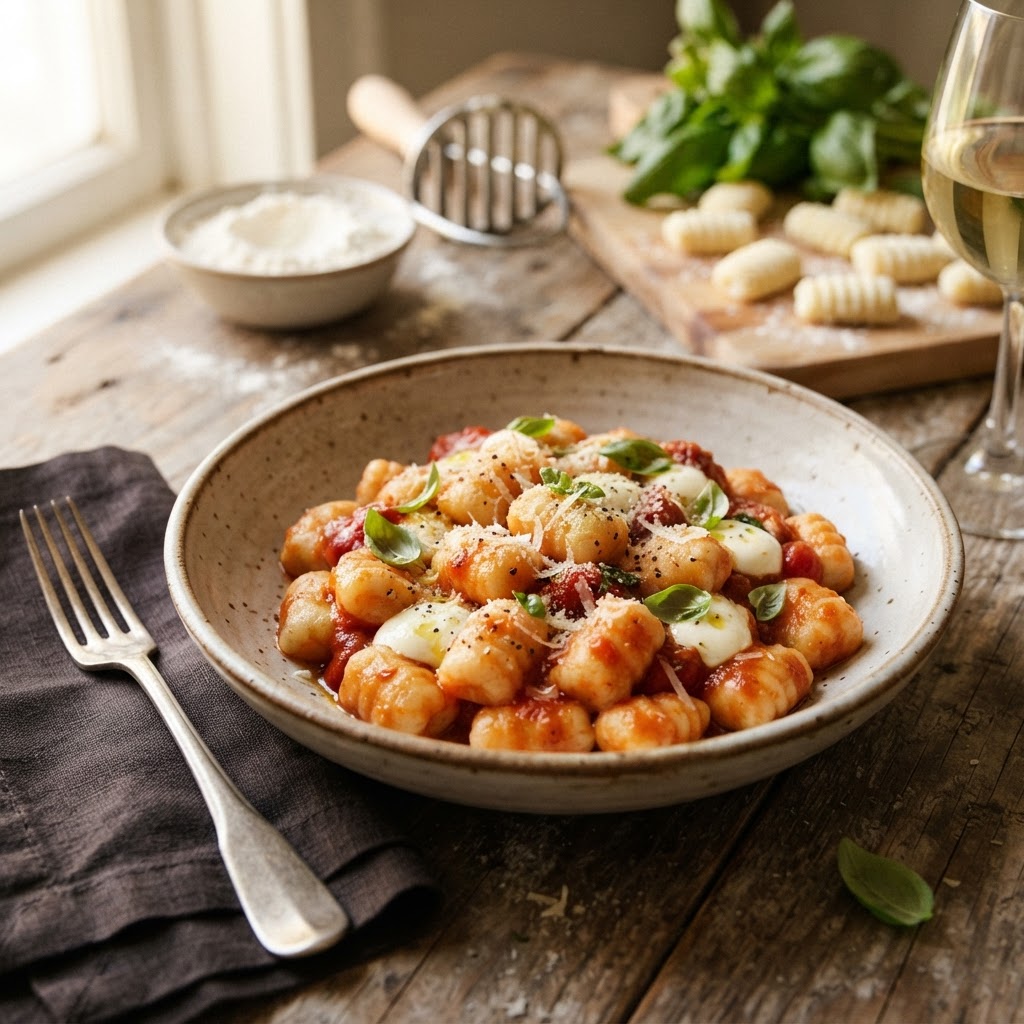
The Home Cook’s Guide to Italian Gnocchi: Mastering Potato-to-Flour Ratios for Light, Pillowy Dumplings
There is perhaps no dish in the vast landscape of Italian cuisine that tests a home cook’s intuition more thoroughly than the humble potato gnocchi. When executed perfectly, these little dumplings are nothing short of ethereal, boasting a texture that is light, airy, and delicately tender against the tooth. Yet, for many, the journey to achieving this "cloud-like" quality is paved with culinary disasters, ranging from dense, leaden pellets to gummy balls that fall apart the moment they touch boiling water. The secret, as any seasoned professional will tell you, lies not in a complex array of ingredients, but in the rigorous management of your potato-to-flour ratio and a deep understanding of starch science.
At "Blame The Chef," we believe that the kitchen should be a place of exploration rather than intimidation, and mastering gnocchi is a rite of passage every home cook deserves to experience. It requires a gentle hand, a bit of patience, and a willingness to listen to the dough rather than forcing your will upon it. We often think that more effort equates to better food, but with gnocchi, the opposite is true; the less you work the dough, the better the final result. In this guide, we are peeling back the layers of tradition to show you exactly how to manipulate humble tubers into something truly transcendent.
Getting started can feel daunting, but remember that gnocchi were born from the necessity of peasant cooking, utilizing ingredients that were always on hand in the pantry. You do not need expensive tools or exotic components to make a five-star meal in your own kitchen. By focusing on the moisture content of your potatoes and the minimal handling of your flour, you can eliminate the common pitfalls that plague beginners. Grab your apron, preheat your oven, and prepare to elevate your pasta game to professional heights through these fundamental techniques.
Choosing the Right Potato: The Science of Starch
The foundation of any great gnocchi recipe is the potato, and not all spuds are created equal. You must avoid waxy potatoes like Yukon Golds or Red Bliss at all costs, as they contain too much moisture and sugar, which prevents them from developing the correct structure. Instead, you want a high-starch, low-moisture potato, specifically the Russet or Idaho potato. These tubers have a fluffy, dry flesh that absorbs flour perfectly without becoming gummy.
The Importance of Baking, Not Boiling
One of the most common mistakes home cooks make is boiling their potatoes in water to soften them. When you boil potatoes, they absorb water like a sponge, which then forces you to add significantly more flour to reach a workable dough consistency. More flour results in a dense, chewy, and unpleasant dumpling. Instead, you should always bake your potatoes whole in their skins on a bed of rock salt.
"The secret to a light gnocchi is to eliminate as much external moisture as possible before the flour even touches the bowl. If your potato is damp, your gnocchi will be leaden."
Managing the Temperature
When the potatoes are finished baking, they should be tender all the way through, which you can test with a paring knife. Do not let them cool down to room temperature before processing; you want to peel and mash them while they are still warm, as this allows the steam to escape more efficiently. If you wait until they are cold, the starches will set, making it much harder to achieve a smooth, lump-free consistency that blends effortlessly with the flour.
The Ritual of Preparation and Milling
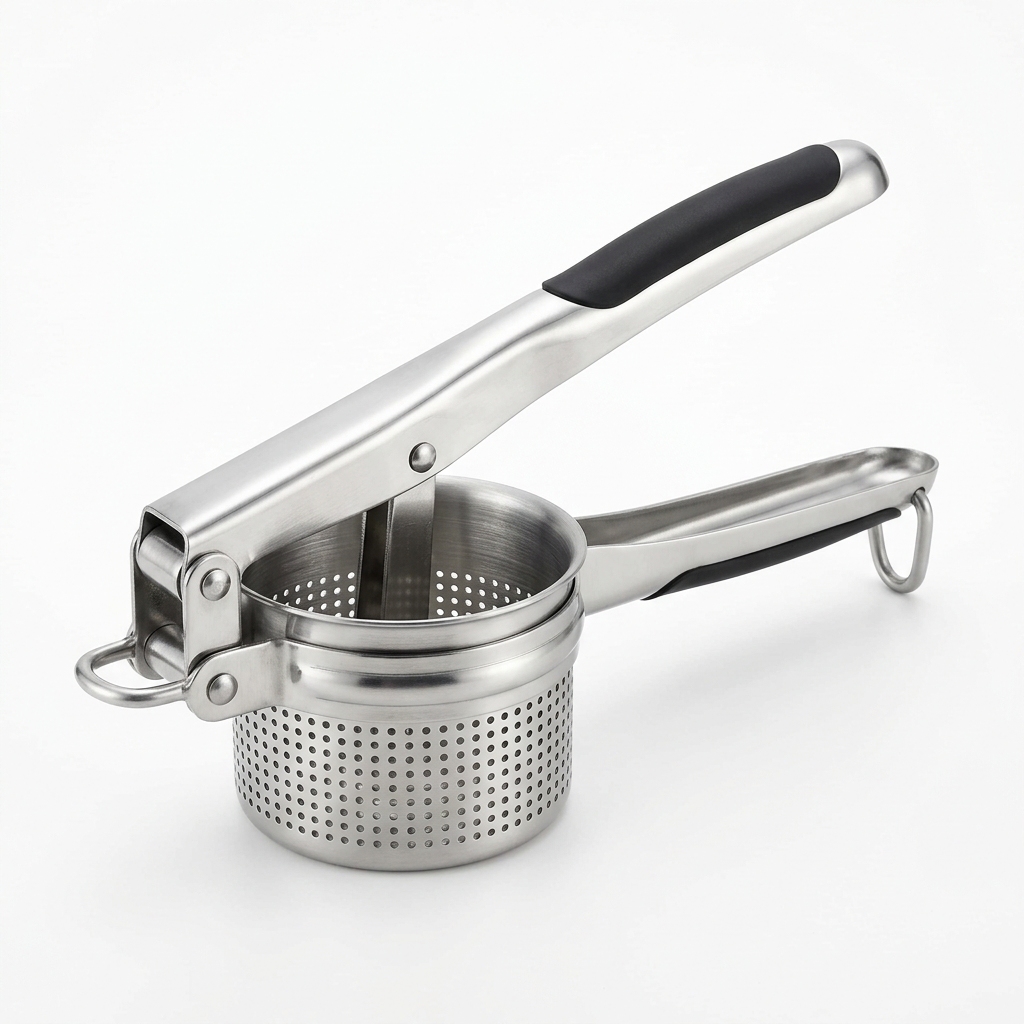
Once your potatoes are baked, peeled, and still steaming, the way you process them is critical. A standard masher is often insufficient because it can leave small lumps that will inevitably ruin the delicate texture of your gnocchi. Instead, you need to use a potato ricer or a fine-mesh food mill. This tool is the single most important investment you can make for this dish, as it forces the potato through tiny holes, creating an aerated mound of starchy strands that are ready to accept the binder.
Aeration is Everything
As the potato strands fall from the ricer, resist the urge to pack them down or move them around. Let them sit in a light, fluffy pile on your work surface or in a large mixing bowl. This "fluff" allows for maximum surface area, which helps the flour distribute evenly without needing aggressive kneading. If you compress the potatoes, you are essentially undoing all the work you did to keep the moisture low and the air pockets high.
The Ideal Ratio
For a standard batch, aim for a ratio of approximately one pound of potatoes to one cup of all-purpose flour. However, this is a starting point rather than a hard rule. Some days, the humidity in the air or the moisture levels in the potatoes will change the game. Start with about 75% of the flour called for in your recipe, incorporate it, and then add the rest only if the dough feels too sticky to handle.
Bringing the Dough Together: The Gentle Touch
Now that your potato base is ready, it is time to integrate your binders. Most traditional recipes call for an egg to add richness and structure, but some purists argue that omitting the egg creates a lighter dumpling. If you are a beginner, we recommend using half an egg (whisked and measured) to help with binding. This provides just enough structure to keep the gnocchi from dissolving in the pot without making them taste like an omelet.
The Mixing Technique
Gently fold the flour into the potatoes using a bench scraper or your hands. Never knead the dough like you would for bread or pizza. If you develop the gluten in the flour too much, you will end up with rubbery bullets that bounce off the plate. Instead, use a "folding and pressing" motion, keeping the mixture as light as possible. You are aiming for a dough that is soft, slightly tacky, and pulls together into a cohesive ball without any dry flour remaining.
Testing for Consistency
If the dough feels too wet, add a tablespoon of flour at a time, being extremely conservative. It is much easier to add flour than it is to fix a dough that has become overly dense. Your finished dough should feel like a soft pillow. If you press your finger into it, it should leave a shallow indentation without sticking aggressively to your skin. If it sticks, add a light dusting of flour to your workspace, but do not incorporate that flour into the mass itself.
"Treat your gnocchi dough like a fragile piece of silk. The less you manipulate it, the more respect it shows you when it finally hits the water."
Shaping and Scoring: Form Meets Function
Shaping the gnocchi is where the art meets the culinary science. You need to divide your dough into manageable logs about one inch in diameter. Using a sharp knife or a bench scraper, cut these logs into equal pieces, roughly three-quarters of an inch wide. While you can leave them as simple, rustic pillows, taking the time to shape them correctly provides a better experience in the bowl.
The Gnocchi Board or Fork Technique
A traditional gnocchi board—a small wooden board with ridges—is excellent for creating the iconic texture. If you don't have one, the tines of a fork work perfectly well. Roll each piece of dough over the ridges to create a series of shallow grooves on one side and a slight indentation on the other. This isn't just for aesthetics; those grooves are designed to hold onto sauces, ensuring that every bite is coated in flavor.
Maintaining Uniformity
Uniformity is key to even cooking. If some gnocchi are large and others are small, you will end up with a mix of mushy, overcooked dumplings and raw centers. As you shape them, line them up on a floured baking sheet in a single layer. If you are not cooking them immediately, you can keep them covered with a dry towel for about 30 minutes, or freeze them on the tray before transferring them to a freezer-safe bag.
The Boil: The Final Moment of Truth
When you are ready to cook, bring a large pot of salted water to a rolling boil. Use more salt than you think you need; the water should taste like the sea. Drop the gnocchi into the water in small batches so you don't drop the temperature of the water too drastically, which can cause the dumplings to stick together.
The Floating Rule
The most common question home cooks ask is: "How do I know when they are done?" The answer is simple: when they float to the surface. As soon as a gnocchi bobs to the top, give it another 30 seconds to ensure the center is fully cooked, then scoop it out with a slotted spoon. Do not overcook them. If you leave them in too long, they will become waterlogged and lose their beautiful, delicate texture.
The Sauce Connection
Never place cooked gnocchi into a cold bowl. They should be transferred directly from the boiling water into a skillet containing your chosen sauce. Whether it is a simple brown butter and sage, a vibrant tomato basil, or a rich gorgonzola cream, the residual heat of the gnocchi will help the sauce cling to those ridges you worked so hard to create. Toss them gently—remember, the goal is to keep them intact and pillowy.
Troubleshooting Common Gnocchi Disasters
Even the best chefs have days where the gnocchi gods aren't smiling upon them. If your gnocchi fall apart in the water, it usually means your dough was either too soft (not enough flour) or the water wasn't boiling hard enough. If they turn out hard as rocks, it is almost certainly because you overworked the dough or used a waxy potato.
Why Texture Matters
The "chew" of a good gnocchi should be minimal. If you find yourself chewing for a long time, the starch has been over-developed. This happens if the dough is handled excessively or if the potato was boiled in water, creating a gummy paste. If you ever feel like the dough is becoming too warm or sticky, put it in the refrigerator for 10 minutes; cold dough is much easier to manage than warm, sticky dough.
Chef's Secret Tips for Success
Keep your hands floured*: A light dusting of flour on your hands prevents sticking without adding excess flour to the dough mass.
Don't crowd the pot*: Cooking too many at once cools the water and promotes sticking.
The "Salt Bed" Method*: Baking potatoes on a bed of rock salt wicks moisture away from the skin, resulting in an even drier, better potato base.
Rest the dough*: Let the dough rest for 5–10 minutes before shaping; this allows the gluten to relax, making it easier to roll without it snapping back.
Elevating Your Gnocchi: Advanced Flavor Profiles
Once you have mastered the base technique, you can begin to experiment with adding flavors directly into your dough. For a vibrant and earthy twist, try adding finely chopped blanched spinach (squeezed until bone dry) to the potato mixture. You can also experiment with roasted sweet potatoes or even ricotta cheese for a "gnudi" style dumpling, which is essentially a gnocchi that swaps the potato for fresh, drained sheep’s milk ricotta.
Infusing the Potato
You can also infuse your potato mixture with high-quality additions like finely grated Parmigiano-Reggiano, a whisper of freshly grated nutmeg, or even citrus zest. The key is to keep these additions dry. If you are adding cheese, reduce the flour content slightly, as the fat in the cheese will act as a binder. Never add wet ingredients like pureed herbs or oily pesto, as these will ruin the structural integrity of your dumpling.
Pairing with the Right Sauce
Because potato gnocchi are so delicate, they do not hold up well to heavy, chunky meat ragus that require hours of cooking. Instead, opt for lighter, emulsion-based sauces. A Brown Butter and Sage sauce is the quintessential pairing, highlighting the nuttiness of the potato. Alternatively, a light cacio e pepe sauce—made from starchy pasta water, Pecorino Romano, and toasted black pepper—creates a sophisticated dish that showcases your perfectly shaped dumplings.
"The true measure of a chef is not how complex their dish is, but how they master the most simple, temperamental elements to create something divine."
Final Thoughts
Mastering Italian gnocchi is a journey that moves from the pantry to the plate, requiring a blend of technical precision and artistic intuition. By shifting your perspective on how you handle the starch—baking rather than boiling, ricing rather than mashing, and folding rather than kneading—you have already conquered the biggest hurdles. Remember that every batch is a learning experience. If your first attempt isn't quite as airy as a cloud, don't blame yourself; blame the potato, adjust your flour ratio, and try again.
Cooking is a craft that rewards those who pay attention to the details. The "Blame The Chef" philosophy is built on the idea that failure is just the first step toward a perfect meal. When you finally sit down to a plate of homemade gnocchi, you will realize that the work was worth it. There is a profound satisfaction in crafting something so delicate from the most humble of ingredients, a sense of connection to generations of home cooks who turned flour and tubers into comfort.
As you continue to refine your technique, invite friends or family into the process. Gnocchi making is a communal event in many Italian households, a time to chat, laugh, and work with your hands. Don't worry about perfect symmetry or restaurant-grade presentation; the "imperfections" in handmade pasta are exactly what make it beautiful. Now that you have the knowledge, it is time to get back to the kitchen, fire up that oven, and start your own tradition of the perfect, pillowy dumpling. Enjoy the process, trust your instincts, and keep the kitchen full of life.
Get the Next Recipe
Weekly recipes, techniques, and gear picks — straight to your inbox.
