The Home Cook’s Guide to Italian Risotto: Mastering Toasting and Starch Release for Perfectly Creamy, Al Dente Results
There is a pervasive myth in the culinary world that risotto is a temperamental, high-maintenance dish reserved exclusively for professional kitchens or those with an infinite amount of patience. Many home cooks are intimidated by the constant stirring and the perceived precision required, often relegating it to restaurant-only territory. However, once you strip away the mystique, risotto is essentially a masterclass in chemistry and thermodynamics that is well within the reach of any home cook. It is not about constant motion or divine intervention; it is about understanding how to coax the amylopectin from the grain to create a luxurious, emulsified sauce. By respecting the fundamental principles of starch release, you can transform humble pantry staples into a dish that defines comfort and sophistication.
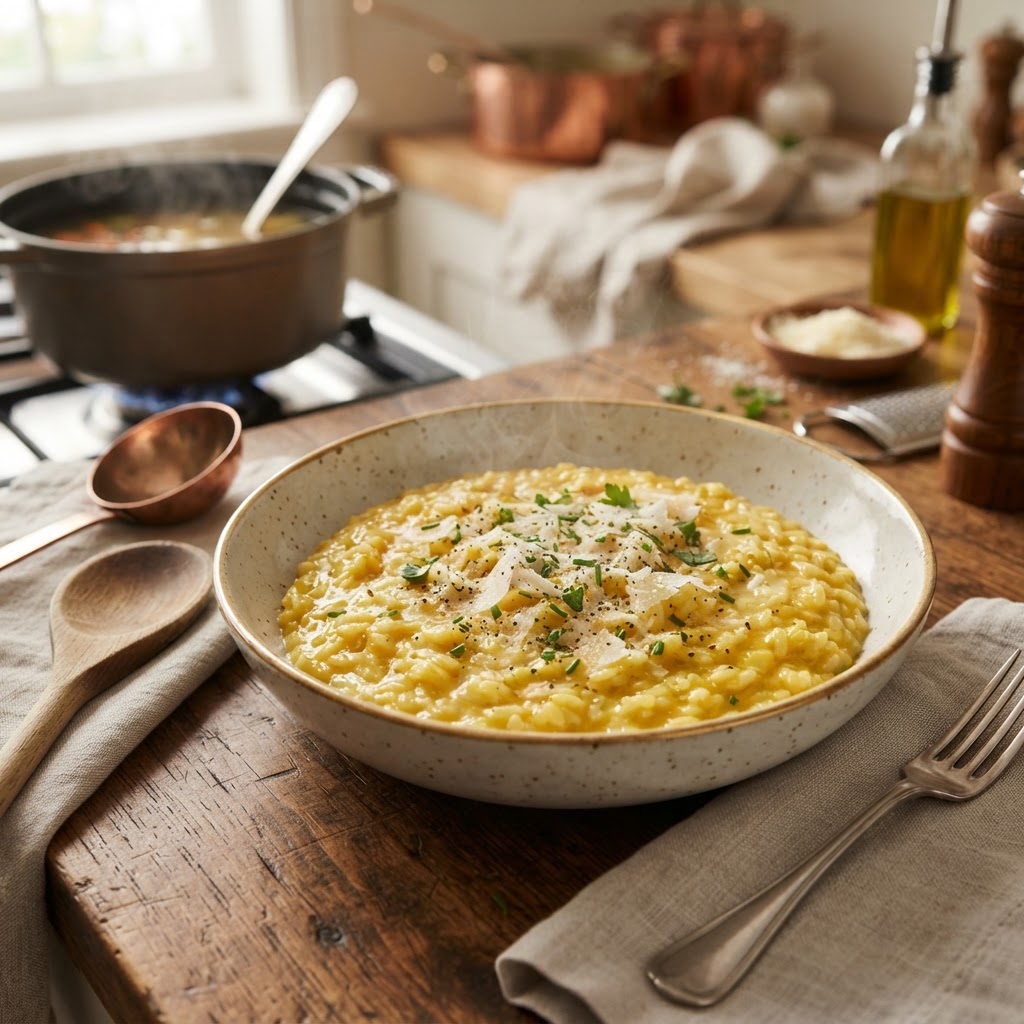
The foundation of a truly great risotto lies in the choice of rice, specifically those with a high starch content that can withstand the rigors of long cooking without turning into mush. Varieties like Arborio, Carnaroli, or Vialone Nano are essential because they possess a dual structure: a firm, chewy center surrounded by a starch-heavy exterior. When we talk about the "perfect" texture, we are looking for all’onda, an Italian term meaning "wavy," which describes the consistency of the rice when it moves fluidly like a wave on a plate. Achieving this balance between the creamy, velouté-like sauce and the individual, distinct bite of the grain is what separates a mediocre bowl from a masterpiece. It requires a mindful approach, where you listen to the pan and watch the way the liquid is absorbed by the rice.
In this guide, we will dismantle the complex techniques often associated with risotto, breaking them down into manageable, scientific steps that ensure consistent success. We will explore the critical importance of the tostatura (the toasting phase), the role of temperature in broth management, and the final, all-important mantecatura that binds everything together. Whether you are a beginner looking to master your first classic risotto or a seasoned home cook hoping to refine your technique, this deep dive into the craft of Italian rice cookery will change the way you look at your stovetop. By the time you reach the final bowl, you will see that the only thing you have to "blame" the chef for is the lack of leftovers, as this dish is truly addictive in its simplicity and richness.
The Foundation: Selecting the Right Rice and Preparing Your Broth
The success of your risotto begins long before the pan hits the heat, starting with the selection of the correct grain. While it might be tempting to use whatever long-grain white rice you have in your cupboard, those varieties lack the essential starch properties required to create a creamy emulsion. Carnaroli is widely considered the king of risotto rices because it has a high amylopectin content and a firmer texture that is harder to overcook, making it forgiving for beginners. Arborio is the most common variety found in grocery stores, and while it creates a very creamy result, it has a slightly softer center and can turn mushy if you are not vigilant.
Why Broth Quality Matters
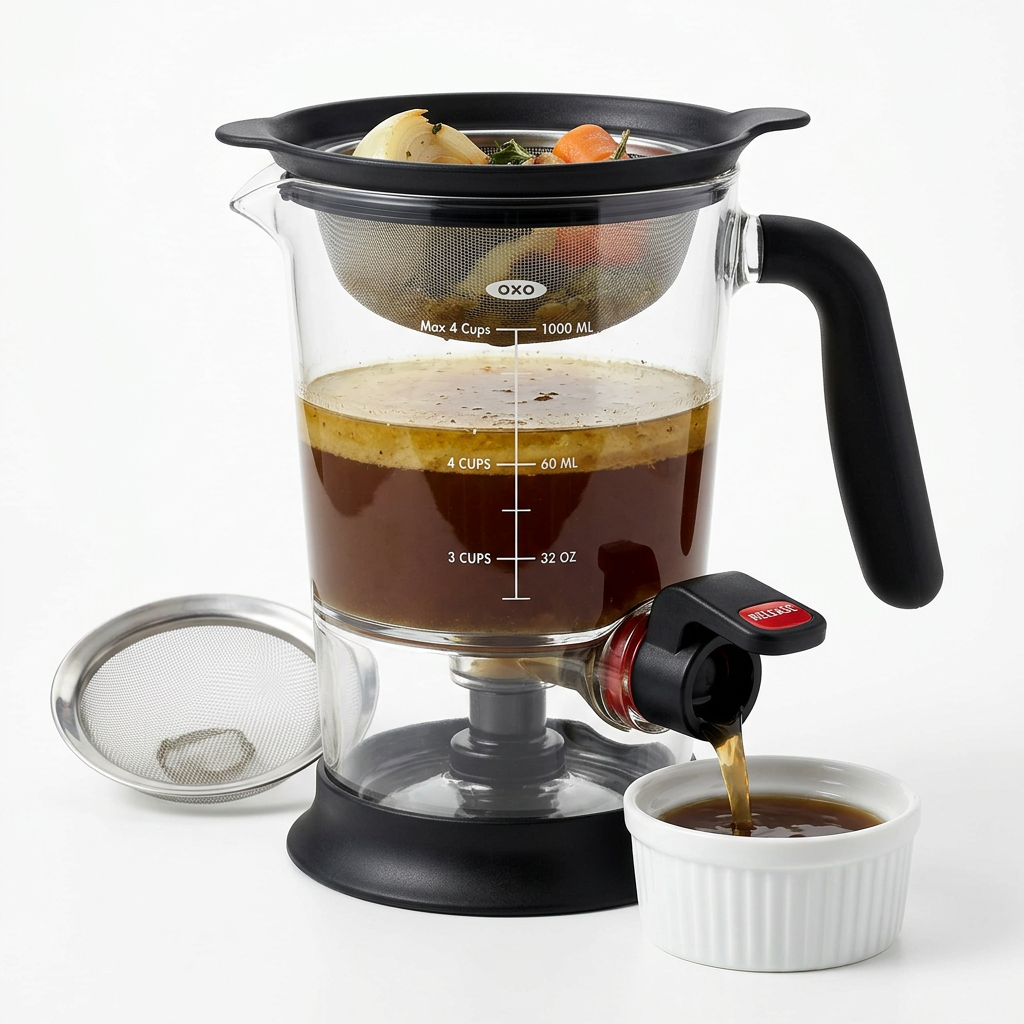
The liquid you use is the primary flavor vehicle for your risotto. Because the rice absorbs so much of the broth during the cooking process, the flavor of your stock will be amplified significantly. A high-quality, homemade chicken or vegetable stock is infinitely better than store-bought options, which often contain excessive sodium and artificial additives. Aim for a broth that is savory but not overly salty, as the liquid will reduce and concentrate throughout the cooking process. If you are using a bouillon base, dilute it more than the instructions suggest to allow the natural flavors of the rice and aromatics to shine through.
"The risotto is not a dish of ingredients; it is a dish of technique, where the broth is not merely a cooking medium but the very soul of the final composition."
Maintaining Temperature
One of the most common mistakes home cooks make is adding cold or room-temperature broth to the risotto. Keeping your broth at a constant simmer on a back burner is non-negotiable. When you add cold liquid to a hot pan, you shock the rice and stop the cooking process, which forces the starch to "set" rather than release. By adding warm broth, you maintain a steady, gentle cooking environment that encourages the rice to release its starches continuously. Always use a ladle to add liquid in increments, ensuring that the grains are just barely covered at each stage of the process.
The Art of Tostatura: Toasting for Texture and Flavor
Many home cooks skip the toasting step, or perform it so quickly that it becomes meaningless. Tostatura is the process of dry-cooking the rice in a small amount of fat—typically butter or high-quality extra virgin olive oil—until the grains become translucent at the edges and a hard, white core remains in the center. This step is vital because it creates a protective shell around each grain. This shell helps the rice maintain its structural integrity during the 18 to 20 minutes of cooking, ensuring that you end up with an al dente texture rather than a pile of starch-laden mush.
Sensory Cues for Perfect Toasting
You should toast your rice over medium heat, stirring constantly to prevent any scorching. Listen for the sound of the rice as it hits the hot metal; it should start to "sing" or crackle, creating a high-pitched sound. Smell the rice as it toasts—it will take on a nutty, toasted aroma, similar to that of popping corn or toasted nuts. Visually, look for that translucent ring forming around the outer edge of each grain. If you toast for too long, the rice will turn brown and lose its ability to absorb liquid correctly; toast for just enough time to develop that nutty fragrance, usually about two to three minutes.
The Deglazing Stage
Once your rice is properly toasted, the next step is to deglaze the pan. This is usually done with a dry white wine, which adds a crucial layer of acidity that cuts through the starch and fat. When you pour the wine into the hot pan, it will hiss and release steam. Scrape the bottom of the pan with a wooden spoon to incorporate any bits of onion or shallot that may have softened during the initial aromatic stage. Do not rush this part; wait until the smell of raw alcohol has evaporated completely and the wine has been fully absorbed by the rice before you add your first ladle of broth.
The Science of Stirring and Starch Release
The mechanics of stirring are often misunderstood by home cooks. You do not need to stir aggressively or constantly like you are whipping a meringue; instead, you need a gentle, rhythmic motion that encourages the grains to rub against one another. This friction is what physically scrapes the starch off the surface of the rice, emulsifying it with the liquid to create the signature creamy texture we all crave. A heavy-bottomed pan or a Dutch oven is ideal here, as it provides enough surface area for the rice to move and helps distribute heat evenly across the bottom of the pot.
The Role of Amylopectin
Starch in rice is composed of two main molecules: amylose and amylopectin. Amylopectin is the branched, sticky component that creates the creamy sauce in a risotto. By stirring, you are essentially creating a mechanical action that pulls this sticky starch into the cooking liquid. If you stir too little, the starch stays inside the grain and you get a thin, watery liquid. If you stir too much or too violently, you risk breaking the grains and creating a gummy consistency. The goal is a gentle agitation that promotes a smooth, flowing sauce that coats the back of a spoon.
Mastering the Mantecatura: The Grand Finale
When the rice is just barely tender—having reached that elusive al dente point where there is still a slight resistance in the center of the grain—remove the pan from the heat entirely. This is the moment for the mantecatura, the final step that elevates a simple rice dish into a professional-grade risotto. This involves adding cold, cubed butter and freshly grated high-quality Parmesan or Pecorino cheese to the finished rice. By using cold fat, you create a temperature shock that helps to emulsify the remaining liquid and the released starches into a rich, glossy, and cohesive sauce.
The Importance of Resting
Do not serve the risotto immediately after the mantecatura. Let it sit, covered, for about two to three minutes. This resting period allows the flavors to meld and the starch to settle into its final consistency. When you take the lid off, you should be able to tilt the pan and see the risotto move as a single unit, exhibiting that beautiful all’onda quality. If the risotto looks too stiff or thick at this stage, add a tiny splash of hot broth and stir gently; it should be loose and flowing on the plate, never clumped or sticky.
"A risotto that doesn't flow like a wave on the plate is a risotto that has been stripped of its soul; the final stir is the bridge between a mere meal and a culinary achievement."
Flavoring and Balance
The beauty of the mantecatura is that it acts as a flavor carrier. Because you are incorporating the butter and cheese at the very end, their flavors remain bright and intense. This is also the time to adjust the seasoning with salt, freshly cracked black pepper, or fresh herbs like parsley or chives. If you are using additional ingredients like sautéed mushrooms, peas, or saffron, fold them in just before the mantecatura, or serve them on top as a garnish to maintain their individual textures and flavors.
Common Pitfalls and How to Avoid Them
Even with the best intentions, risotto can go wrong in ways that are frustrating but entirely fixable. A common issue is the rice becoming overly salty. This usually happens when the broth reduces too much or when the Parmesan used is excessively aged and salty. Always taste your broth throughout the process, and remember that the liquid will concentrate as it cooks. If you realize your risotto is becoming too salty, try to balance it by adding a touch more unsalted butter or perhaps a small amount of heavy cream, though purists would argue the emulsion should be enough on its own.
The Problem of Texture
If your rice is still hard but you have run out of broth, do not panic. Simply add a small amount of boiling water from a kettle. While it is not as flavorful as stock, it will finish the job without altering the profile too aggressively. Conversely, if your rice is too soft, you have likely overcooked it. While there is no way to "un-cook" rice, you can save the dish by spreading it out on a large baking sheet to cool it down immediately, which will stop the cooking process and prevent it from turning into complete mush.
Timing is Everything
Risotto is a dish that waits for no one. It should be served as soon as it is ready, as it continues to cook even off the heat. If you try to hold a finished risotto for even ten minutes, it will stiffen up and lose that beautiful, velvety consistency. Plan your dinner so that you are ready to eat the moment the mantecatura is complete. This means having your ingredients prepped, your table set, and your guests ready at the table before you begin the process. The "blame" for a cold or stodgy risotto usually lands right on the chef who didn't time the kitchen flow correctly.
Elevating Your Risotto: Beyond the Basics
Once you have mastered the fundamental technique of the tostatura and the mantecatura, the world of risotto flavor profiles opens up entirely. You can begin to experiment with different liquids, such as using a flavorful seafood stock for a delicate shellfish risotto or adding a splash of Prosecco instead of dry white wine for a lighter finish. The aromatics you start with—the soffritto of onion, garlic, or leeks—can be changed to suit the season. Leeks, for example, offer a sweeter, more delicate base that works wonderfully with spring vegetables like asparagus and ramps.
Seasonal Variations
Spring:* Use fresh peas, asparagus tips, and a finish of fresh mint and lemon zest.
Summer:* Incorporate roasted tomatoes, fresh zucchini blossoms, and basil.
Autumn:* Roasted pumpkin or squash risotto with a hint of nutmeg and crispy sage leaves.
Winter:* A robust red wine risotto (Risotto al Barolo) or one featuring earthy mushrooms and truffle oil.
The Art of Pairing
Risotto is a rich dish, and it benefits from being paired with ingredients that provide contrast. A light, acidic salad with a vinaigrette dressing serves as a perfect accompaniment to the creaminess of the rice. If you are adding proteins, such as pan-seared scallops or grilled shrimp, place them on top of the risotto just before serving to ensure the texture of the protein remains distinct from the creaminess of the rice. When pairing with wine, choose something with enough acidity to cut through the fat, such as a crisp Pinot Grigio or a dry, sparkling Franciacorta.
Final Thoughts
Mastering risotto is a journey that rewards curiosity and patience. By focusing on the scientific process of starch release and maintaining a mindful approach to each stage—from the rhythmic toasting of the grains to the final, transformative swirl of butter and cheese—you are doing far more than just preparing dinner. You are engaging in a tradition that celebrates the beauty of simplicity and the power of technique. Do not be discouraged if your first few attempts are not perfect; even the most celebrated Italian chefs spent years refining their own version of the perfect wave.
Remember that the kitchen is your playground and your laboratory. Use the principles outlined here as your guide, but do not be afraid to taste, adjust, and iterate. Whether you are serving a simple risotto bianco to friends or putting together an elaborate, ingredient-heavy masterpiece for a special occasion, the joy of risotto lies in the process as much as the result. So, put on your apron, pour yourself a glass of that dry white wine you’ll be using for the deglazing, and get to the stove. With a bit of practice and an understanding of the chemistry at play, you will soon find that you don't need to blame the chef at all—you are the one in command of the pan, and the results will be nothing short of magnificent.
The path to the perfect, creamy risotto is one paved with steady heat, consistent stirring, and a deep respect for the humble rice grain. It is a dish that humbles us by reminding us that the best outcomes require our full attention and a willingness to be present in the moment. As you continue your culinary adventures, let this guide serve as a reminder that professional results are not a matter of talent alone, but a matter of discipline and practice. Keep your broth hot, your grains toasted, and your mantecatura generous, and you will always have a plate that sings of comfort and true culinary mastery. Happy cooking, and may your risotto always ripple with that perfect, golden all’onda sheen.

Get the Next Recipe
Weekly recipes, techniques, and gear picks — straight to your inbox.
