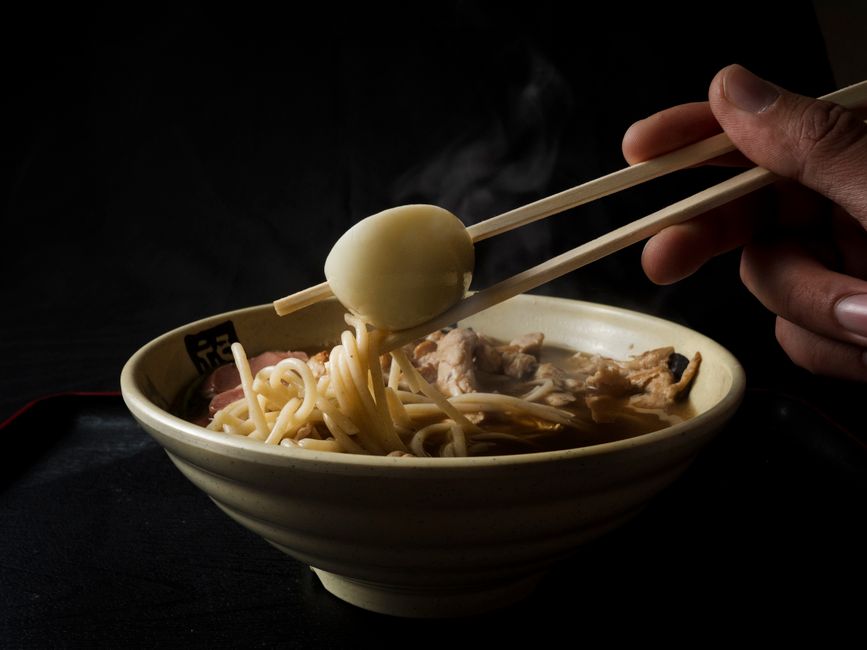
The Home Cook's Guide to Japanese Tonkotsu Ramen: Crafting Milky, Collagen-Rich Pork Broth
There is an almost spiritual reverence surrounding a truly great bowl of Tonkotsu ramen. For the uninitiated, the term "tonkotsu" refers to a pork-bone broth that has been boiled for so long—often upwards of twelve to eighteen hours—that the collagen and marrow from the bones emulsify into the water, creating a liquid that is remarkably opaque, creamy, and deeply savory. It is the gold standard of ramen, a testament to patience, heat management, and the alchemy of simple ingredients transforming into something profoundly complex. When you lift a ladle of a perfectly executed tonkotsu broth, you should see a thick, milky substance that coats the spoon like velvet, promising a depth of flavor that can only be described as liquid gold.
Bringing this restaurant-quality experience into your home kitchen is not merely a cooking project; it is a culinary rite of passage that demands your full attention and respect. While many home cooks are intimidated by the sheer duration of the process, the reality is that tonkotsu is less about advanced technical skill and more about your ability to monitor heat and manage ingredient ratios. You are essentially acting as a laboratory scientist, extracting proteins and fats through the controlled application of sustained, rolling heat. It is a slow, methodical journey that rewards your perseverance with a bowl of noodles that will inevitably ruin you for any standard, instant variety you might have once enjoyed.
In this guide, we will strip away the mystery surrounding the emulsification process and provide you with a roadmap to achieve that elusive, high-gloss finish that defines a professional ramen shop. We will discuss the sourcing of bones, the importance of the initial cleaning phase, and the precise moment when the broth transitions from a simple pork stock into a gelatinous, white-hued masterpiece. You will learn about the role of the tare, the seasoning base that provides the soul to your soup, and the meticulous preparation of toppings that elevate the dish from a humble bowl of noodles to a composed work of art. Prepare your kitchen, clear your schedule, and get ready to blame the chef when you realize there is no going back to anything less than this standard.
The Foundation: Sourcing and Prepping Your Bones
The quality of your broth is entirely dependent on the quality of your raw materials. You are not just making a soup; you are extracting the life force from animal bones. For the best possible results, you must seek out a mix of pork marrow bones, trotters (pigs' feet), and back fat. The trotters are non-negotiable because they are exceptionally high in gelatin, which is the primary driver of that desirable, sticky mouthfeel. Marrow bones provide the deep, earthy flavor, while back fat acts as the emulsifier that gives the broth its white, milky appearance. If you walk into your local butcher shop and ask for "ramen bones," they will likely know exactly what you need.
Cleaning the bones is perhaps the most tedious but important step in the entire process. Raw pork bones contain blood, marrow debris, and impurities that will turn your broth grey and bitter if left behind. To rectify this, you must begin with a parboil. Place all of your bones into a large stockpot and cover them with cold water. Bring this to a violent boil for ten to fifteen minutes, then drain the water entirely. At this stage, you will see a significant amount of gray scum rising to the surface. Discard that water, rinse each bone thoroughly under cold running water, and scrub away any dark clots or coagulated blood. This step ensures that your final broth will be clean, sweet, and pure in flavor.
The Role of Gelatin and Emulsification
The magic of tonkotsu happens when fats are broken down into tiny droplets and suspended in the gelatinous water. Without sufficient collagen, your broth will be thin and watery rather than coating the palate. You are aiming for a viscosity that lingers; when the broth cools slightly, it should almost set into a loose jelly. This is why the trotters are so vital. As they boil, they release massive amounts of collagen, which acts as the stabilization agent for the pork fat. When you see the broth turning a creamy, opaque white, that is the visual evidence that your fat-to-gelatin ratio is effectively hitting the target.
"True tonkotsu is not about boiling the bones until they disappear; it is about extracting the essence of the animal through the slow, relentless application of kinetic energy, turning water into a substance as rich as heavy cream."
The Boil: Managing Heat and Time
Once your bones are cleaned and returned to the pot with fresh, filtered water, the long process begins. Many home cooks make the mistake of simmering their broth gently, but tonkotsu requires a hard, rolling boil for the duration of the cooking time. The physical agitation of the bubbling water is what actually forces the fats into the water, creating that milky emulsion. If you simply simmer the pot, the fat will remain separated and the broth will be clear or oily rather than creamy. You want a constant, vigorous boil that keeps the liquid circulating and churning the collagen through the water.
Sustained High-Heat Techniques
You should aim for a total boil time of at least twelve hours. During this period, you must monitor the water level consistently. As water evaporates, the concentration of minerals and collagen increases, which is what we want, but if the water level drops too low, you risk scorching the bones at the bottom of the pot. Keep a kettle of boiling water nearby and replenish the stockpot every hour or so, ensuring the bones remain fully submerged at all times. Do not add cold water, as this will drop the temperature and disrupt the emulsification process you have worked so hard to establish.
Aroma and Flavor Profiles
While the pork bones provide the structure, the aromatics provide the subtle, underlying notes that keep the flavor from becoming overly cloying. About three hours before you finish the boil, add charred onions, fresh ginger, and a few cloves of garlic to the pot. Avoid adding these aromatics too early, as they can break down into bitter compounds or lose their brightness during such a long boil. The goal is to provide a clean, aromatic backbone that cuts through the intense fattiness of the pork, creating a balanced profile that makes the diner want to come back for another sip.
Mastering the Tare: The Soul of the Bowl
While the broth is the body of the ramen, the tare is the spirit. Tare is a concentrated seasoning sauce that is added to the bottom of the bowl before the broth is poured in. It usually consists of soy sauce, mirin, sake, kombu, and sometimes dried shiitake mushrooms. A good tare should be salty, umami-heavy, and slightly sweet to provide contrast to the unctuous pork fat in the broth. Without the tare, your bowl will taste like hot, fatty pork water. With it, you unlock the layers of complexity that define high-end ramen.
Balancing Umami and Salinity
When creating your tare, consider the ratio of shoyu (soy sauce) to shio (salt) or miso. For a classic tonkotsu, a soy-based tare is traditional. Combine equal parts soy sauce and mirin, add a piece of kombu (dried kelp), and let it infuse over low heat—do not let it boil vigorously or the delicate flavors of the kombu will turn slimy. You want a liquid that is deeply savory and dark, one that brings out the brightness of the broth. You can also experiment with adding dried bonito flakes or even a splash of apple cider vinegar to provide an acidic lift that cleanses the palate between bites.
Application of Tare
When assembling your bowl, the order of operations matters. Start by placing two tablespoons of your tare at the bottom of your pre-heated serving bowl. Add a small amount of aromatic oil—perhaps a spoonful of garlic-infused pork fat—to the bowl as well. When you ladle the hot, creamy tonkotsu broth over the tare, the heat will awaken the seasonings and create a cohesive emulsion of flavor. It is a subtle science, but the difference between a bowl that is seasoned in the pot and one seasoned in the bowl is significant; bowl-seasoning allows for the individual aromatics to shine through without being masked by twelve hours of boiling.
The Noodles: Texture and Alkalinity
The hallmark of a great ramen noodle is its springiness (koshi). Ramen noodles are made from wheat flour and an alkaline mineral water called kansui, which gives the noodles their characteristic yellow hue and firm, slightly chewy texture. When choosing noodles for tonkotsu, opt for a thin, straight noodle. Because the broth is so heavy and dense, you need a noodle that can hold onto the liquid but not become soggy under the weight of it. A thin, firm noodle provides the necessary contrast to the velvety soup.
Cooking for the Perfect Bite
The cooking time for ramen noodles is often measured in seconds. You are aiming for a texture that is firm in the center—the famous al dente—because the residual heat from the boiling broth will continue to cook the noodles once they are served. If you overcook them in your boiling water, they will arrive at the table as a mushy pile. Use a large pot with plenty of water to ensure the temperature does not drop when you add the noodles, and stir them frequently to prevent sticking. Once finished, drain them vigorously; do not let a single drop of excess cooking water dilute your perfectly constructed broth.
The Science of Alkalinity
If you are feeling particularly adventurous, you can make your own ramen noodles by using a small amount of baked baking soda to mimic the effects of professional-grade kansui. The alkaline environment created by the kansui changes the structure of the wheat proteins, making them stronger and more elastic. This elasticity is crucial for tonkotsu ramen because it ensures the noodles won't snap or break when you pull them through the thick, heavy broth. It is a small detail, but one that separates the amateur from the connoisseur.
"The noodle is the bridge between the broth and the palate; it must possess enough strength to withstand the weight of the soup, yet enough delicacy to harmonize with the seasoning of the tare."
Toppings: The Final Assembly
A bowl of tonkotsu ramen is a balanced meal, and the toppings are not merely decorative. They serve a functional purpose in terms of texture and taste. Chashu pork is the most iconic topping; it is pork belly that has been rolled, braised, and then seared or torched just before serving. The fat from the chashu melts into the broth, adding even more luxury to the bowl. Preparing the chashu requires its own dedicated time, usually involving a slow braise in soy, sake, sugar, and ginger. When it is sliced thin and laid over the noodles, it should be so tender that it almost falls apart at the touch of your chopsticks.
Balancing the Heaviness
Because tonkotsu is so rich, you need elements in the bowl that cut through that density. Menma (fermented bamboo shoots) adds a crunchy, earthy sweetness. Nori (dried seaweed) offers a briny, oceanic note that pairs beautifully with the pork. A perfectly marinated ajitama (soft-boiled egg) is perhaps the most important topping of all. The yolk should be custard-like and jammy, providing a creamy contrast to the broth. To achieve this, boil your eggs for exactly six minutes and thirty seconds, then immediately shock them in an ice bath before peeling and marinating them in a mixture of soy sauce, mirin, and water.
The Role of Scallions and Garlic
Finally, do not overlook the freshness of aromatics like finely sliced green onions or a dollop of grated garlic. These provide a sharp, pungent kick that cuts through the fat and resets your taste buds. Some chefs even add a swirl of black garlic oil, known as mayu, which provides a bitter, charred, and deeply complex flavor that complements the earthiness of the pork marrow. When you compose the final bowl, treat it like an architect; every element has a designated space, and every ingredient is a deliberate choice intended to provide a specific sensory experience.
The Art of the Service
Serving ramen is a race against time. The moment the noodles hit the broth, they begin to absorb liquid and soften. A truly great ramen chef knows that the bowl must be served immediately after construction. This is why pre-heating your bowls is so important. A cold ceramic bowl will rapidly drop the temperature of your broth, causing the fats to congeal and the texture to thicken unpleasantly. Place your bowls in a low oven or submerge them in hot water for a few minutes before you begin the assembly process.
The Sequence of Assembly
Mindful Consumption
Once the bowl is served, the diner has about five minutes to enjoy the ramen at its peak. Encourage your guests—or enjoy yourself—by eating the noodles quickly. The broth should be sipped throughout the process, allowing the complexity of the marrow and the sharpness of the tare to dance on the tongue. It is a communal experience, one that is meant to be noisy, messy, and deeply satisfying. When you hear the sound of slurping, know that it is not just a habit; it is a way to aerate the broth and cool the noodles, allowing for the maximum perception of flavor.
Troubleshooting Your Broth
Even for experienced chefs, tonkotsu can be temperamental. If your broth is not as white as you hoped, you may have lacked the necessary amount of fat or failed to maintain a strong enough boil. If your broth is too thin, you might have skimmed too much fat or failed to use enough trotters. If the broth tastes bitter, you may have burnt the aromatics or failed to clean the bones properly in the initial parboil. Troubleshooting is part of the learning process, and every batch—even the "failed" ones—is a lesson in ingredient management and temperature control.
The Viscosity Check
To check if your broth is properly gelatinous, place a small sample on a chilled plate. It should coat the plate and become slightly viscous as it cools. If it slides off like water, you need to boil it longer to reduce the volume and increase the concentration of solids. Do not be afraid to reduce your broth by twenty or thirty percent if it lacks the body you desire. The intensity of a long-boiled broth is rarely a bad thing; it is almost always better to err on the side of too much body than too little.
Dealing with Fat Content
Some diners may find a pure tonkotsu broth to be too heavy. You can adjust the "mouthfeel" by balancing the amount of rendered pork fat you add to the bowl. If you want a cleaner experience, serve the broth as is. If you want the authentic, luxurious experience, ensure there is a layer of rendered fat that sits on top of the broth, acting as a thermal blanket that keeps the soup hot and carries the flavor of the aromatics directly to your palate. It is a decadent experience, but one that is essential to the identity of true tonkotsu.
"A great bowl of ramen is a balancing act of opposing forces: salt and sweet, fat and acid, crunch and cream. When these elements align, the result is nothing short of miraculous."
Conclusion
Creating Tonkotsu ramen at home is a significant commitment, but it is one that offers a unique perspective on the power of patience in the kitchen. You have learned how to clean the bones, how to manage a twelve-hour boil to achieve that perfect, milky emulsion, how to craft a tare that sings, and how to compose a bowl that is both beautiful and functional. By the time you reach the end of this process, you will have developed a much deeper understanding of how heat, proteins, and fats interact. You will no longer look at a simple bowl of soup the same way; you will recognize the effort, the time, and the technique required to make it exceptional.
Do not be discouraged if your first batch is not perfect. Even the most renowned ramen masters spend years refining their craft, adjusting their ratios, and sourcing better ingredients to get closer to their own version of perfection. Use this guide as a foundation, but do not be afraid to experiment with your own aromatics, your own tare recipes, or your own preferred toppings. The beauty of cooking at home is that the kitchen is your laboratory, and you have the freedom to make this dish your own.
As you sit down to eat your first bowl of homemade tonkotsu, take a moment to appreciate the journey. From the raw, unrefined bones to the finished, velvet-smooth liquid, you have participated in a culinary process that has roots in tradition and a future in your own creative potential. When the last noodle is gone and the last drop of broth has been slurped, you will understand exactly why this dish is worth the wait. And if your friends or family ask how you managed to create something so incredibly rich, you can simply smile, hand them a pair of chopsticks, and blame the chef—because after twelve hours in the kitchen, you have certainly earned the right to be the master of your own domain. Enjoy the result of your labor, and may your future bowls be even better than the first.
Get the Next Recipe
Weekly recipes, techniques, and gear picks — straight to your inbox.
