The Home Cook's Guide to Korean Bibimbap: Building the Perfect Bowl with Seasoned Namul and Crispy Rice
There is a profound, almost primal satisfaction in sitting down to a bowl of Bibimbap. At its core, the dish is an exercise in intentionality, a balanced composition of color, texture, and temperature that defies the simplicity of its individual components. Translating the Korean word literally as "mixed rice," this meal is the ultimate comfort food, yet it demands a certain level of discipline from the home cook. To master the art of the bowl, one must respect the distinct preparation of each vegetable, ensuring that every element retains its integrity while contributing to a harmonious whole. When you finally break the yolk of a perfectly fried egg and stir it into the seasoned gochujang, you aren't just eating; you are participating in a culinary ritual that has been perfected over centuries.
For the aspiring home cook, the greatest barrier to an authentic Bibimbap experience is often the fear of overcomplicating the process. It is easy to look at the vibrant array of toppings and feel overwhelmed by the sheer volume of prep work involved in the namul (seasoned vegetables). However, once you adopt a professional kitchen workflow, you will realize that Bibimbap is one of the most forgiving and modular meals you can prepare in a residential setting. It is a dish that rewards patience, rewarding the cook who takes the time to properly blanch a spinach bunch or julienne a carrot with precision. Once you have built your pantry with the fundamental Korean staples, you will find yourself reaching for these techniques even when you are not explicitly making Bibimbap.
The magic of this dish ultimately rests on the dolsot, or stone bowl, which transforms the base layer of rice into a crackling, golden masterpiece known as nurungji. While you might not have a heavy volcanic stone bowl tucked away in your kitchen cabinet, there are ways to simulate that crunch using a cast-iron skillet, which serves as a worthy substitute. My goal in this guide is to demystify the process, moving beyond the casual "dump everything in a bowl" approach to show you how to layer flavors with architectural precision. Whether you are hosting a dinner party or seeking a restorative weeknight meal, this blueprint will teach you how to build a bowl that stands toe-to-toe with the offerings of the best traditional houses in Seoul.
The Foundation: Selecting and Cooking Your Rice
The rice is not merely a vessel for the other ingredients; it is the canvas upon which the entire dish is painted. If your rice is mushy, over-seasoned, or lacks the necessary chew, the integrity of the entire bowl collapses under the weight of the toppings. You are aiming for a short-grain or medium-grain japonica rice, which contains the perfect ratio of amylopectin to provide that characteristic stickiness and sweetness. Before you even think about hitting the "start" button on your rice cooker, the most critical step occurs at the sink. You must rinse the rice until the water runs completely clear, removing the excess surface starch that would otherwise turn your grains into a clumped, gummy mess.
Rinsing and Hydration Techniques
Precision in hydration is the hallmark of a skilled cook. A good rule of thumb is a 1:1.1 ratio of water to rice, though this varies slightly depending on the age of your grain. I highly recommend soaking your rice for at least 30 minutes before cooking, as this allows the moisture to penetrate the center of the grain, resulting in a more uniform texture. If you are using a standard pot on the stove, ensure the lid is tight-fitting and avoid the temptation to lift it during the steam cycle. Once the rice is cooked, allow it to rest for at least 10 minutes off the heat; this allows the steam to redistribute throughout the pot, ensuring the bottom grains are just as fluffy as the top ones.
The Secret to the Crispy Bottom
To achieve that legendary crispy bottom in a standard kitchen, use a heavy-duty cast-iron skillet. Once your rice is cooked, transfer a portion to a well-oiled skillet over medium-high heat. You are looking for that audible sizzle that signals the Maillard reaction is taking hold of the bottom layer of rice. Do not stir it! Let it sit undisturbed for 5 to 7 minutes until you can smell the nuttiness of toasted rice. This layer of nurungji provides the textural contrast required to elevate the dish from a simple bowl of rice and veg to a multi-sensory experience.
"A bowl of Bibimbap without the crunch of a toasted base is like a symphony without percussion; you have the melody, but you are missing the heartbeat of the dish."
The Art of Namul: Seasoning the Vegetables
The namul component of Bibimbap represents the bridge between raw, vibrant produce and deep, umami-laden seasoning. Traditionally, each vegetable—spinach, bean sprouts, carrots, mushrooms, and zucchini—is prepared separately. While this may seem tedious, the reason is scientific: each vegetable has a unique cellular structure, water content, and cooking time. By treating them individually, you ensure that your carrots remain vibrant and sweet, your spinach stays tender without becoming slimy, and your bean sprouts retain a satisfying, crisp snap.
Mastering the Blanch and Sauté
For leafy greens like spinach, the blanching method is non-negotiable. Submerge the greens in boiling water for no more than 30 seconds, then immediately transfer them to an ice water bath to stop the carryover cooking. Once they are cool, squeeze them as dry as physically possible. If you leave water in the spinach, your finished bowl will become a watery, diluted soup. After drying, toss the greens with a mixture of toasted sesame oil, minced garlic, sea salt, and a pinch of toasted sesame seeds. This simple ratio creates a nutty, savory profile that highlights the freshness of the vegetable.
Creating Color and Texture Harmony
When sautéing harder vegetables like zucchini and carrots, the goal is to maintain the integrity of their shape while coaxing out their natural sugars. Slice your carrots into fine matchsticks, or julienne, to ensure they cook at the same rate as the zucchini. Use a neutral oil with a high smoke point, such as grapeseed or avocado oil, and keep the heat moderate. You are not looking to brown the vegetables heavily; you want them to reach a state of tender crispness. A light dusting of salt during the sauté is all that is required, as the heavy lifting of flavor will be handled by the sauce later.
Spinach:* Blanch, ice, squeeze, season with sesame oil and salt.
Carrots:* Julienne, sauté until tender-crisp, light salt.
Bean Sprouts:* Blanch for 2 minutes, season with garlic and sesame oil.
Mushrooms:* Sauté with a drop of soy sauce for deep earthiness.
Zucchini:* Slice thin, quick sear for bright color.
The Sauce: The Gochujang Concoction
The sauce, or Bibimbap-jang, is the glue that binds the disparate elements of your bowl into a cohesive narrative. Gochujang, a fermented Korean red chili paste, is the mandatory anchor of this sauce. It brings a unique combination of sweetness, savory depth, and a slow-burning heat that lingers on the palate. However, using gochujang straight from the tub is a rookie mistake; it is too thick and intense to be enjoyed in its raw state. You must balance its fermented funk with acidity, fat, and extra sweetness to create a sauce that coats the ingredients without overwhelming them.
Balancing the Flavor Profile
To create a truly professional-grade sauce, whisk your gochujang with a liquid sweetener—maple syrup, honey, or rice syrup all work beautifully—and a splash of rice vinegar or apple cider vinegar to cut through the richness. The vinegar is essential; it adds a bright top note that stimulates the appetite. To thin the paste to a pourable consistency, add a teaspoon or two of toasted sesame oil and, if needed, a splash of water or even a bit of dashi or chicken stock. Some chefs also incorporate a touch of minced garlic or a squeeze of lemon juice for an added layer of complexity.
The Ratio for Perfection
If you are looking for a reliable starting point, follow this classic ratio: 2 tablespoons of gochujang, 1 tablespoon of toasted sesame oil, 1 tablespoon of rice syrup or honey, and 1 teaspoon of rice vinegar. Taste it as you go. If you want more heat, add a pinch of Korean chili flakes (gochugaru). If it feels too one-dimensional, a drop of soy sauce will add the necessary saltiness to bridge the gap. This sauce is robust enough to stand up to the earthy vegetables and the rich, runny yolk of the egg that will eventually sit on top.
"The sauce is the soul of the bowl; it is the invisible thread that connects the earthiness of the vegetables to the sweetness of the rice and the richness of the yolk."
Protein: From Beef Bulgogi to Tofu
While Bibimbap is a vegetable-forward dish, the inclusion of a protein adds a necessary depth that rounds out the meal. Beef Bulgogi, with its thinly sliced, marinated, and seared profile, is the traditional choice. To prepare this, use ribeye or sirloin, sliced paper-thin against the grain. The marinade should be a combination of soy sauce, grated pear (the secret to tenderizing the meat), garlic, sesame oil, and a touch of brown sugar. Let it rest for at least an hour before cooking, then sear it over high heat to achieve a beautiful, caramelized char.
The Vegetarian Alternative
If you prefer a vegetarian path, consider firm tofu. The trick to making tofu work in a Bibimbap bowl is to remove as much moisture as possible. Press the tofu between paper towels or in a tofu press for at least 30 minutes. Once pressed, cut it into small cubes and pan-fry them until the exterior is golden and crisp. You can finish the tofu with a light glaze of soy sauce and ginger or toss it directly in the bowl with a dusting of sesame seeds. The goal is to provide a texture that contrasts with the softness of the seasoned vegetables.
Cooking the Egg to Perfection
The egg is non-negotiable. Whether you opt for a sunny-side-up egg or a jammy-yolked soft-boiled egg, the yolk is an essential emulsion agent. As you stir the hot rice, vegetables, and sauce together, the yolk breaks and coats everything, creating a creamy, luxurious sauce that binds the ingredients. Fry the egg in a hot pan with a small amount of sesame oil for a nutty finish, and ensure the white is fully set while the yolk remains liquid. Placing this over the center of the bowl is the final architectural step before serving.
Assembly: The Architecture of the Bowl
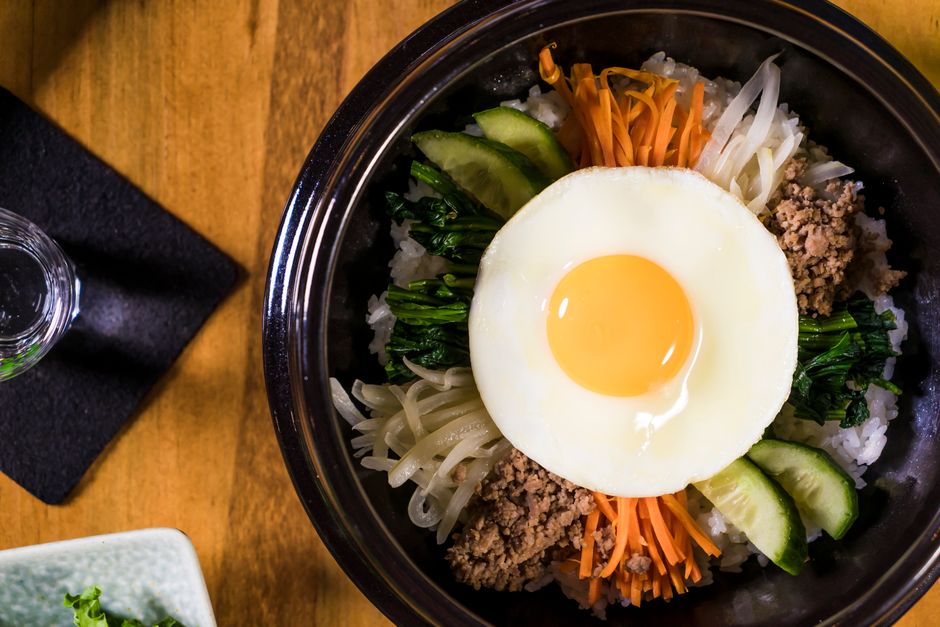
Assembly is not a random act; it is the final stage of presentation. A well-constructed Bibimbap bowl should look like a painter’s palette. Start by placing your rice as the base. If you are using a dolsot, ensure the rice is pressed firmly against the bottom and sides to ensure the crisping process continues while the diner begins to eat. Working in a circular motion, arrange your namul in distinct piles on top of the rice, grouping colors together. Contrast is key here—place the dark green spinach next to the bright orange carrots, and the pale bean sprouts next to the dark, savory mushrooms.
The Importance of Contrast
Visual appeal is a massive component of the Bibimbap experience. The colors are not just for show; they signify the nutritional diversity of the meal. By keeping the vegetables separated, you allow the diner to appreciate the unique preparation of each one. Once the outer circle of vegetables is complete, place your protein in the center of the bowl. This creates a focal point that draws the eye inward. Finally, place the fried egg directly atop the protein, acting as a crown for the masterpiece you have just created.
Garnish and Final Touches
Before the bowl leaves the kitchen, it requires the final, essential garnishes. A generous sprinkle of toasted sesame seeds adds a nutty crunch, while a handful of thinly sliced nori (dried seaweed) introduces a salty, oceanic depth. If you are feeling particularly decadent, a drizzle of high-quality toasted sesame oil around the perimeter of the bowl will provide an aromatic punch the moment the dish is placed on the table. These small additions are the difference between a home-cooked meal and a restaurant-quality experience.
Essential Pantry Staples for the Korean Kitchen
If you want to move beyond the occasional Bibimbap night, you need to stock your pantry with the foundational elements of Korean cuisine. These are not just ingredients; they are building blocks that will allow you to explore a wider range of flavors. Gochujang is obviously the first priority, but you should also keep a large container of doenjang (fermented soybean paste) for soups and stews, and a high-quality, aged soy sauce for seasoning. Korean soy sauce differs from its Japanese and Chinese counterparts in depth and salt profile, so look for a bottle that specifies "Jin-ganjang" for cooking.
The Role of Fermentation
Fermentation is the secret weapon of Korean flavor, providing the funk and complexity that defines the cuisine. Kimchi, while not strictly a topping for every version of Bibimbap, is a mandatory side. The acidity and probiotics in the kimchi act as a palate cleanser against the richness of the egg yolk and the sweetness of the sauce. If you have the time, try making your own kimchi. The process is transformative, and it teaches you how to balance salt, chili, and aromatics in a way that is applicable to almost every other area of cooking.
Aromatics and Oils
The final element of your pantry should be focused on aromatics. Always keep a steady supply of fresh garlic, ginger, and green onions. These three are the holy trinity of Korean seasoning. Additionally, invest in a high-quality toasted sesame oil. Do not settle for the cheap stuff found in the baking aisle; look for a brand that specializes in high-quality roasted seeds. The aroma of cold-pressed, high-quality sesame oil is floral, deep, and incredibly potent. When used as a finishing touch, it transforms a simple bowl of rice into a culinary event.
Gochujang:* The fermented chili base.
Toasted Sesame Oil:* Essential for finishing and seasoning namul.
Gochugaru:* Korean chili flakes for heat and color.
Soy Sauce:* Choose an aged variety for depth.
Rice Vinegar:* Needed for balancing the sauce acidity.
Troubleshooting Common Culinary Pitfalls
Even for experienced home cooks, Bibimbap can present challenges. The most common issue is a watery bowl. This usually happens if the vegetables are not dried properly after blanching or if the mushrooms are sautéed over heat that is too low, causing them to release their liquid rather than sear. If you find your bowl becoming soupy, increase the heat on your stovetop and ensure your vegetables are thoroughly drained in a colander before they ever touch the skillet. A dry vegetable is a flavorful vegetable; a wet one is a bland one.
Managing Temperature
The temperature of the bowl itself is a critical factor. If you are not using a stone bowl, your ingredients will cool down rapidly. To counteract this, warm your serving bowls in a low oven (around 200°F) for ten minutes before assembling. When you add the hot rice and freshly sautéed vegetables to a warm bowl, the temperature remains consistent throughout the meal. This is a subtle professional chef tip that dramatically improves the dining experience, especially during the colder months when you crave that deep, comforting heat.
The "Too Salty" Dilemma
If you accidentally over-season the namul, do not panic. The best way to dilute saltiness is to add neutral components. Fold in a bit more plain rice or add extra unseasoned, sautéed vegetables to the mix. The sauce should be the primary carrier of salt in the dish, so if your vegetables are perfectly seasoned, you should find that you have total control over the sodium profile of the bowl. Always taste as you go, and remember that it is much easier to add more salt than it is to remove it.
"Cooking is not about adhering strictly to a set of rules, but about understanding the variables of your kitchen and adjusting your techniques to achieve the desired outcome, one bowl at a time."
Conclusion
Building the perfect bowl of Bibimbap is an act of love and a testament to the importance of technique in the kitchen. By focusing on the preparation of the rice, the individual seasoning of the namul, and the balance of the gochujang sauce, you elevate the meal from a simple collection of ingredients into a complex, satisfying experience. You have learned that the key lies in the details: the rinsing of the rice, the squeezing of the spinach, the precise searing of the protein, and the deliberate assembly of the components. These are the skills that define a versatile home cook, and they are ones you will carry with you far beyond this specific dish.
As you continue your culinary journey, remember that Bibimbap is a reflection of the seasonal bounty available to you. While we have focused on the staples of spinach, carrots, and mushrooms, there is no reason you cannot experiment with whatever vegetables are freshest at your local market. Thinly sliced radishes, blanched bok choy, or even sautéed kale can all find a place in your bowl if treated with the same respect and attention to detail. The beauty of this dish is its modularity; it is designed to be personalized, provided you respect the underlying structural integrity of the meal.
So, put on your apron, fire up the stove, and don't be afraid to make a little bit of a mess in the kitchen. The process of blanching, sautéing, and assembling is where the real joy of cooking resides. When you finally sit down and break that egg yolk, stirring it into the warm rice and the vibrant, seasoned vegetables, you will understand why this dish has captured the hearts of so many for generations. It is, at its heart, a dish about harmony—about taking individual, simple ingredients and weaving them together into something much greater than the sum of its parts. Happy cooking, and may your rice always be perfectly toasted.



Get the Next Recipe
Weekly recipes, techniques, and gear picks — straight to your inbox.
