
The Home Cook's Guide to Lebanese Tabbouleh: Mastering Parsley-to-Bulgur Ratios for Authentic Fresh Herb Salads
There is a common misconception in Western culinary circles that Tabbouleh is a grain salad, a dish where the fluffy wheat takes center stage and the greenery serves as a mere garnish. In the authentic kitchens of the Levant, specifically within the heart of Lebanese households, this couldn't be further from the truth. Tabbouleh is, at its core, a celebration of the herb garden, a vibrant, emerald-hued salad where parsley is the undisputed protagonist and bulgur acts only as a subtle textural anchor. When you approach this dish, you must shift your mindset from "salad making" to "herb preparation," treating each delicate leaf with the reverence it deserves to ensure the final result is crisp, refreshing, and entirely devoid of wilting.
Mastering the perfect Tabbouleh requires a departure from the common kitchen habit of aggressive chopping and mechanical processing. The secret lies in the ratio, the tactile sensation of the ingredients under your knife, and the precise moment of assembly. If you have ever felt that your homemade Tabbouleh tasted muddy or became watery within minutes of dressing, you are likely falling into the trap of over-processing your herbs or failing to manage the moisture content of your vegetables. This guide will walk you through the structural integrity of the salad, teaching you how to balance the sharpness of lemon, the earthiness of fine-grade bulgur, and the peppery brightness of fresh flat-leaf parsley to create a masterpiece that honors centuries of tradition.
To elevate your cooking, you must first unlearn the shorthand methods that dominate online recipe sites. We are not interested in "chopped salads" that turn into a soggy mess of chlorophyll sludge; we are aiming for a precise, jewel-like consistency where every bite offers a distinct explosion of flavor. This journey into the heart of Lebanese cuisine is about technique, patience, and the understanding that simple ingredients demand the highest level of care. By the time you reach the end of this guide, you will possess the foundational skills to replicate the pristine, vibrant Tabbouleh served in the finest homes in Beirut, ensuring that the next time you serve this dish, your guests will be left asking exactly how you achieved such an impeccable texture.
The Anatomy of Authentic Tabbouleh
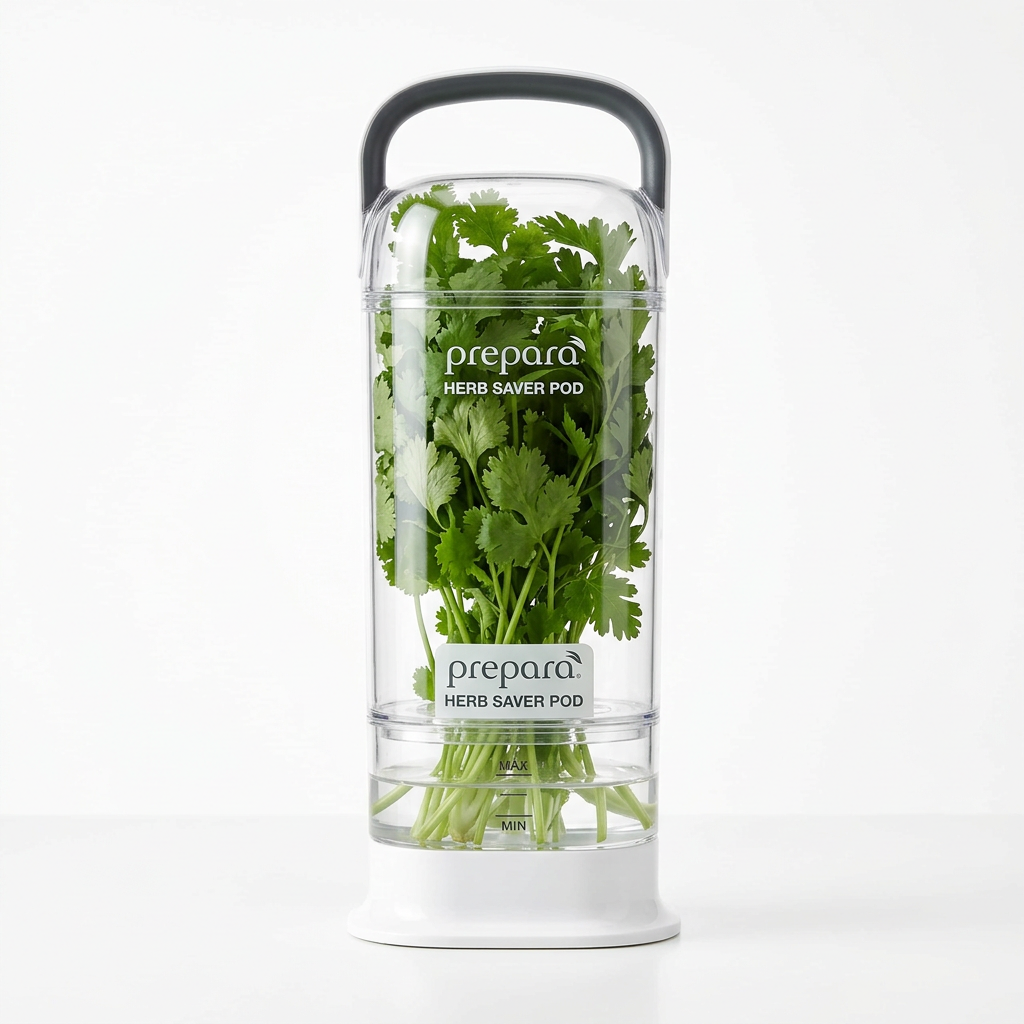
At the foundation of any great Tabbouleh is the selection of your parsley. You must seek out the freshest, most vibrant flat-leaf parsley available, avoiding the curly variety entirely, as its texture is too rigid and its flavor profile lacks the necessary nuance. In Lebanon, the parsley is not just an ingredient; it is the soul of the dish. You are looking for bunches with stiff, bright green stems and dark, healthy leaves that show no signs of yellowing or bruising. If you purchase your parsley a day in advance, store it like a bouquet of flowers in a jar of cold water in your refrigerator, covered loosely with a plastic bag to maintain humidity without inducing rot.
Selecting Your Bulgur
The bulgur used for Tabbouleh must be of the fine-grade (#1) variety. If you accidentally purchase medium or coarse-grade bulgur, the texture will be completely compromised, resulting in a salad that feels like you are eating gravel alongside your herbs. Fine bulgur requires only minimal soaking, often just enough to soften it without losing its structural integrity. It is meant to absorb the juices of the lemon and the oils of the tomatoes, acting as a flavor sponge rather than a filler.
"True Tabbouleh is not a grain salad. It is an herb salad, and the bulgur is merely a whisper of texture designed to ground the soaring brightness of the parsley."
The Role of the Tomato
The tomatoes in a traditional Tabbouleh are often misunderstood. You do not want a watery, mealy tomato that contributes nothing but excess liquid to the bowl. Instead, seek out firm, vine-ripened tomatoes that are on the cusp of being fully ripe but still hold their shape when sliced. The key technique here is to seed the tomatoes completely and dice them into extremely fine, uniform cubes. This keeps the salad dry and ensures that the flavor of the tomato is integrated into the herb mixture rather than drowning it.
The Art of the Knife: Why Processing is the Enemy
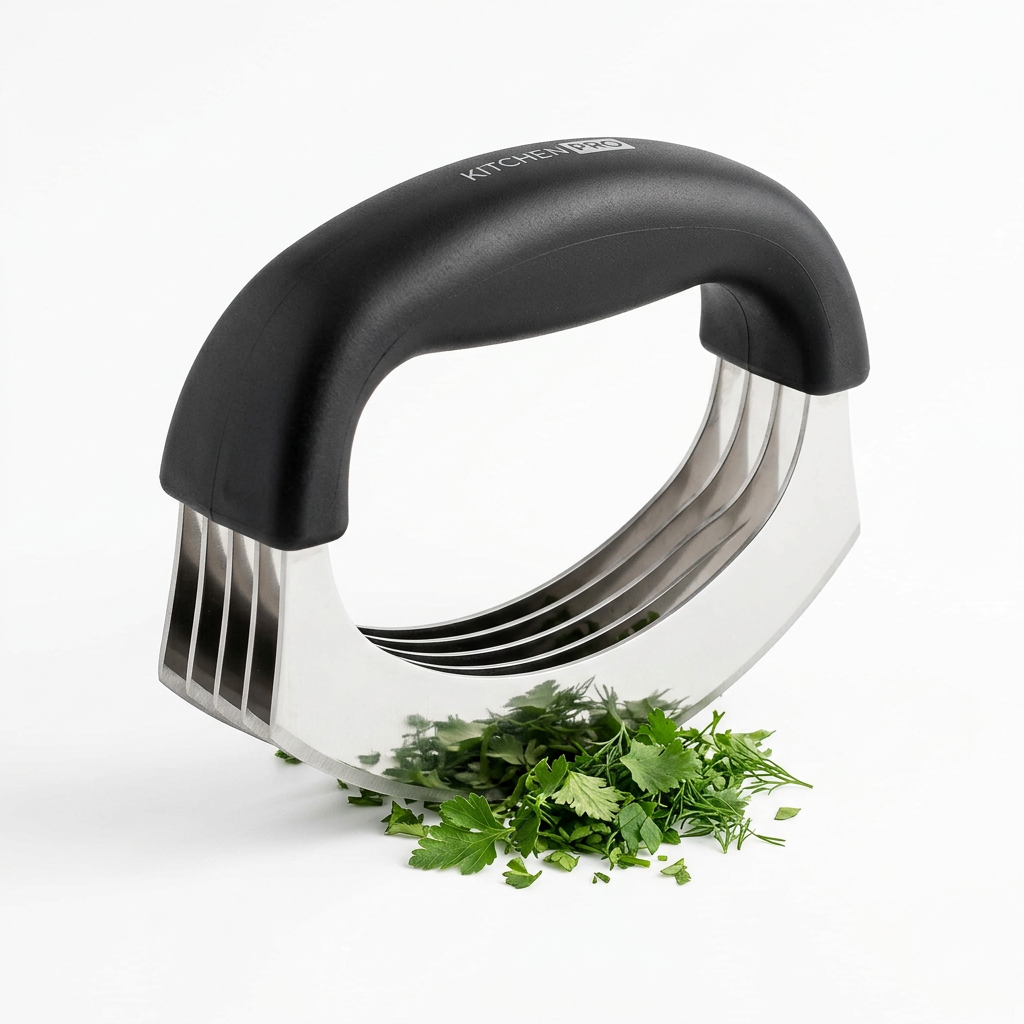
One of the most frequent mistakes home cooks make is utilizing a food processor or a dull blade to break down the parsley. When you use a mechanical device, you are effectively crushing the leaves rather than slicing them. This process ruptures the cellular walls of the herb, releasing an excessive amount of chlorophyll that turns the salad bitter and creates a "grassy" flavor that is entirely absent in the refined, traditional version. You must use a razor-sharp chef’s knife or a high-quality paring knife and work in small, controlled movements.
Mastering the Herb Mince
To prepare the parsley, wash it thoroughly and—most importantly—ensure it is completely dry. If the leaves are wet, they will bruise during the chopping process. Use a salad spinner to remove excess water, then pat the bunches down with a clean tea towel. Stack the leaves neatly on your cutting board. Using a long, smooth motion, slice through the leaves once, then turn the pile and slice again. You are not looking for a pulverized paste; you want individual, bite-sized pieces that retain their shape.
Avoiding Oxidation
Oxidation is the silent killer of Tabbouleh. Once the herbs are chopped, they must be handled with care to prevent them from wilting prematurely. Do not mix the salt and lemon juice into the salad until the very last moment before serving. Salt is hygroscopic, meaning it draws moisture out of the vegetable cells through osmosis. If you salt your parsley too early, your vibrant, crisp salad will turn into a limp, dark green mass in less than twenty minutes. Keep your ingredients separate until the guests are seated.
The Perfect Ratio: A Mathematical Approach
While many recipes offer vague measurements, the secret to a professional-grade Tabbouleh is found in the ratio of the ingredients. For every two bunches of flat-leaf parsley (approximately 3 to 4 cups chopped), you should use roughly one-third of a cup of dry fine bulgur. The volume of the bulgur will double once hydrated, meaning you will have enough grain to provide texture without overwhelming the aromatics. This ratio ensures that every forkful is dominated by the herbal notes, with the grain providing a subtle, chewy counterpoint.
Balancing the Aromatics
The onion is another critical component. Traditionally, this is either a yellow onion or a spring onion, finely minced and often rubbed with a little salt and spice to mellow its bite. The ratio here is subtle: for the same two bunches of parsley, use only about two tablespoons of finely minced onion. The goal is to provide an aromatic base note that supports the parsley rather than competing with it. If you find the onion too harsh, you can rinse the minced pieces under cold water to remove the excess sulfur compounds before adding them to the bowl.
The Lemon and Oil Ratio
The dressing for Tabbouleh is surprisingly simple, yet it demands high-quality ingredients. A ratio of three parts extra virgin olive oil to one part fresh lemon juice is generally the gold standard, though you should adjust based on the acidity of your lemons. Always use cold-pressed, high-polyphenol olive oil, as its peppery finish complements the herbs perfectly. Do not emulsify the dressing; simply drizzle it over the salad just before serving, allowing the juices to mingle naturally.
"A great Tabbouleh is a study in tension. The sharp acidity of the lemon cuts through the rich olive oil, while the cool, herbaceous nature of the parsley is brightened by the sweetness of the finely diced tomato."
Essential Techniques for Prep and Timing
Proper timing is the secret ingredient that distinguishes a home cook from a professional. If you are preparing for a dinner party, you can perform almost all the prep work in advance, but you must keep the components compartmentalized. You can wash and dry the herbs, chop the tomatoes, mince the onions, and even hydrate the bulgur, provided you keep them in sealed containers in the refrigerator. The act of assembly should be the final step, occurring no more than five to ten minutes before the bowl hits the table.
The Bulgur Hydration Method
Many people try to cook their bulgur in boiling water, which is a major error. To maintain the correct texture for Tabbouleh, simply place your fine bulgur in a small bowl and cover it with a small amount of liquid. Instead of using plain water, use the juice of your tomatoes or a splash of lemon juice mixed with water. Allow it to sit for approximately 15 to 20 minutes until it is tender but still offers a slight, pleasant resistance to the tooth. If you soak it for too long, it will become mushy and compromise the entire texture of the salad.
The Importance of Temperature
Tabbouleh should be served chilled or at room temperature, but never warm. The temperature of the herbs affects how the flavors are perceived on the palate. A cold, crisp salad is far more refreshing than a lukewarm one, especially on a hot summer day. Ensure your serving bowl is chilled in the freezer for a few minutes before you begin the final toss. This small professional touch will keep the salad crisp and fresh for the duration of your meal.
Variations and Cultural Nuance
While the standard Lebanese Tabbouleh is the baseline for perfection, there are regional variations that offer a delightful twist on the classic. Some households incorporate finely chopped mint leaves, which add a cooling, menthol note that elevates the freshness. If you choose to include mint, ensure that the ratio is roughly one part mint to four parts parsley. Adding too much mint can overpower the more delicate flavors of the parsley, so treat it as an accent rather than a primary ingredient.
Beyond the Basics
Some variations include the addition of pomegranate molasses. This is a common practice in certain parts of the Middle East, particularly in Syria and Northern Lebanon. The molasses adds a deep, fruity acidity that balances the brightness of the lemon juice. If you choose to use it, ensure you use a high-quality, authentic pomegranate molasses without added sugars or fillers. It should be viscous and dark, providing a complex finish that lingers on the tongue.
Serving Suggestions
Tabbouleh is rarely served alone; it is almost always presented as part of a larger spread known as Mezze. Serve it alongside creamy hummus, crispy falafel, or grilled meats like shish tawook. The salad acts as a palate cleanser, its brightness cutting through the richer, more decadent dishes on the table. When plating, consider using crisp romaine lettuce leaves as "scoops" for the salad, a traditional and highly effective way to enjoy the texture and flavor of the dish without the need for utensils.
The Science of Flavor and Texture
The reason Tabbouleh feels so refreshing is due to the chemical composition of its main ingredients. Parsley contains apiol, an aromatic compound that provides its signature flavor, while the citric acid in the lemon juice brightens the palate and cleanses the tongue. When you combine these with the nutty, starchy profile of the bulgur and the sweet, savory notes of the tomato, you are hitting every major sensory node. This is why the salad has remained a staple in Mediterranean diets for generations; it is a nutritionally dense, flavor-forward dish that requires no heavy cooking.
Managing Acidity
One professional chef tip for managing the acidity is to taste your lemon juice before you add it to the bowl. Some lemons are exceptionally sharp, while others are mellow and sweet. Always adjust your lemon-to-oil ratio based on the specific lemons you have sourced. If you find the salad is too sour, you can counteract this by adding a pinch of ground allspice or even a tiny whisper of sugar, though the latter is rarely used in traditional preparations.
Texture Control
If your salad feels thin, it is likely that your parsley was not chopped finely enough or that your tomato ratio is off. Tabbouleh should have a "heaped" quality—the ingredients should cling to each other rather than settling at the bottom of the bowl. If you find that the salad is sliding around the bowl, you haven't used enough of the bulgur to create the necessary friction and absorption that keeps the salad bound together as a cohesive unit.
"A bowl of Tabbouleh is a landscape of green, dotted with the red of the tomato and the gold of the olive oil. It is a dish that demands as much from the eye as it does from the palate."
Common Pitfalls to Avoid
The most common pitfall is the "soggy salad" syndrome. This happens when the tomatoes are added too early, the salt is applied too early, or the herbs were not thoroughly dried after washing. To avoid this, always keep a paper towel in the bottom of your storage containers for your greens if you are preparing them a few hours in advance. This ensures that any residual moisture is wicked away, preventing the greens from sitting in their own juices and losing their crispness.
The Dull Blade Disaster
We cannot stress enough the importance of a sharp knife. If your knife is dull, you are bruising the herbs. You can test your knife by checking if it slices through a single leaf of parsley without tearing it. If it pulls or tears, your knife needs sharpening. A dull knife makes your work harder and ruins the final dish by oxidizing the herbs before they even hit the plate. Invest in a honing steel and use it before every single prep session.
Skipping the Mince
Finally, do not be tempted to keep your herbs in large pieces. Tabbouleh is meant to be a finely diced, delicate experience. Large chunks of parsley stalks or leaves interrupt the harmony of the salad. Take the time to refine your knife work, focusing on a consistent, small dice. It is a meditative process that pays off in the final sensory experience of the meal.
Conclusion
Mastering Tabbouleh is a rite of passage for any cook interested in the depth and history of Lebanese cuisine. It requires you to step away from the convenience of modern gadgets and return to the foundational skills of knife work, ingredient management, and timing. By focusing on the quality of your parsley, the correct hydration of your bulgur, and the precise timing of your assembly, you are not just making a salad; you are participating in a culinary tradition that prizes freshness and balance above all else.
When you present your homemade Tabbouleh, remember that the goal is an elegant, vibrant, and perfectly textured dish that feels as light as it tastes. As you gain confidence, experiment with the ratio of lemon to olive oil, finding the balance that suits your personal palate while maintaining the structural integrity that defines this iconic dish. Cooking is a constant process of refinement, and Tabbouleh is the perfect canvas upon which to demonstrate your growth as a chef.
Take these techniques into your kitchen, embrace the meditative nature of the prep, and do not be afraid to adjust until you achieve your version of perfection. Whether you are serving it as a side for a festive gathering or as a bright, healthy lunch, your Tabbouleh will stand as a testament to your commitment to the craft. There is a deep satisfaction in serving a dish that honors its origins while showcasing your own attention to detail, and with this guide, you now have the tools to do exactly that. Happy cooking, and may your herbs always be fresh and your knife always sharp.
Get the Next Recipe
Weekly recipes, techniques, and gear picks — straight to your inbox.
