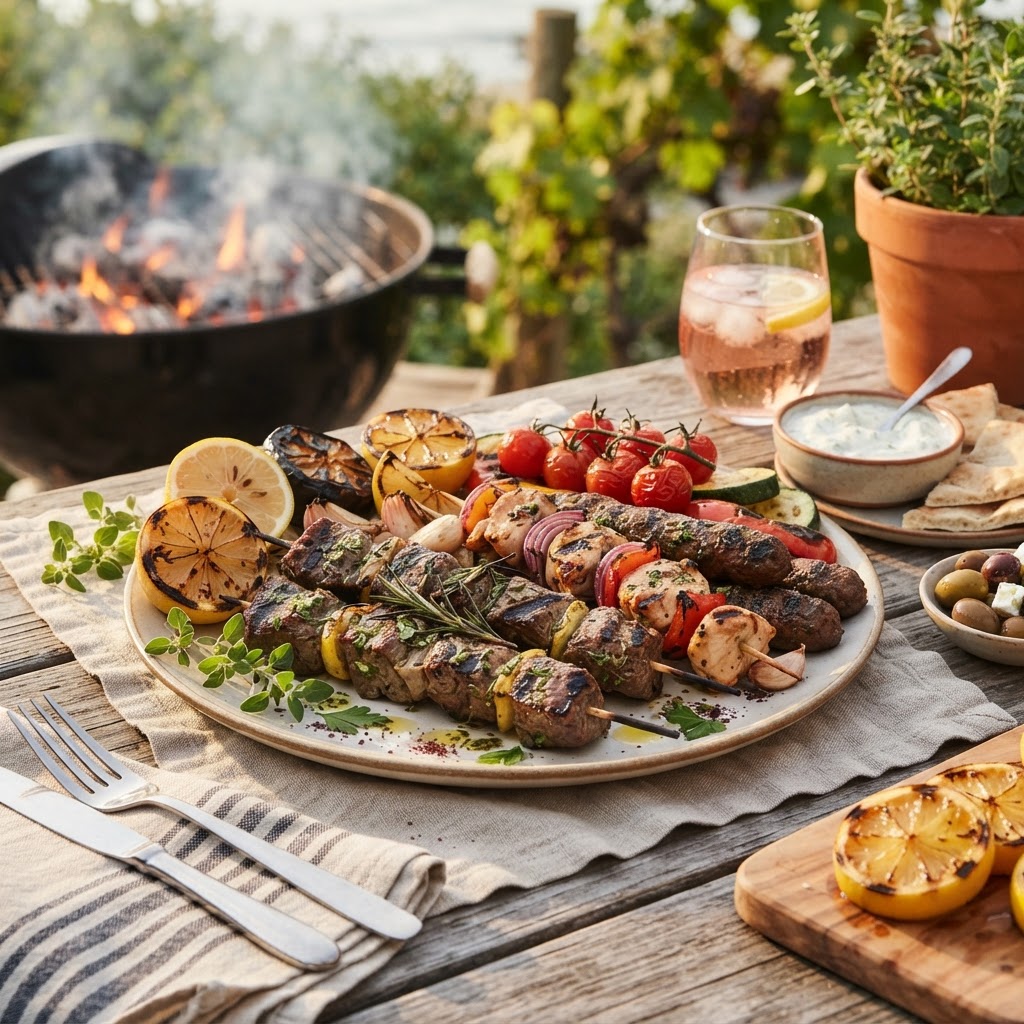
The Home Cook’s Guide to Mediterranean Grilling: Mastering Char, Marinades, and Wood-Smoke Infusions for Authentic Coastal Flavor
There is a specific, sun-drenched alchemy that occurs when the bracing acidity of a Mediterranean lemon meets the blistering intensity of an open charcoal fire. For those of us who have spent years navigating the high-pressure environment of professional kitchens, this style of cooking represents the ultimate dichotomy: it is simultaneously the most primitive way to prepare a meal and the most sophisticated display of flavor control. When we talk about Mediterranean grilling, we are not just discussing the act of throwing protein over a flame; we are talking about a cultural philosophy that centers on the integrity of the ingredient. Whether you are in a coastal village in Greece, a bustling market in Beirut, or your own backyard, the goal remains the same: to elevate simple, fresh produce and proteins through the transformative power of smoke and heat.
To master this craft at home, you must first shed the fear of the grill and embrace the variables that come with fire management. Many home cooks view the grill as a binary tool—it is either "on" or "off"—but the professional chef views the grill as a multi-layered workspace defined by temperature zones and reactive timing. Authentic coastal flavor is achieved by understanding how to balance the deep, savory notes of wood smoke with the bright, herbaceous profiles typical of the region. By utilizing strategic marinades, precise temperature control, and the right choice of fuel, you can turn a Saturday afternoon dinner into a transportive experience that captures the essence of the Mediterranean basin.
In this comprehensive guide, we will dismantle the mystery behind the perfect char and the science of the infusion. We will look at how to build a fire that breathes, how to construct marinades that penetrate without destroying texture, and how to finish your dishes with the kind of flourish that makes guests wonder if you spent years training in a seaside tavern. This is not about complex culinary gymnastics, but rather about honing your intuition to respond to the sight, smell, and sound of your food. Let us step away from the convenience of gas burners and rediscover the ancient, addictive rhythm of the Mediterranean grill.
The Foundation of Fire: Fuel and Heat Management
The first step in any successful grilling session is selecting the right fuel source. In the Mediterranean, charcoal is king, and specifically, lump charcoal or dense hardwood briquettes. Unlike the chemical-laden briquettes found in standard grocery stores, natural hardwood charcoal provides a clean, consistent burn that imparts a subtle, earthy aroma to your proteins. If you have access to fruitwood—such as olive, cherry, or apple—use it sparingly as an infusion tool rather than your primary fuel. The goal is to season your food with smoke, not to overwhelm it with a bitter, acrid density.
Managing your heat zones is the secret to professional-level control. You should always aim to build a "two-zone" fire, where one side of your grill is packed with glowing embers for direct, high-heat searing, and the other side is kept clear or lightly populated for indirect heat and resting. This configuration allows you to move your food away from flare-ups or to gently finish thicker cuts of meat like lamb chops or whole branzino. Without this flexibility, you are essentially gambling with your ingredients, and in the Mediterranean tradition, precision is paramount.
"True coastal grilling is defined not by the intensity of the flame, but by the chef's ability to dance between the searing heat and the cooling smoke, ensuring that the outside is caramelized while the inside remains tender and succulent."
When you are ready to cook, wait for the charcoal to be covered in a fine layer of white-grey ash. If you try to cook over black, flaming coals, you will end up with an acrid, soot-heavy finish that masks the delicate notes of your olive oil and herbs. Patience during the lighting phase is a marker of a seasoned cook. Aim for a surface grate temperature of roughly 450°F to 500°F (230°C to 260°C) for direct searing, and allow your proteins to reach room temperature before they touch the iron to ensure an even, edge-to-edge cook.
Selecting Your Wood for Infusion
If you want to bring the authentic flavor of the Mediterranean to your backyard, consider the type of wood smoke you are introducing. While olive wood is the gold standard for its mild, clean finish, it can be difficult to source. Hardwood chunks such as oak or almond are excellent substitutes that provide a robust foundation for lamb and beef. For seafood and vegetables, stick to lighter woods or fruitwoods, as you want the flavor of the sea and the earth to shine through, not the intensity of the forest.
The Architecture of Marinades: Acid, Oil, and Herb
A common mistake among home cooks is the tendency to over-marinate. In the Mediterranean, marinades are rarely meant to sit for twenty-four hours; because we often use highly acidic components like fresh lemon juice, sherry vinegar, or yogurt, a long soak can actually break down the cellular structure of fish or tender vegetables until they become mushy. Your objective should be to coat, permeate, and brighten. A general rule of thumb is thirty minutes for seafood, two hours for poultry, and up to four hours for lamb or beef.
The ratio of your marinade is the foundation of its success. A classic Mediterranean vinaigrette-style marinade follows a 3:1 ratio of high-quality extra virgin olive oil to acid. This creates a protective barrier around your protein, helping to keep it moist while the acid gently tenderizes the surface fibers. When you add herbs, be generous. Think in terms of fistfuls of fresh oregano, thyme, rosemary, and flat-leaf parsley rather than tiny teaspoons. These aromatics contain essential oils that are activated by the heat of the grill, creating an aromatic cloud that permeates the kitchen.
The Role of Salt in Marinades
Do not be afraid of salt, but do be mindful of timing. If you are marinating for less than an hour, salt is a welcome addition that draws moisture and seasoning into the meat. However, if you are marinating for several hours, consider leaving the salt out until the very last moment. Salt draws moisture out of the food via osmosis; if done too early, it can leave your fish dry and tough before it even hits the fire.
Mastering the Sear: Proteins of the Mediterranean
When cooking fish, specifically Mediterranean classics like sea bass (branzino) or dorado, the skin is your best friend. To achieve that iconic, crispy skin that shatters under the knife, you must ensure the fish is completely dry before it hits the grates. Moisture is the enemy of the sear. Use paper towels to pat the skin dry, then brush it lightly with a thin layer of olive oil mixed with a pinch of sea salt. If you are cooking a whole fish, consider stuffing the cavity with thin lemon slices and fresh sprigs of dill or oregano to flavor the flesh from the inside out.
Lamb is perhaps the most iconic Mediterranean grilling protein, and it demands respect. Whether you are grilling loin chops, rack, or kebabs, lamb’s high fat content makes it exceptionally well-suited for the grill. The fat renders beautifully over direct heat, creating those sought-after flare-ups that add a charred, caramelized complexity to the exterior. For medium-rare perfection, pull your lamb off the heat when the internal temperature hits 125°F (52°C), as it will continue to carry-over cook to a perfect 130°F (54°C) while it rests.
"The sound of meat hitting the grill is a symphony of transformation; it is the exact moment where potential becomes performance, and where raw ingredients are finally elevated to the status of a meal."
Vegetables as a Main Course
In the Mediterranean, grilling vegetables is an art form. Eggplant, zucchini, and red peppers are staples that should be treated with the same care as a prime cut of steak. Slice your eggplant into thick steaks, salt them to draw out bitterness, and let them sweat before grilling. Once they are blistered and soft, they become a canvas for finishing sauces like tahini, garlic-infused yogurt, or a classic chimichurri.
The Art of the Finish: Emulsions, Gremolata, and Finishing Oils
The finish is what separates a backyard barbecue from a restaurant-quality meal. In Mediterranean cuisine, finishing is not just about garnishing; it is about adding a final layer of texture and acidity that cuts through the richness of the char. A fresh gremolata—a mixture of lemon zest, minced garlic, and chopped parsley—added the moment the meat comes off the heat adds a vibrant, grassy pop that elevates every bite.
Consider the power of a yogurt-based sauce, such as tzatziki or a whipped feta dip, to act as a cooling counterpoint to the smoke. The creamy, tangy nature of the dairy provides a necessary contrast to the intense, charred edges of grilled lamb or charred leeks. You want to focus on color and temperature contrast here; serving a hot, smokey protein alongside a chilled, herb-forward sauce creates a sensory experience that keeps the palate engaged from the first bite to the last.
The Importance of High-Quality Olive Oil
Never underestimate the impact of your finishing oil. This is the moment to reach for your most expensive, peppery, cold-pressed extra virgin olive oil. Because you are not cooking with it, the raw, fruity notes of the oil remain intact, providing a silky mouthfeel and a complex, bitter-peppery finish that ties the disparate elements of your dish together. Drizzle it generously over everything—the fish, the vegetables, and even the flatbreads you toasted alongside.
Navigating Challenges: Flare-ups and Hot Spots
Every grill cook encounters the dreaded flare-up. When fat drips onto the glowing embers, it vaporizes, creating a plume of grease-laden fire that can turn a beautiful piece of fish into a charred mess in seconds. While some minor flame contact is good for flavor, you must manage it. Keep a spray bottle of water nearby—not to douse the fire, but to dampen the flare-up—and always have an "escape zone" on your grill where you can move the food if the fire becomes too aggressive.
If you find that your grill has persistent hot spots, learn to love them. Use the hottest area for quick, high-heat items like skewers or thin vegetable slices, and use the cooler sections for larger cuts of meat that require a slower, more even cook. If your grill is struggling to hold heat, ensure your vents are properly adjusted; the Mediterranean style of grilling relies on consistent airflow to keep the charcoal at the right temperature, so don't be afraid to adjust as you go.
Professional Troubleshooting Tips
Protein sticking?* It is usually because you tried to flip it too soon. Wait until the protein releases naturally from the grates.
Too much smoke?* Your vents are closed too tightly, starving the fire of oxygen. Open them to encourage clean combustion.
Uneven cooking?* Invest in a quality pair of long-handled tongs and practice moving food to different zones until you find the sweet spot.
Mediterranean Sides: Elevating the Plate
No Mediterranean grilling session is complete without the proper accompaniments. Grilled flatbreads, such as pita or naan, are an essential component of the meal. Brush them with olive oil, sprinkle with sea salt, and toast them directly over the embers until they puff and develop charred bubbles. These act as the perfect vessels for scooping up your grilled meats and vegetable spreads, providing a warm, chewy texture that contrasts beautifully with the charred elements of the main course.
Salads should also feel intentional and robust. A classic Greek salad with thick, hand-torn pieces of cucumber, sun-ripened tomatoes, kalamata olives, and a massive slab of feta is the standard, but consider grilling your romaine or radicchio beforehand. Grilling lettuce transforms it, softening the bitterness and adding a touch of sweetness that pairs perfectly with a tangy vinaigrette. These sides are meant to be communal, encouraging guests to reach across the table and build their own plates.
Building the Perfect Board
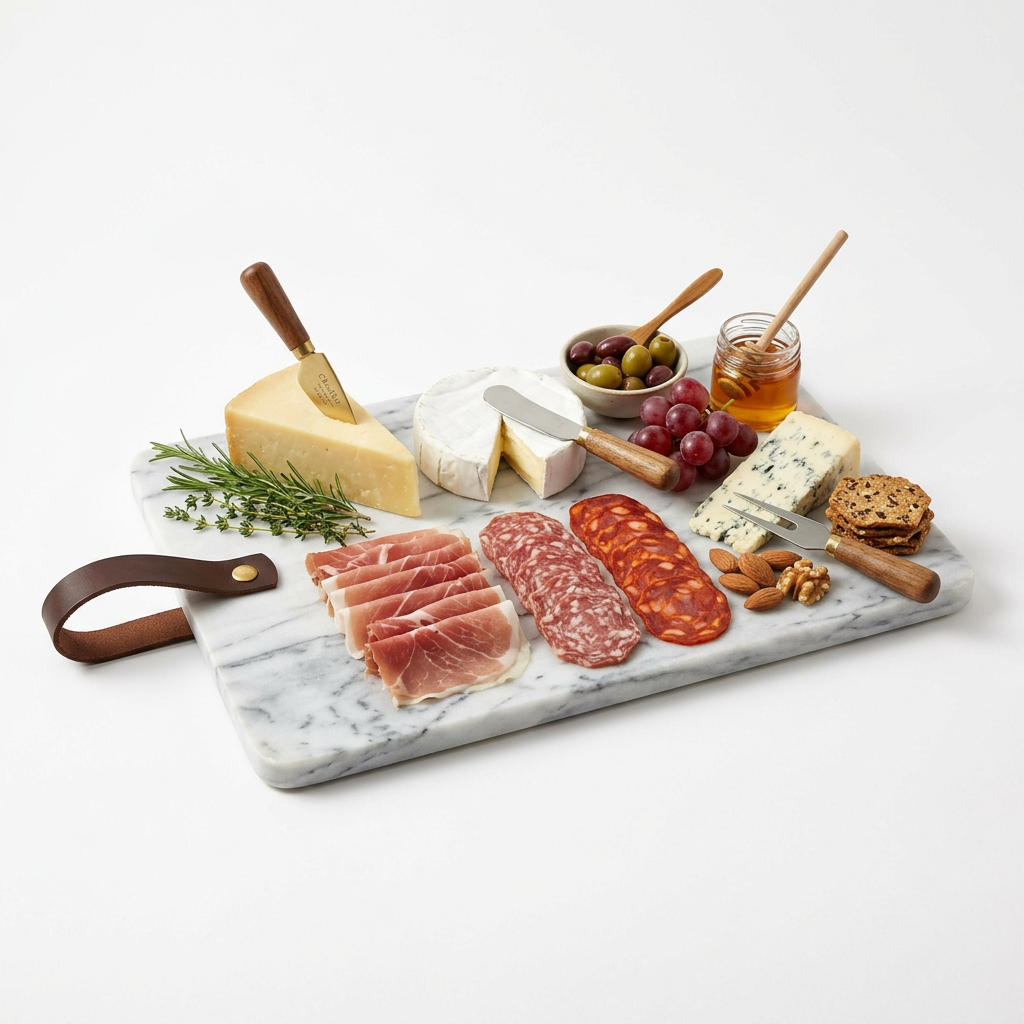
If you are serving for a crowd, build a "Mediterranean Platter" rather than plating individual portions. Lay down a base of grilled flatbread, pile the meats in the center, surround them with the grilled vegetables, and tuck in bowls of tzatziki, hummus, and fresh herbs. This style of service is the heart of the Mediterranean experience—it is generous, unpretentious, and celebrates the communal joy of eating together under the open sky.
The Ritual of Cleanup and Maintenance
The mark of a true master of the grill is how they maintain their tools. After the meal is over and the charcoal has cooled, spend five minutes cleaning your grates. A wire brush is standard, but a wadded-up ball of aluminum foil or half an onion rubbed over hot grates works wonders for removing stubborn residue. Keeping your grill clean ensures that the next time you fire it up, you won't be greeted with the acrid, metallic taste of yesterday’s burnt grease.
Finally, treat your grill as a living, breathing component of your kitchen. If you use it regularly, you will begin to understand its quirks, its preferred zones, and the way the weather affects its performance. Mediterranean grilling is a practice, not a destination. With every session, you will find yourself moving more confidently, seasoning more instinctively, and finding that authentic, coastal flavor that feels just as right in your backyard as it does on a Mediterranean shore.
Preparing for the Next Session
Before you cover your grill, take a moment to assess your charcoal supply. Always have a backup bag of quality fuel stored in a dry place. There is nothing worse than the momentum of a great afternoon being killed by a lack of fuel. Keep your tools organized, your olive oil at the ready, and your fresh herbs waiting in the wings. You are now equipped to turn any meal into a celebration of heat, smoke, and sun-drenched ingredients.
Final Thoughts
Mastering the Mediterranean grill is a journey of sensory discovery. It is about learning to read the language of the flame and understanding that the best results come from a marriage of simple, high-quality ingredients and patient, attentive technique. By focusing on the fundamentals—the quality of your fuel, the management of your heat zones, the delicate balance of your marinades, and the intentionality of your finishing touches—you move beyond the role of a home cook and into the role of a culinary storyteller.
Remember that the goal is not perfection, but rather the pursuit of character. A slightly uneven char on a pepper or a perfect sear on a piece of fish tells a story of the elements at work. When you invite friends and family to the table, you are sharing more than just a meal; you are sharing a piece of a culture that values the simple, raw beauty of fire-kissed food. Keep your heat controlled, your flavors bright, and your passion for the craft at the forefront of every session.
Whether you are hosting a summer solstice gathering or a quiet Tuesday night dinner, let the Mediterranean spirit guide you. Use the freshest produce you can find, never skimp on the olive oil, and always, always listen to the sizzle of the grill. It is a language all its own, and with enough practice, you will find that you can speak it fluently, transforming your outdoor space into a sanctuary of flavor. Thank you for joining me on this exploration of the grill, and here is to many more successful, smoky, and delicious meals ahead. Keep the coals hot, keep the flavors vibrant, and above all, blame the chef for making it look—and taste—so easy.
As you move forward in your grilling journey, continue to experiment with local ingredients that echo the Mediterranean palette. Perhaps you find a local goat cheese that works perfectly with your grilled stone fruit, or a local honey that creates the perfect glaze for your lamb skewers. The essence of the Mediterranean is not just about the specific ingredients found in Greece or Spain; it is about the approach to those ingredients. It is about seasonality, simplicity, and the profound, transformative power of heat. Stay curious, stay hungry, and never stop refining your technique. The grill is waiting for its next great masterpiece, and I have no doubt that it will be delicious.

Get the Next Recipe
Weekly recipes, techniques, and gear picks — straight to your inbox.
