The Home Cook’s Guide to Mediterranean Tagines: Mastering Slow-Cooked Aromatics and Fruit-Meat Pairings for Tender, North African Stews
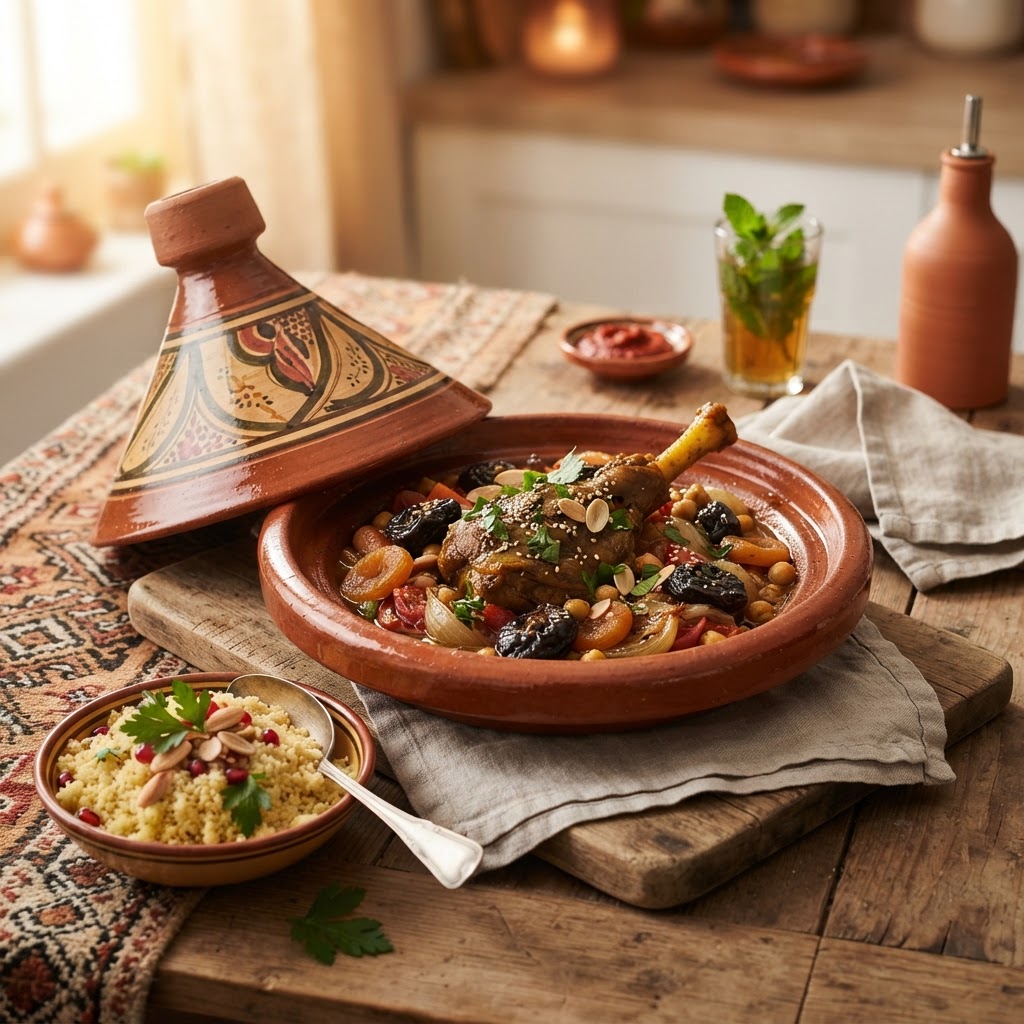
The art of the tagine is a practice in patience, a rhythmic dance between heat, moisture, and the transformative power of time. Originating from the sun-drenched landscapes of North Africa, specifically Morocco, this iconic vessel is as much a cooking technique as it is a cultural centerpiece. When you lift the heavy, cone-shaped lid of a clay tagine, you aren't just revealing a meal; you are releasing a concentrated bouquet of aromatics that have spent hours melding into a harmonious, succulent masterpiece. It is the antithesis of our modern, hurried existence, demanding that we slow down and trust the process of low-temperature braising to turn humble ingredients into something truly extraordinary.
For the home cook, the tagine offers a gateway to understanding the profound balance of sweet and savory—a hallmark of Mediterranean and North African flavor profiles. Unlike Western stews, which often rely on a thick base of flour or roux, the tagine achieves its signature velvety consistency through the careful reduction of juices and the inclusion of dried fruits, nuts, and spices. It is about layering: the base of onions and garlic, the floral lift of saffron and ginger, the textural contrast of tender meat, and the final, bright punch of preserved lemons or fresh herbs. Once you master the mechanics of this dish, you gain a versatile skill set that works just as well in a Dutch oven or a heavy-bottomed pot as it does in the traditional glazed terracotta vessel.
At "Blame The Chef," we believe that the kitchen is the ultimate laboratory for exploration, and few experiments are as rewarding as a perfectly executed Moroccan stew. Whether you are a seasoned home chef looking to expand your repertoire or a curious beginner intimidated by the prospect of complex spice blends, this guide is designed to demystify the process. We will walk through the science of moisture control, the crucial selection of aromatics, and the delicate alchemy of fruit-meat pairings. Prepare to sharpen your knives, clear your schedule for a lazy afternoon, and ready your kitchen for the intoxicating, earthy scents of a slow-cooked tagine.
The Science of the Tagine Vessel and Heat Management
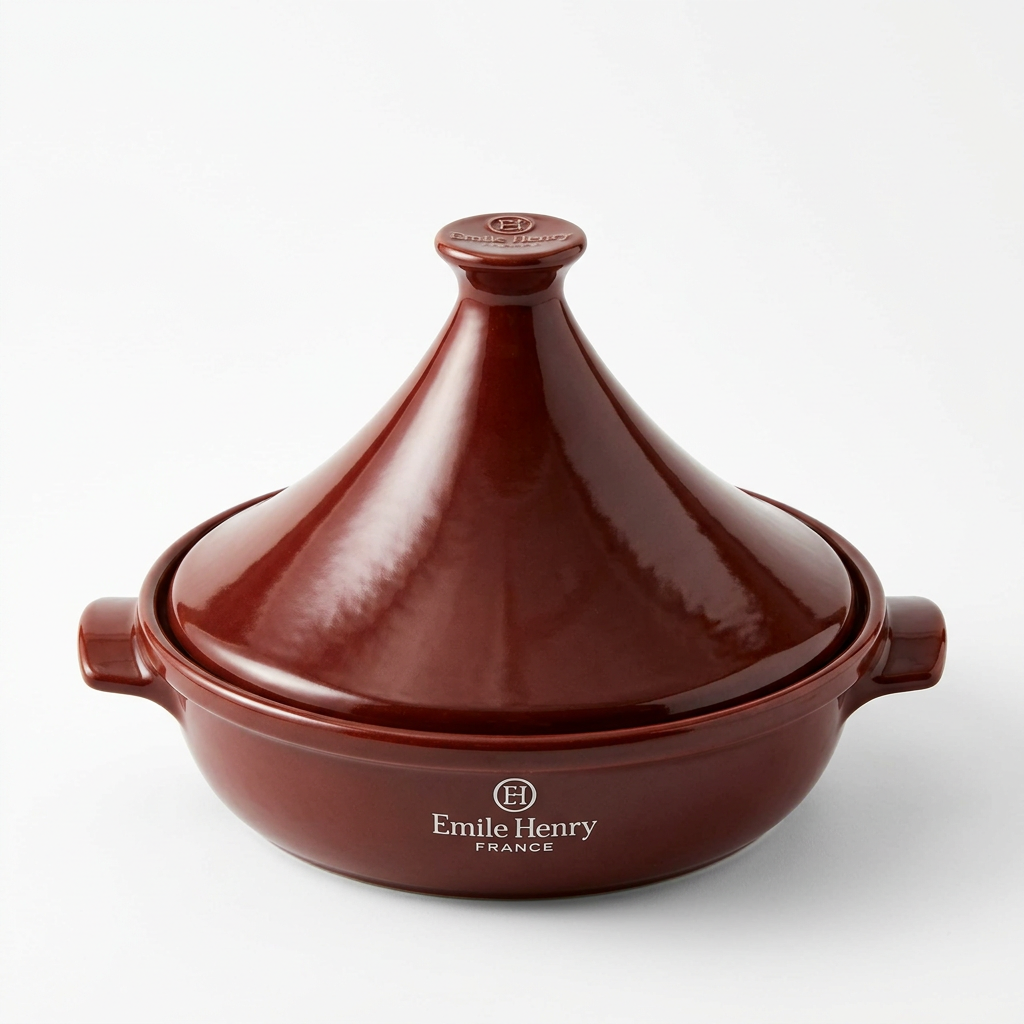
The iconic conical lid of the tagine is not a design flourish; it is a masterclass in thermodynamic engineering. The unique shape encourages the circulation of steam, which condenses against the cooler interior surface of the clay and trickles back down onto the ingredients below. This continuous self-basting mechanism ensures that the meat remains moist throughout the cooking process, even as the liquid base reduces to a glossy, flavor-packed sauce. When you purchase a tagine, you are choosing between raw, unglazed clay—which provides an earthy, rustic finish—and glazed ceramic, which is much easier to clean and ideal for everyday cooking in a modern home kitchen.
Regardless of your vessel choice, heat management is the critical factor that separates a tough, stringy stew from a fork-tender, succulent delight. Because traditional clay tagines are fragile and prone to cracking under direct, intense heat, it is standard practice to use a heat diffuser—a simple metal plate placed between your stovetop and the tagine base. This ensures an even, gentle distribution of heat, preventing localized hotspots that can scorch the bottom of your stew. If you are using a standard Dutch oven as a stand-in, you still want to maintain a "bare simmer," where the surface of the liquid barely trembles.
Essential Gear for the Aspiring Tagine Chef
The Vessel:* Either a traditional clay tagine or a heavy-duty enameled cast-iron Dutch oven.
Heat Diffuser:* Mandatory for clay vessels, recommended for electric stoves.
Heavy-Duty Tongs:* Necessary for searing meat without breaking the structural integrity of the pieces.
A Fine-Mesh Strainer:* Essential for washing dried fruits and rinsing preserved lemon rinds.
Chef’s Knife:* A sharp, 8-inch blade for consistent vegetable mirepoix.
"A tagine is not just a dish you cook; it is a philosophy of patience. When the lid is sealed, the steam becomes the chef, coaxing the soul out of every clove and spice pod."
Mastering the Aromatics: The Moroccan Spice Foundation
The soul of a tagine lies in its ras el hanout—a complex, hand-mixed spice blend that literally translates to "head of the shop." While you can purchase pre-made versions, the best home chefs often create their own to adjust the balance of heat, sweetness, and earthiness. A standard blend usually includes cinnamon, cumin, coriander, turmeric, ginger, and black pepper, but the magic happens when you add individual touches like nutmeg, cardamom, or rose petals. Understanding the potency of these spices is vital; you want them to perfume the meat without overpowering the natural, subtle sweetness of the ingredients.
Beyond the dry spices, the "wet" aromatics are what build the foundation of your sauce. This typically involves a heavy reliance on onions—often sliced into half-moons—and plenty of aromatics like fresh ginger and garlic. In North African cooking, garlic is rarely minced to a pulp; it is often grated or smashed to release its oils gradually. If you are cooking with lamb or beef, lean into the earthier spices like cumin and coriander. If you are preparing a chicken or vegetable tagine, play up the citrus notes, the floral scent of saffron, and the warming hum of cinnamon or ginger.
The Spice Ratio Guide
Selecting and Searing: Meat Selection for Long Braises
When cooking for hours, your protein selection is paramount. You need cuts that possess a high level of collagen and intramuscular fat, which will break down during the slow-cooking process to create that signature, tender mouthfeel. For lamb, look for shoulder or shank; for beef, reach for chuck or short ribs. Chicken tagines are a staple, but you should exclusively use bone-in, skin-on thighs. The bones provide the sauce with essential gelatin, while the darker meat stands up to the long cook time without becoming dry or chalky.
Searing is a step that many amateur cooks skip, but it is a non-negotiable for depth of flavor. By browning the meat in a high-smoke-point oil (like avocado or refined grapeseed oil), you trigger the Maillard reaction—a chemical reaction between amino acids and reducing sugars that gives the meat a complex, savory crust. Do not crowd your pan during this stage; if you put too much meat in at once, the temperature will drop, the meat will steam instead of brown, and you will lose that essential depth of flavor that carries the entire dish.
Techniques for Perfect Browning
* Pat the meat completely dry with paper towels before seasoning; moisture is the enemy of a good sear.
* Use a heavy pan to maintain steady, high heat.
* Sear in small batches, ensuring there is enough room between each piece for air to circulate.
Deglaze the pot with a splash of stock or water after searing to capture the browned bits—known as fond*—from the bottom of the vessel.
The Alchemy of Fruit-Meat Pairings
The hallmark of the tagine is the marriage of savory protein and sweet fruit. This isn't intended to turn the meal into a dessert; rather, the fruit is meant to act as a counterpoint to the salt and spice of the meat. Dried apricots, prunes, dates, and even raisins are the most common additions. When these are cooked alongside the meat, they rehydrate, shedding their concentrated sugar into the braising liquid, which then thickens as it reduces. This creates a sweet-and-savory glaze that coats the meat beautifully.
Balance is everything. If you are using naturally sweeter fruits like dates, pair them with a heavier protein like beef or lamb to ground the flavor. If you are using apricots or raisins, they pair beautifully with the lightness of chicken or a vegetarian chickpea and squash tagine. The key is to add the fruit toward the middle or end of the cooking process depending on their size. Dried prunes can handle a longer simmer, but softer fruits like apricots or figs should be added in the final 30 to 45 minutes to ensure they maintain their shape and texture rather than turning into mush.
"The true magic of the tagine is the moment the salt of the preserved lemon meets the sweetness of the honey-soaked apricot. It is a tension that demands your full attention."
Fruit-Protein Pairing Chart
| Fruit | Best Protein | Flavor Profile |
| :--- | :--- | :--- |
| Dried Prunes | Lamb | Intense, deep, and earthy |
| Dried Apricots | Chicken | Bright, floral, and acidic |
| Medjool Dates | Beef | Rich, caramel-like, and bold |
| Golden Raisins | Chickpeas/Vegetables | Sweet, subtle, and light |
The Finishing Touches: Preserved Lemons, Nuts, and Herbs
No tagine is truly complete without the final act of garnishing. This is where you introduce acidity and crunch to cut through the richness of the slow-cooked sauce. Preserved lemons are perhaps the most vital element in a traditional Moroccan pantry. The fermentation process transforms the sharp, aggressive acid of a fresh lemon into a mellow, savory, and highly aromatic ingredient. You only use the rind, which provides a salty, floral pop that elevates the entire dish from "home-cooked" to "restaurant-quality."
Texture is equally important. After spending three hours cooking, everything in the pot is tender. By adding toasted nuts—almonds, pistachios, or walnuts—you provide a necessary crunch that surprises the palate. Toast these nuts in a dry pan until they are fragrant before scattering them over the top right before serving. Finally, finish with a handful of fresh herbs, specifically flat-leaf parsley and cilantro. Do not cook the herbs into the stew; add them fresh at the moment of plating to ensure their bright, grassy notes shine through against the deep, dark base of the tagine.
Creating Your Own Preserved Lemons
Troubleshooting Your Tagine: When Things Go Wrong
Even for experienced chefs, the tagine can be temperamental. One of the most common issues is a sauce that is too thin. Because tagines are designed to trap moisture, you may find that at the end of the cooking time, the sauce is more like a thin broth than a thick, coating reduction. The solution is simple: remove the lid for the final 15 to 20 minutes of cooking and increase the heat slightly. This encourages evaporation and helps the juices concentrate into that glossy, syrupy consistency we all crave.
Conversely, if your sauce is too thick or beginning to stick to the bottom, don't just dump a cup of water in. This will dilute the flavor significantly. Instead, add a small splash of hot stock or water, swirling it gently to loosen the fond from the bottom. Be mindful of your salt levels as well. Because tagines rely on reduction, the sauce can quickly become oversalted if you started with a heavily salted broth. Always season the meat separately before searing, and wait until the final 10 minutes of cooking to taste and adjust the seasoning of the sauce.
Troubleshooting Quick Tips
Sauce too thin?* Remove the lid, raise the heat slightly, and reduce for 15-20 minutes.
Burning at the bottom?* Turn off the heat, add a splash of warm stock, and scrape the bottom very carefully before continuing at a lower temperature.
Flavor too muted?* You likely need more acidity. A squeeze of fresh lemon juice or a teaspoon of high-quality vinegar can wake up a dull stew.
Meat not tender?* It simply needs more time. Cover, turn the heat to the lowest possible setting, and check again in 30 minutes.
The Cultural Context of Communal Eating
Beyond the technique and the ingredients, the tagine is designed to be a centerpiece of communal dining. In traditional Moroccan households, the tagine is placed directly in the center of the table, and everyone eats from the same pot, usually using pieces of khobz (a crusty, round flatbread) as a scoop. This method of eating is tactile, grounding, and inherently social. When you prepare a tagine for friends or family, encourage them to gather around the vessel. It changes the dynamic of the meal; it is no longer about plated, individual portions, but about sharing the bounty of the work you put in.
When preparing for a dinner party, consider the tagine's benefit of being a "set it and forget it" dish. It is one of the few high-end culinary preparations that actually tastes better if it sits for a bit. You can cook the tagine in the afternoon, let it rest for an hour, and then reheat it gently before serving. The flavors will have had time to settle, the meat will be even more tender, and you won't be stuck in the kitchen while your guests are enjoying their appetizers. It is the ultimate tool for the host who wants to look effortless while delivering a complex, slow-cooked masterpiece.
"A meal shared from a single pot is a meal that bridges distances. The tagine is not merely food; it is an invitation to pause, to speak, and to savor the passing of time."
Final Thoughts
Mastering the tagine is not about following a rigid set of rules, but about understanding the relationship between heat, time, and ingredients. You have now learned the fundamentals of managing a clay vessel, building a spice base, selecting the right proteins for long braising, and balancing those delicate sweet-and-savory notes. Whether you are using a centuries-old terracotta pot or a modern enameled Dutch oven, the principles remain the same: low heat, patience, and the courage to taste and adjust along the way.
As you embark on your own experiments, don't be afraid to deviate from the traditional paths. Try using dried cherries with beef, or experiment with different citrus rinds beyond lemon. The beauty of the tagine lies in its versatility. It is a forgiving vessel that rewards the curious and the persistent. Start with a classic chicken, preserved lemon, and olive tagine to understand the baseline, then branch out into the richer, darker stews of lamb and prune.
At "Blame The Chef," we want to encourage you to stop looking at the clock and start looking at the texture of the sauce and the tenderness of the meat. Let the aromatics fill your kitchen; let the rhythm of the simmer become the soundtrack to your afternoon. When you finally place that steaming, beautiful pot on your table, take a moment to appreciate the process. You have turned a few hours, some humble ingredients, and a bit of fire into a memory. Happy cooking, and may your tagines always be tender and your spices perfectly balanced.

Get the Next Recipe
Weekly recipes, techniques, and gear picks — straight to your inbox.
