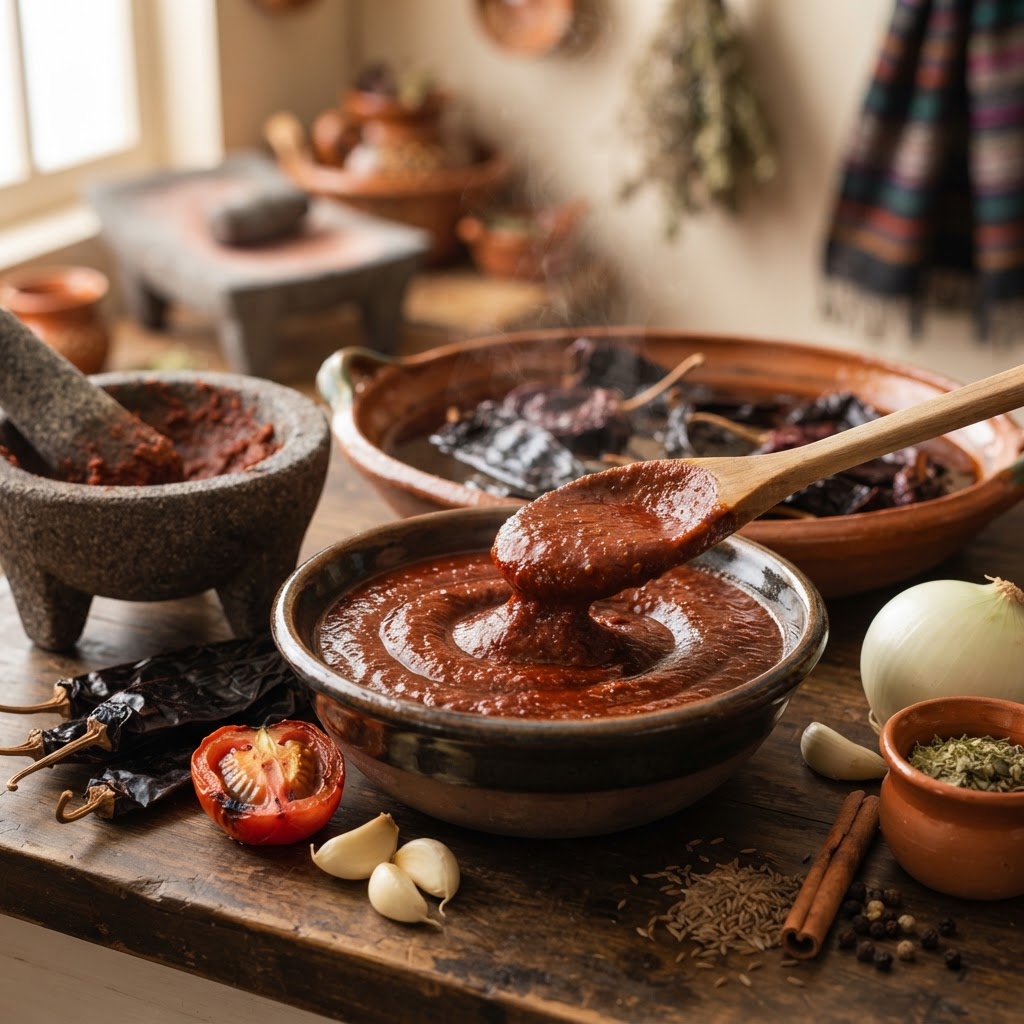
The Home Cook’s Guide to Mexican Adobo: Mastering Dried Chile Rehydration and Puree Techniques for Deep, Earthy Bases
If you have ever stood in front of the spice aisle, staring at a bag of wrinkly, dark-hued dried chiles, you might have felt a sense of intimidation rather than inspiration. For the uninitiated, these dehydrated peppers can seem like relics of an ancient culinary tradition, far removed from the convenience of modern cooking. However, understanding the art of rehydrating and pureeing dried chiles is the single most important bridge between a home cook and a chef-level Mexican kitchen. When you learn to coax the hidden oils and deep, complex notes out of a dried Ancho or Guajillo, you are not just preparing a sauce; you are crafting the backbone of the entire Mexican flavor profile. This process, while seemingly manual, is deeply rhythmic and incredibly rewarding once you taste the profound difference between a store-bought jarred sauce and your own scratch-made labor of love.
The beauty of the Mexican adobo lies in its ability to transform simple proteins and vegetables into something transcendent, rich with earthiness and a subtle, lingering heat. Many home cooks struggle with the texture or the bitterness that can arise when these chiles are handled incorrectly, but these are hurdles easily overcome with the right techniques. Mastery is not about following a rigid recipe to the letter, but rather learning how to manipulate heat, moisture, and time to unlock the soul of the ingredient. Whether you are aiming to marinate a pork shoulder for authentic al pastor or you want to build a deep, brick-red base for a soulful mole, the principles remain the same. We are about to strip away the mystery and dive deep into the science and the soul of the perfect adobo.
At Blame The Chef, we believe that the kitchen should be a space of controlled experimentation, where failure is just a step toward a deeper understanding of flavor. By mastering the rehydration process, you gain access to a library of flavor profiles that range from the sweet, raisin-like undertones of an Ancho to the sharp, bright acidity of a Chile de Árbol. We will cover every step of the journey, from the critical initial toast that awakens dormant essential oils to the careful calibration of your puree for the perfect, velvety mouthfeel. Grab your apron, clear your counter, and prepare to elevate your home kitchen to a level that would make even the most seasoned Mexican grandmother nod in approval. This is the masterclass you have been waiting for, designed specifically for those who want to move beyond the recipe and start cooking with true intention.
The Chemistry of Dried Chiles
The process of drying chiles is not merely about preservation; it is a chemical transformation. When a fresh pepper is dried, the water content is significantly reduced, which concentrates the sugars and triggers the enzymatic activity that deepens the color and profile. These chiles are not just spicy; they are repositories of dried fruit, tobacco, dark chocolate, and roasted nut notes. To properly work with them, you must understand that the volatile oils responsible for these complex flavors are trapped within the toughened, fibrous skin.
Understanding the Spectrum of Heat and Flavor
Not all dried chiles are created equal, and knowing your chiles is the first step toward a balanced adobo. You should think of them as building blocks. Ancho chiles are the dried form of the Poblano, offering a sweet, raisin-like flavor with a mild, approachable heat. Guajillo chiles are the workhorses of Mexican cuisine, providing a bright, tea-like acidity and a moderate heat level that pairs perfectly with meats. Pasilla chiles bring a deep, almost bitter earthiness reminiscent of black coffee or dark chocolate.
"To cook with dried chiles is to act as an alchemist; you are taking a dry, dormant ingredient and using heat and water to resurrect its spirit, creating a flavor profile that is centuries in the making."
By mixing these varieties, you can curate the exact profile you desire for your dish. We recommend starting with a ratio of 3 parts Guajillo to 1 part Ancho for a classic, crowd-pleasing adobo. This blend provides a foundation that is robust enough for beef or pork but delicate enough for roasted vegetables or a complex, layered mole.
The Art of the Initial Toast
Many home cooks skip the step of toasting, but this is a fatal error in the pursuit of a superior adobo. Toasting is not about burning the chiles; it is about reaching the smoking point of the essential oils just enough to release their aromatics. If you skip this, your adobo will taste "flat" or "green." You are looking for a subtle change in color and a heady, fragrant aroma that fills your entire kitchen.
Techniques for Perfect Toasting
Place a heavy cast-iron skillet over medium-high heat. You do not need any oil for this stage. Take your stemmed and seeded dried chiles and press them firmly against the hot surface of the pan using a spatula or tongs. You want to toast them for only 15 to 30 seconds per side. If they turn black or begin to smoke aggressively, you have gone too far, and the resulting adobo will have a bitter, scorched profile that is nearly impossible to fix.
* Ensure your chiles are clean and free of excess dust.
* Work in small batches to avoid crowding the pan.
* Trust your nose—the moment you smell a sudden, intense burst of aroma, remove them from the pan immediately.
Once toasted, the chiles should feel slightly more pliable but still brittle. This flash-heat process caramelizes the natural sugars on the surface of the skin, which will later provide a subtle sweetness that balances the heat. This step is non-negotiable if you want the "Blame The Chef" level of depth in your final product.
Rehydration: The Moisture Infusion
Rehydration is the process of returning the chile to a state where it can be pulverized into a silky puree. There are two primary schools of thought here: the hot-water soak and the simmer. For a more intense, robust flavor, we recommend a light simmer, but be careful not to overcook them. Over-simmering can wash away the very oils you just spent time developing during the toasting phase.
Mastering the Soak
Place your toasted chiles in a bowl and cover them with boiling water, or better yet, a hot chicken or vegetable stock for added dimension. Place a small plate on top of the chiles to keep them fully submerged, as they tend to float. The ideal soak time is 20 to 30 minutes. The chiles should be completely soft and pliable when poked with a fork. If they are still tough, give them an additional 5 minutes.
"The difference between a gritty, amateur sauce and a professional, velvety adobo lies in the patience you afford during the rehydration stage. Do not rush the chiles; let them drink until they are tender."
The Importance of the Liquid
The water or stock you use for rehydration becomes a secondary ingredient in itself. It is infused with the color, spice, and flavor of the chiles. Never discard this liquid immediately. Taste it. If it is bitter, discard it and use fresh water for the blending process. However, if it tastes rich and smoky, reserve about a half-cup to add into your blender for a deeper, more cohesive sauce.
Pureeing and the Quest for Texture
Once your chiles are perfectly hydrated, it is time to move to the blender. This is where the physical composition of the adobo is determined. To achieve that professional, restaurant-quality velvety texture, you must invest time in the blending process and, if necessary, the straining process.
The Blender Setup
If you are aiming for a refined mole or a delicate marinade, you should push the puree through a fine-mesh sieve or a chinois. Use the back of a ladle to press the mixture through the mesh, leaving behind the tough, fibrous skins of the chiles. What passes through the mesh will be the most concentrated, flavorful essence of the pepper, free of any unpleasant, leathery bits.
Flavor Balancing: The Final Polish
An adobo is rarely perfect straight out of the blender. It needs to be "finished." This involves balancing the acidity, the salt, and the fat. Mexican cooking is all about the interplay between heat and sweetness, and your adobo should reflect this.
The Balancing Act
Acidity:* A teaspoon of apple cider vinegar or freshly squeezed lime juice can cut through the richness and make the flavors "pop."
Sweetness:* If the adobo is too bitter, add a tiny bit of piloncillo (raw cane sugar) or honey.
Salt:* Salt acts as a flavor magnifier. Always taste and adjust at the very end.
Fat:* Sometimes, finishing the sauce with a tablespoon of melted lard or high-quality avocado oil adds a glossy sheen and a luxurious mouthfeel that screams authenticity.
Once you have balanced your flavors, it is often beneficial to "cook down" the adobo in a pan with a little fat. This process, known as sazonar, allows the flavors to meld together. Fry the pureed sauce in a hot skillet for 5 to 7 minutes until it darkens and thickens. You will notice the aroma change once more, becoming deeper and more unified.
Storage and Culinary Versatility
Congratulations, you have created a base that is more valuable than any store-bought condiment. Now, how do you handle your creation? Adobo is an incredibly versatile ingredient that can be used in almost every stage of the cooking process.
Storage Secrets
Adobo keeps remarkably well in the refrigerator for up to a week in an airtight glass container. For longer storage, freeze it in ice cube trays. Once frozen, move the cubes to a freezer-safe bag. This allows you to pull out one or two "flavor bombs" whenever you are searing a steak, making a quick batch of beans, or braising chicken.
Marinade:* Use it as a base for chicken or pork, letting the meat sit for at least 4 hours.
Stewing Base:* Add a tablespoon to your favorite chili or soup.
Glaze:* Whisk it with a little honey and orange juice for a killer glaze on roasted carrots or sweet potatoes.
The "Secret" Ingredient:* Use it in a vinaigrette for a roasted beet salad to provide an earthy, spicy contrast.
Final Thoughts
The journey to mastering the Mexican adobo is a rite of passage for any serious home cook. It requires you to set aside the convenience of pre-made sauces and engage with the ingredients on a sensory level. By understanding how to toast, rehydrate, and emulsify these dried chiles, you are learning a skill that transcends a single recipe. You are learning how to build flavor from the ground up, how to control texture, and how to balance complex profiles.
Don't be discouraged if your first batch isn't perfect. Maybe you toasted the chiles a few seconds too long, or perhaps you left the sauce a bit too thick. These are not failures; they are data points. Each time you prepare this adobo, you will become more attuned to the specific characteristics of the chiles you are using, and your intuition will grow. The kitchen is a laboratory of taste, and you are the lead scientist. Keep experimenting, keep tasting, and most importantly, keep blaming the chef when things get messy—but take all the credit when your friends and family ask how you managed to get that incredible depth of flavor into your dinner. Mastery is a journey, and today, you’ve taken a major step forward. Happy cooking, and may your adobo always be dark, fragrant, and perfectly balanced.
To further refine your craft, consider exploring the regional variations of adobo found throughout Mexico. In the Yucatan, they might incorporate more citrus and charred spices, while in the central regions, they lean heavily into the combination of dried chiles and nuts. Each region tells a story through its adobo, and by mastering the core techniques outlined here, you have unlocked the ability to tell those stories in your own kitchen. Keep a notebook of your adjustments—note which brands of chiles you preferred, which ratios yielded the best color, and what additions made the sauce sing. Over time, you will develop your own signature adobo, a recipe that is uniquely yours and reflects your personal taste and culinary evolution. Remember, the true mark of a chef isn't just following a recipe, but knowing how to manipulate the components to create something that resonates on the palate.
There is a profound sense of satisfaction that comes with turning a handful of dry, humble chiles into a rich, velvety, soul-warming sauce. It connects you to a history of culinary tradition that has sustained families for generations. As you continue to practice, you will find that the process becomes less of a chore and more of a meditative experience. The rhythmic sound of the blender, the smell of toasted peppers, and the sight of a perfectly reduced, mahogany-colored sauce are the rewards for your effort. You are now part of a long lineage of cooks who understand that the best flavors are not bought, but built. So, go forth and explore the pantry, experiment with new chile varieties like the smoky Chipotle or the fruity Mulato, and keep pushing the boundaries of what your home kitchen can achieve. Your culinary adventure is only just beginning, and there is an entire world of flavor waiting to be rehydrated and released.
Finally, do not underestimate the power of sharing your creations. Adobo, by its very nature, is a communal flavor. It is meant to be shared with friends and loved ones, perhaps over a tray of tacos or a large pot of stew. When you serve a meal built on your own homemade adobo, you aren't just feeding your guests; you are sharing a piece of your growth as a cook. The depth of flavor you've worked to achieve will be palpable, and it will speak volumes about the care and attention you've invested in your craft. Continue to ask questions, continue to learn, and never lose that spark of curiosity that led you to seek out this guide in the first place. You have the tools, the technique, and the knowledge—now it is time to make it your own. The perfect adobo is waiting, and with every batch, you are closer to absolute perfection.
In closing, remember that even the most accomplished chefs still find themselves returning to the basics. The mastery of a simple, foundational technique is what elevates cooking from a daily necessity to an art form. Your adobo is the foundation upon which your culinary repertoire will grow. Keep the heat controlled, the aromatics fresh, and your passion for flavor high. At Blame The Chef, we are incredibly proud of the progress you are making, and we look forward to hearing about your culinary successes. Whether you are hosting a dinner party, planning a Sunday meal prep, or simply wanting to sharpen your knife skills and your palate, these techniques will serve you well for years to come. Let this be the start of a lifetime of delicious, deep-flavored, and truly authentic cooking experiences. The kitchen is yours to conquer, and the adobo is your secret weapon. Enjoy every step of the journey, for it is in the process that we truly find our flavor.

Get the Next Recipe
Weekly recipes, techniques, and gear picks — straight to your inbox.
